
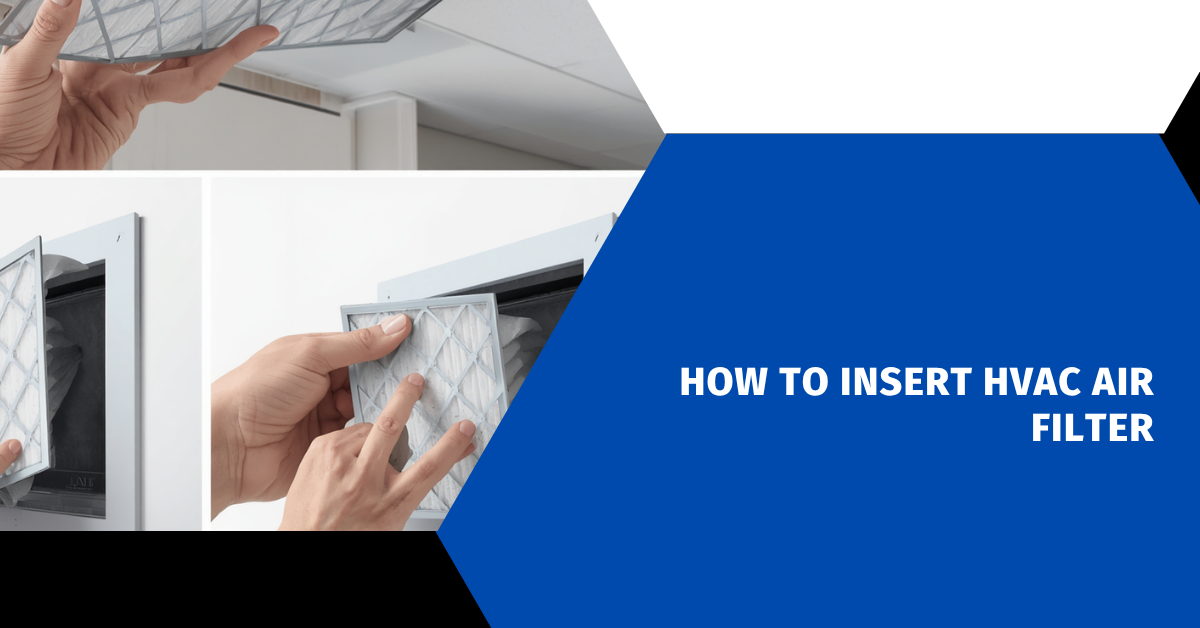
Affiliate Disclosure
HVAC Guide Guys is a participant in the Amazon Services LLC Associates Program, an affiliate advertising program designed to provide a means for sites to earn advertising fees by advertising and linking to Amazon.
Do you know the secret to keeping your home’s heating and cooling system running smoothly? The answer is simple: properly inserting an HVAC air filter. This small component is key to protecting your system and keeping the air inside your home clean.
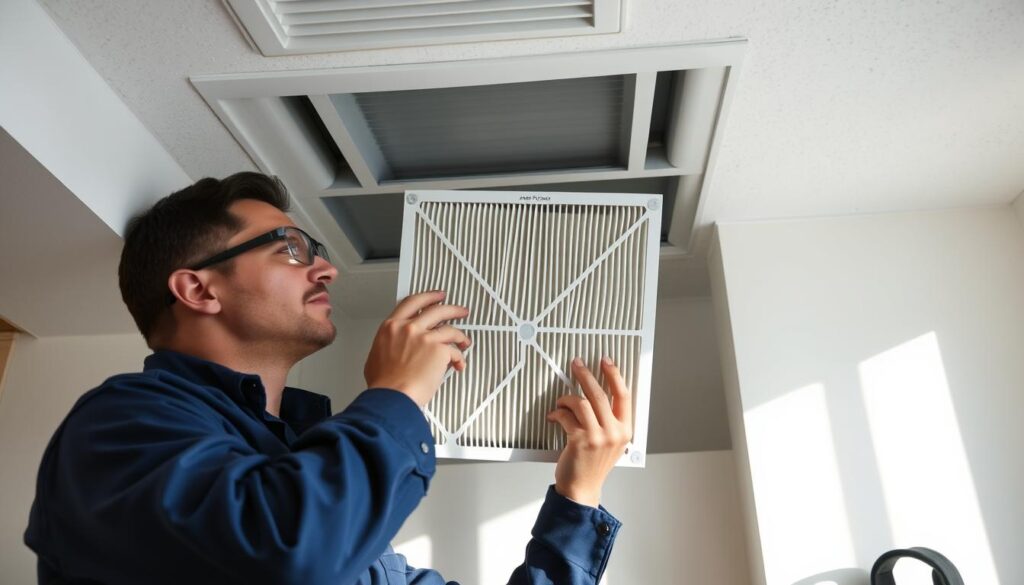
Changing your air filter might seem scary, but it’s easy and can save you a lot of money. By putting a filter in the right spot in your furnace, air conditioning, or wall/ceiling return, you’re doing more than just routine maintenance. You’re also making your HVAC system last longer.
Regularly changing your filters is a smart way to keep your system running well. With tools like the Filtrete™ Smart App, it’s easy to keep track of when you need to change your filter. During fall and spring, ask your HVAC technician to show you how to do it right.
Key Takeaways
- HVAC filter replacement is a simple home maintenance task
- Proper filter installation protects your system’s performance
- Regular changes prevent costly system repairs
- Modern apps can help track filter replacement schedules
- Professional technicians can guide you through the process
Table of Contents
Understanding Your HVAC Air Filter and Its Importance
Your home’s HVAC system has a key part that many overlook: the air filter. It’s not just for cleaning the air inside your home. The HVAC air filter is vital for keeping your heating and cooling system safe from harm.
What Does an HVAC Air Filter Do
Many people think the HVAC filter cleans the air inside your home. But it’s not its main job. Its main task is to keep dust and debris out of your HVAC system’s inner parts. The blower draws air from your home, bringing in dust and other particles.
- Prevents dust and debris from entering HVAC cabinet
- Protects motors and refrigerant coils from contamination
- Reduces the risk of damage to system parts
Why Regular Filter Changes Matter for Your System
Filters get clogged with debris over time. If you don’t change them, it can cause big problems. A clogged filter makes your blower motor work harder, which means more energy use and possible damage.
“Preventive maintenance is key to extending the life of your HVAC system.”
Ignoring filter changes can lead to several issues:
- Higher energy bills because of less efficiency
- More wear and tear on system parts
- System overheating
- Less airflow in your home
Changing your filter regularly is easy and saves money. Spending $10-30 on a new filter can save you hundreds or thousands of dollars in repairs.
Explore Our HVAC Shop
Looking for top-rated HVAC tools, parts, and accessories? Visit our shop and find the perfect solution for your needs.
Visit the ShopChoosing the Right Air Filter for Your HVAC System
Choosing the right air filter for your HVAC system is key for good indoor air and system performance. Different filters offer unique benefits for your home’s needs.
Fiberglass filters are made from thin glass strands and are the most common. They’re affordable and good for most homes. But, they don’t filter well.
- Fiberglass Filters: Economical and standard protection
- Pleated Filters: Enhanced particle capture
- HEPA Filters: Maximum air purification
- Electrostatic Filters: Reusable and cost-effective
Pleated filters are made from folded materials like cotton or paper. They have more surface area, catching more allergens. They’re better than fiberglass filters.
HEPA filters catch over 99.9% of particles smaller than 0.3 microns. They’re great for homes with allergies or respiratory issues. But, they might need system changes.
“Choosing the right filter is about balancing protection, airflow, and your specific home environment.”
Electrostatic filters are washable and last long. They use electromagnetism to catch particles. They’re good for saving money on filters. Just clean them often.
Make sure to check the filter size before buying. Look at your current filter’s frame or measure it. The right size is important for your system’s performance.
Locating Your HVAC Filter in Your Home
Finding your HVAC air filter can be a challenge. Each home’s HVAC setup is different, leading to varied filter locations. Knowing where to look can make maintenance easier and less frustrating.
Exploring Return Air Duct Filter Locations
Often, filters are found behind return air vents. These vents resemble standard wall or ceiling grates. To find the filter, follow these steps:
- Turn off your HVAC system
- Unscrew or unlatch the grill cover
- Slide out the existing filter
Some homes have more than one return vent, but usually, only one or two have filters. Pro tip: Check each return vent carefully to locate the filter slot.
Identifying Filters in Air Handler Cabinets
Filters are often found in the air handler cabinet, which is common in basements, attics, or utility closets. This cabinet connects to the return air duct and blower.
| Cabinet Location | Typical Filter Dimensions |
|---|---|
| Bottom of HVAC cabinet | 1-4 inches thick |
| Side of air handler | 1-4 inches thick |
If you’re having trouble finding your filter, check your HVAC system manual. Or, reach out to the original installer for help.
Preparing to Replace Your HVAC Air Filter
Before you start, make sure you have the right tools and follow safety steps. This makes changing your HVAC air filter easy and safe.
- Replacement filter matching your system’s exact size
- Permanent marker for dating the new filter
- Microfiber cloth or vacuum for cleaning
- Screwdriver (if needed for grille access)
- Cut-resistant gloves for hand protection
First, turn off the power to your HVAC unit. This is key to avoid dust and keep your system safe. You can do this by:
- Setting the thermostat to “Off”
- Switching off the circuit breaker near the unit
Changing filters safely is important. To reduce risk of injury, wear cut-resistant gloves. Old filters can be sharp, and dirty ones may have dust and mold.
For smart filters, follow the app or website for removing the sensor. Have a garbage bag ready to catch dust and debris.
| Preparation Step | Safety Consideration |
|---|---|
| Power Off | Prevent system damage and dust circulation |
| Wear Gloves | Protect hands from sharp edges |
| Sensor Removal | Follow manufacturer’s specific instructions |
Now, inspect the filter area. After taking out the old filter, vacuum or wipe the slot. This ensures your system works well.
How to Insert HVAC Air Filter Step by Step
Replacing your HVAC air filter is key to keeping your air clean and your system working well. It might seem hard, but with some guidance, you can do it easily. You can put a new filter in your furnace, air conditioning, or wall/ceiling return.
Removing the Old Filter Safely
First, make sure your HVAC system is off. Find the filter slot in your return air duct or air handler cabinet. Here’s how to remove the old filter:
- Pull the filter straight out, holding the frame to avoid damage
- Put the old filter in a sealed garbage bag right away to stop dust and allergens
- Clean the filter slot with a microfiber cloth or vacuum with a brush
Installing the New Filter Correctly
Installing a new filter needs careful attention. Look at the directional arrows on the filter frame. These arrows show the airflow direction when you put the filter in.
- Take the new filter out of its packaging
- Find the airflow arrows on the filter frame
- Make sure the arrows point toward the blower motor
- Slide the filter into the slot, making sure it fits well
- Mark the installation date on the filter frame with a permanent marker
After you install it, close the access panel and turn on your HVAC system. Listen for it to work as it should. A correctly installed filter keeps your system efficient and your air clean.
Explore Our HVAC Shop
Looking for top-rated HVAC tools, parts, and accessories? Visit our shop and find the perfect solution for your needs.
Visit the ShopUnderstanding Proper Air Filter Orientation and Arrow Direction
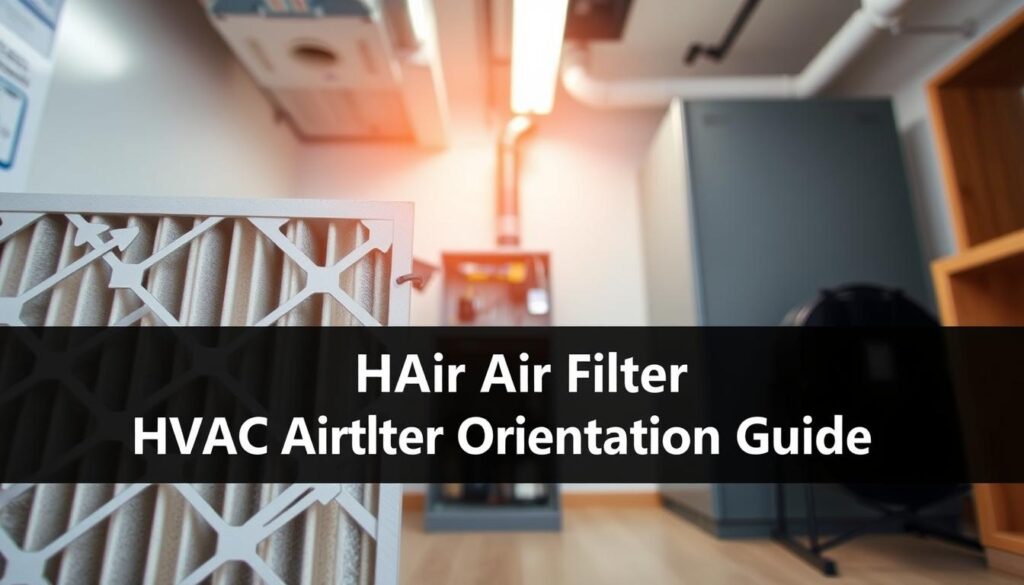
When you install an HVAC air filter, it’s key to notice the arrow direction. The arrow on the filter is not just a random mark. It’s a vital guide for the right installation.
Air filters have a special airflow pattern. The arrow on the filter shows the air’s correct flow direction. Always insert the filter into the opening with the arrow pointing toward the blower motor. This helps your system work best and filter air well.
- Look for an arrow printed on the filter’s frame
- Ensure the arrow points toward the blower motor
- Check the arrow’s direction before installation
Putting the filter in the wrong way can cause big issues. If the filter is installed the wrong way, your HVAC system has to work harder. This means:
- More energy use
- Less air filtration
- Possible damage to your HVAC system
Pro tip: Take a quick photo of the old filter’s orientation before removing it. This simple step can help you remember the correct arrow direction when installing a new filter. Remember, the golden rule: arrows always point where the air is going.
A few seconds of careful placement can save you energy and protect your HVAC system’s performance.
When to Replace Your HVAC Filter Throughout the Year
Keeping your HVAC system’s air filter clean is key for good performance and air quality. Most say to change filters every 90 days. But, how often you really need to depends on your home and life.
Key Factors Influencing Filter Replacement
To know when to change your air filter, think about a few things:
- Pet Ownership: If you have pets, you might need to change filters every 60 days because of pet hair and dander.
- Health Conditions: If allergies or breathing problems are a big deal in your home, change filters more often, like every 30-60 days.
- Environmental Location: Places with lots of dust or pollution need filters changed more often.
- Home Size and System Usage: Bigger homes or systems that run a lot more often get dirty faster.
Seasonal Replacement Considerations
Each season brings its own challenges for your HVAC. Changing filters at the start of each season helps keep air quality and system efficiency up. Spring and fall are extra important because of pollen and allergens.
Here are some tips:
- Look at filters every month to see if they need changing.
- Use your phone to remind you when it’s time for a new filter.
- Have extra filters ready to go.
- Change how often you replace filters based on your home’s needs.
By keeping these tips in mind, you can make sure your HVAC system works well and keeps the air clean all year.
Explore Our HVAC Shop
Looking for top-rated HVAC tools, parts, and accessories? Visit our shop and find the perfect solution for your needs.
Visit the ShopCommon Mistakes to Avoid When Changing HVAC Filters
Changing your HVAC air filter might seem easy, but many mistakes can hurt your system. Knowing these errors can save you money and keep your heating and cooling working well.
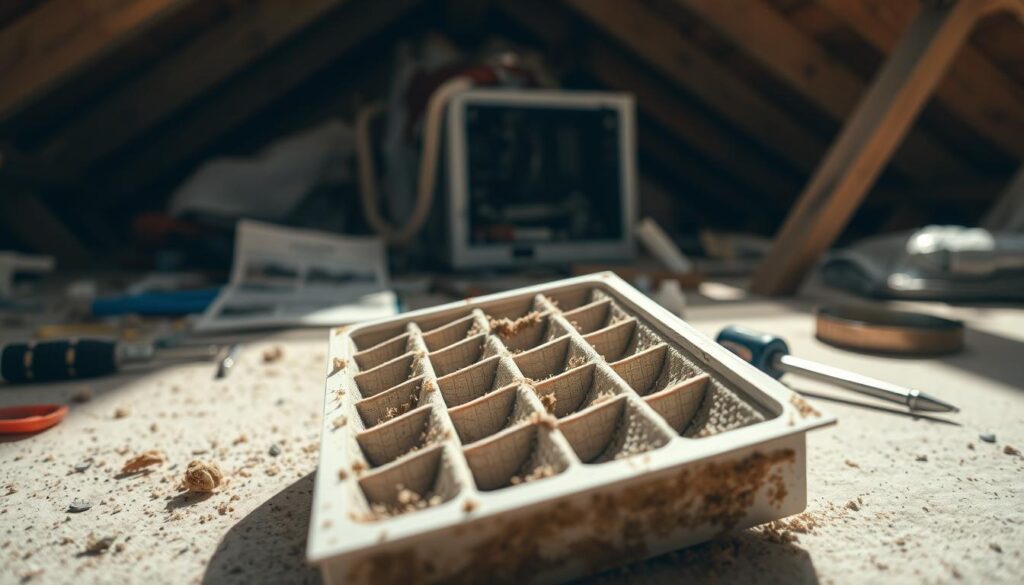
Homeowners often make mistakes when putting in an HVAC air filter. If the filter is installed the wrong way, it makes the system work harder and use more energy.
- Incorrect Filter Orientation: Always check the arrow direction before installation. The arrow should point toward the blower motor to ensure proper airflow.
- Wrong Filter Size: Measure your filter slot carefully. Filters that are too small or too large can create gaps or prevent proper installation.
- Inappropriate MERV Rating: Select a filter that matches your system’s specifications to maintain optimal airflow and filtration.
Other mistakes include:
- Forgetting to remove packaging materials before installation
- Operating the system without a filter
- Neglecting to clean the filter area before replacing
- Waiting too long between filter changes
“A clean filter is the heart of an efficient HVAC system.” – HVAC Maintenance Professionals
| Mistake | Potential Consequence | Prevention |
|---|---|---|
| Backward Filter Installation | Increased Energy Consumption | Check Arrow Direction |
| Incorrect Filter Size | System Inefficiency | Measure Filter Slot |
| Ignoring Filter Condition | Reduced Air Quality | Monthly Inspection |
By avoiding these common mistakes, your HVAC system will run better. It will keep the air clean and might last longer. Regular maintenance and careful filter installation are essential for the best performance.
Maintaining Your HVAC System Beyond Filter Changes
Regular filter changes are just the start of taking care of your HVAC system. Your heating and cooling system needs ongoing care to work well, save energy, and last longer.
Getting professional maintenance is key to a smooth-running HVAC system. Regular tune-ups can stop sudden breakdowns and make your system last longer.
Essential Seasonal Maintenance Tasks
- Schedule professional HVAC inspections in spring and fall
- Clean outdoor unit and maintain 2-3 feet of clearance
- Vacuum supply and return vents
- Check thermostat functionality
- Inspect ductwork for leaks and dust accumulation
Key Maintenance Areas to Focus On
Your home’s comfort depends on good HVAC care. Important areas to focus on include:
- Outdoor Unit Care: Remove debris, gently clean condenser coils
- Indoor Ventilation: Keep vents unobstructed and clean
- Thermostat Management: Replace batteries, verify accuracy
- Drainage Maintenance: Flush condensate lines annually
An American Home Shield® home warranty offers extra peace of mind. It includes HVAC tune-ups and covers repair costs. Regular filter changes and thorough maintenance boost your system’s efficiency and reliability.
Watch for signs like odd noises, uneven temperatures, or high energy bills. These might mean your system needs professional help. Having a trusted local HVAC technician ensures your system stays in top shape all year.
Conclusion
Keeping your home’s HVAC system running well starts with air filters. Use the Filtrete™ Smart App to track your filter’s life. This way, you can replace it on time and keep your system working great.
Changing filters regularly is key to avoiding expensive repairs. The right filter size and type are vital for good airflow. Make sure to install filters correctly to avoid any issues.
Setting up reminders on your phone or using filter subscription services can help. Many companies offer these services to make maintenance easier. By focusing on filter changes, you’re making your home more comfortable and saving money in the long run.
But remember, filter care is just part of the job. Don’t forget to get your HVAC system checked by professionals twice a year. This will keep your system running smoothly, improve air quality, and give you peace of mind.