Affiliate Disclosure
HVAC Guide Guys is a participant in the Amazon Services LLC Associates Program, an affiliate advertising program designed to provide a means for sites to earn advertising fees by advertising and linking to Amazon.
Is the air you breathe at home secretly poisoning your health? Black mold in your HVAC system could be silently spreading toxic spores. This puts your family’s well-being at risk.
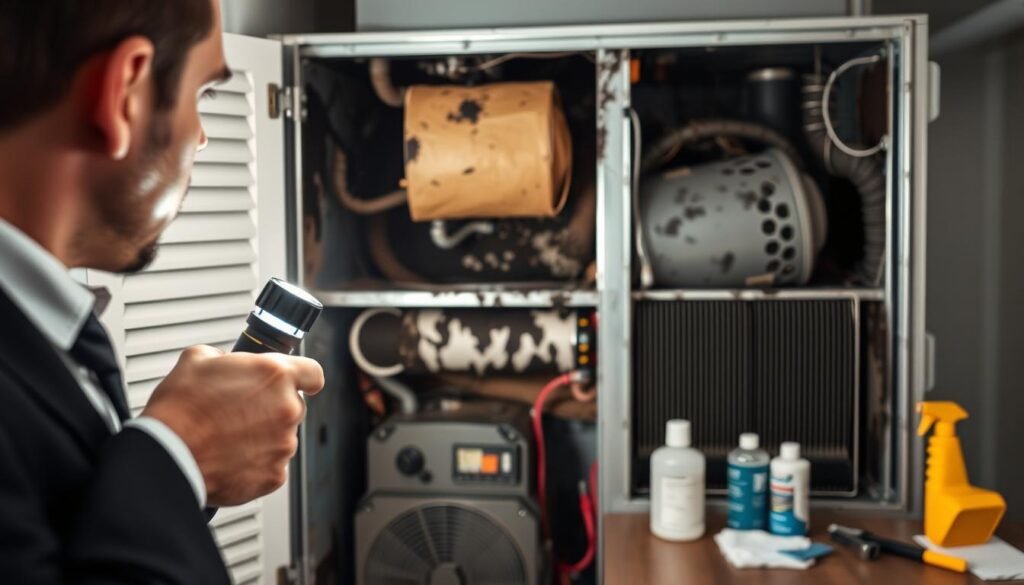
Discovering black mold in your home’s heating and cooling system is more than just an inconvenience. It’s a serious health hazard that demands immediate attention. Black mold removal in HVAC systems requires careful strategy and precise execution. This is to protect your indoor air quality and prevent respiratory complications.
The good news is that learning how to get rid of black mold in HVAC systems isn’t overwhelming. With the right approach, you can effectively eliminate this dangerous intruder. You can restore your home’s air to a safe, clean state.
Key Takeaways
- Black mold in HVAC systems can cause serious health risks
- Professional remediation might cost up to $10,000
- DIY methods can be effective for smaller mold problems
- Prompt action prevents widespread mold contamination
- Regular HVAC maintenance helps prevent mold growth
Table of Contents
Understanding Black Mold in Your HVAC System
Black mold in your HVAC system is a serious health hazard. It can silently spread throughout your home. This toxic mold in HVAC systems creates an invisible threat. It can compromise your family’s well-being and indoor air quality.
What is Black Mold and Its Dangers
Stachybotrys chartarum, commonly known as black mold, is a dangerous fungus. It has a dark greenish-black appearance. This toxic mold thrives in damp, humid environments within your air conditioning system.
The health risks of HVAC mold are significant. They can impact your respiratory system and overall health.
- Appears dark green or black in color
- Grows in moisture-rich environments
- Produces harmful airborne spores
Common Causes of Mold Growth in Air Conditioning Units
Understanding the root causes of mold development can help you prevent its spread. Several factors contribute to toxic mold in HVAC systems:
| Cause | Risk Factor |
|---|---|
| Dirty Air Filters | Trap moisture and restrict airflow |
| High Indoor Humidity | Creates ideal mold breeding conditions |
| Water Leaks | Provide constant moisture source |
| Poor Ventilation | Prevents proper air circulation |
Health Risks Associated with HVAC Mold Exposure
Exposure to black mold can trigger severe health complications. People with weakened immune systems face the highest risks. Potential health impacts include:
- Respiratory issues
- Allergic reactions
- Asthma attacks
- Neurological symptoms
- Skin irritations
Protecting your home from black mold requires understanding its characteristics, causes, and health risks. Regular HVAC maintenance and prompt attention to moisture problems are key. They help prevent mold growth.
Explore Our HVAC Shop
Looking for top-rated HVAC tools, parts, and accessories? Visit our shop and find the perfect solution for your needs.
Visit the ShopRecognizing the Warning Signs of Mold in Your Air Ducts
Finding mold in your HVAC system early can prevent costly repairs and health issues. Your home might show signs of mold in your air ducts without you noticing.
Watch for these key signs that mold might be in your cooling system:
- Visible mold patches in black, brown, or green colors on vents or ductwork
- Persistent musty odors when your air conditioning runs
- Unexpectedly high energy bills
- Weak or inconsistent airflow from vents
- Excessive condensation around your HVAC unit
- Warped or discolored ductwork
Your body might also give you clues. Notice allergy-like symptoms like sneezing, coughing, or watery eyes when your AC is on. These could mean mold spores are in the air.
When inspecting, check for moisture-prone spots:
- Evaporator coils
- Condensation pan
- Drain line
- Blower compartment
- Air filters
- Interior ductwork
Pro tip: Use a bright flashlight and trust your sense of smell. Mold often hides in dark, damp places. A careful look and sniff can help catch problems early.
Essential Safety Precautions Before Starting Mold Removal
Removing mold from your HVAC system needs careful planning and safety steps. It’s not just about getting rid of visible mold. It’s also about keeping yourself safe from health risks.
Before starting mold removal, knowing the right safety steps is key. Your health depends on these precautions.
Protective Equipment Essentials
The Environmental Protection Agency suggests certain safety gear for mold removal:
- Heavy-duty rubber gloves to prevent skin contact with mold and cleaning solutions
- Sealed safety goggles that protect your entire eye area
- N-95 respirator mask or professional-grade respirator
- Disposable protective clothing or coveralls
- Shoe covers to prevent spreading spores
“Always prioritize your personal safety when dealing with mold contamination.” – EPA Mold Remediation Guidelines
When Professional Help Becomes Necessary
Some mold jobs need professional help. Call experts when:
- Mold coverage exceeds 10 square feet
- Mold repeatedly returns after cleaning
- Mold is located in hard-to-reach HVAC system areas
- Household members have compromised immune systems
- You’re uncertain about proper removal techniques
Professional remediation might cost between $3,000 and $10,000. But it ensures mold is fully removed and keeps you safe.
How to Get Rid of Black Mold in HVAC System
Removing black mold from your HVAC system needs a careful plan. It’s important to follow safety steps to keep you safe and make your system work better.
- Safety First: Turn off your whole HVAC system. For window units, unplug them. For central systems, switch off the circuit breaker to avoid electrical dangers during mold removal.
- Remove and Inspect Components:
- Take out filters and parts you can reach
- Look for mold
- Put moldy parts in plastic bags for safe disposal
- Preliminary Cleaning: Use a vacuum with a HEPA filter to get rid of dust and dirt from the system.
Choosing the right cleaning solution is key for effective mold removal. The EPA suggests using mild dish soap instead of strong chemicals. If you must use bleach, mix 1 cup of bleach with a gallon of water.
- Apply Cleaning Solution:
- Soak a clean cloth in the solution
- Wipe down the inside surfaces carefully
- Don’t touch electrical parts
- Let the solution sit for 20 minutes to kill the mold well.
- Rinse with clean water to make sure no solution is left.
- Let everything dry completely – this might take up to 24 hours before putting things back together.
*Pro Tip*: Be patient when removing mold from your HVAC system. Rushing the drying can bring back moisture and cause more mold.
Make sure everything is dry to stop mold from coming back. If the mold is too much, get a professional to remove it all.
Cleaning and Sanitizing Your Air Ducts and Vents
To keep your air ducts clean, you need a solid plan to get rid of mold. Your HVAC system is key to keeping your air clean and your home safe from mold.
Best Cleaning Solutions for Mold Removal
Choosing the right cleaner is important for air duct mold. The Environmental Protection Agency suggests a few good options:
- Mild Dish Detergent Solution: Safe and gentle for most mold situations
- Vinegar and Water Mixture: Natural solution that kills mold spores
- Bleach Solution: Powerful for stubborn mold infestations
- Baking Soda Paste: Helps remove mold and prevent future growth
Step-by-Step Air Duct Cleaning Process
Here’s a detailed guide for cleaning your air ducts:
- Dust vents with a soft cloth or brush
- Vacuum surrounding areas to remove debris
- Apply disinfectant designed for mold
- Scrub affected areas carefully
- Let the cleaning solution sit for the recommended time
- Rinse thoroughly
Don’t forget to clean areas that get wet often, like evaporator coils and drain lines. If mold is really bad, you might need to replace some vents for a complete clean.
Pro Tip: Regular maintenance is key to preventing mold growth in your HVAC system.
Explore Our HVAC Shop
Looking for top-rated HVAC tools, parts, and accessories? Visit our shop and find the perfect solution for your needs.
Visit the ShopAddressing Moisture Problems to Prevent Mold Return
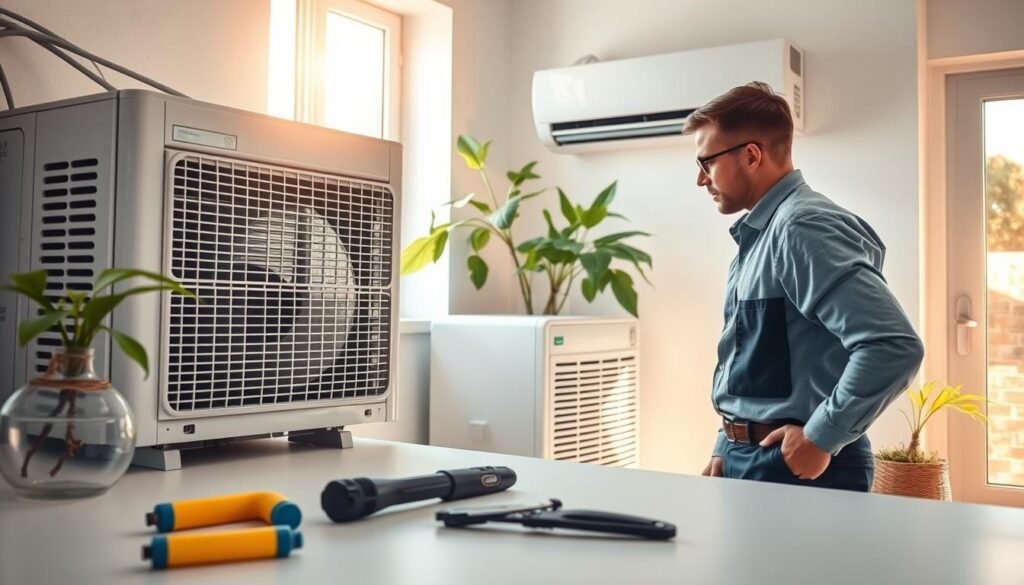
Stopping mold in air conditioning systems starts with controlling moisture. Moisture is the main cause of mold coming back. So, it’s key to fix the conditions that let mold grow.
To stop mold in your HVAC, you must tackle moisture from different sides:
- Fix water leaks right away
- Keep indoor humidity under 50%
- Boost home ventilation
- Put in dehumidifiers in key spots
- Check if your AC is the right size and works well
Your HVAC system’s moisture control depends on a few important things. Getting the AC unit size right is key to stopping mold. A unit that’s too small can’t move air well. A unit that’s too big cools too fast and doesn’t remove enough moisture.
| Moisture Source | Prevention Strategy |
|---|---|
| Indoor Humidity | Use dehumidifiers, keep it below 50% |
| Water Leaks | Check and fix pipes, seal where water can get in |
| Poor Ventilation | Get better air flow, use exhaust fans |
“Control the moisture, and you control the mold” – HVAC Maintenance Expert
Watch out for hidden moisture sources like:
- Houseplants that get too much water
- Drainage problems in the foundation
- Unsealed windows and doors
- Clogged AC drain lines
By using these moisture control methods, you’ll make a place where mold can’t grow. And you’ll keep your air conditioning system safe from mold.
Professional HVAC Mold Remediation Services
Mold in your HVAC system is tough to handle and can be dangerous. Professional mold remediation services can help keep your home’s air clean and your family safe.
When mold spreads deep in your HVAC, you need experts. They use special tools and methods that DIY can’t match.
What to Expect from Professional Cleaning
Professional HVAC mold remediation is a detailed process. It ensures your system is clean and safe:
- They inspect your system with special tools.
- They use methods to stop mold spores from spreading.
- They use powerful HEPA vacuums to remove tiny spores.
- They apply strong treatments to kill mold.
- They test your system after cleaning to make sure it’s clean.
Cost Comparison: DIY vs Professional Services
Knowing the costs of mold removal helps you decide:
| Approach | Typical Costs | Effectiveness |
|---|---|---|
| DIY Removal | $50 – $100 | Limited, high risk of incomplete removal |
| Professional Remediation | $3,000 – $10,000 | Comprehensive, guaranteed solution |
Pro tip: Getting your ducts cleaned by pros every year can stop mold before it starts and save you money on big repairs.
“Investing in professional mold remediation is investing in your home’s health and your family’s well-being.” – HVAC Health Experts
Even though it costs more, professional services offer peace of mind. They clean thoroughly, diagnose problems, and prevent future mold. This keeps your HVAC system and air quality safe.
Explore Our HVAC Shop
Looking for top-rated HVAC tools, parts, and accessories? Visit our shop and find the perfect solution for your needs.
Visit the ShopLong-Term Prevention Strategies for a Mold-Free HVAC System
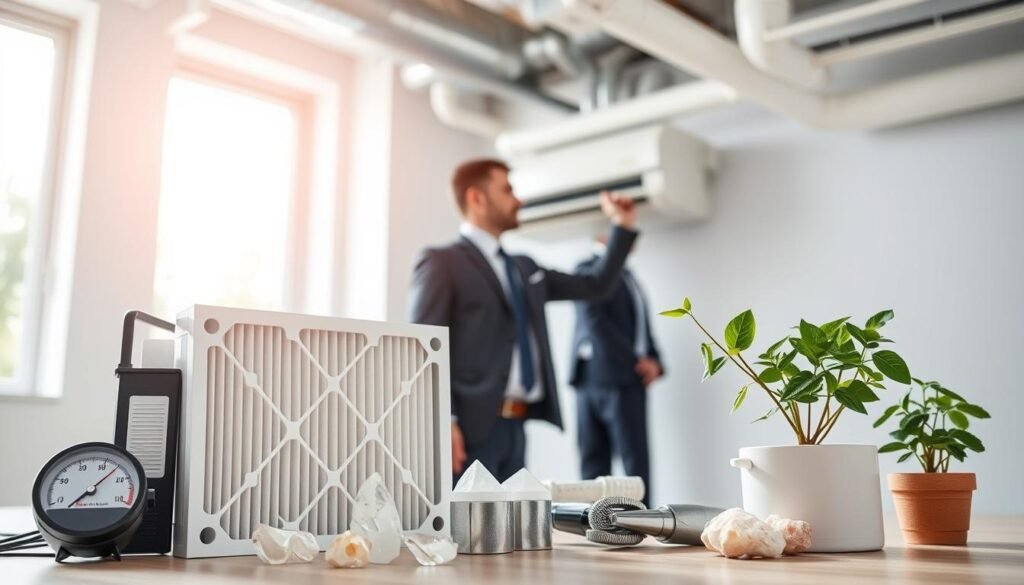
To keep your HVAC system mold-free, you need to act early. Your aim is to make it hard for mold to grow. By using the right maintenance and prevention methods, you can keep your home’s air clean and your system running well.
Begin with air filters, your first defense against mold. These filters must be checked and changed often. Here are some important steps to follow:
- Replace or clean filters every 1-3 months
- Maintain indoor humidity below 50%
- Ensure proper system ventilation
- Clear debris around AC units
- Check for water leaks regularly
Don’t forget about vacation maintenance. Instead of shutting off your HVAC, set the thermostat to 85 degrees. This keeps the system running a bit, which stops humidity from building up.
| Prevention Strategy | Frequency | Impact |
|---|---|---|
| Filter Replacement | Every 2 months | Reduces mold spore accumulation |
| Humidity Control | Continuous | Prevents moisture-rich environments |
| Professional Inspection | Annually | Identifies possible mold risks |
Getting your HVAC serviced by a pro adds extra protection. A skilled technician can spot mold risks early. Adding an air purifier can also help, by removing mold spores and improving air quality.
Regular maintenance is key to stopping mold in your HVAC. By sticking to these habits, you’ll keep your system working great and your family healthy.
Maintaining Your HVAC System for Optimal Air Quality
Keeping your HVAC system in good shape is key for healthy indoor air and stopping mold. Regular maintenance can save you money and keep your home’s air clean.
Regular maintenance does more than just fix problems. It creates a steady environment that stops mold early. Your HVAC system needs careful care to work its best.
Creating a Maintenance Calendar
Having a set maintenance schedule keeps you ahead of problems. Here’s a suggested plan for keeping your HVAC system in great shape:
- Monthly: Check vents and air registers
- Every 1-3 months: Swap out air filters
- Quarterly: Look over condensation pans and drain lines
- Annually: Get a full system check from a pro
Filter Replacement Strategies
Picking the right air filter is key for clean air. Think about these points when picking and changing filters:
| Filter Type | MERV Rating | Recommended Use |
|---|---|---|
| Disposable Fiberglass | 1-4 | Basic protection, low cost |
| Pleated Filters | 5-13 | Better at catching particles |
| HEPA Filters | 17-20 | Best for allergy sufferers |
Pro tip: Always check your system’s manufacturer recommendations for specific filter needs. Right filter care eases your HVAC system’s work and boosts air quality.
By sticking to these tips, you’ll fight mold growth well and keep your HVAC system running smoothly for many years.
Conclusion
It’s very important to deal with black mold in your HVAC system. This keeps your home healthy. You’ve learned how to find, remove, and stop mold in your air conditioning.
Acting fast is key. You can either hire a professional or clean it up yourself. Mold grows fast and can harm your health and damage your home.
Preventing mold is the best way. Keep your HVAC system clean by changing filters, controlling humidity, and getting yearly checks. This way, you protect your family and your air conditioner.
Your home’s air quality affects your health. Now you know how to handle mold risks. You can make your home safer and cleaner for everyone.