
Affiliate Disclosure
HVAC Guide Guys is a participant in the Amazon Services LLC Associates Program, an affiliate advertising program designed to provide a means for sites to earn advertising fees by advertising and linking to Amazon.
Are you tired of feeling like you’re living in a desert inside your own home? What if the key to ultimate home comfort was hiding right in your HVAC system?
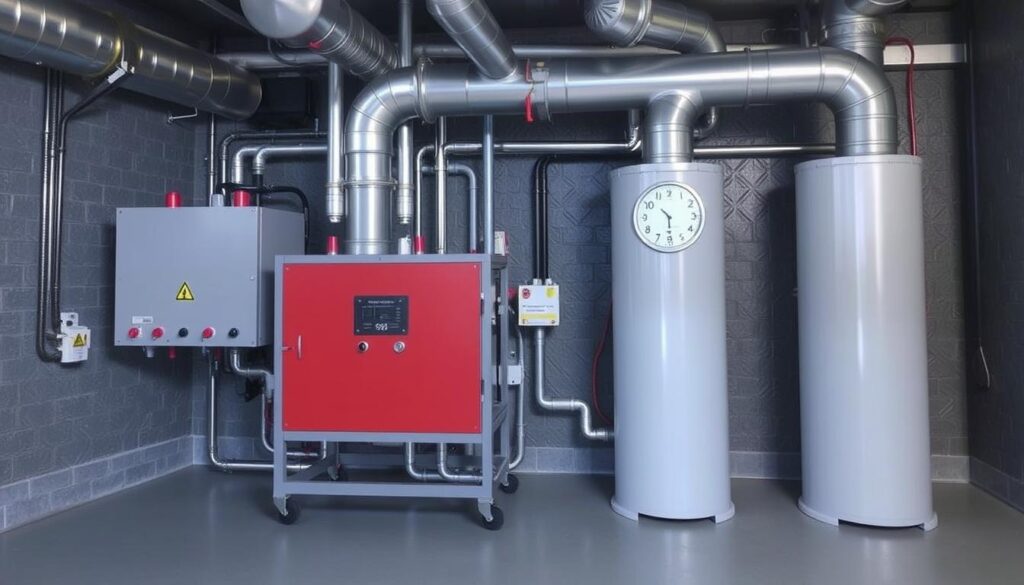
Dry air can wreak havoc on your health, comfort, and home environment. Indoor air humidity is key to a comfortable and healthy living space. Learning how to manage and increase humidity through your HVAC system can change your home’s atmosphere.
This guide will cover everything about humidity control. You’ll learn about relative humidity and practical ways to improve your indoor air quality.
Key Takeaways
- Learn how humidity impacts home comfort and health
- Discover multiple methods to increase HVAC system humidity
- Understand optimal indoor humidity levels
- Explore different humidification system options
- Identify signs of insufficient indoor humidity
Table of Contents
Understanding Humidity Control in HVAC Systems
Indoor air quality is key to home comfort and health. Learning about humidity control helps create a healthier living space. It protects your well-being and your home’s structure.
What Is Relative Humidity and Why It Matters
Relative humidity shows how much moisture is in the air compared to its capacity at a certain temperature. Studies reveal that harmful elements like bacteria and viruses grow more as humidity goes up. Your home needs a balance to stay healthy.
- Ideal relative humidity ranges between 30-50%
- Below 30% can cause dry skin and respiratory issues
- Above 60% may promote mold and bacterial growth
The Health and Comfort Impact of Low Indoor Humidity
Low indoor humidity can make your home uncomfortable and unhealthy. Trane says controlling humidity is key for a healthy home. Dry air can lead to:
- Increased respiratory problems
- Skin irritation
- Static electricity
- Damage to wooden furniture
Maintaining proper humidity isn’t just about comfort—it’s about creating a healthy living space.
Optimal Indoor Humidity Levels for Your Home
The right indoor humidity balance is important for health and comfort. Different seasons and climates need different humidity strategies. It’s important to control humidity precisely.
Pro tip: Use a hygrometer to monitor your home’s humidity levels and adjust as needed.
How HVAC Systems Affect Indoor Humidity Levels
Your HVAC system is key to keeping indoor humidity in check. It’s designed to handle peak cooling needs. Thermostats adjust to match your space’s cooling needs.
Knowing how your HVAC affects humidity is important. When cooling needs drop, so does the system’s ability to remove moisture. This can lead to higher humidity indoors, even when it’s not fully working.
- Standard packaged unitary air conditioners typically operate at 350-400 cfm/ton ratios
- High-occupancy spaces in humid climates may require 200-250 cfm/ton for adequate dehumidification
- Cooling efficiency directly impacts moisture removal
“The key to effective humidity control lies in understanding your HVAC system’s performance characteristics.”
Different HVAC setups affect indoor moisture levels differently. Proper system design and airflow management are vital for comfort. Things like air handler efficiency and refrigerant charge matter a lot.
Understanding these details helps you improve your home’s air quality. Knowing how your HVAC handles humidity lets you optimize its performance.
Types of Humidification Systems for HVAC
Choosing the right humidifier can make your home’s air better and more comfortable. There are many humidifier options to manage moisture in your HVAC system.
Today’s HVAC humidification systems use advanced technologies. They help control humidity levels indoors. DDC-controlled systems offer advanced options for managing moisture.
Whole House Humidifier Options
Homeowners have many choices for humidifiers:
- Dry-steam humidifiers for even moisture
- Electric pan humidifiers with binary output controls
- Electronic humidifiers using 0-10 VDC or 4-20 mA input signals
Furnace-Mounted Humidifiers
Furnace-mounted units work with your heating system for easy humidity control. They need spring return actuators to stop duct flooding during power outages.
Bypass vs Flow-Through Humidifiers
There are two main types of humidifiers for homes:
- Bypass Humidifiers: Air goes through a water panel
- Flow-Through Humidifiers: Water flows over an evaporation panel
“Proper humidity control is not just about comfort, but also about protecting your home and health.” – HVAC Professionals
Each humidifier has its own benefits. You can pick the best one for your home and HVAC setup.
Explore Our HVAC Shop
Looking for top-rated HVAC tools, parts, and accessories? Visit our shop and find the perfect solution for your needs.
Visit the ShopHow to Increase Humidity in HVAC System
Managing indoor humidity is key to a comfortable home. A DDC controller uses a sensor to control devices and keep humidity levels right. This makes your home a healthier place to be.
There are several important steps to manage humidity:
- Ensure regular HVAC fan operation to distribute moisture
- Seal air leaks preventing moisture retention
- Install whole-house humidifiers for consistent humidity control
Your system works in a precise way to control humidity. When you need more humidity, the humidifier opens fully. As humidity rises, it adjusts to keep it just right.
| Home Size | Humidity Requirement | Gallons per Day |
|---|---|---|
| 2,500 sq ft | 35-45% RH | 12-17 gallons |
| 1,500 sq ft | 30-40% RH | 8-12 gallons |
Pro tip: Figure out your home’s humidity needs based on size, climate, and how tight it is. With the fan off, the system stops adding more moisture to avoid too much.
Professional HVAC techs can pick the best humidifier for your home. They make sure your home stays moist but not too moist all year.
Installing a Central HVAC Humidifier
Installing a central HVAC humidifier needs careful planning and precise steps. Your home’s comfort depends on the right system and correct installation. This process involves key steps that affect your indoor air quality and HVAC performance.
Choosing the Right Location in Your Duct System
Choosing the best spot for your humidifier is key for good humidity control. The return air humidity sensor should be in the return duct. This spot gives a good average of space conditions, ensuring accurate moisture measurement.
- Identify a clean, accessible section of your ductwork
- Ensure proper airflow around the humidifier
- Avoid areas with excessive dust or debris
Electrical and Water Supply Requirements
Right electrical and water connections are vital for your humidifier to work well. Valve actuators for steam humidifiers need spring return to close during power outages. This prevents duct flooding. The actuator should always have power, and the valve should close when the fan is off.
- Verify dedicated electrical circuit availability
- Check water line compatibility
- Install appropriate drain connections
Professional Installation vs DIY Considerations
While some might try DIY, professional installation is better. HVAC technicians know how to integrate systems for best performance. They can handle challenges and make your humidifier work efficiently.
Professional expertise can save you time, money, and prevent system damage in the long run.
Consider your skills, the system’s complexity, and long-term reliability. Talking to an HVAC pro can give you insights for your home.
Explore Our HVAC Shop
Looking for top-rated HVAC tools, parts, and accessories? Visit our shop and find the perfect solution for your needs.
Visit the ShopSteam Humidifiers and Electronic Humidification Options
Steam humidifiers are great for keeping your indoor air just right. They use new tech to add moisture, making your home or office feel better. This is a clean and smart way to control humidity.
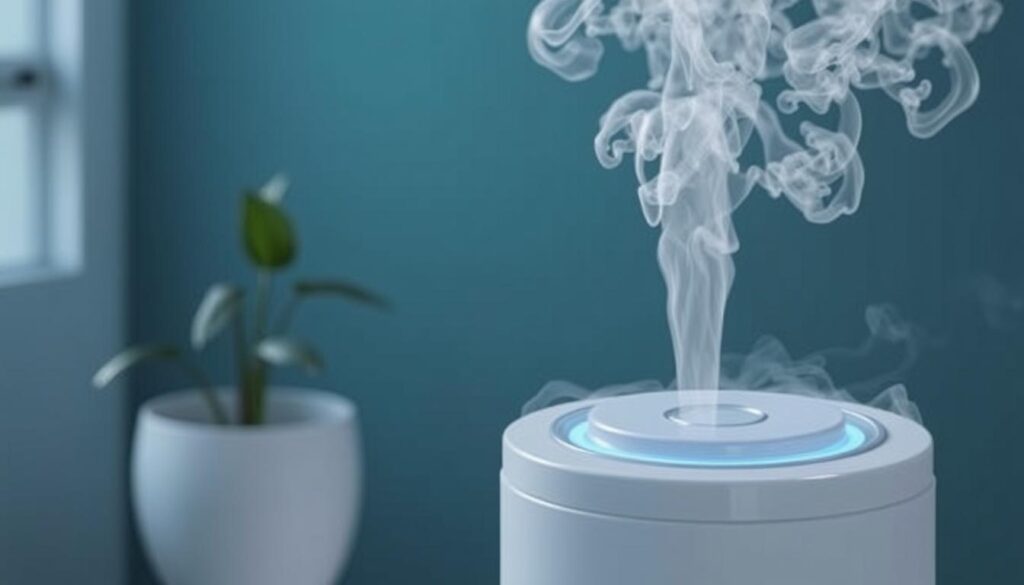
- Dry-steam humidifiers
- Electric pan humidifiers
- Electronic humidifiers compatible with DDC controllers
Electronic humidifiers are special because they work with signals from 0-10 VDC or 4-20 mA. This lets you control humidity exactly, no matter the weather. They also work well with digital controls, giving you lots of options.
There are two main types of steam humidifiers:
- Electrode steam humidifiers: Make heat by passing electricity through water
- Resistance steam humidifiers: Use heating elements like electric kettles
Dry-steam and electric pan humidifiers work with DCM and AHU controllers. They make moisture without bacteria, keeping your air clean. This is perfect for keeping your indoor air quality top-notch.
Advanced electronic controls enable automatic flushing cycles, diagnostic alerts, and smart home integration for complete humidity management.
Choosing the right steam humidifier can change your indoor space. It makes your home or office healthier and more comfy, with just the right amount of moisture.
Humidity Sensors and Control Integration
Understanding humidity control needs precise sensors and smart integration. The HE-6310 Humidity/Temperature Sensor is key for indoor air quality and comfort in HVAC systems.
Good humidity management needs smart sensor placement and control sequences. Your HVAC system’s performance depends on accurate measurement and quick control.
Return Air Humidity Sensor Placement
The return air sensor should be in the return duct for accurate space conditions. This spot ensures:
- Comprehensive space humidity monitoring
- Precise environmental assessment
- Efficient system response
Discharge Air Humidity High Limit Controls
A discharge air humidity sensor offers critical high limit control. It can override signals to:
- Close steam valves
- Disable electronic humidifiers
- Prevent excessive moisture buildup
DDC Control Sequences for Humidity Management
Digital Direct Control (DDC) systems manage humidity with advanced sensors. The HE-6310-1 and HE-6110-1 sensors offer various output options:
| Sensor Model | Voltage Output | Compatibility |
|---|---|---|
| HE-6310-1 | 0 to 5 VDC, 0 to 10 VDC | DCM and AHU Controllers |
| HE-6110-1 | 1 to 2 VDC | Requires External Power Supply |
The control sequence works smoothly: on full humidity call, the humidifier valve opens or electronic humidifier fully activates. As humidity increases, the system modulates closed. With the supply fan off, the steam valve closes or electronic humidifier turns off.
Explore Our HVAC Shop
Looking for top-rated HVAC tools, parts, and accessories? Visit our shop and find the perfect solution for your needs.
Visit the ShopWinter Humidity Management and Maintenance
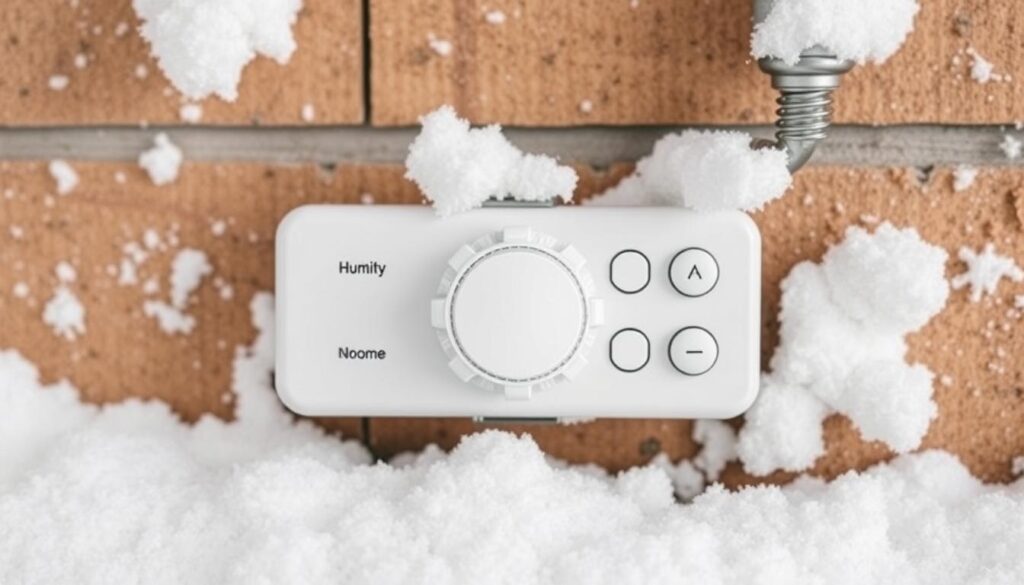
Winter brings unique challenges to indoor humidity management. As temperatures drop, you’ll need to adjust your home’s humidity levels. This prevents moisture-related issues. Keeping humidity levels right protects your home and makes it comfortable.
Your winter humidity strategy should prevent condensation and moisture buildup. Spring return valve actuators are key in this. They ensure steam humidifier valves close automatically during power outages, stopping duct flooding.
- Recommended Humidity Levels by Temperature:
- Above 20°F: 35-40% Relative Humidity (RH)
- 10-20°F: 30-35% RH
- Below 10°F: 25-30% RH
Proper maintenance is essential for winter humidity control. Your HVAC system needs special care during heating seasons. This keeps it efficient and prevents damage.
| Maintenance Task | Frequency | Purpose |
|---|---|---|
| Replace Evaporative Pads | Monthly | Prevent Mineral Buildup |
| Check Water Supply Lines | Quarterly | Detect Leaks/Deposits |
| Clean Steam Humidifier | Every 2-4 weeks | Remove Mineral Accumulation |
For steam humidifiers, make sure spring return valve actuators work right. These devices ensure valves close when the system blower stops. This prevents uncontrolled moisture in your ductwork.
By using these winter humidity management strategies, you’ll protect your home from moisture damage. You’ll also keep your indoor environment comfortable.
Troubleshooting Common Humidity Issues in HVAC Systems
Keeping the right humidity in your HVAC system can be tough. Homeowners often face issues that affect comfort and system performance. Knowing these problems helps you fix them well.
Calculating humidity needs careful look at dry and wet bulb temperatures. Report H254 from Engineering Reports gives tips on dew point measurement. This helps spot humidity control issues.
Addressing Insufficient Humidification Output
When your HVAC system can’t keep humidity right, several things might be wrong:
- Check power and water supply connections
- Inspect humidifier media for mineral buildup
- Verify humidity sensor accuracy
- Ensure proper blower operation
Causes of low humidity include:
- Undersized humidifier capacity
- Air leakage in building envelope
- Ductwork distribution problems
- Incorrect humidistat settings
Preventing Condensation and Moisture Problems
Too much humidity inside can cause big problems. Look out for these signs:
| Problem Area | Warning Signs |
|---|---|
| Windows | Condensation on interior surfaces |
| Walls/Ceilings | Water stains near exterior corners |
| Indoor Air | Musty odors indicating mold growth |
Sensible-cooling load changes with outdoor weather. When it’s cool but humid, latent-cooling load matters a lot. Regular equipment might not keep humidity just right.
To avoid moisture issues, try these steps:
- Install discharge air high-limit humidity controls
- Use outdoor temperature compensation
- Improve building envelope vapor barriers
- Ensure proper ventilation
Getting moisture right needs knowing your building and weather. Good humidity control keeps your home comfy and safe.
Conclusion
Keeping indoor humidity between 30-50% RH is key for your home’s comfort and health. Your HVAC system is vital in managing moisture levels. It affects indoor air quality, with heating and cooling systems playing a big role.
Choosing the right humidification technology can make your home more comfortable. Unlike portable units, whole house humidification systems ensure even moisture distribution. This improves air quality, lowers heating costs, and protects your wood furnishings and home’s structure.
Getting a professional HVAC humidification system needs careful thought. Check your home’s humidity levels and HVAC setup. Look into different humidification options, from simple to advanced systems with electronic controls.
Proper installation, sensor placement, and control integration are essential for the best results. For top performance, talk to qualified HVAC experts. They can help with system selection, installation, and maintenance.
Your effort in managing indoor humidity will greatly benefit your comfort, health, and home. It’s an investment that will last for many years.
FAQ
What is the ideal indoor humidity level for my home?
How can I tell if my home’s humidity is too low?
What types of humidifiers work best with HVAC systems?
Can low humidity affect my health?
How much does a whole house humidifier cost?
What is the ideal indoor humidity level for my home?
How can I tell if my home’s humidity is too low?
What types of humidifiers work best with HVAC systems?
Can low humidity affect my health?
How much does a whole house humidifier cost?
FAQ
What is the ideal indoor humidity level for my home?
The best humidity level inside your home is between 30% to 50%. In winter, aim for 30-40%. Summer months should see levels between 40-50%. This balance keeps you comfortable and prevents moisture problems.
How can I tell if my home’s humidity is too low?
Low humidity shows up as static electricity, dry skin, and breathing troubles. Wood furniture might crack, and you might feel static shocks. A hygrometer is the best tool to check humidity levels.
What types of humidifiers work best with HVAC systems?
The best humidifiers for your HVAC system are whole house models. Bypass and flow-through humidifiers connect to your furnace. Steam humidifiers offer more precise control over moisture.
Can low humidity affect my health?
Yes, low humidity can lead to respiratory problems, dry skin, and make you more prone to colds. It can also worsen allergies and conditions like asthma and eczema. Keeping humidity right is key to better health and comfort.
How much does a whole house humidifier cost?
Prices for whole house humidifiers range from 0 to
FAQ
What is the ideal indoor humidity level for my home?
The best humidity level inside your home is between 30% to 50%. In winter, aim for 30-40%. Summer months should see levels between 40-50%. This balance keeps you comfortable and prevents moisture problems.
How can I tell if my home’s humidity is too low?
Low humidity shows up as static electricity, dry skin, and breathing troubles. Wood furniture might crack, and you might feel static shocks. A hygrometer is the best tool to check humidity levels.
What types of humidifiers work best with HVAC systems?
The best humidifiers for your HVAC system are whole house models. Bypass and flow-through humidifiers connect to your furnace. Steam humidifiers offer more precise control over moisture.
Can low humidity affect my health?
Yes, low humidity can lead to respiratory problems, dry skin, and make you more prone to colds. It can also worsen allergies and conditions like asthma and eczema. Keeping humidity right is key to better health and comfort.
How much does a whole house humidifier cost?
Prices for whole house humidifiers range from $200 to $1,500. This depends on the type, brand, and installation complexity. Adding professional installation can cost $300 to $700 more. Energy-efficient models might cost more upfront but save money in the long run.
How often should I maintain my HVAC humidifier?
You should maintain your HVAC humidifier every year. This includes cleaning the water panel, checking water lines, and inspecting electrical connections. Replace the water panel or filter every 6-12 months. Regular upkeep keeps your system running well and prevents problems.
Are there alternatives to traditional HVAC humidifiers?
Yes, there are other options like portable room humidifiers and smart humidifiers with Wi-Fi. But, whole house humidifiers are the most effective for keeping humidity balanced throughout your home.
Can high humidity be as problematic as low humidity?
Absolutely. High humidity (over 60%) can cause mold, dust mites, and allergens. It can also damage your home’s structure and lower air quality. Keeping humidity balanced is essential for a healthy home.
Do humidity control systems work in all climates?
Yes, humidity control systems work in all climates. In dry areas, they add moisture. In humid climates, they help manage moisture. HVAC experts can suggest the right system for your climate and home.
How long does a whole house humidifier installation take?
Installation usually takes 2-4 hours. It depends on your HVAC system, the humidifier type, and ductwork needs. Some systems might need a bit more time to install.
,500. This depends on the type, brand, and installation complexity. Adding professional installation can cost 0 to 0 more. Energy-efficient models might cost more upfront but save money in the long run.
How often should I maintain my HVAC humidifier?
You should maintain your HVAC humidifier every year. This includes cleaning the water panel, checking water lines, and inspecting electrical connections. Replace the water panel or filter every 6-12 months. Regular upkeep keeps your system running well and prevents problems.
Are there alternatives to traditional HVAC humidifiers?
Yes, there are other options like portable room humidifiers and smart humidifiers with Wi-Fi. But, whole house humidifiers are the most effective for keeping humidity balanced throughout your home.
Can high humidity be as problematic as low humidity?
Absolutely. High humidity (over 60%) can cause mold, dust mites, and allergens. It can also damage your home’s structure and lower air quality. Keeping humidity balanced is essential for a healthy home.
Do humidity control systems work in all climates?
Yes, humidity control systems work in all climates. In dry areas, they add moisture. In humid climates, they help manage moisture. HVAC experts can suggest the right system for your climate and home.
How long does a whole house humidifier installation take?
Installation usually takes 2-4 hours. It depends on your HVAC system, the humidifier type, and ductwork needs. Some systems might need a bit more time to install.