Affiliate Disclosure
HVAC Guide Guys is a participant in the Amazon Services LLC Associates Program, an affiliate advertising program designed to provide a means for sites to earn advertising fees by advertising and linking to Amazon.
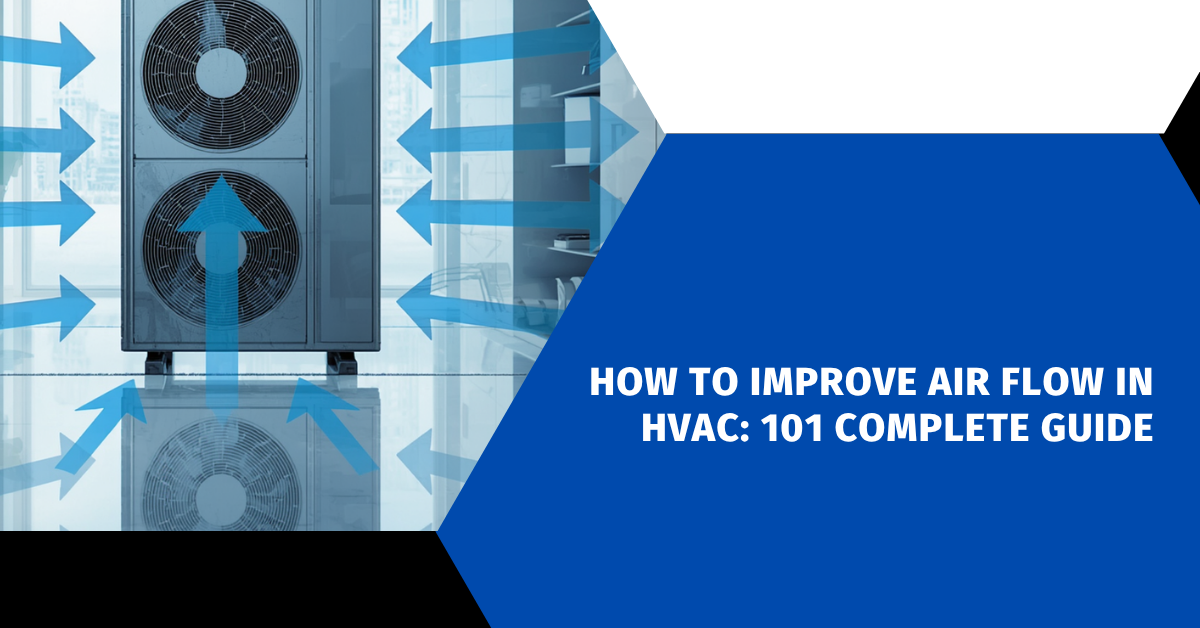
Ever noticed how some rooms feel stuffy while others are comfy? It’s all about your HVAC system’s airflow. These systems are like your home’s lungs, always moving air to keep things cozy and the air fresh.
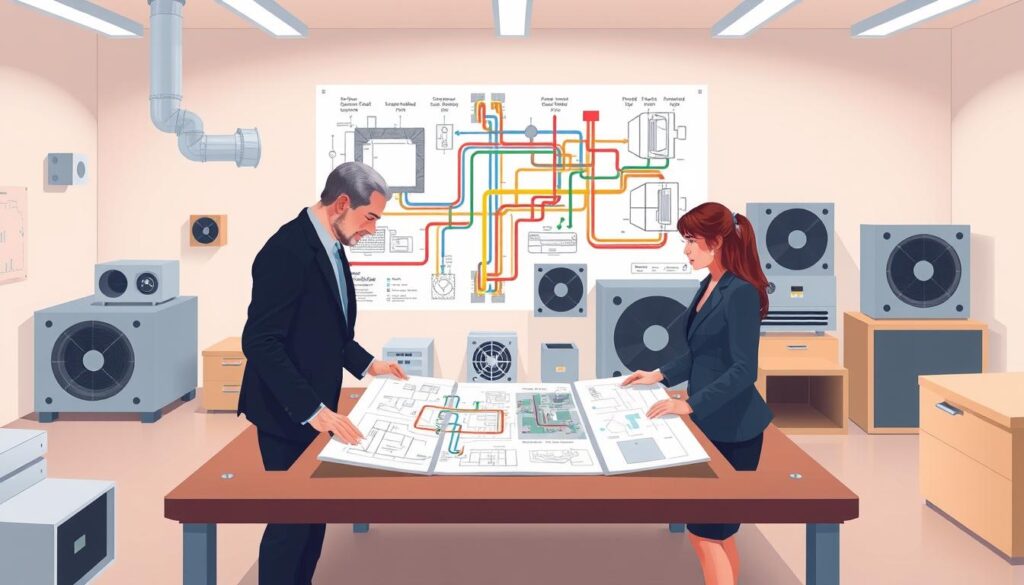
Good airflow is key to a healthy home. Your comfort relies on even air pressure, balanced air flow, and clean air. Without it, you might face uneven temperatures, higher bills, and health issues.
This guide will cover everything about making your HVAC system work better. You’ll learn about its parts, how to improve airflow, and more. Get ready to make your home’s air flow better.
Key Takeaways
- Proper airflow is essential for home comfort and energy efficiency
- HVAC systems require regular maintenance for optimal performance
- Clean filters and clear vents significantly improve air circulation
- Understanding your system helps prevent costly repairs
- Professional maintenance can extend your HVAC system’s lifespan
Table of Contents
Understanding the Fundamentals of HVAC Airflow Systems
Your home’s HVAC system keeps you comfy all year. Knowing how it works helps keep it running well and saves energy.
- Heating Unit: Usually a furnace that warms the air
- Ventilation System: Moves air between rooms and outside
- Air Conditioning: The central unit that cools and dries the air
Core Components of HVAC Systems
The heart of your HVAC system is its air circulation. It uses ducts like blood vessels. Each part has a special job for air quality and temperature.
The Role of Ductwork in Air Distribution
Ductwork is like your home’s lungs. It carries heated or cooled air from the central unit to rooms. Good duct design means even air flow and saves energy.
How Grilles, Registers, and Diffusers Control Airflow
Different air outlets manage airflow in unique ways:
- Grilles: Protect duct openings and allow air return to central unit
- Registers: Feature adjustable louvers to control air direction
- Diffusers: Distribute air evenly across rooms, typically mounted on ceilings
Knowing about these parts helps you get the most from your HVAC system. It keeps your home comfy.
Explore Our HVAC Shop
Looking for top-rated HVAC tools, parts, and accessories? Visit our shop and find the perfect solution for your needs.
Visit the ShopSigns Your HVAC System Has Poor Air Circulation
It’s important to notice if your home’s air circulation is off. If some rooms are too hot or too cold, it might mean your HVAC system has a problem.
Here are some signs you might have air circulation issues:
- Hot and cold spots in different rooms of your home
- Blocked vents restricting airflow and creating uncomfortable temperature zones
- Rooms that feel significantly warmer or cooler than others
- Inconsistent air distribution throughout your living space
Leaky ductwork can really hurt your system’s performance. Air leaks make it hard for your HVAC to keep temperatures even. This leads to higher energy bills and less efficiency.
Where you put your thermostat matters a lot. If it’s in a sunny spot or near drafts, it won’t read temperatures right. This can cause uneven heating or cooling.
Older HVAC units often can’t spread air well anymore. As they get older, they have trouble keeping temperatures even in your home.
Pro Tip: Regular maintenance can help identify and resolve air circulation issues before they become major problems.
Don’t ignore these signs. They suggest your HVAC system might need a check-up or repairs to fix air circulation problems.
How to Improve Air Flow in HVAC
Keeping your HVAC system’s airflow optimal is key for energy savings, comfort, and system life. A few smart steps can boost your home’s heating and cooling.
Clearing Obstructions from Vents and Registers
Make sure vents are free from any blockages. Things like furniture, curtains, and toys can stop air from flowing right. Check your home to ensure vents have at least 6 inches of space around them.
- Move furniture away from air vents
- Remove curtains blocking register openings
- Clear floor toys and decorative items near vents
Regular Air Filter Replacement and Maintenance
Dirty filters make your HVAC system work too hard. This means higher energy costs and more wear on the system. Always replace filters as the maker suggests:
| Filter Type | Replacement Frequency |
|---|---|
| Fiberglass filters | Every 30 days |
| Pleated filters | Every 90 days |
| High-efficiency filters | Every 6-12 months |
Sealing Ductwork Leaks for Better Efficiency
Look for duct leaks, even small ones. They can let air out, making your system less efficient. Sealing these leaks improves airflow and saves energy. You can use mastic sealant for small fixes or get a pro to do it.
- Inspect visible ductwork for gaps
- Use mastic sealant or metallic tape
- Consider professional duct testing
Explore Our HVAC Shop
Looking for top-rated HVAC tools, parts, and accessories? Visit our shop and find the perfect solution for your needs.
Visit the ShopThe Importance of HVAC Air Balancing for Optimal Performance

HVAC air balancing is key to making your home’s heating and cooling system work its best. It involves adjusting airflow to ensure comfort and efficiency. This process is done by experts who know how to fine-tune your system.
Getting professional air balancing brings many benefits:
- Consistent room temperatures
- Reduced energy consumption
- Improved indoor air quality
- Extended HVAC system lifespan
Experts use special tools and skills for air balancing. They measure and analyze airflow to find ways to improve your HVAC system.
| Assessment Technique | Purpose |
|---|---|
| Airflow Measurement | Detect uneven air distribution |
| Duct Pressure Testing | Identify possible leaks |
| Temperature Differential Analysis | Evaluate system performance |
HVAC air balancing focuses on precise air distribution. Technicians adjust dampers, registers, and ductwork. This ensures each room gets the right amount of air.
Professional air balancing is a smart investment. It improves comfort, lowers energy bills, and prevents system failures. Think about getting a detailed air balancing service to boost your HVAC system’s performance.
Cleaning and Maintaining HVAC Ducts to Boost Ventilation
Keeping your HVAC ducts clean is key for good air quality and system performance. Using quality HVAC products and regular upkeep can greatly enhance your home’s air flow. It also helps avoid expensive repairs later on.
Dust, debris, and harmful particles can build up in your ducts, cutting down air flow and possibly harming your health. Getting professional maintenance at least once a year is vital. It helps spot and fix these problems early.
Professional Duct Cleaning Services
Professional technicians have the skills for duct upkeep. They can:
- Clean hard-to-reach areas within your ductwork
- Check for possible leaks or damage
- Use advanced tools to get rid of tough debris
- Make sure your HVAC system works at its best
“Regular maintenance of HVAC equipment is key to preventing airflow imbalances and maintaining system performance.” – HVAC Maintenance Experts
DIY Duct Maintenance Tips
Even though experts are best, you can do some upkeep on your own:
- Change air filters every 1-3 months
- Keep vents and registers clear and open
- Look for dust buildup on visible ductwork
- Use a vacuum with a long attachment to clean surface dust
Remember, being proactive with maintenance can make your HVAC system last longer. It also improves the air quality in your home.
Explore Our HVAC Shop
Looking for top-rated HVAC tools, parts, and accessories? Visit our shop and find the perfect solution for your needs.
Visit the ShopProperly Sizing Your HVAC System for Maximum Airflow

Choosing the right size for your HVAC system is key for good air flow. Older systems might not distribute air well, even with adjustments. A newer system can fix these problems and save energy.
Size isn’t just about your home’s square footage. Several important factors affect the best HVAC system for your home:
- Home square footage
- Ceiling height
- Insulation quality
- Number of windows
- Local climate conditions
Systems that are too small work too hard, using more energy and not cooling evenly. On the other hand, systems that are too big cycle on and off too much. This makes them less efficient and less comfortable.
Experts use a Manual J calculation to find the perfect system size. This detailed check looks at your home’s features to suggest the best equipment.
| System Size Factor | Impact on Performance |
|---|---|
| Undersized System | Increased energy consumption, poor comfort |
| Correctly Sized System | Optimal efficiency, consistent temperatures |
| Oversized System | Frequent cycling, humidity issues |
Spending time on the right system size can cut your energy bills and avoid future comfort problems. Talk to a professional HVAC technician to make sure your system fits your home’s needs.
Advanced Techniques for HVAC Airflow Optimization
Improving your home’s heating and cooling is more than just basic upkeep. Advanced HVAC methods can change how you feel about comfort and energy use at home.
Installing Zoning Systems for Customized Air Distribution
A zoning system lets you control airflow in certain areas of your home. This way, you don’t have to cool or heat the whole house. It saves energy and lets you set comfort levels for each room.
- Divide your home into separate temperature zones
- Control individual room temperatures independently
- Reduce energy consumption by up to 30%
Using Dampers to Balance Airflow Throughout Your Home
Dampers are key for balanced air flow. They are placed in your duct system to direct air to specific zones or rooms.
- Technicians install dampers within ductwork
- Adjust dampers for precise air control
- Ensure each room receives adequate air circulation
Setting up a zoning system needs careful planning. It ensures your HVAC works well together. Professional installers make sure your system meets your comfort needs and is efficient.
Zoning allows different areas of your home to be heated or cooled to specific temperatures, meeting unique comfort requirements.
Advanced airflow optimization brings better comfort, energy savings, and a longer HVAC system life.
Explore Our HVAC Shop
Looking for top-rated HVAC tools, parts, and accessories? Visit our shop and find the perfect solution for your needs.
Visit the ShopIncreasing HVAC Efficiency Through Regular Professional Maintenance
Regular maintenance is key to keeping your HVAC system in top shape. Getting professional maintenance at least once a year helps spot problems early. This way, you avoid expensive fixes later on.
Professional technicians do more than just basic upkeep. They conduct detailed system checks. This includes:
- Thorough cleaning of system components
- Checking for possible refrigerant leaks
- Verifying electrical connections
- Lubricating moving parts
- Testing the system’s overall performance
Investing in professional maintenance offers big advantages. Well-maintained HVAC systems can cut energy use by 15-20%. This means lower bills and a longer system life.
| Maintenance Frequency | Recommended For | Benefits |
|---|---|---|
| Annual Service | Standard residential systems | Basic performance optimization |
| Bi-Annual Service | High-demand or extreme climate systems | Comprehensive performance monitoring |
Regular monitoring and airflow tests help spot issues early. Working with certified HVAC pros ensures your system runs well. It keeps airflow balanced for years to come.
Common Mistakes That Reduce HVAC Airflow and How to Avoid Them
Keeping your HVAC system running well is key. But, some mistakes can really hurt its performance. Things like furniture, curtains, and toys can block airflow, causing problems and higher energy bills.
Many people unknowingly harm their HVAC system. It’s all about where you place things. Knowing these mistakes can help keep your home comfy and your system working well for longer.
Blocking Return Air Vents: A Critical Error
Return air vents are vital for your HVAC system. If you block them, you’ll face big issues:
- Less airflow overall
- More stress on the blower motor
- Risk of damage to system parts
- Uneven heating and cooling
“Keeping return vents clear is key for your HVAC system’s best performance and comfort.”
The Consequences of Neglecting Filter Changes
Dirty filters are a big problem for your HVAC. They limit airflow, making your system work harder. This can raise your energy bills by up to 15%.
| Household Condition | Recommended Filter Change Frequency |
|---|---|
| Multiple pets or severe allergies | Every 30 days |
| Typical household | Every 60 days |
| Minimal use or vacation home | Every 90 days |
Pro tip: Set calendar reminders and keep spare filters ready for regular maintenance.
Avoiding these mistakes can make your HVAC system more efficient. It will save you money on energy and help your equipment last longer.
Conclusion
Knowing how your HVAC system works is key to keeping your home comfy. Spotting signs of poor air flow and using both easy and complex fixes can boost your home’s air and efficiency.
Improving your home’s air doesn’t need to be hard. Simple steps like cleaning vents, changing filters, and adjusting dampers can make a big difference. These easy steps can make your home more comfortable.
But, for bigger problems, you might need a pro. HVAC experts can tackle tough issues like balancing systems, sealing ducts, and checking sizes. They can help fix problems you can’t handle yourself.
Now you know how to make your HVAC system better. By focusing on airflow, you’ll get even temperatures, save on energy, breathe cleaner air, and make your equipment last longer. Start with the easy fixes and keep working to make your home more comfortable and efficient.