Affiliate Disclosure
HVAC Guide Guys is a participant in the Amazon Services LLC Associates Program, an affiliate advertising program designed to provide a means for sites to earn advertising fees by advertising and linking to Amazon.
Did you know a dirty HVAC line set can cost thousands to fix? It’s important to learn how to flush your HVAC line set. This keeps your air conditioning running well and avoids sudden breakdowns.
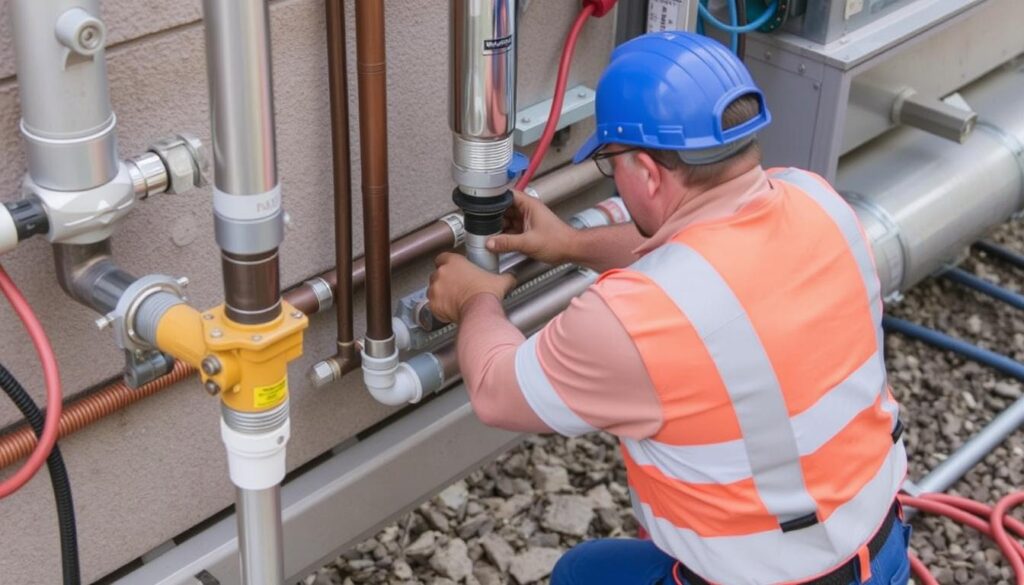
The refrigerant lines in your HVAC system are like its arteries. If they get clogged with debris, moisture, or contaminants, it can harm your compressor. This can also lower your system’s efficiency. By knowing how to flush your HVAC line set, you protect your investment and keep your cooling system at its best.
This guide will show you how to maintain your HVAC line set. It’s for homeowners and DIY fans who want to care for their HVAC system. You’ll learn how to keep your air conditioning working efficiently.
Key Takeaways
- Flushing HVAC line sets prevents costly system damage
- Regular maintenance extends your AC system’s lifespan
- Proper line set cleaning reduces refrigerant leaks
- DIY maintenance saves on professional service costs
- Knowing your HVAC system improves performance
Table of Contents
Understanding Your HVAC Line Set and Why Flushing Matters
Your home’s air conditioning system uses copper tubes called the refrigerant line set. Knowing about these lines and the need for hvac line set cleaning is key. It keeps your AC running well and saves you from costly fixes.
What is an HVAC Line Set?
An HVAC line set has two copper tubes. They connect your outdoor unit to the indoor coil. Each part has its own role:
- Larger suction line: Carries low-pressure refrigerant
- Smaller liquid line: Transports high-pressure refrigerant
- Typically insulated to keep temperatures efficient
- Available in various lengths for different setups
The Role of Refrigerant Lines in Your AC System
Refrigerant lines are like the heart of your AC. They move refrigerant that takes in indoor heat and moves it outside.
| Line Type | Function | Refrigerant State |
|---|---|---|
| Suction Line | Carries cold, low-pressure refrigerant | Gaseous |
| Liquid Line | Transports high-pressure refrigerant | Liquid |
Why Regular Line Set Maintenance Prevents Costly Repairs
Flushing your refrigerant lines regularly is key to avoiding damage. Things like moisture, debris, and oils can build up. This can cause:
- Less efficient heat transfer
- Compressor failure
- Higher energy use
- Warranty loss
Regular cleaning keeps your system running smoothly. It also makes your equipment last longer.
Signs Your HVAC Line Set Needs Flushing
Your HVAC system sends out signals when it needs flushing. Spotting these signs early can prevent costly repairs and system failure.
Look out for these key signs that mean your system needs help:
- Reduced Cooling Performance: Your air conditioner runs all the time but can’t cool your space enough
- Unusual System Noises: You hear gurgling or hissing from the refrigerant lines
- Escalating Energy Bills: Your electricity bills suddenly go up
- Frequent System Cycling: Your AC unit turns on and off more than usual
- Compressor Stress: The compressor overheats or shows signs of failing
Here are specific situations where you might need to flush your HVAC lines:
- Compressor burnout with possible acid contamination
- Replacing big parts of the system
- Finding refrigerant leaks
- Switching to a different type of refrigerant
- Putting in new line sets with leftover manufacturing residue
Spotting these signs early can stop small problems from becoming big ones. Knowing these signs helps keep your HVAC system running well and saves you money.
Essential Tools and Materials for Flushing Refrigerant Line Set
Getting ready to clean your ac line set means picking the right tools and safety gear. HVAC pros know that the right tools are key to keeping your AC running well and lasting longer.
Safety Equipment You’ll Need
Keeping safe while cleaning your ac line set is very important. You should wear:
- Impact-resistant safety glasses
- Heavy-duty work gloves
- Long-sleeve protective clothing
- Respiratory protection mask
Nitrogen Tank and Pressure Regulator Requirements
For cleaning your ac line set, you need the right nitrogen tools. Here’s what you’ll need for professional-grade flushing:
| Equipment | Specifications |
|---|---|
| Nitrogen Cylinder | 200-300 cubic feet capacity |
| Pressure Regulator | 0-500 PSI range |
| Pressure Gauges | Digital or analog precision measuring |
Additional Supplies for HVAC Line Set Cleaning
To clean your ac line set well, you’ll need these tools:
- Refrigerant recovery equipment
- Professional-grade vacuum pump
- Manifold gauge set
- Tubing cutters
- Deburring tools
- HVAC-approved cleaning solvents
Choosing quality tools is key for a safe and effective cleaning. It helps keep your HVAC system running well for a long time.
Explore Our HVAC Shop
Looking for top-rated HVAC tools, parts, and accessories? Visit our shop and find the perfect solution for your needs.
Visit the ShopHow to Flush HVAC Line Set: Step-by-Step Process
Flushing your HVAC line set is a key maintenance task. It keeps your air conditioning system working well. Knowing how to flush the lines can save you money and avoid system failures.
Before you start, make sure you have all the tools and safety gear you need. Getting ready properly is important for a successful cleaning.
- Refrigerant Recovery
First, use EPA-approved recovery equipment to safely take out the refrigerant. Connect the machine to both service ports. Keep going until the system pressure is zero.
- Line Set Disconnection
Then, disconnect the line set from both indoor and outdoor units. Use the right methods to avoid damaging anything.
- Nitrogen Flushing
Next, connect a nitrogen tank to the line set. Use a pressure regulator to set the pressure between 120-150 PSI. Flush both lines well.
- Flow Reversal Technique
Now, reverse the nitrogen flow to remove stuck contaminants. This step is key to a thorough flush.
- Moisture Removal
Use low-pressure nitrogen to dry the lines. This step stops moisture from causing acid and damage.
- System Evacuation
Lastly, use a vacuum pump to remove the nitrogen. Aim for a vacuum of 500 microns or lower. This ensures the system is leak-free and dry.
Flushing refrigerant lines needs to be done carefully. If you’re not sure about any step, it’s best to get help from a professional HVAC technician. They can make sure your system is safe and working right.
Nitrogen Flush Air Conditioning Technique for Optimal Results
Keeping your HVAC system in top shape is key. The nitrogen flush air conditioning method is a top choice for this. It makes sure your refrigeration lines are clean and work well.
Why Nitrogen is Used for Purging HVAC Lines
Nitrogen is the best for cleaning HVAC lines. It’s dry, doesn’t corrode systems, and is safe. It also gets rid of debris from making the system.
- Completely dry and moisture-free
- Chemically inert to prevent system corrosion
- Non-flammable and safe for equipment
- Effectively removes manufacturing debris
The process removes important contaminants like:
- Manufacturing oils
- Metal shavings from brazing
- Flux residue
- Installation debris
Proper Pressure Settings for Safe Line Flushing
Getting the pressure right is key for a nitrogen flush. Homes need 120-150 PSI for cleaning. This keeps the system safe from damage.
| System Type | Recommended PSI | Flushing Technique |
|---|---|---|
| Residential HVAC | 120-150 PSI | Gradual Pressure Increase |
| Commercial Systems | Varies by Line Length | Pressure Cycling |
Too much pressure can harm your system. Always check the manufacturer’s advice. For complex jobs, get help from a pro.
Explore Our HVAC Shop
Looking for top-rated HVAC tools, parts, and accessories? Visit our shop and find the perfect solution for your needs.
Visit the ShopCommon Mistakes to Avoid During AC Line Flushing Procedure
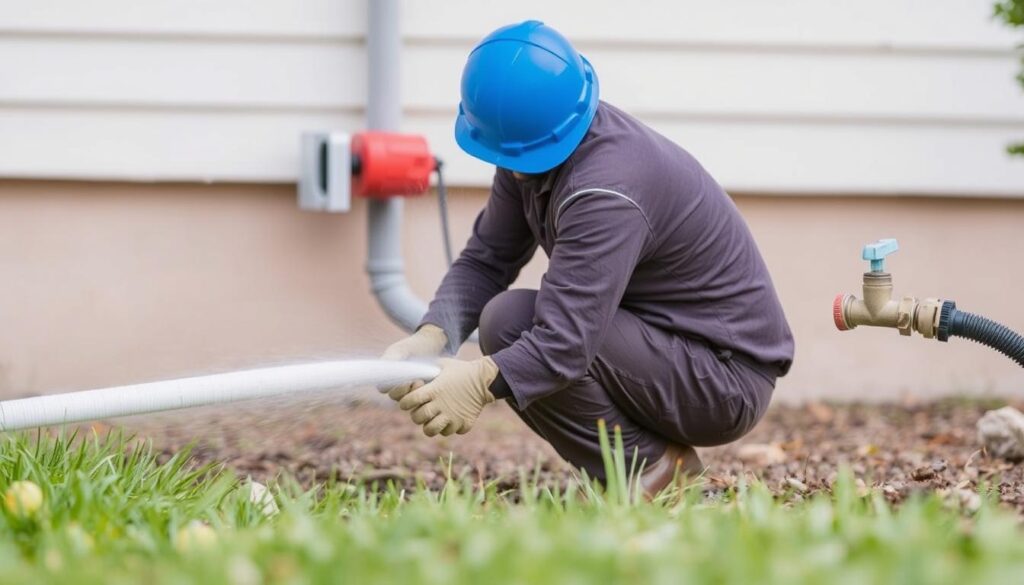
Flushing refrigerant lines needs careful attention. Both pros and DIY folks often make big mistakes. These errors can hurt your HVAC system’s performance and lifespan.
Here are the common mistakes to steer clear of:
- Using compressed air instead of nitrogen – This introduces moisture and oxygen, potentially causing long-term system damage
- Applying excessive pressure that can rupture system components
- Rushing through the flushing process, which leaves harmful contaminants behind
- Neglecting to flush lines in both directions
- Failing to cap line ends between flushing and installation
Improper flushing can lead to serious problems. Moisture in refrigerant lines can create corrosive acids. These acids can destroy important HVAC parts from the inside.
A single mistake in flushing refrigerant lines can cause expensive repairs or even system failure.
Precision matters more than speed when maintaining your HVAC system.
Protect your investment by knowing these critical mistakes. Whether you’re a pro or a DIY homeowner, avoiding these mistakes can save you a lot of time and money on repairs.
When to Call a Professional for HVAC Line Purge Method
Knowing how to do an HVAC line purge can help homeowners. But, some jobs need a pro’s touch. This can save you time, money, and keep you safe.
There are times when you need a pro’s help. These situations are more than what you can do yourself:
- Multi-zone HVAC systems with multiple evaporator coils
- Commercial systems with extended line runs exceeding 50 feet
- Systems experiencing compressor burnout
- Complex heat pump configurations with bidirectional refrigerant flow
- Installations using newer refrigerant types like R-410A
Complex System Configurations Requiring Expert Help
Certified HVAC technicians have the skills and tools for complex systems. They know how to handle different setups. They make sure the purge method works right.
Safety Concerns and EPA Regulations
Experts are key for following EPA rules and safety. They handle things like:
| Regulatory Aspect | Professional Requirement |
|---|---|
| EPA Section 608 Certification | Mandatory for refrigerant handling |
| Refrigerant Recovery | Certified equipment and documentation |
| Safety Precautions | Preventing asphyxiation and high-pressure risks |
Professionals offer more than just skills. They have insurance, special tools, and warranties. Knowing your limits is key for your system’s best performance and safety.
Explore Our HVAC Shop
Looking for top-rated HVAC tools, parts, and accessories? Visit our shop and find the perfect solution for your needs.
Visit the ShopPreventative Maintenance Tips to Keep Your AC Line Set Clean
Keeping your HVAC system running well is all about being proactive. Regular upkeep can cut down on the need for deep hvac line set cleaning. It also helps avoid expensive repairs.
To ensure your AC line set stays in top shape, follow these key steps:
- Schedule annual professional HVAC inspections to catch problems early
- Change air filters every 1-3 months to avoid system overload
- Clear outdoor condenser units of debris and plants
- Check refrigerant levels and fix leaks fast
Starting with clean ac line set care means knowing your system’s specific needs. Proper installation practices are key to avoiding future problems. Make sure all connections are tight and use the right filter driers for your system.
Get a programmable or smart thermostat to better manage cooling. These devices cut down on system use, reducing wear and buildup.
Keeping detailed records of your system’s service is also vital. Note down installation dates, past cleanings, refrigerant types, and any fixes. This info helps techs make better maintenance choices for your system.
By following these steps, you’ll make your system last longer, work better, and need less intense hvac line set cleaning.
Conclusion
Flushing your HVAC line set is key to keeping your cooling system running well. It stops refrigerant contamination and avoids expensive compressor failures. You can do it yourself or get help from HVAC experts. Knowing the steps helps your system work its best.
When working with refrigerant lines, safety is top priority. The nitrogen flush method, managing pressure, and cleaning both ways are important. Following EPA rules and using the right tools helps your system last longer and avoids sudden failures.
Some people with the right skills can flush their HVAC lines. But, complex systems need a pro. Learning about line set cleaning helps you take better care of your cooling system. Experts can make sure your system is in top shape.
Looking after your HVAC line set is good for your home’s comfort and your system’s reliability. By following the tips in this article, you can keep your air conditioning in great shape. This can save you a lot of money on repairs later on.