

Affiliate Disclosure
HVAC Guide Guys is a participant in the Amazon Services LLC Associates Program, an affiliate advertising program designed to provide a means for sites to earn advertising fees by advertising and linking to Amazon.
Ever thought your basement’s mechanical systems look like an industrial mess? It’s easier to hide them than you might think. With the right basement hvac concealment ideas, you can make them invisible.
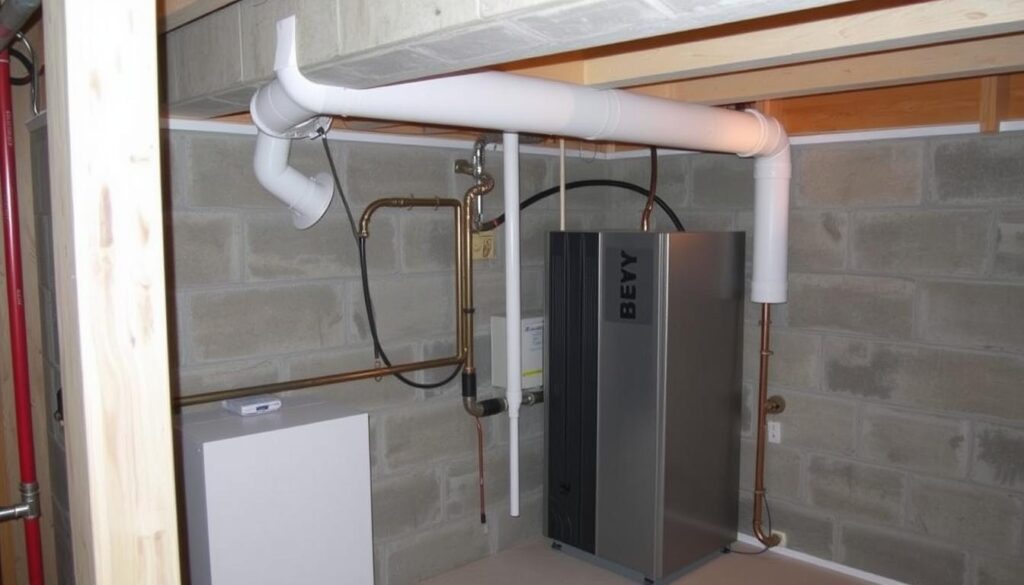
Your basement doesn’t have to look like a mechanical room. Learning to hide hvac can make your home look better and work better. Homeowners often face problems with ugly ductwork, exposed pipes, and big equipment.
This guide will show you how to hide your basement’s mechanical systems. You’ll learn about design tricks and affordable ways to make your space look great. You can have a clean, professional basement without losing your HVAC’s efficiency.
Key Takeaways
- HVAC concealment requires strategic planning and creative solutions
- Proper hiding techniques maintain equipment accessibility
- Multiple design options exist for different basement configurations
- Aesthetic improvements can increase property value
- Ventilation and safety must remain top priorities during concealment
Table of Contents
Understanding Your Basement HVAC System Components
To hide your basement HVAC system, first learn about its parts. Your basement has key equipment that needs smart hiding. This keeps your space both functional and looking good.
Basement HVAC systems vary, each with its own setup and needs. Knowing this helps you hide them better.
Types of HVAC Equipment Found in Basements
- Traditional Gas Furnaces
- Heat Pumps
- Ductless Mini-Split Systems
- Hybrid Electric Systems
Each type of equipment needs a special hiding plan. Heat pumps, for example, are efficient and can be hidden well.
Ductwork and Ventilation Requirements
Good ductwork design is key for airflow and system work. Your hiding plan must include:
- Supply ducts delivering air
- Return ducts taking out old air
- Enough space around the equipment
- Room for ventilation to work well
Mini-Split Systems and Heat Pumps
| System Type | Efficiency | Installation Flexibility |
|---|---|---|
| Traditional Furnace | 80-95% AFUE | Limited |
| Heat Pump | 300-400% efficiency | High |
| Mini-Split | Up to 30 SEER | Excellent |
Mini-split systems are great for hiding in basements. They can be hidden behind walls, keeping your space neat and working well.
Explore Our HVAC Shop
Looking for top-rated HVAC tools, parts, and accessories? Visit our shop and find the perfect solution for your needs.
Visit the ShopPlanning Your Basement HVAC Concealment Project
Getting ready for a basement makeover needs careful planning. You must understand local building rules well. Before starting, you have to do some important steps first.
First, check your basement’s current state. Important things to look at are:
- Moisture levels and water damage risks
- Structural strength of walls and floor
- Where mechanical systems are now
- How tall your ceiling is
Local laws often require special permits for basement work. Working with licensed contractors who know the rules helps a lot. They make sure your HVAC hiding meets safety rules.
It’s also key to plan your budget well. Experts say to save 10-15% for surprises. This extra money helps avoid delays and covers unexpected costs.
Professional insight: Always prioritize function over aesthetics when concealing HVAC systems.
Your plan should look good but also be practical. Make a layout that lets you easily get to mechanical parts. This way, you can reach your design goals and keep things working right.
- Keep ventilation right
- Make sure emergency equipment is easy to get to
- Think about future maintenance needs
With good planning, you can turn your basement into a useful, nice space. It will have the mechanical systems you need hidden well.
Creative Ways to Hide HVAC Ductwork in Finished Basements
Turning your basement into a living area means finding smart ways to hide ductwork. There are many creative ways to cover up mechanicals. These methods can make your space look better while keeping air flowing.
There are several ways to hide ductwork in your basement. Each method has its own benefits and challenges. You can pick the best one for your space.
Drop Ceiling Solutions for Duct Concealment
Drop ceilings are great for hiding mechanical systems above. They offer many benefits:
- They cover ductwork and pipes completely
- They make it easy to get to the ducts for maintenance
- You can choose from many tile designs and materials
- They can also help with sound
Building Soffits Around Exposed Ductwork
Soffits are another smart way to hide ductwork. By building custom boxes around your ducts, you can make a design feature. This also hides the mechanical systems.
- They let you keep high ceilings in main areas
- Use materials that won’t get wet
- You can add lights or decorations
Painting and Decorative Wrapping Techniques
If you’re watching your budget, painting and wrapping can be good options. Matching the duct color to the ceiling can make them less noticeable. This makes your space look smoother.
Pro tip: Always make sure air can flow well when hiding ductwork. This prevents problems with the system.
While looks are important, don’t forget about air flow and easy access. These are key when hiding ductwork in your basement.
Explore Our HVAC Shop
Looking for top-rated HVAC tools, parts, and accessories? Visit our shop and find the perfect solution for your needs.
Visit the ShopHow to Hide HVAC in Basement Using Enclosures and Walls
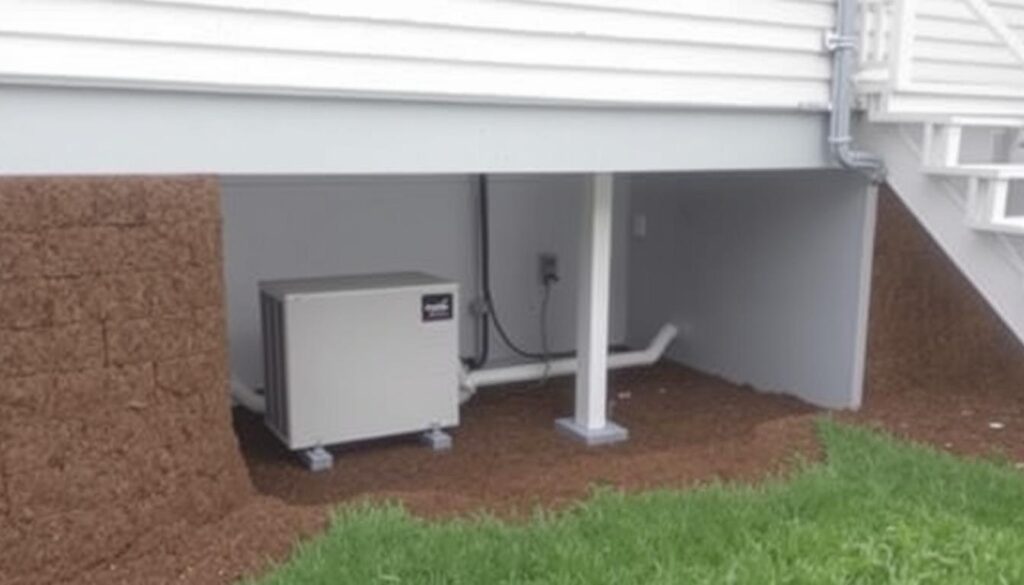
Creating effective enclosures for your basement HVAC system is key. It keeps things working well and looking good. You’ll need to design walls and enclosures that hide the mechanical parts well.
First, pick the right materials for your basement’s look. Choose ones that resist moisture to avoid damage and keep things clean. Some good options include:
- USG Sheetrock Brand Mold Tough Gypsum Panels
- Georgia-Pacific DensArmor Plus wall materials
- Rigid foam insulation for foundation walls
Your design should hide the equipment but also work well. Proper ventilation is critical for hiding HVAC. Use strategies like:
- Louvered doors for air circulation
- Dedicated ventilation grilles
- Energy recovery ventilators (ERV)
When building your enclosure, follow the manufacturer’s guidelines and local building codes. Make sure there’s enough space around the equipment for safe use and maintenance. Your goal is to make a solution that looks good and keeps everything hidden.
Pro tip: Design your enclosure with future maintenance in mind, including easily removable access panels that maintain your basement’s clean aesthetic.
Designing a Functional Basement Mechanical Room
Creating an efficient basement mechanical room is key for your home’s HVAC system. It ensures your home runs smoothly. Upgrades need careful planning and design for the best function and access.
Your basement furnace room design should focus on three main things: ventilation, access, and noise control. A well-designed room can turn a messy utility space into a neat, efficient area for your home’s important systems.
Proper Ventilation and Access Requirements
Good ventilation is vital for your basement mechanical room. Keep these points in mind:
- Keep indoor humidity between 40-60% to avoid moisture problems
- Put in dedicated air intake and exhaust vents
- Make sure there’s enough space around equipment for safe upkeep
- Ensure there’s enough room for technicians to work
Sound-Dampening Strategies for HVAC Equipment
Reducing noise is a big part of upgrading your basement mechanical room. Use these methods to cut down on sound:
- Install fiberglass batts between ceiling joists
- Use resilient clips and metal furring channels to block vibrations
- Put anti-vibration mats under mechanical equipment
- Think about acoustic insulation for walls around the mechanical area
By designing your basement mechanical room with care, you’ll make a space that supports your HVAC system. It will also reduce noise and increase efficiency.
Basement Furnace Room Design Ideas and Aesthetic Solutions
Turning your basement furnace room into a stylish area is possible. It just needs creative solutions for basement hvac decor. With smart design, your mechanical space can look great and work well.
- Paint walls in light, neutral colors to maximize brightness and create a cleaner look
- Install moisture-resistant flooring like luxury vinyl plank (LVP) for durability and style
- Use smart home technology to integrate control panels and monitoring systems
- Select decorative doors that blend with your basement’s overall design
Lighting is key in basement hvac decor. Choose LED lights for bright, modern looks. Add wall-mounted storage and labeled shut-off valves for a tidy space.
Smart tech brings more design chances. Modern control panels and apps like the Rheem EcoNet let you check your HVAC. These steps make your basement furnace room look planned and neat.
Maintaining Accessibility While Concealing HVAC Systems
When planning basement hvac aesthetic solutions, the most critical consideration is maintaining easy access to your mechanical systems. Your basement mechanical room upgrades should balance visual appeal with practical functionality. This ensures you can perform routine maintenance without compromising the system’s performance or safety.
Proper accessibility involves several key strategies that protect both your HVAC system and your home’s overall functionality:
- Create removable access panels that blend seamlessly with surrounding walls
- Ensure clear pathways to all mechanical equipment
- Maintain manufacturer-recommended clearance spaces
- Install adequate lighting near mechanical systems
Building Removable Access Panels
Designing access panels requires careful planning. Your panels should:
- Match surrounding wall finishes
- Use magnetic or hinged mounting systems
- Allow full equipment access during maintenance
- Remain lightweight for easy removal
Filter Change and Maintenance Considerations
Strategic placement of return air grilles prevents future headaches. Never install filters in locations blocked by furniture or requiring precarious climbing. Position returns at convenient heights that allow simple, safe filter replacement every 1-3 months.
Code Compliance and Safety Clearances
Accessibility isn’t just about convenience—it’s a critical safety requirement.
Always consult local building codes and manufacturer specifications. Critical safety elements include:
- GFCI outlets in moisture-prone areas
- Smoke and carbon monoxide detectors
- Proper ventilation around equipment
- Emergency shut-off accessibility
By prioritizing accessibility in your basement mechanical room upgrades, you’ll create a functional, safe, and aesthetically pleasing HVAC solution. This solution will serve your home for years to come.
Explore Our HVAC Shop
Looking for top-rated HVAC tools, parts, and accessories? Visit our shop and find the perfect solution for your needs.
Visit the ShopBudget-Friendly Basement HVAC Hiding Solutions
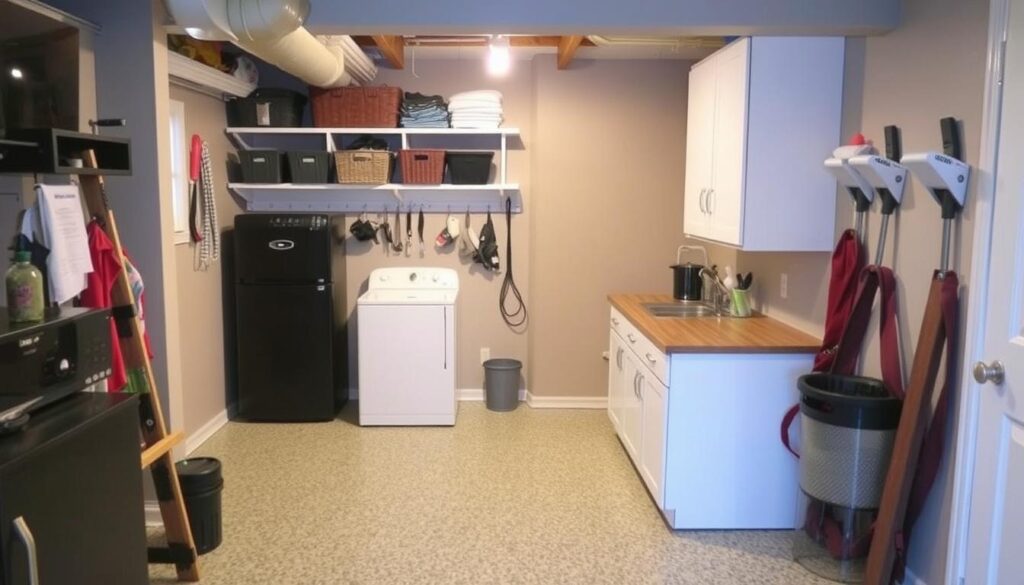
Turning your basement into a cozy space doesn’t have to cost a lot. You can find creative ways to hide the mechanical parts without spending too much. It all comes down to smart planning and choosing the right design.
Here are some ways to make your basement utility area look great without spending a lot:
- Paint exposed ductwork and pipes in neutral colors
- Use lightweight fabric curtains for concealment
- Create simple wooden soffits around visible equipment
- Utilize partial concealment techniques
With a little effort, your basement’s mechanical systems can look like part of the design. Strategic painting is a cheap but effective way to do this. A gallon of paint can make big, industrial-looking parts look like they belong.
Here are some affordable ways to hide things:
- DIY fabric screens for temporary coverage
- Repurposed wood panel installations
- Minimal framing around most visible equipment
- Coordinated color schemes to minimize visual interruption
Focus on hiding the parts that are most in the way. This way, you can make your basement look nice without doing a lot of work. You don’t have to hide everything—just the parts that are most noticeable.
Smart homeowners know you can make your space look better without spending a lot.
With a bit of creativity and planning, you can make your basement both functional and stylish. And you can do it all without breaking the bank.
Common Mistakes to Avoid When Hiding Basement Mechanicals
Disguising basement heating units needs careful planning and detail. Homeowners often make mistakes that harm their HVAC system’s performance and safety. Knowing these mistakes can help you avoid costly errors and ensure your project goes well.
When hiding ductwork in finished basements, several mistakes can hurt your system’s function:
Critical Airflow Restriction Errors
- Compressing flexible ductwork too much
- Creating tight enclosures without ventilation
- Blocking return air vents with furniture or decor
Airflow issues can greatly lower your HVAC system’s efficiency. Every blockage adds extra stress on your heating and cooling equipment. This can lead to:
- Higher energy bills
- Lower system performance
- Possible damage to equipment
Clearance and Accessibility Challenges
Not enough space around mechanical equipment is risky. Manufacturers set specific space needs for good reasons:
- Proper heat release
- Ensuring combustion air
- Keeping service access safe
Ignoring these rules can void warranties and pose safety risks. Always check with HVAC experts or follow manufacturer guidelines when planning your basement mechanical hiding.
Professional tip: Focus on functionality and safety over looks when hiding basement heating units.
Avoiding these mistakes will help you create a basement mechanical area that looks good and works well.
Conclusion
Successfully hiding HVAC systems in your basement is all about finding the right balance. You need to make sure it looks good and works well. There are many ways to hide these systems, making them blend in with your design.
When thinking about hiding your HVAC, remember to keep it working right and easy to get to. You can use things like drop ceilings or custom soffits. Each method has its own benefits for hiding your equipment while keeping your space looking nice.
It’s also important to think about safety and following the rules. Getting help from a pro can make sure your design is safe and meets local codes. Plus, keeping your HVAC clean and checked regularly will help it last longer and work better.
With the right planning, you can make your basement look great and work well. This means turning areas for utilities into nice, useful spaces. Your home will be more comfortable and valuable because of it.