Affiliate Disclosure
HVAC Guide Guys is a participant in the Amazon Services LLC Associates Program, an affiliate advertising program designed to provide a means for sites to earn advertising fees by advertising and linking to Amazon.
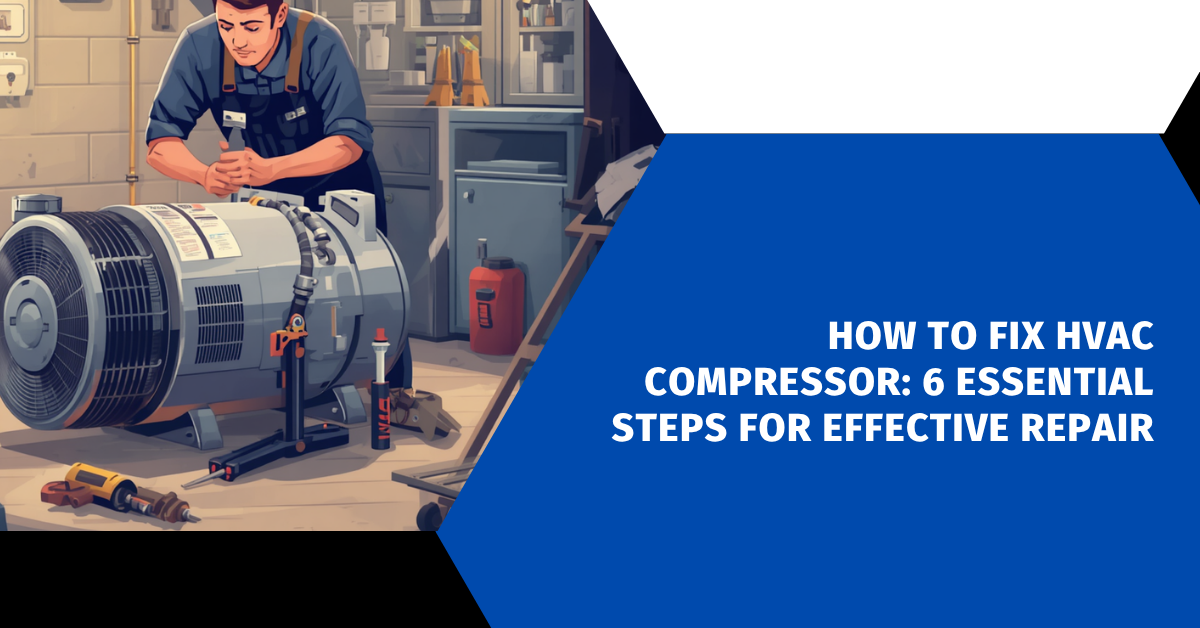
Is your air conditioning system on the verge of failure? This can leave you feeling hot and frustrated. Knowing how to fix HVAC compressor problems can save you a lot of money and make your home cool again quickly.
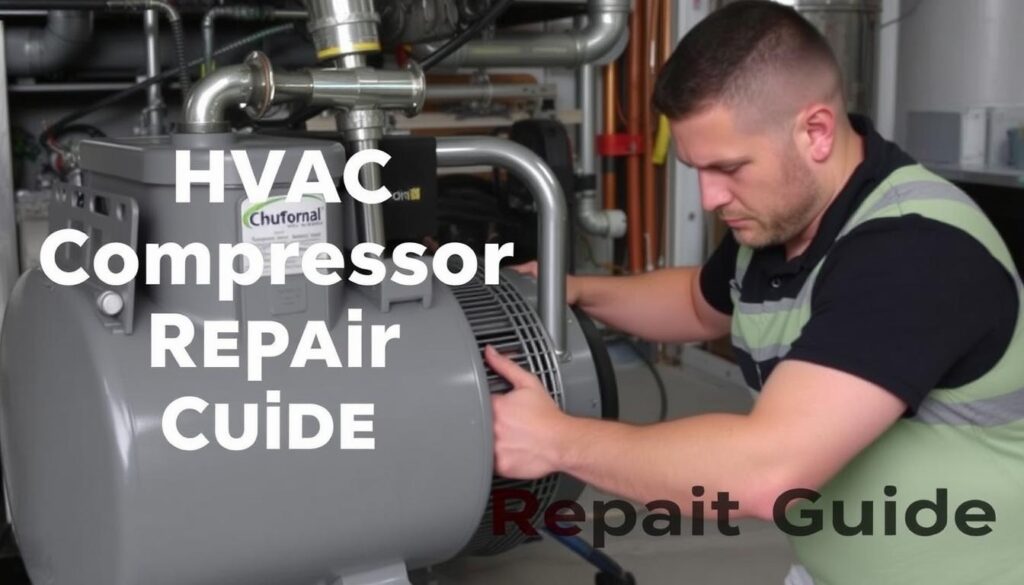
The HVAC compressor is key to your cooling system. It moves refrigerant and keeps your home at a comfortable temperature. While fixing it might seem hard, many problems can be solved with the right techniques and knowledge.
This guide will show you six key steps to find, fix, and maybe even save your HVAC system from expensive repairs. Whether you like to fix things yourself or just want to know more about your system, these tips will help you handle compressor issues with confidence.
Key Takeaways
- Learn basic HVAC compressor repair techniques
- Identify warning signs of compressor failure
- Understand when professional help is necessary
- Save money by performing initial diagnostics
- Prevent future compressor issues through maintenance
Table of Contents
Understanding Your HVAC Compressor and Its Critical Role
Your HVAC system’s compressor is key to keeping your home cool. It’s like the heart of your cooling system. It manages indoor temperatures, keeping your home cool during hot summers.
The compressor circulates refrigerant through your air conditioning system. Knowing how it works helps prevent problems. It also makes fixing your HVAC system easier.
What Does an HVAC Compressor Do?
The compressor is at the heart of your cooling system. It does a few main things:
- Compressing refrigerant gas to increase its temperature and pressure
- Circulating refrigerant between indoor and outdoor coils
- Enabling heat exchange that removes warm air from your home
How Long Should Your Compressor Last?
A well-maintained HVAC compressor can last a long time. Here’s how long they usually last:
| Maintenance Level | Typical Lifespan |
|---|---|
| Regular Professional Maintenance | 15-20 years |
| Minimal Maintenance | 10-12 years |
Why Compressor Maintenance Matters in Hot Climates
In hot places like Arizona, Florida, and Texas, your HVAC system works hard. Continuous operation stresses your compressor. Regular maintenance is essential.
Dust, refrigerant leaks, and constant use can wear it down fast. Regular checks prevent breakdowns and save money. They keep your compressor working well all summer.
Explore Our HVAC Shop
Looking for top-rated HVAC tools, parts, and accessories? Visit our shop and find the perfect solution for your needs.
Visit the ShopRecognizing the Warning Signs of Compressor Failure
It’s key to know the signs of compressor failure to keep your HVAC system running well. Spotting AC compressor problems early can prevent costly fixes and keep your home cool.
Here are the warning signs to watch for:
- Warm Air from Vents: Warm air from your AC means trouble with the compressor.
- Unusual Energy Bills: A sudden jump in your electricity bill could mean your compressor is not working right.
- Frequent Circuit Breaker Trips: If your breaker trips often, it might be because your compressor is using too much power.
- Ice Formation: Ice on the refrigerant lines or evaporator coils could mean a problem with refrigerant flow.
Pay attention to your HVAC system’s sounds. Strange noises can point to big problems:
- Buzzing: This could mean electrical issues.
- Humming: If your compressor hums but doesn’t start, it’s a sign of a problem.
- Clicking: Clicking sounds might point to relay or capacitor issues.
- Rattling or Banging: These sounds suggest serious mechanical problems.
“Early detection of compressor failure symptoms can prevent complete system breakdown and save substantial repair costs.”
Don’t ignore visual and sensory clues when checking your AC compressor. Oil stains around the unit could mean refrigerant leaks. Burnt smells or musty odors suggest system stress.
By being alert and spotting these signs early, you can fix compressor problems before they get worse.
Essential Diagnostic Checks Before Starting Repairs
When your HVAC system has problems, doing thorough diagnostic checks can save you money and time. Knowing how to find out why your compressor won’t turn on is key. It involves a step-by-step approach to spot possible problems.
Before starting complex repairs, follow these basic DIY compressor maintenance steps:
- Verify power supply and circuit breaker functionality
- Check for proper cold air output
- Inspect system for visible leaks and blockages
Verifying Power Supply and Circuit Breakers
Your first step is to check if there’s electricity. Make sure your thermostat is set to “cool” and the temperature is lower than the room’s. Look at your circuit breaker panel and find the AC unit’s breaker. If it’s tripped, it might stop your system from working.
When you’re troubleshooting, HVAC guides suggest resetting the breaker if it’s not connected right. Sometimes, this simple step fixes power issues without needing big repairs.
Checking for Cold Air Output
If your system turns on but doesn’t cool, it might have a compressor problem. Listen for odd sounds and check the airflow. Weak or uneven cooling means there might be issues with refrigerant flow.
Inspecting for Visible Leaks and Blockages
Look closely at refrigerant lines, coils, and connections for damage. Watch out for:
- Oil stains around connections
- Corrosion on metal parts
- Debris blocking air intake
Finding and fixing these problems early can stop more costly compressor repairs later.
How to Fix HVAC Compressor: Step-by-Step Repair Process
Fixing an HVAC compressor needs careful steps and a clear plan. Knowing how to repair it can save you money and avoid more damage.
- Safety First: Power Shutdown
- Turn off power at the circuit breaker
- Disconnect electrical connections
- Make sure the system is fully powered down
- Comprehensive System Inspection
- Look for leaks in refrigerant lines
- Check coils and connections
- Clean any blockages you see
- Compressor Motor Evaluation
- Check electrical connections
- Look for wire damage
- Watch for signs of overheating
Important parts need special care during repairs. Here’s a quick guide for key checks:
| Component | Inspection Method | Potential Action |
|---|---|---|
| Capacitor | Multimeter test | Replace if faulty |
| Refrigerant | Pressure gauge check | Recharge or seal leaks |
| Motor Windings | Continuity test | Replace if damaged |
Some repairs need a pro’s help. If you’re not sure about any step, get an HVAC technician’s advice. This can prevent system damage.
Safety Precautions and Necessary Tools for Compressor Repair
Starting a compressor repair project needs careful planning and strict safety rules. Before you start, knowing the key safety steps is vital. It helps avoid injuries and keeps your equipment safe.
When working with electrical systems, safety comes first. Your safety should be your top concern during any repair job.
Turning Off Power Safely
Electrical safety is key in HVAC repairs. Here are the important steps to safely turn off power:
- Set thermostat to OFF position
- Locate and switch off the dedicated HVAC circuit breaker
- Verify the disconnect switch near the outdoor unit is flipped
- Use a voltage tester to confirm no electrical current
Essential Equipment for Compressor Repair
Your DIY compressor maintenance kit should have special tools for safe and effective repairs:
| Tool | Purpose | Safety Rating |
|---|---|---|
| Multimeter | Electrical testing | High |
| Safety Glasses | Eye Protection | Critical |
| Insulated Gloves | Hand Protection | Critical |
| Voltage Tester | Power Verification | High |
“Always assume the system is live until you’ve personally verified it’s not.” – HVAC Safety Expert
Some repairs need a pro’s touch. If you’re unsure about any step, call a licensed HVAC tech. It’s safer for you and your system.
Explore Our HVAC Shop
Looking for top-rated HVAC tools, parts, and accessories? Visit our shop and find the perfect solution for your needs.
Visit the ShopTesting Electrical Components and Refrigerant Levels
Understanding electrical testing is key when fixing ac compressor problems. Professional technicians use special methods to check your HVAC system’s parts.
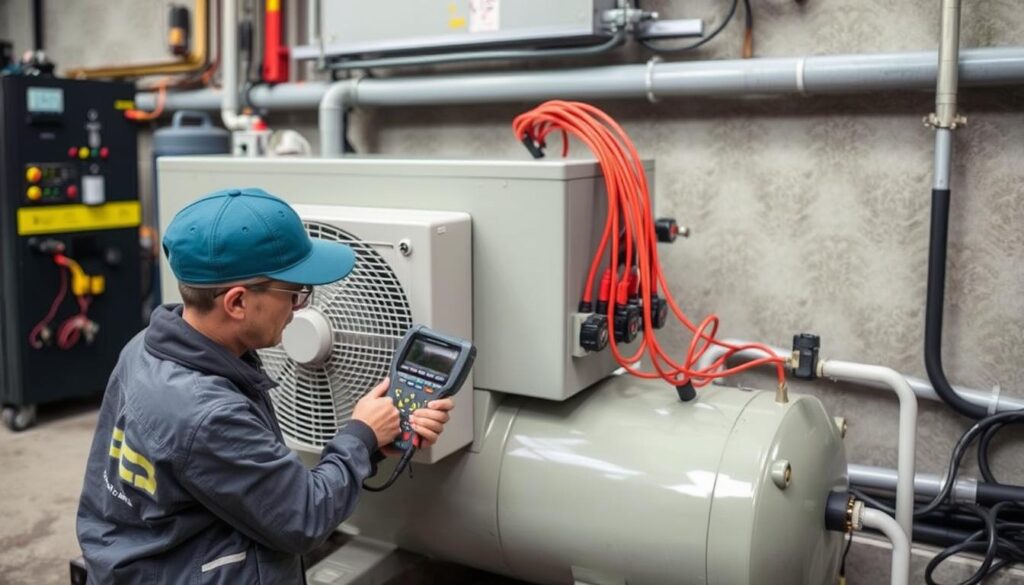
Electrical testing needs careful attention and specific skills. For a safe and correct check, follow these steps:
- Disconnect power completely before any testing
- Discharge capacitors safely
- Locate the three compressor terminals: Common, Start, and Run
Resistance tests between terminals give important clues about your compressor’s health. Here’s what you should look for:
| Terminal Measurement | Expected Resistance | Potential Issue |
|---|---|---|
| Common to Start | 2-3 ohms | Normal electrical integrity |
| Common to Run | 1-2 ohms | Healthy winding connection |
| Start to Run | 3-5 ohms | Consistent electrical path |
Testing refrigerant levels needs a pro’s touch. EPA-certified technicians use special gauges to check high and low-side pressures. This ensures your system works at its best.
Warning: Electrical testing can be risky. If you’re not sure about electrical checks, always get a professional HVAC technician. They can safely test your air conditioning compressor issues.
Common Compressor Problems and Their Solutions
Your HVAC system’s compressor can face many issues. Knowing these problems helps you fix them fast. This can save you from expensive repairs.
HVAC systems often run into problems that lower their efficiency. Spotting these issues early can stop bigger damage to your cooling system.
Addressing Capacitor Failures
Capacitor problems are common. Look out for these signs:
- Bulging or swollen capacitor appearance
- Oily substance leaking from the component
- Compressor humming but failing to start
A bad capacitor might seem like a compressor problem. But, replacing a capacitor is usually cheaper than replacing the whole compressor.
Fixing Refrigerant Leaks
Refrigerant leaks hurt your system’s performance. Watch for these signs:
- Dark oil stains around copper lines
- Reduced cooling efficiency
- Unusual hissing sounds near refrigerant lines
Low refrigerant levels make your compressor work too hard. This can lead to early wear and failure.
Replacing Worn Motor Components
Motor and electrical parts wear out with time. Look for these signs:
- Burnt or frayed electrical wires
- Pitted electrical contacts
- Signs of overheating or electrical burning smell
In humid places, electrical parts can wear down faster. Regular checks are key to keeping your HVAC system running well.
When to Call a Professional HVAC Technician
Dealing with HVAC compressor repairs can be tough. Some small issues might seem easy to fix, but others need a pro. Knowing when to call a professional can save you time, money, and prevent damage.
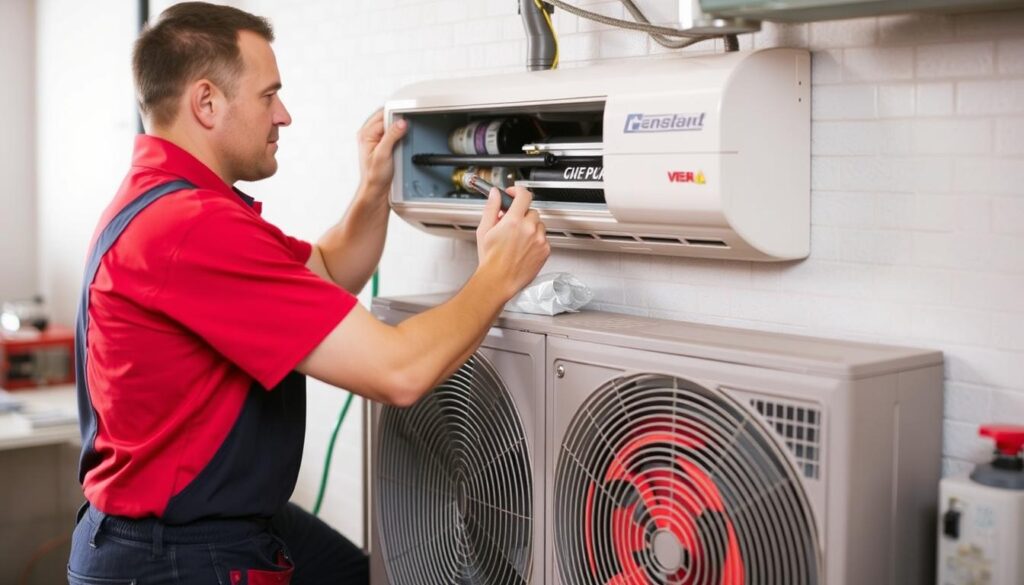
Not every HVAC compressor problem is a DIY job. Some fixes need special skills and a certification. That’s why getting a professional to do the job is safer.
Complex Repairs Requiring Certification
Certain repairs need a pro’s help:
- Refrigerant handling (EPA Section 608 certification mandatory)
- Full compressor replacement
- Electrical system diagnostics
- Warranty-protected repairs
Benefits of Professional Service
Professional services come with many benefits:
| Service Benefit | Detailed Explanation |
|---|---|
| Warranty Protection | Ensures manufacturer’s warranty remains valid |
| Compliance | Meets local building and environmental regulations |
| Long-Term Savings | Prevents costly future repairs through expert diagnosis |
Professional technicians have special tools and knowledge that homeowners don’t. Getting expert help ensures your cooling system works well for a long time.
Conclusion
Your HVAC system is key to home comfort and safety. Learning about compressor repair can save you a lot of money. It also helps avoid system failures.
Regular maintenance is very important. By following the tips in this guide, you can make your AC last longer. You’ll also use less energy and avoid sudden breakdowns.
Some repairs you can do yourself, but be careful. Complex issues need a pro. Find a reliable HVAC technician for expert help.
By taking care of your cooling system, you’ll enjoy better performance and savings. Always choose prevention over emergency fixes.
FAQ
How do I know if my HVAC compressor is failing?
Can I repair my HVAC compressor myself?
How much does it cost to replace an HVAC compressor?
How do I know if my HVAC compressor is failing?
Can I repair my HVAC compressor myself?
How much does it cost to replace an HVAC compressor?
FAQ
How do I know if my HVAC compressor is failing?
Look for signs like warm air from vents and high energy bills. Also, watch for frequent circuit breaker trips and ice on refrigerant lines. Strange noises and oil stains or smells are other warning signs.
Can I repair my HVAC compressor myself?
You can try simple fixes like replacing a capacitor if you’re good with electrical work. But, for bigger repairs, you need a pro. It’s safer to leave complex jobs to experts.
How much does it cost to replace an HVAC compressor?
Replacing a compressor can cost between
FAQ
How do I know if my HVAC compressor is failing?
Look for signs like warm air from vents and high energy bills. Also, watch for frequent circuit breaker trips and ice on refrigerant lines. Strange noises and oil stains or smells are other warning signs.
Can I repair my HVAC compressor myself?
You can try simple fixes like replacing a capacitor if you’re good with electrical work. But, for bigger repairs, you need a pro. It’s safer to leave complex jobs to experts.
How much does it cost to replace an HVAC compressor?
Replacing a compressor can cost between $1,500 and $3,000. This depends on your system’s size and complexity. Sometimes, a simple capacitor swap can fix the problem, so get a proper diagnosis first.
How long should an HVAC compressor last?
With care, your compressor can last 15-20 years. Heat pumps might last up to 30 years. Regular maintenance, more so in hot climates, is key to longevity.
What causes compressor failure?
Leaks, electrical problems, and lack of maintenance are common causes. Dirty filters, blocked coils, and incorrect refrigerant levels also play a part. Regular upkeep can prevent many issues.
Is it better to repair or replace my HVAC compressor?
It depends on your system’s age and repair costs. If your system is young and repair costs are low, fixing it might be best. For older systems, replacing might be more cost-effective.
How can I prevent compressor problems?
Regular maintenance and changing air filters are key. Keep outdoor units clean and ensure proper airflow. Address any warning signs quickly and avoid overworking your system in extreme temperatures.
What safety precautions should I take when working on my HVAC system?
Always turn off power before starting work. Wear gloves and safety glasses. Be careful with capacitors and never handle refrigerant without EPA certification. If unsure, call a pro.
Can low refrigerant cause compressor failure?
Yes, low refrigerant makes the compressor work harder. This can lead to overheating and premature failure. Always fix refrigerant leaks and have your system professionally charged.
How do I know if I need a professional HVAC technician?
Call a pro for complex repairs, full compressor replacements, and any work beyond simple fixes. Certified technicians have the tools and knowledge to safely handle complex issues.
,500 and ,000. This depends on your system’s size and complexity. Sometimes, a simple capacitor swap can fix the problem, so get a proper diagnosis first.
How long should an HVAC compressor last?
With care, your compressor can last 15-20 years. Heat pumps might last up to 30 years. Regular maintenance, more so in hot climates, is key to longevity.
What causes compressor failure?
Leaks, electrical problems, and lack of maintenance are common causes. Dirty filters, blocked coils, and incorrect refrigerant levels also play a part. Regular upkeep can prevent many issues.
Is it better to repair or replace my HVAC compressor?
It depends on your system’s age and repair costs. If your system is young and repair costs are low, fixing it might be best. For older systems, replacing might be more cost-effective.
How can I prevent compressor problems?
Regular maintenance and changing air filters are key. Keep outdoor units clean and ensure proper airflow. Address any warning signs quickly and avoid overworking your system in extreme temperatures.
What safety precautions should I take when working on my HVAC system?
Always turn off power before starting work. Wear gloves and safety glasses. Be careful with capacitors and never handle refrigerant without EPA certification. If unsure, call a pro.
Can low refrigerant cause compressor failure?
Yes, low refrigerant makes the compressor work harder. This can lead to overheating and premature failure. Always fix refrigerant leaks and have your system professionally charged.
How do I know if I need a professional HVAC technician?
Call a pro for complex repairs, full compressor replacements, and any work beyond simple fixes. Certified technicians have the tools and knowledge to safely handle complex issues.