
Affiliate Disclosure
HVAC Guide Guys is a participant in the Amazon Services LLC Associates Program, an affiliate advertising program designed to provide a means for sites to earn advertising fees by advertising and linking to Amazon.
Are you ready to unlock a career path that offers stability, excellent wages, and professional growth? Discovering how to get into HVAC union can transform your professional future in the skilled trades industry.
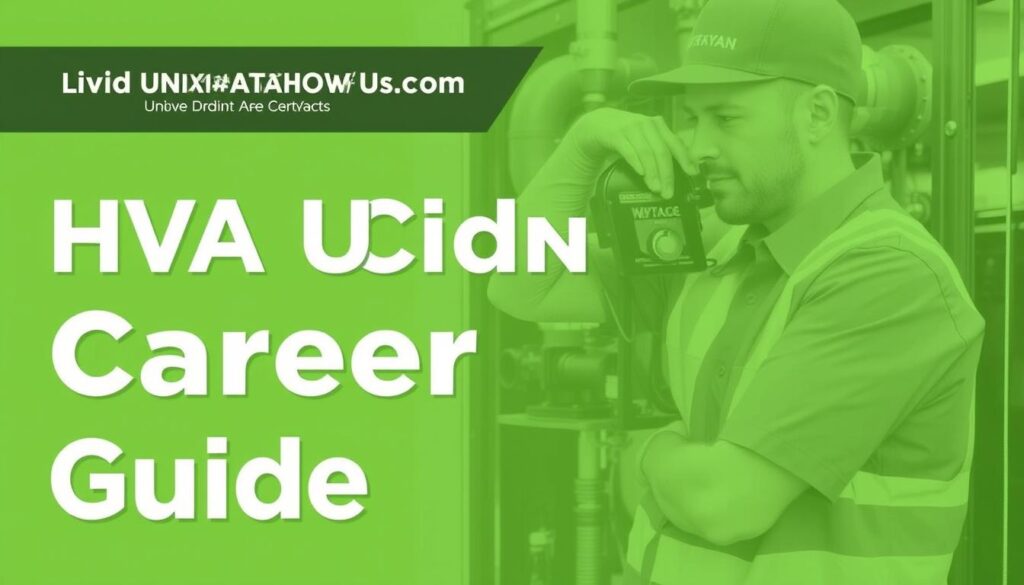
The HVAC union provides a structured pathway for ambitious individuals seeking a rewarding career in heating, ventilation, and air conditioning. These unions offer complete apprenticeship programs. They guide you from a novice technician to a skilled professional with robust job security.
Learning how to get into HVAC union requires dedication, strategic planning, and a commitment to professional development. This guide will walk you through six essential steps. These steps can help you launch a successful career in the trade. You’ll get insights into the application process, training requirements, and long-term career opportunities.
Key Takeaways
- HVAC unions provide structured career development paths
- Apprenticeship programs offer complete technical training
- Union membership includes competitive wages and benefits
- Physical fitness and educational prerequisites are key
- Career advancement opportunities are significant in union trades
Table of Contents
Understanding HVAC Union Membership and Its Career Benefits
Exploring hvac union membership benefits can change your career path in the skilled trades. Being part of a union offers more than just a job. It’s a way to reach professional success in the HVAC field.
What Makes Union HVAC Work Different from Non-Union Positions
Union HVAC jobs differ from non-union ones in key ways. These differences make the work environment better for technicians.
- Standardized wage scales that ensure fair compensation
- Collective bargaining agreements protecting worker rights
- Access to advanced training and professional development
- Preference for large-scale commercial and industrial projects
Non-union shops mainly do residential work. But union HVAC techs get to work on bigger, more complex projects. This leads to more challenging and rewarding jobs.
Long-Term Career Advantages of Union Membership
Union membership offers more than just jobs. It sets up a career support system that helps you grow and protects your job.
| Career Benefit | Union Advantage |
|---|---|
| Compensation | 10-20% higher wages compared to non-union positions |
| Healthcare | Comprehensive health insurance coverage |
| Retirement | Pension plans and robust retirement savings programs |
| Job Security | Strong representation and protection against unfair practices |
With union membership, your career path is clear. You’ll move from apprentice to journeyman, and even to master technician or supervisor. The structured advancement means continuous growth and increasing expertise.
Explore Our HVAC Shop
Looking for top-rated HVAC tools, parts, and accessories? Visit our shop and find the perfect solution for your needs.
Visit the ShopExploring HVAC Union Membership Benefits
Joining an HVAC union brings many benefits beyond just a job. It offers strong support for your career and personal life. This creates a solid safety net for skilled technicians.
Your union membership comes with a package of professional protections and financial security. The main benefits include:
- Comprehensive health insurance covering medical, dental, and vision care
- Robust pension and retirement savings programs
- Guaranteed income protection through negotiated contracts
- Paid training opportunities to upgrade your technical skills
- Job placement assistance through union job centers
The financial benefits of HVAC union membership go beyond just pay. Unions negotiate contracts that provide:
- Competitive hourly wages
- Tool allowances
- Continuing education scholarships
- Legal representation for workplace disputes
- Seniority protections
“Union membership transforms a job into a professional career path with long-term stability and growth.” – HVAC Industry Expert
Your union membership keeps you up-to-date with new HVAC technologies. Paid training programs cover advanced certifications in smart building systems and energy-efficient equipment. These opportunities help you stay competitive in a fast-changing industry.
Meeting HVAC Apprenticeship Requirements Before You Apply
Getting into an HVAC apprenticeship needs careful planning and meeting certain requirements. Knowing what’s needed before you apply can boost your chances in this exciting field.
Educational Prerequisites and Physical Fitness Standards
Your school history is key for HVAC apprenticeships. Most unions look for:
- High school diploma or equivalent GED
- Good grades in math and physics
- Basic knowledge of mechanical systems
Being physically fit is also vital for HVAC techs. You’ll need to:
- Lift heavy equipment up to 50 pounds
- Work in tight spaces
- Climb ladders and handle tough work areas
- Deal with very hot or cold temperatures
Some unions might ask you to pass tests. These tests check your:
- Mechanical thinking skills
- Reading skills
- Ability to solve math problems
Age Requirements and Legal Work Authorization
Age and legal work status are big factors in HVAC apprenticeships. Most unions have clear rules:
| Requirement | Typical Specifications |
|---|---|
| Minimum Age | 18 years old (some programs accept 16-17 with parental consent) |
| Work Authorization | Must be legally allowed to work in the United States |
| Documentation | Birth certificate, Social Security card, work visa |
| Additional Preference | Valid driver’s license recommended |
Make sure you have all the right documents ready. This shows you’re eligible for HVAC apprenticeships.
Explore Our HVAC Shop
Looking for top-rated HVAC tools, parts, and accessories? Visit our shop and find the perfect solution for your needs.
Visit the ShopHow to Get Into HVAC Union
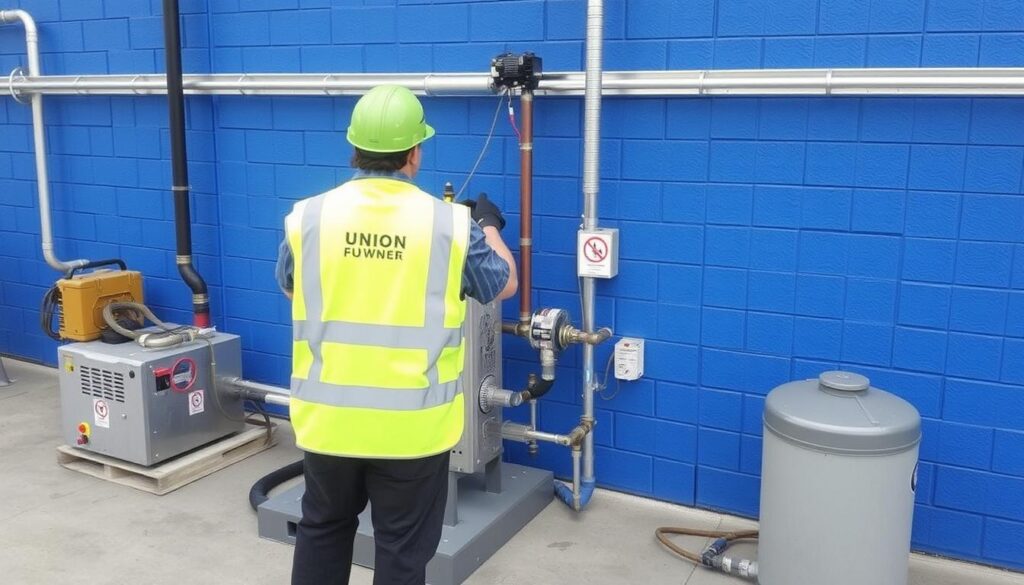
Getting into an HVAC union needs careful planning and preparation. The steps to join a union are key to starting your HVAC career. They include researching, checking your eligibility, gathering documents, applying, preparing for interviews, and starting your apprenticeship.
- Research Local HVAC Unions
First, find union locals in your area. Look for pipefitters and sheet metal workers unions. Visit the United Association (UA) and local trade organizations to find HVAC union programs.
- Verify Eligibility Requirements
Make sure you qualify. You need to be at least 18, have a high school diploma or GED, and pass a physical fitness test.
- Gather Documentation
Get the important documents ready. You’ll need:
- High school transcripts
- Valid government ID
- Proof of work authorization
- Any relevant technical certifications
- Submit Apprenticeship Application
Fill out and send in your application to the union’s apprenticeship program. Make sure you meet all the requirements and follow the guidelines.
- Prepare for Interviews
Get ready for tests and interviews. Show your dedication to the trade and any technical skills you have.
- Begin Apprenticeship Training
After being accepted, you’ll start your training. It includes classes and real-world experience. This is your first step in a professional HVAC career.
Remember, don’t give up when trying to get into an HVAC union. If you’re not accepted right away, keep improving and try again later.
Researching Local Pipefitters Union and Sheet Metal Workers Union Options
Choosing the right union for your HVAC career is key. Your success depends on finding a union that fits your skills, interests, and local job market needs.
When joining a local pipefitters union or applying to a sheet metal workers union, explore many resources. This will help you make a well-informed decision.
Finding the Right Union Local in Your Area
Start by looking into these important sources:
- United Association (UA) website for pipefitters
- Sheet Metal Workers’ International Association (SMWIA) website
- Local union hall contact information
- Online union member forums and discussion groups
Attend union information sessions and recruitment events to:
- Meet union representatives
- Ask detailed questions about apprenticeship programs
- Understand job placement rates
- Network with current union members
Understanding Trade Specializations in HVAC Unions
Different unions offer unique specializations that can shape your career:
- Pipefitters Unions (UA locals): Focus on installing and maintaining complex piping systems for heating, cooling, and refrigeration
- Sheet Metal Workers Unions: Specialize in fabricating and installing ductwork, ventilation systems, and architectural sheet metal
Choose a specialization that matches your interests and local market demands. Some areas might have more opportunities in certain trades. So, research your local job market well.
Explore Our HVAC Shop
Looking for top-rated HVAC tools, parts, and accessories? Visit our shop and find the perfect solution for your needs.
Visit the ShopCompleting Your Union HVAC Training Programs Application
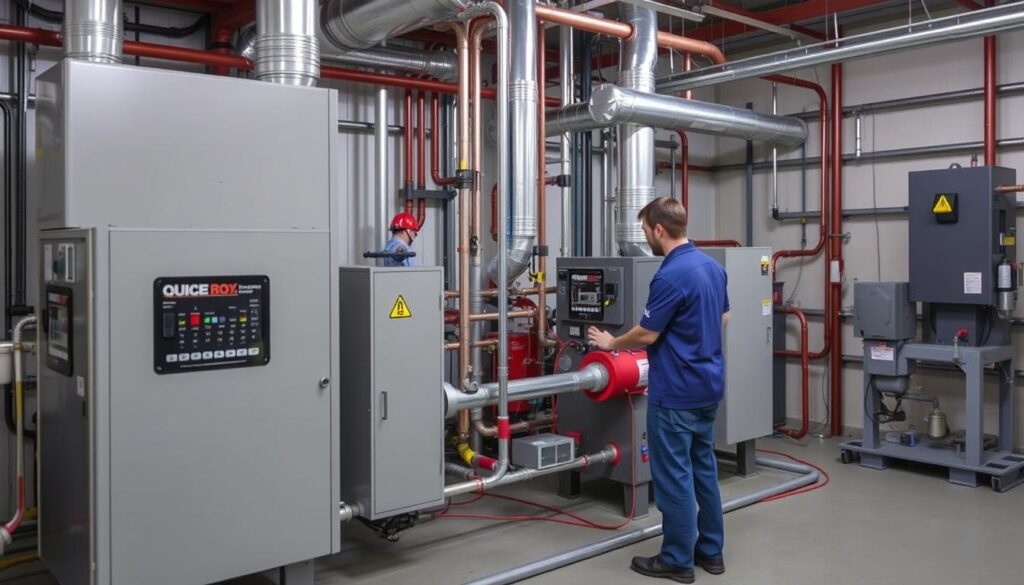
Applying to the sheet metal workers union needs careful planning. Your application is your first chance to make a good impression. Most programs have specific times to apply, usually in spring or fall. Missing these times can push your start date back a whole year.
Get your application materials ready with care. You’ll need a few important documents:
- High school transcripts or GED scores
- Proof of age and work authorization
- Letters of recommendation
- Completed personal information forms
Choose people who know your work ethic and mechanical skills for recommendation letters. Good choices include:
- Technical education instructors
- Previous employers
- Community leaders who know your abilities
Be ready to pay an application fee, which is usually $25-$75. Pro tip: Some unions have online applications, while others need you to apply in person at their local hall.
Your essay should show your real interest in HVAC work. Talk about your mechanical skills, your eagerness to learn, and your knowledge of the trade. Be honest, detailed, and make sure your application looks professional.
Navigating the HVAC Union Apprenticeship Interview Process
The interview stage is a key part of your HVAC apprenticeship journey. Being well-prepared can greatly boost your chances of success. Union reps look for candidates who show passion, professionalism, and growth in the trade.
Common Interview Questions and Preparation Strategies
Be ready for questions that check your motivation and HVAC knowledge. You might be asked:
- Why do you want to become an HVAC technician?
- What knowledge do you have about our union?
- Can you describe a mechanical problem you’ve solved?
- How would you handle challenging work conditions?
- What are your long-term career goals in the HVAC industry?
Work on your answers to show your work ethic, mechanical interest, and apprenticeship commitment. Practice with friends or family to boost your confidence and improve your answers.
What Union Representatives Evaluate in Candidates
Interview panels look at several important qualities to see if you’re right for the apprenticeship:
- Professionalism and communication skills
- Genuine interest in the trade
- Reliability indicators
- Mechanical aptitude
- Physical capability for demanding work
- Long-term commitment to the industry
Dress professionally, arrive on time, make eye contact, and ask smart questions about the training. Showing you know about HVAC and the union shows you’re serious about the opportunity.
Starting Your Journey as an HVAC Union Apprentice
Starting your union HVAC training is exciting. It’s the first step towards a rewarding career. You’ll learn a lot and become a skilled professional.
The apprenticeship lasts 4-5 years. It mixes classroom learning with real-world training. You’ll learn both theory and practical skills.
- Classroom learning covers critical technical skills like:
- Thermodynamics and electrical systems
- Blueprint reading and system design
- Safety regulations and building codes
- Welding and brazing techniques
At first, you’ll help experienced workers. You’ll do tasks like preparing sites and handling materials. As you get better, you’ll take on more challenging jobs. Your pay will increase as you progress.
“Success in union HVAC training programs requires dedication, adaptability, and a commitment to continuous learning.” – HVAC Union Training Expert
To succeed, you need to be on time, follow safety rules, and respect your supervisors. Your union membership also offers benefits like health insurance. This helps you grow professionally.
This apprenticeship is a chance to become a skilled HVAC technician. It opens doors to a bright future in your career.
Advancing to HVAC Journeyman Certification and Beyond
Your journey through the HVAC union apprenticeship program is a big step towards becoming a skilled professional. It’s important to know about the certification process and how much you can earn. This knowledge helps in your career growth.
To get hvac journeyman certification, you need hard work and a good plan. The apprenticeship usually lasts 4-5 years. During this time, you’ll learn a lot of skills and knowledge.
Apprenticeship Completion Requirements
- Complete 8,000-10,000 hours of on-the-job training
- Attend 800-1,000 hours of classroom instruction
- Pass periodic competency evaluations
- Successfully complete practical and written examinations
Union HVAC Technician Salary Progression
As you move up in your apprenticeship, your pay will increase. The salary structure for union HVAC technicians shows how your earnings will grow.
| Apprenticeship Stage | Hourly Wage Range | Annual Earnings |
|---|---|---|
| First Year Apprentice | $18-$25 | $37,440-$52,000 |
| Fourth Year Apprentice | $35-$45 | $72,800-$93,600 |
| Journeyman Level | $50-$75 | $104,000-$156,000 |
Once you have your hvac journeyman certification, you’ll have many chances to move up. You could become:
- Foreman
- Project supervisor
- Training instructor
- Union business agent
Planning your career and always learning new skills are important for success in the HVAC field.
Discovering HVAC Union Job Opportunities After Certification
After getting your certification, a wide range of HVAC union jobs becomes available. Union halls act as key job centers. They connect skilled technicians with contractors in many fields.
Your union membership opens doors to different work settings. These include:
- Commercial buildings (offices, hospitals, schools)
- Industrial facilities (manufacturing plants, data centers)
- Institutional projects (government buildings, universities)
- Large residential complexes
There are also special jobs in refrigeration systems, clean room environments, and building automation. The union network offers great flexibility. You can work in different places and even travel for jobs.
Job availability can change, but union seniority helps during slow times. New areas like green building and smart buildings also create more job chances for HVAC experts.
The need for skilled HVAC workers keeps growing. This is because of retirements and the importance of climate control. Your union certification puts you at the top of this fast-changing field. You’re ready to face new technological challenges.
Conclusion
Starting a journey to join an HVAC union is a smart career choice. It offers stability and growth. We’ve outlined six steps to help you achieve your goals. Each step moves you closer to a fulfilling career in the skilled trades.
Getting ready and staying committed can open big doors in the HVAC world. By looking into union careers, you’re setting yourself up for success. You’ll enjoy good pay, great benefits, and job security that goes beyond regular jobs. The skills you gain are not just for now but for your whole life.
Though joining an HVAC union might seem tough, many technicians do it every year. By researching local unions, meeting the requirements, and always learning, you’ll stand out. This career is more than a job; it’s a chance to build a life based on skill and stability.
Start today by contacting your local union reps. Your HVAC career begins with understanding how to join a union and believing in yourself. With hard work and passion, you can create a career that’s both rewarding and fulfilling.