Affiliate Disclosure
HVAC Guide Guys is a participant in the Amazon Services LLC Associates Program, an affiliate advertising program designed to provide a means for sites to earn advertising fees by advertising and linking to Amazon.
Ever wondered why your air conditioning system suddenly loses efficiency? It might be because of your HVAC line set. This important part is often ignored by homeowners.
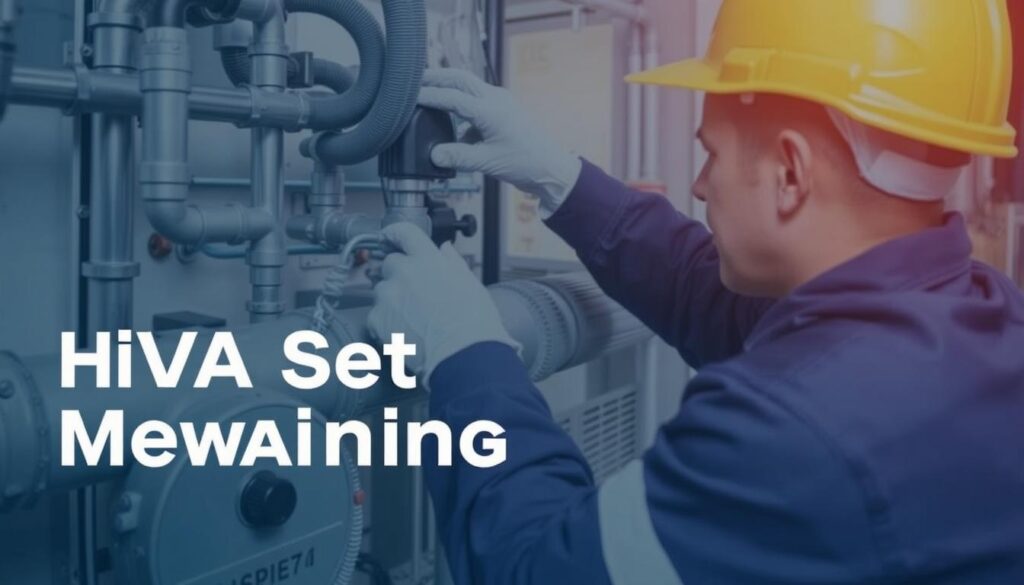
Flushing your HVAC line set properly is key to keeping your cooling system working well. It’s vital whether you have an old system or are getting it converted. Knowing how to flush your HVAC line set can save you a lot of money on repairs.
This guide will show you how to flush your HVAC line set. You’ll learn professional methods to keep your system clean and running right. You’ll learn how to spot problems and do a line set flush correctly. This will help keep your cooling system in top shape.
Key Takeaways
- Line set flushing prevents costly system damage
- Professional techniques can extend HVAC system life
- Regular maintenance reduces unexpected breakdowns
- Proper flushing is key during refrigerant conversions
- DIY maintenance can save a lot on repair costs
Table of Contents
Understanding Your HVAC Line Set and Why Flushing Matters
Your HVAC system’s performance relies on a key part many overlook: the line set. Knowing how these lines work is vital for keeping your cooling system efficient and lasting longer.
What is an HVAC Line Set?
An HVAC line set has two copper tubes. They connect your outdoor unit to the indoor coil. The big tube is the suction line, and the small one is the liquid line. They carry refrigerant through your system.
- Suction line: Carries low-pressure, cool refrigerant
- Liquid line: Transports high-pressure, warm refrigerant
The Role of Line Sets in Your Cooling System
Cleaning these lines is key for your system’s best performance. The copper tubes are the main way for heat transfer. They help your air conditioner cool your home by moving heat outside.
Why Contaminants Accumulate in Refrigerant Lines
Contamination in HVAC lines builds up over time. To clean these lines, you need to know what causes the dirt:
| Contamination Source | Potential Impact |
|---|---|
| Compressor Burnout | Acidic residue and carbon particles |
| Refrigerant Conversion | Incompatible oil types and debris |
| System Wear | Metal particles and breakdown products |
Build-up can lower your system’s efficiency. It might cause costly repairs and early part failure.
Regular upkeep and professional cleaning can stop these problems. This ensures your cooling system works its best.
Signs Your HVAC Line Set Needs Flushing
Knowing when to flush your HVAC line set is key to keeping your cooling system running well. Some signs tell you it’s time to learn how to flush your HVAC line set.
Your HVAC system shows signs of trouble through several indicators:
- Reduced cooling capacity where the system runs constantly but fails to reach desired temperatures
- Unusual noises like hissing, gurgling, or banging from refrigerant lines
- Unexpectedly high energy bills without increased usage
- Frequent system short cycling
Oil discoloration is another important sign. Dark, burnt-smelling, or acidic oil during maintenance means contamination. This is true after any compressor failure, which can release harmful acids and carbon.
Be careful during refrigerant conversions, like switching from R-22 to R-410A systems. These changes often need a thorough line set flush. This ensures the system works well together.
Proactive maintenance prevents costly system failures and ensures your HVAC operates at peak efficiency.
By recognizing these warning signs, you can act quickly to flush your HVAC line set. This protects your cooling system from damage and keeps it running at its best.
Explore Our HVAC Shop
Looking for top-rated HVAC tools, parts, and accessories? Visit our shop and find the perfect solution for your needs.
Visit the ShopEssential Safety Precautions Before Starting the Flushing Process
Safety is key when you’re doing an HVAC system flush. Getting ready right can stop injuries and make sure your maintenance goes well. Before starting, it’s vital to know and follow important safety steps to keep you and your tools safe.
Experts in HVAC say safety first is always best. Making sure you and your area are ready is the first step in any HVAC flush job.
Required Safety Gear and Equipment
Wearing the right gear is key to avoid chemical harm:
- Chemical-resistant gloves
- ANSI-approved safety glasses
- Long-sleeved protective clothing
- Respirator mask (for tight spots)
Electrical Safety Protocols
Electrical safety is a must in HVAC work. Here’s what to do:
- Find your home’s main electrical panel
- Find the HVAC unit’s breaker
- Turn the breaker to OFF
- Check the thermostat to make sure power is off
Workspace Preparation
Setting up a safe work area is important for your safety:
| Preparation Step | Purpose |
|---|---|
| Lay protective tarps | Catch any spills |
| Make sure there’s good air flow | Stop chemical fumes from building up |
| Put out buckets for used solutions | Manage the flushing agents |
| Clear the area for easy access | Help with smooth maintenance |
Don’t rush safety steps. Taking your time to protect yourself and your area is important before any HVAC work.
Tools and Materials Needed for Line Set Flushing
Getting ready for an HVAC line set flush needs careful planning and the right tools. Your ac line flush kit is key for a good maintenance job. Having the right tools will help you do the job well and fast.
- Nitrogen cylinder with 120 psi regulator
- Line set flush pump
- Flushing agent canisters
- Collection buckets
- Flare fittings (1/4-inch)
- Tube cutter
- Soldering torch
- Wrenches
- Crimping tools
Your ac line flush kit should have most of these items. Make sure you have a line set flush pump. It’s important for pushing the flushing agent through your lines. Experts say to have different size adapters and connections for various HVAC systems.
Wearing protective gear is also vital. Always wear safety glasses, gloves, and work in a place with good air flow. Have clean rags, tarps, and a spot for used flushing agents to keep things clean.
Pro Tip: Double-check your equipment inventory before starting to prevent mid-project interruptions.
How to Flush HVAC Line Set: Complete Step-by-Step Guide
Maintaining your HVAC system is key. A nitrogen purge of HVAC lines is a detailed process. It ensures your cooling system works well and lasts long.
Experts use special techniques to clean line sets for new refrigerant. Knowing each step helps avoid system failures and boosts efficiency.
Step One: Nitrogen Purge Preparation
- Connect nitrogen cylinder with pressure regulator to line set
- Set initial pressure to 120 psi
- Release pressure to dislodge loose debris and metal shavings
- Oscillate purge pressure to remove stubborn contaminants
Step Two: Lineset Preparation
Get your line set ready by removing obstacles:
- Remove expansion valves
- Disconnect filter driers
- Cut line sets longer than 50 feet into shorter sections
- Crimp line set ends to restrict flow
Step Three: Flushing Agent Application
Effective cleaning starts with preparation:
- Solder 1/4-inch flare fittings to line set entry points
- Attach access valve for flushing agent connection
- Position collection buckets at exit points
Step Four: Flushing Technique
Flush with care:
- Connect flushing agent canister to access valve
- Flush from inside to outside
- Move from high to low elevations
- Maintain consistent pressure
Step Five: Debris Collection
Check and collect the flushing agent:
- Use clean buckets to collect expelled liquid
- Continue flushing until liquid runs clear
- Switch to a clean bucket for final assessment
Step Six: Final System Check
Finish with a final nitrogen purge:
- Purge within 10-15 minutes after flushing
- Remove all residual chemical agents
- Prepare system for new refrigerant charging
Note: Always follow manufacturer guidelines and consider professional assistance for complex HVAC maintenance tasks.
Explore Our HVAC Shop
Looking for top-rated HVAC tools, parts, and accessories? Visit our shop and find the perfect solution for your needs.
Visit the ShopChoosing the Right Flushing Agent for Your System
Choosing the right flushing agent is key for your HVAC system’s health. The right agent can clean out dirt and get your system running smoothly.
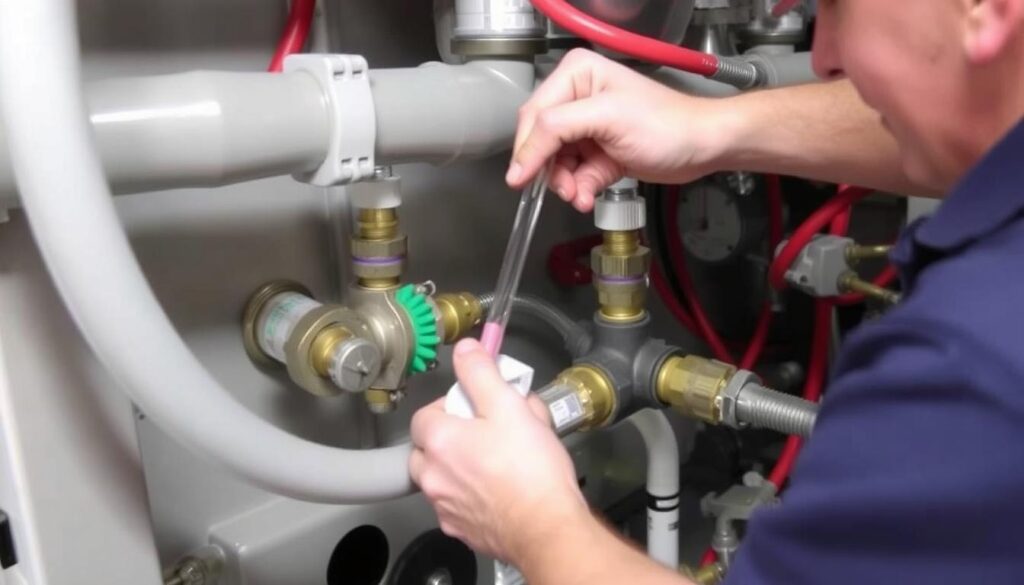
Knowing the different types of flushing agents is important. It helps you pick the best one for cleaning your refrigerant lines well.
Biodegradable vs Non-Biodegradable Solutions
- Biodegradable Flushing Agents:
- Good for the environment
- Breaks down naturally
- Easy to dispose of
- Less harm to the environment
- Non-Biodegradable Flushing Agents:
- Stronger cleaning power
- Needs special disposal
- Can be more costly
- Best for very dirty systems
Calculating the Correct Flushing Amount
Getting the right amount of flushing agent is important. Here’s a simple guide to help you figure it out:
- 7-10 ton refrigeration system: One 2-pound canister
- 5-ton system: Half of a 2-pound canister
- Extremely contaminated lines: You might need more
Pro tip: Buying 2-pound canisters is usually more cost-effective. Make sure the product is safe for your HVAC system by checking the specs and MSDS.
Special Considerations for R-22 to R-410A Conversions
Switching from R-22 to R-410A refrigerant systems needs careful line set cleaning. This is because R-22 is being phased out in the United States.
The main challenge is the difference between these refrigerant systems. R-22 uses mineral oil, but R-410A needs polyol ester (POE) oil. These oils can’t mix, so cleaning the lines well is key for system success.
- R-410A operates at significantly higher pressures (up to 1.6 times higher than R-22)
- Mineral oil can cause serious system complications
- Improper cleaning may lead to compressor failure
When cleaning R-410A lines, you must be very thorough. The goal is to get rid of all mineral oil. This oil can:
- Reduce heat transfer efficiency
- Starve the compressor of proper lubrication
- Potentially cause complete system breakdown
Experts often suggest doing multiple flush cycles to remove all oil. Sometimes, it’s better to replace the lines, if they’re hard to clean or access.
Also, replace any system parts that touched mineral oil. This includes the filter drier and expansion device. This ensures the R-410A system works its best.
Proper Disposal Methods for Used Flushing Agents
When you finish flushing your HVAC system, you must dispose of the used agents carefully. This is because environmental laws require special handling of these chemicals. They help keep both people and nature safe.
Knowing how to dispose of your flushing agents is key. You need to think about a few important things:
- Find out what kind of flushing agent you used in your HVAC system
- Look at the Safety Data Sheet (SDS) for the right disposal steps
- See if the agent breaks down easily or if it’s harmful
- Find a place in your area that’s certified to handle waste
Environmental Regulations and Safety Guidelines
The chemicals from your HVAC flush can’t just be thrown away. Each type of flushing agent needs its own way to be disposed of. This is because of its chemical makeup.
- Biodegradable agents: Usually go through used oil recycling centers
- Non-biodegradable agents: Need special hazardous waste disposal
Working with Hazardous Waste Disposal Companies
For toxic flushing agents, you need experts in hazardous waste disposal. Reach out to companies that are licensed for HVAC chemical waste. They can handle the waste safely and make sure everything is done right.
Always put environmental safety and following the law first when you’re doing HVAC system maintenance.
Proper disposal is good for the environment, keeps you out of trouble with the law, and shows you’re taking care of your equipment. Spend time learning and following the right waste management steps for your flushing agent.
Explore Our HVAC Shop
Looking for top-rated HVAC tools, parts, and accessories? Visit our shop and find the perfect solution for your needs.
Visit the ShopCommon Mistakes to Avoid When Flushing HVAC Lines
Flushing your HVAC lines can be tricky. Knowing the common mistakes can help you avoid problems. This way, you can clean your lines better.
Experts say many homeowners make the same mistakes when flushing their lines:
- Skipping initial nitrogen purge – This step removes loose debris before flushing
- Using too little flushing agent
- Not dividing long line sets correctly
- Ignoring exit points during flushing
One big mistake is stopping the flush too soon. You need to keep flushing until the liquid is clear. This might take more agent than you think.
Another mistake is using non-pressurized flushing agents. These can add moisture and reduce cleaning power. Always pick sealed, pressurized solutions to keep your lines clean.
The final nitrogen purge is key. You must do this within 10-15 minutes after flushing. Skipping it can leave residue that harms your system.
- Always flush from inside to outside
- Keep the flow direction from high to low
- Wear the right safety gear
- Get your system ready before flushing
Avoiding these mistakes will help you clean your HVAC lines better. This keeps your system running well for a long time.
Maintaining Your HVAC System After Line Set Flushing
After you’ve flushed your HVAC lines, keeping your system in top shape is key. This care ensures your system runs well for a long time. It also keeps it clean and efficient.
To keep your HVAC system clean, follow a few important steps. Changing your filters regularly is a must. It stops dust and dirt from getting back into your system. Make sure to check your HVAC filter every month. Replace it every 1-3 months, depending on how often you use it.
Essential Maintenance Checklist
- Replace air filters every 1-3 months
- Clean evaporator and condenser coils annually
- Inspect blower motor and fan assembly yearly
- Schedule professional tune-ups before summer and winter
Performance Monitoring Techniques
Keep a close eye on how your system is doing after flushing. Watch for:
- Energy bill consistency
- Supply and return air temperature differential
- Unusual system noises
- Cooling and heating efficiency
Keep good records of your maintenance work. These records show how well your system is doing. They also help future technicians understand your system better.
When to Call a Professional HVAC Technician
Flushing your HVAC line set can be tough. Sometimes, you need a pro to keep your cooling system safe and working right. Knowing when to call an HVAC technician can save you time, money, and prevent damage.
Here are some situations where you should get a pro:
- Complex system setups with many zones
- Big commercial HVAC systems over 5 tons
- Line sets in hard-to-reach spots
- Stuck contamination after trying to clean it yourself
- Systems that need refrigerant recovery
Certified HVAC techs have special tools and know-how. They can do more than just flush your HVAC line set. They can:
- Do full system checks
- Use tools like acid test kits
- Find hidden dirt and problems
- Handle refrigerant safely
Getting a pro to flush your line set usually costs $300-$800. It’s worth it to keep your equipment safe and follow EPA rules.
| Service Type | Average Cost | Complexity Level |
|---|---|---|
| Residential System Flush | $300-$500 | Low to Medium |
| Commercial System Flush | $500-$800 | High |
When picking a pro, check if they’re EPA certified. Read what others say and ask for different prices. This way, you’ll get the best service for your HVAC line set flushing.
Conclusion
Cleaning refrigerant lines is key to keeping your HVAC system in top shape. Knowing how to flush your HVAC line set right can save you from costly repairs. It also makes sure your cooling system works its best.
For successful line set maintenance, you need to be precise and thorough. This guide has shown you how to do it right. Cleaning your lines properly stops contamination, cuts down system stress, and makes your equipment last longer.
Your HVAC system is a big investment, and keeping it maintained is essential. You can do the flushing yourself or get a pro to do it. Either way, you now know how to take good care of your system. Always put safety first, use the right tools, and get help if you’re unsure about anything.
Regular maintenance, like cleaning refrigerant lines, keeps your HVAC system running well. It also keeps the air inside your home clean and comfortable for years.