
Affiliate Disclosure
HVAC Guide Guys is a participant in the Amazon Services LLC Associates Program, an affiliate advertising program designed to provide a means for sites to earn advertising fees by advertising and linking to Amazon.
Ever thought about a secret measure that boosts your HVAC system’s performance? Knowing how to find the compression ratio in HVAC systems could unlock your equipment’s full power.
Learning about compression ratio in HVAC is more than just tech talk. It’s about making your system work better, saving on energy, and making your equipment last longer. This guide will cover everything from the basics to advanced ways to check these important numbers.
If you work with HVAC, manage buildings, or just want to know more, learning about compression ratio is key. You’ll learn how to measure, calculate, and understand these vital performance numbers.
Key Takeaways
- Compression ratio is a critical metric for HVAC system performance
- Understanding this measurement helps optimize energy efficiency
- Proper calculation requires specific pressure measurements
- Compression ratio impacts equipment longevity and reliability
- Professional tools can help accurately determine compression ratios
Table of Contents
Understanding HVAC Compression Ratio Fundamentals
Knowing about compression ratio is key for HVAC and refrigeration experts. It helps you check how well systems work, make them more efficient, and avoid breakdowns.
What is Compression Ratio in HVAC Systems
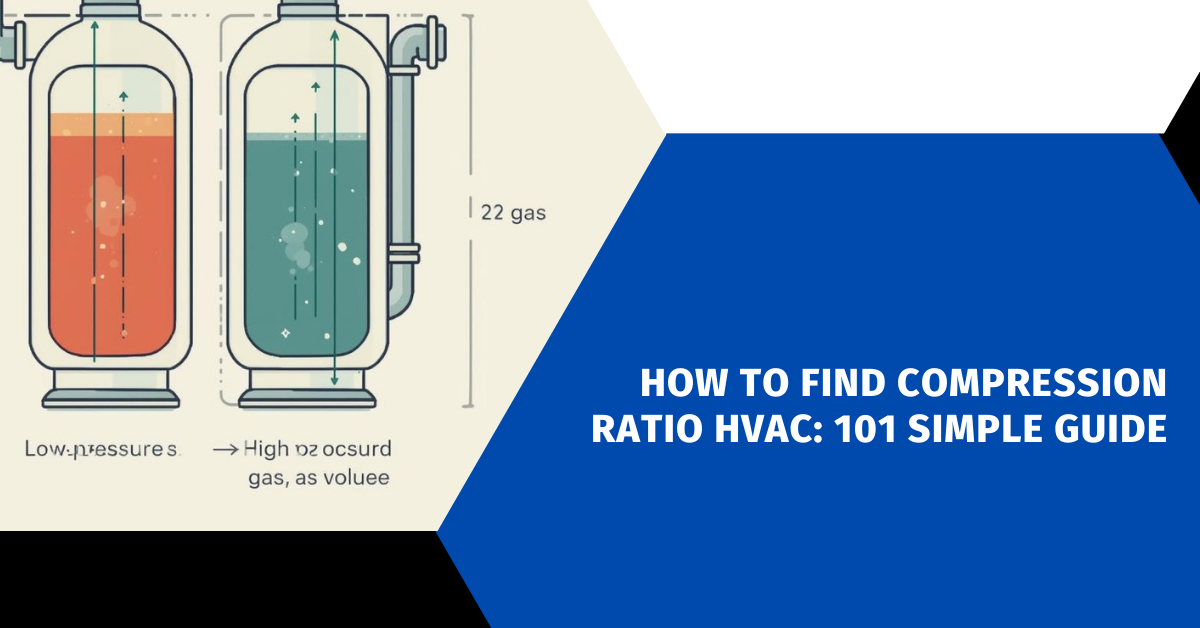
Compression ratio shows the difference between the high and low pressures in HVAC systems. To find it, you divide the high pressure by the low pressure.
- It’s shown as a number ratio (like 3:1 or 5:1)
- Tells you how much the refrigerant is compressed
- Is very important for system performance
Why Compression Ratio Matters for System Performance
The formula for refrigeration compression ratio gives you important info about your system’s health. If the ratio is off, you might face big issues:
- Too high ratios make the system too hot
- Use more energy
- Shorten the compressor’s life
- Could even cause the system to fail
“Understanding compression ratio is like reading your HVAC system’s vital signs” – HVAC Engineering Professionals
The Role of Pressure in Refrigeration Cycles
Pressure differences are what make the refrigeration cycle work. Temperature, refrigerant type, and the environment all affect these pressures. By keeping an eye on compression ratios, you help your system run better and last longer.
Experts use exact pressure readings to check and improve HVAC system performance. This makes knowing about compression ratios very important for fixing problems.
Explore Our HVAC Shop
Looking for top-rated HVAC tools, parts, and accessories? Visit our shop and find the perfect solution for your needs.
Visit the ShopHow Air Conditioning Compressors Work
The air conditioning compressor is the heart of your HVAC system. It’s key for air conditioning compression testing and moving refrigerant. It’s like the engine that drives the cooling process.
- Draws low-pressure refrigerant vapor from the evaporator
- Increases refrigerant pressure and temperature
- Pushes compressed refrigerant into the condenser
- Enables heat transfer through pressure manipulation
Different compressors are used in HVAC systems. Each has its own special features:
- Reciprocating Compressors: Use pistons to compress refrigerant
- Scroll Compressors: Utilize spiral-shaped components for smoother operation
- Rotary Compressors: Employ rotating mechanisms for compression
Your compressor needs certain things to work right:
- Right amount of refrigerant
- Enough lubrication
- Clean air intake
- Stable power supply
The harder it works, the more energy it uses. This is during air conditioning compression testing.
The compressor’s efficiency directly impacts your HVAC system’s overall performance and energy consumption.
Knowing how compressors work makes understanding your air conditioning system easier. It makes maintenance and fixing problems simpler.
How to Find Compression Ratio HVAC
Knowing how to find the compression ratio in HVAC systems is key to checking compressor performance. This guide will show you how to measure and calculate compression ratios. It will help you keep your system running efficiently.
Identifying Suction and Discharge Pressures
To find the compression ratio, you need to find two important pressure points in your HVAC system:
- Suction Pressure: This is measured at the compressor inlet (low-pressure side)
- Discharge Pressure: This is measured at the compressor outlet (high-pressure side)
Using the Compression Ratio Formula
Calculating the compression ratio is simple. You just need to convert gauge pressures to absolute pressures. Here’s how to do it:
- Measure the discharge pressure in psig
- Measure the suction pressure in psig
- Add 14.7 psi to both pressures to get absolute pressure
- Divide the discharge absolute pressure by the suction absolute pressure
| Refrigerant Type | Typical Discharge Pressure (psig) | Typical Suction Pressure (psig) | Compression Ratio |
|---|---|---|---|
| R-410A | 278 | 69 | 4.5:1 |
| R-22 | 245 | 58 | 4.2:1 |
| R-134a | 220 | 52 | 4.3:1 |
Reading Pressure Gauges Correctly
Getting accurate pressure readings is vital for finding the compression ratio in HVAC systems. Here are some tips:
- Know the difference between gauge pressure (psig) and absolute pressure (psia)
- Check if your gauges are calibrated before measuring
- Try to avoid parallax errors when reading analog gauges
- Make sure digital readouts are accurate
Pro Tip: Always keep your gauges in good condition and calibrated for the most precise compression ratio calculations.
Calculating Compression Ratio in HVAC Systems
Calculating the compression ratio in HVAC systems is all about precision. It’s about understanding key pressure measurements. This process helps you see how well your system is working.
The compression ratio shows how the air pressure changes in your air conditioning system. It’s a key number for checking your system’s performance and efficiency.
To find the compression ratio, follow these steps:
- Measure the discharge pressure at the compressor outlet
- Measure the suction pressure at the compressor inlet
- Convert both pressures to absolute pressure
- Divide discharge pressure by suction pressure
The formula for calculating the compression ratio is simple: Compression Ratio = Discharge Pressure ÷ Suction Pressure. For instance, if your system has a discharge pressure of 240 psig and a suction pressure of 68 psig, the ratio is about 3.5:1.
| Refrigerant Type | Typical Compression Ratio Range | System Application |
|---|---|---|
| R-410A | 2.5:1 – 3.5:1 | Residential Split Systems |
| R-22 | 2.0:1 – 3.0:1 | Older Commercial Units |
| R-134a | 3.0:1 – 4.0:1 | Commercial Chillers |
Getting accurate results depends on using the right tools and knowing your system well. Experts say to check the compression ratio under different conditions. This ensures your system is running at its best.
Optimal Compression Ratios for Different HVAC Applications
Knowing about compression ratios is key for top HVAC and refrigeration system performance. Each use needs a specific compression method for the best efficiency and cooling.
Single-Stage Compression Systems
Most homes and small businesses use single-stage compression. These systems work best with a ratio between 2:1 and 5:1. But, ratios over 8:1 can cause big problems:
- Too high discharge temperatures
- Possible oil breakdown
- Lower system efficiency
Multistage Compression Processes
Big refrigeration and chillers use multistage compression for high pressure. They split the pressure increase into several stages. This way, they can reach ratios of 10:1 or more.
The main idea is to spread the pressure increase evenly. Each stage should handle about the same compression to keep the system running well.
Compound Compression in Refrigeration Racks
Supermarkets and cold storage use compound compression systems. These setups have low-stage and high-stage compressors for different temperatures.
The refrigerant goes through suction, discharge, and liquid lines. It does many important jobs. So, managing the compression ratio for each group is critical.
Explore Our HVAC Shop
Looking for top-rated HVAC tools, parts, and accessories? Visit our shop and find the perfect solution for your needs.
Visit the ShopHVAC Compressor Efficiency Measurement
It’s key to understand how to measure hvac compressor efficiency. This is because it shows how well your compressor works. It turns electrical energy into cooling work. Technicians look at several important metrics to check how well it’s doing.
- Actual power use compared to what the maker says
- Superheat and subcooling temperatures
- Discharge temperature compared to compression ratio
- Coefficient of Performance (COP) calculations
Different types of compressors have different efficiency levels:
| Compressor Type | Efficiency Range |
|---|---|
| Reciprocating Compressors | 70-80% |
| Scroll Compressors | 75-85% |
| Screw Compressors | 75-85% |
| Centrifugal Compressors | 80%+ (optimal range) |
Your compressor’s efficiency can go down over time. This can happen because of:
- Mechanical wear
- Contamination
- Valve problems
- Inadequate lubrication
By checking your HVAC compressor’s efficiency often, you can make smart choices. This can help save energy and cut down on costs.
Compression Ratio Diagnostics for HVAC Troubleshooting
Understanding compression ratio diagnostics is key to keeping your HVAC system running well. Knowing how to spot issues can save you time and money. It also helps avoid big problems with your system.
To do effective diagnostics, you need a clear plan. This plan helps find problems early, before they cost a lot to fix.
Identifying Poor Compressor Performance
Spotting bad compressor performance takes some work. You need to look at the hvac troubleshooting compression values closely. Look out for:
- Unusual system noise
- Inconsistent cooling performance
- Unexpected energy consumption increases
- Irregular pressure readings
Common Compression Ratio Problems
HVAC systems face many challenges with compression ratios. These issues can lower efficiency:
- High Compression Ratio: This can be due to:
- Dirty condenser coils
- Too much refrigerant
- Blocked airflow
- Low Compression Ratio: This might be caused by:
- Not enough refrigerant
- Leaky compressor valves
- Worn-out compressor parts
“Accurate compression ratio diagnostics are the key to preventative HVAC maintenance.” – HVAC Professional Manual
When to Call a Professional Technician
Some problems need a pro’s help. Call a technician if you see:
- System not working right
- Hard refrigerant system issues
- Compressor problems inside
- Performance drops without reason
Experts have the tools and know-how to fix tough compression ratio issues. They can do more than just basic checks.
Explore Our HVAC Shop
Looking for top-rated HVAC tools, parts, and accessories? Visit our shop and find the perfect solution for your needs.
Visit the ShopTools and Equipment for Measuring Compression Values
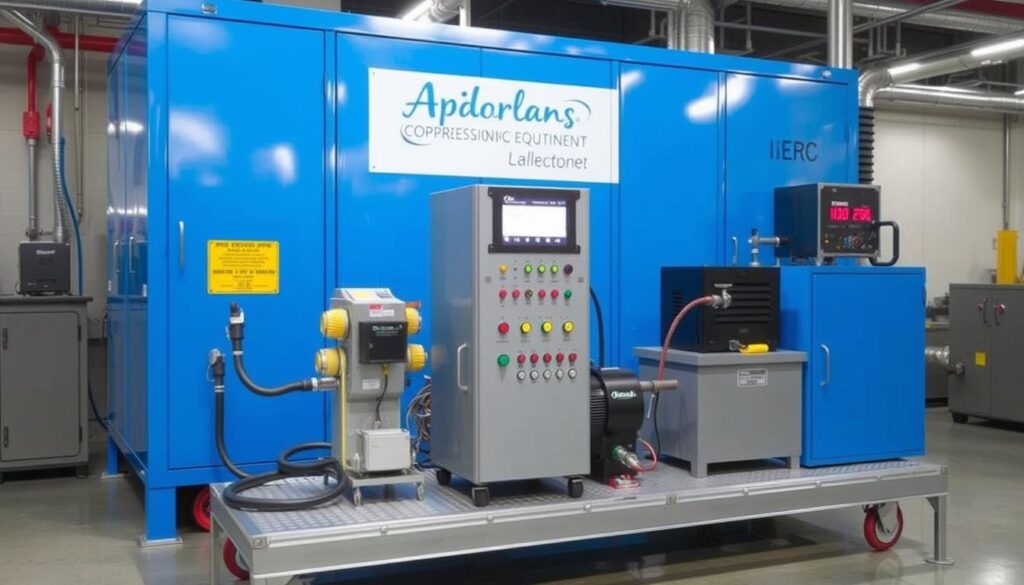
Testing air conditioning compression needs special tools for accurate results. Professional technicians use advanced instruments to check compression ratios well.
Key tools for air conditioning compression testing are:
- Digital manifold gauge sets
- Wireless pressure probes
- Temperature measurement devices
- Clamp-on ammeters
Digital manifold gauges are a big step up in HVAC tools. They give exact pressure readings and can figure out compression ratios. They also log data in real-time, so technicians can track system performance very accurately.
When picking tools for checking HVAC compressor performance, think about these things:
- Does it work with different refrigerants?
- How precise are the measurements?
- Can it record data?
- Is it easy to use?
Top-notch compression testing kits usually have wireless probes and apps for smartphones. These tools let technicians check system performance from afar and make detailed reports right away.
Buying the best measurement tools means you get accurate air conditioning compression tests. This helps keep your HVAC system running smoothly.
Optimizing HVAC System Performance Through Compression Ratio Management
Mastering compression ratio management is key to boosting your HVAC system’s efficiency. Understanding how ratios affect energy use and cooling lets you make smart choices. These choices can greatly improve your system’s performance.
Measuring HVAC compressor efficiency gives you vital insights. How you manage compression values can greatly impact energy use and costs.
Balancing Efficiency and Cooling Capacity
Finding the right balance between efficiency and cooling is important. You need to consider a few key factors:
- Proper equipment sizing to avoid high compression ratios
- Using staging or modulation strategies
- Choosing the right system design components
Checking HVAC compression values helps spot performance issues. Lower ratios are often more efficient but must cool enough.
Impact of Compression Ratio on Energy Consumption
Energy use is linked to compression ratios. Here are some tips for better efficiency:
- Keep heat exchangers clean to reduce pressure loss
- Ensure good airflow over coils
- Optimize refrigerant levels
- Use variable-speed compression technologies
Pro tip: A system with a 5:1 compression ratio might use 30% more energy than one with a 3:1 ratio.
Smart compression ratio management can lead to big energy savings and better HVAC system performance.
Conclusion
Learning how to find the compression ratio of HVAC systems is key for technicians and owners. It helps you understand how well your system works. By knowing the relationship between discharge and suction pressures, you can spot problems early.
Being able to read compression ratio data makes you stand out. It lets you catch issues before they cost a lot to fix. This way, you keep your HVAC system running smoothly and efficiently.
Getting better at compression ratio analysis takes practice. Every time you do a calculation, you learn more. This skill, along with others like superheat and temperature splits, gives you a deep understanding of HVAC systems.
Knowing about compression ratios is not just a skill—it’s a way to keep your cooling systems reliable. As you get better at finding the compression ratio, you’ll be a big help in keeping systems running well and preventing breakdowns.