

Affiliate Disclosure
HVAC Guide Guys is a participant in the Amazon Services LLC Associates Program, an affiliate advertising program designed to provide a means for sites to earn advertising fees by advertising and linking to Amazon.
Have you ever wondered why your house feels so dry and uncomfortable, even when the thermostat is set to a perfect temperature? This common problem often stems from low moisture levels in your home’s air.
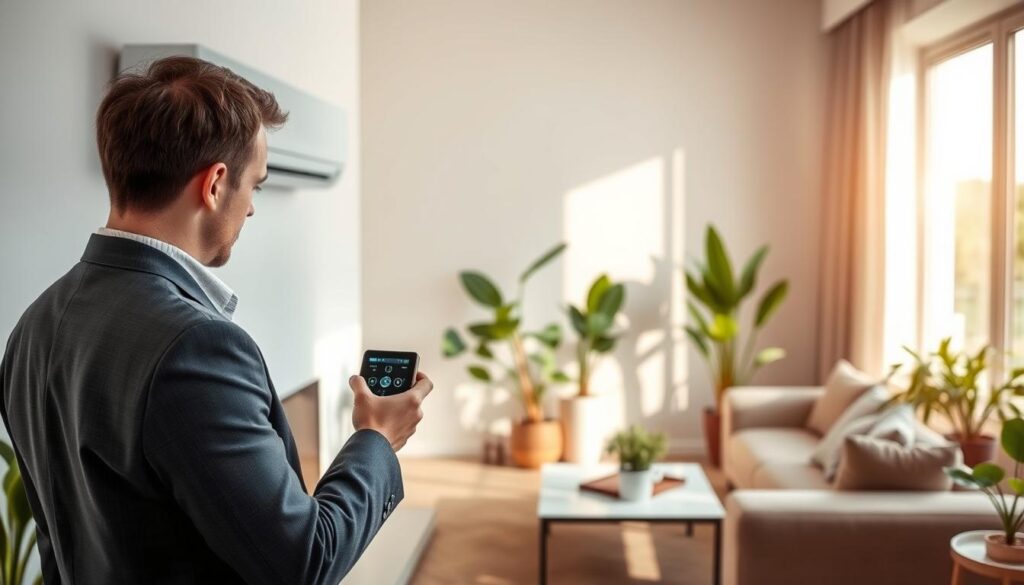
Your HVAC system does more than just heat and cool. It plays a vital role in managing your indoor environment. During colder months, heating can strip the air of its natural moisture. This leads to a host of issues that affect your well-being and your living space.
Dry air can cause skin irritation, scratchy throats, and even damage wood floors. Static electricity becomes a frequent annoyance. Understanding the connection between your comfort and your home’s air is the first step toward a solution.
This guide provides a clear path to better humidity control. You will learn effective strategies to create a healthier indoor atmosphere. We start with simple, cost-efficient methods before exploring advanced options.
Discover why adding a humidifier isn’t always the best first move. Learn to address the root causes of dry air in your home. By the end, you’ll have the knowledge to tailor a solution that fits your specific needs.
Key Takeaways
- Your HVAC system is crucial for managing indoor humidity, not just temperature.
- Dry air from heating systems can cause health and home comfort issues.
- Effective humidity control prevents problems like dry skin and static electricity.
- Solutions range from simple, cost-effective steps to more advanced upgrades.
- Addressing the root cause of dry air is more effective than just adding a humidifier.
- This guide provides a step-by-step approach to assess and improve your home’s air.
Table of Contents
Understanding Indoor Humidity and HVAC Systems
Your home’s air quality depends on more than just temperature—the amount of moisture present significantly affects your living experience. Humidity refers to water vapor in your air, measured as a percentage called relative humidity.
The EPA recommends maintaining indoor humidity between 30-50%. This range prevents mold growth and keeps your family comfortable. Different seasons require different approaches to moisture control.
Impact on Comfort and Health
Proper humidity levels directly influence your well-being. Low moisture causes dry skin, throat irritation, and static electricity. It can even damage wood furniture and flooring.
Excess humidity creates different problems. High moisture levels encourage mold growth and dust mites. This aggravates allergies and respiratory issues.
Role of HVAC in Regulating Air Moisture
Your HVAC equipment manages both temperature and moisture. Heating systems dry out winter air, while air conditioning removes summer humidity.
The evaporator coil condenses water vapor from warm air. This process naturally dehumidifies your home during cooling cycles. Understanding this dual function helps you maintain balanced home humidity.
Explore Our HVAC Shop
Looking for top-rated HVAC tools, parts, and accessories? Visit our shop and find the perfect solution for your needs.
Visit the ShopFactors Influencing Indoor Humidity Levels
Your indoor environment’s humidity is shaped by a combination of external and internal factors. Understanding these elements helps you maintain comfortable moisture levels throughout the year.
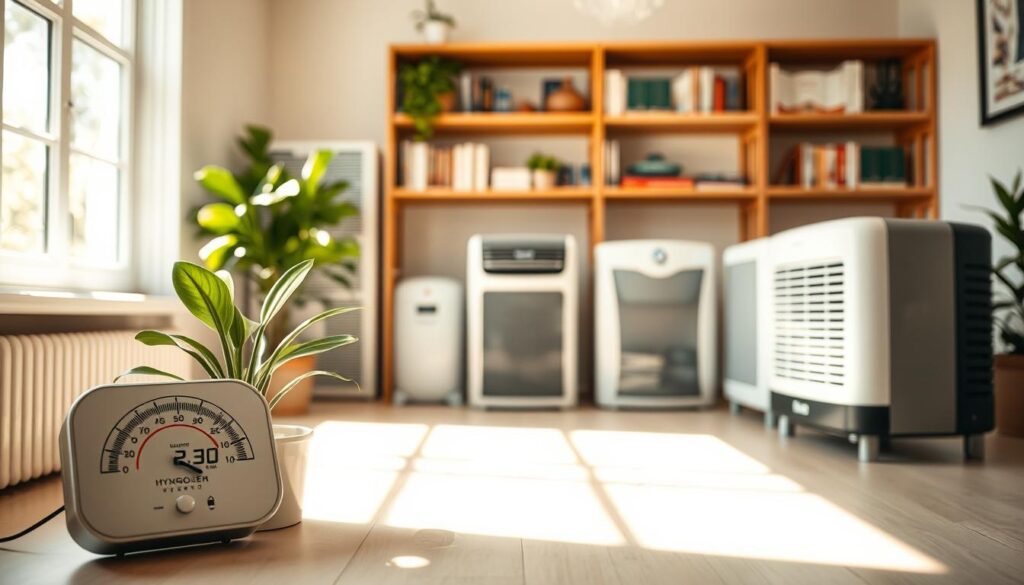
Multiple forces work together to create your home’s unique atmospheric conditions. These include natural climate patterns and your daily routines.
Temperature, Seasonal Changes, and Moisture Capacity
Warmer air holds more water vapor than cooler air. This fundamental principle explains why humidity levels fluctuate with the seasons.
During winter, cold outdoor air enters your house and gets heated. The heating process creates very dry conditions indoors. Summer brings the opposite challenge with naturally higher moisture capacity.
Ventilation, Air Sealing, and Home Leakage
Proper ventilation manages moisture effectively. Insufficient air exchange traps water vapor inside your living space.
Most people focus on gaps around doors and windows. However, the main air leakage often occurs where pipes and wires penetrate walls. These hidden passages significantly impact your home’s humidity balance.
Household Activities Contributing to Humidity
Your daily routines add moisture to the air. Cooking, showering, and even breathing release water vapor continuously.
In tightly sealed homes, this generated humidity isn’t replaced by dry outdoor air. This can help maintain comfortable levels during dry winter months.
| Factor | Winter Impact | Summer Impact | Management Strategy |
|---|---|---|---|
| Temperature | Heated air becomes very dry | Natural high moisture capacity | Seasonal adjustment of systems |
| Ventilation | Reduced airflow traps moisture | Excess humidity removal needed | Balanced air exchange |
| Daily Activities | Helps combat dryness | Contributes to excess moisture | Timed exhaust fan use |
Explore Our HVAC Shop
Looking for top-rated HVAC tools, parts, and accessories? Visit our shop and find the perfect solution for your needs.
Visit the ShopHow to Increase Humidity in HVAC System
Your climate control equipment plays a dual role in managing both temperature and moisture levels throughout your home. Strategic adjustments can significantly improve your indoor air quality.

Optimizing AC and Heating Settings for Moisture Control
Heating systems naturally dry out your home’s air during winter operation. This evaporation process creates the familiar dry, staticky feeling many homeowners experience.
Your air conditioning unit also affects moisture balance. The evaporator coil condenses water vapor from warm air, draining it away. This natural dehumidification helps during humid summers but can worsen dryness issues.
Integrating Humidifiers into Your HVAC Setup
Whole-home humidifiers offer the most effective solution for severe dryness. These units work with your existing climate control system, distributing water vapor whenever heating or cooling runs.
This integration maintains consistent moisture levels throughout your living space. Proper humidity control protects your home from issues like cracked wood and static electricity buildup.
Technology Solutions to Control Indoor Humidity
Innovative equipment can automatically adjust to seasonal changes while managing air quality. These advanced systems provide precise moisture control without compromising energy efficiency.
Benefits of Variable-Speed AC Units
Variable-speed air conditioner units operate differently from traditional models. Instead of cycling on and off, they run continuously at lower speeds. This extended operation allows for better moisture removal from your indoor air.
The compressor motor adjusts its speed based on current needs. This approach prevents temperature fluctuations and maintains consistent comfort. You’ll notice improved humidity levels throughout your home.
“Variable-speed technology represents the future of climate control, offering unprecedented precision in moisture management.”
Understanding Energy Recovery Ventilators (ERVs)
Energy Recovery Ventilators address ventilation needs in tightly sealed homes. They use two separate fans—one brings fresh air inside while another expels stale air. A heat exchanger transfers both heat energy and moisture between the air streams.
During summer, the system cools incoming air while removing excess vapor. In winter, it captures moisture from outgoing air to humidify incoming fresh air. This process maintains balanced humidity levels year-round.
| Technology | Primary Function | Seasonal Benefits | Energy Impact |
|---|---|---|---|
| Variable-Speed AC | Precise temperature and moisture control | Better humidity removal in summer | Reduced energy consumption |
| Energy Recovery Ventilator | Balanced ventilation with moisture transfer | Humidity control in all seasons | Minimal energy loss |
| Traditional Single-Speed Unit | Basic cooling function | Limited moisture management | Higher energy use |
Practical Strategies for Achieving Balanced Humidity
Your battle against dry indoor air begins with one simple strategy: keeping it outside. Preventing unwanted air infiltration represents the most effective approach for maintaining comfortable moisture levels in your living space.
Many homeowners focus on gaps around doors and windows. However, the largest leakage points often occur in less obvious areas. These include spaces where electrical wires, plumbing pipes, and ductwork penetrate walls and ceilings.
DIY Home Assessments to Identify Air Leaks
Conducting a thorough assessment helps you locate problem areas. While DIY methods provide initial insights, professional evaluations deliver comprehensive results. Specialized equipment pinpoints exact leakage locations.
A blower door test pressurizes your house while thermal imaging cameras document air movement patterns. This technology reveals hidden gaps that significantly impact your home humidity. You can then prioritize sealing for maximum effectiveness.
After addressing major leaks, you might discover your daily activities generate sufficient moisture. Cooking, showering, and drying clothes naturally contribute to comfortable humidity levels during winter months.
This proactive approach addresses the root cause rather than treating symptoms. A tightly sealed home maintains better humidity balance year-round while improving energy efficiency.
Explore Our HVAC Shop
Looking for top-rated HVAC tools, parts, and accessories? Visit our shop and find the perfect solution for your needs.
Visit the ShopAdvanced HVAC Upgrades for Enhanced Moisture Management
Are you considering a permanent solution for your home’s moisture balance? Integrated whole-home systems offer the most effective approach for consistent comfort.
Whole-Home Humidifiers and Dehumidifiers
Whole-home humidifiers heat water to create vapor distributed through your ductwork. This process maintains ideal moisture levels automatically during heating cycles.
For homes struggling with muggy conditions, whole-home dehumidifiers work alongside your air conditioning. They continue removing moisture even when cooling shuts off.
Proper installation prevents mold risks. Use rigid trunk lines instead of flexible ducts where water might collect.
Maintenance Tips and System Checks
Keep your relative humidity between 40-50% to avoid over-humidification. Excess moisture can damage walls and encourage mold growth.
Choose steam humidifiers over bypass models for better efficiency. Steam units boil water independently without relying on duct heat.
Regularly inspect components for leaks and mineral buildup. Consider adding a dehumidifier to your HVAC if persistent dampness remains.
Portable floor units offer an intermediate solution for smaller spaces. Some models humidify up to 2,500 square feet with minimal refilling.
Conclusion
Your home’s atmosphere directly influences your well-being, making proper moisture management an essential component of healthy living. Maintaining balanced humidity levels within the EPA’s recommended range protects your family’s comfort and your home’s structural integrity.
A systematic approach delivers the best results. Start by addressing air leaks, then consider passive solutions before exploring advanced technological upgrades. This method ensures you achieve optimal indoor humidity control throughout all seasons.
Remember that proper installation and maintenance are crucial for any humidity control system. Understanding the impact of humidity on your HVAC equipment helps you make informed decisions. Your investment pays dividends through improved comfort, better air quality, and energy savings.
By implementing these strategies, you create a living environment that supports both health and home preservation year-round.