Affiliate Disclosure
HVAC Guide Guys is a participant in the Amazon Services LLC Associates Program, an affiliate advertising program designed to provide a means for sites to earn advertising fees by advertising and linking to Amazon.
Are you tired of sweating through summer nights with an underperforming air conditioning system? What if you could make your home cooler without replacing your entire HVAC unit? Making your HVAC colder is not just a dream. It’s a practical solution that can make your home more comfortable and save energy.

Your home’s cooling system is a complex network of components. They work together to control temperature and humidity. To make your HVAC colder, you need more than just turning down the thermostat. Modern homeowners need smart strategies to boost cooling and cut energy use.
The journey to optimize HVAC for cold air requires a complete understanding of your cooling system. Factors like refrigerant levels and airflow dynamics affect your air conditioner’s performance. This guide will show you how to improve your HVAC’s cooling power.
Key Takeaways
- HVAC cooling performance depends on multiple interconnected factors
- Regular maintenance can significantly improve system efficiency
- Strategic thermostat settings can optimize cooling without increasing energy costs
- Airflow and insulation play critical roles in effective cooling
- Professional inspections can identify hidden performance barriers
Table of Contents
Understanding Your HVAC System and Its Cooling Capabilities
Your central air conditioning system is a complex machine. It’s designed to boost air conditioning efficiency and maximize central air cooling. Knowing how it works can help you optimize its performance. This keeps your home comfortable during hot summer months.
Modern air conditioning systems are more than just cool air blowers. They actively remove heat from your indoor environment through a carefully orchestrated process.
How Central Air Conditioning Works
The cooling cycle of your AC system involves several critical steps:
- Heat absorption by indoor evaporator coil
- Refrigerant transformation from liquid to gas
- Heat transfer to outdoor condenser unit
- Refrigerant compression and cooling
- Circulating cooled air through home’s ductwork
Key Components That Affect Cooling Performance
Several essential parts work together to maximize central air cooling:
- Compressor: Pumps refrigerant and creates pressure changes
- Evaporator Coil: Absorbs indoor heat
- Condenser Coil: Releases absorbed heat outside
- Blower Motor: Circulates air through system
- Thermostat: Controls overall system operation
The Role of Refrigerant in Heat Transfer
Refrigerant is the key substance for heat transfer. It absorbs heat inside your home and releases it outside. This creates a continuous cooling cycle. Keeping the right amount of refrigerant is vital for efficient cooling.
Proper maintenance of each component directly impacts your system’s ability to cool your home effectively.
Explore Our HVAC Shop
Looking for top-rated HVAC tools, parts, and accessories? Visit our shop and find the perfect solution for your needs.
Visit the ShopHow to Make HVAC Colder Through System Optimization
Boosting your HVAC cooling power isn’t just about getting a new system. You can make your HVAC colder and more efficient without spending a lot. The secret is to know how to get the most out of your current system.
Getting the right size for your HVAC is key. A system that’s too small or too big can waste energy and cost more. Here are some important tips for optimizing your system:
- Get a professional Manual J load calculation to figure out your exact cooling needs
- Think about getting a variable-speed system for better cooling
- Make sure airflow is balanced in your home for even temperatures
Variable-speed systems are a big step up in HVAC tech. They don’t just cool and then stop like old systems. Instead, they adjust to keep your home at the perfect temperature. This means better cooling and less energy use.
The right system doesn’t just cool—it creates perfect comfort with precision and efficiency.
Professional load calculations are essential. Contractors use special methods to check your home’s size, insulation, windows, and climate. This makes sure your HVAC fits your cooling needs perfectly.
By using these tips, you can make your system cooler without buying a new one. Making smart changes can help you cool your home better and use less energy.
Boost Air Conditioning Efficiency with Proper Thermostat Settings
Your thermostat is key to managing your home’s cooling. Smart temperature control can lower your thermostat and boost air conditioning efficiency. Learning how to set your thermostat right can save you money and energy.
Modern thermostats do more than just control temperature. They offer advanced features to enhance your home’s cooling. These smart devices make it easy to keep your home cool without much effort.
Programmable and Smart Thermostat Features
Smart thermostats have amazing features for cooling your home:
- Geofencing technology that adjusts temperature based on your location
- Remote smartphone app control
- Learning algorithms that adapt to your schedule
- Energy usage reports and insights
- Integration with other smart home systems
Optimal Temperature Setpoints for Maximum Cooling
Choosing the right temperature is important for cooling efficiency. Here are some recommended settings:
| Scenario | Recommended Temperature | Energy Savings |
|---|---|---|
| At Home and Active | 78°F | Baseline Efficiency |
| Away from Home | 82-85°F | Up to 10% Annual Savings |
| Sleeping | 75-76°F | Comfortable Rest |
Remember, lowering your thermostat temperature doesn’t cool your home faster. Your air conditioning system cools at a steady rate. The trick is in managing temperature to boost efficiency.
Pro tip: Use a programmable thermostat to adjust temperatures automatically. Lowering your thermostat by 7-10°F for eight hours can save about 10% on cooling costs each year.
Explore Our HVAC Shop
Looking for top-rated HVAC tools, parts, and accessories? Visit our shop and find the perfect solution for your needs.
Visit the ShopImprove Air Conditioner Performance Through Regular Maintenance
Regular maintenance is key to making your air conditioner work better. It helps fix issues where your HVAC system doesn’t cool enough. Your air conditioner needs regular care to run efficiently and avoid breakdowns.
To keep your HVAC system in top shape, focus on these areas:
- Air Filter Replacement
- Outdoor Unit Care
- Vent and Airflow Management
- Professional Tune-ups
Doing maintenance yourself can really help. Change your air filters every 1-3 months, based on your home’s dust and the maker’s advice. Also, clean your outdoor unit and make sure it has enough space around it.
| Maintenance Task | Frequency | Impact on Performance |
|---|---|---|
| Air Filter Replacement | 1-3 months | High airflow efficiency |
| Outdoor Unit Cleaning | Monthly | Improved heat transfer |
| Professional Tune-up | Annually | Comprehensive system check |
Professional HVAC techs can do more than just basic DIY tasks. An annual check by a pro includes:
- Refrigerant level check
- Electrical connection inspection
- Coil cleaning
- System performance evaluation
Regular maintenance not only boosts your air conditioner’s performance. It also makes it last longer and saves you from expensive fixes.
Maximize Central Air Cooling with Ductwork Improvements
Your home’s ductwork is key to effective cooling. Many overlook it, affecting your air conditioner’s performance and energy use.
Inefficient ductwork can ruin even the best cooling systems. Leaky or bad ducts can lose up to 30% of cooled air. This reduces your cooling power and raises energy costs.
Sealing and Insulating Ducts for Better Airflow
To boost central air cooling, focus on these ductwork fixes:
- Check ducts for gaps, holes, or loose parts
- Seal with professional-grade mastic or HVAC tape
- Insulate ducts in unheated areas like attics
- Make sure ducts are the right size for airflow
Pro tip: Professional duct sealing can greatly boost your cooling system’s efficiency and comfort.
Proper Vent Placement and Clearance
Right vent placement is vital for better air flow and cooling:
- Put supply vents under windows to block heat
- Keep vents 6-12 inches away from furniture
- Vacuum registers often to avoid dust
- Make sure return grilles are clear
With these ductwork upgrades, you can greatly improve your home’s cooling without a new HVAC system.
Explore Our HVAC Shop
Looking for top-rated HVAC tools, parts, and accessories? Visit our shop and find the perfect solution for your needs.
Visit the ShopIncrease HVAC Cooling Power by Upgrading System Components
When your air conditioning system can’t cool your home well, upgrading key parts can help a lot. Older HVAC systems often lose power over time. Upgrading is a smart move for homeowners wanting better cooling.
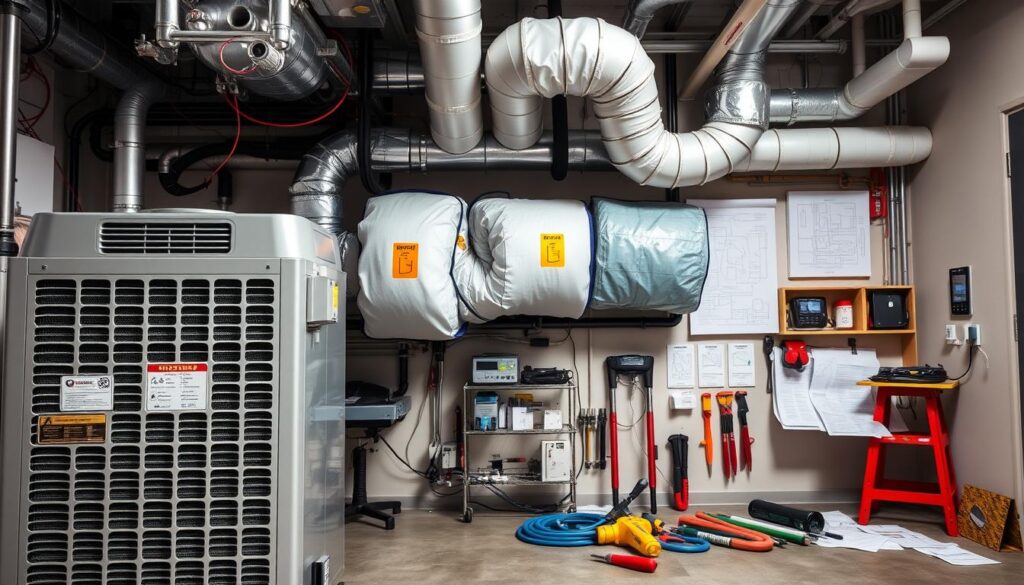
- Replace single-speed compressor with variable-speed technology
- Install high-efficiency air handler with advanced blower motor
- Upgrade to two-stage or modulating cooling system
- Explore heat pump technologies for complete cooling solutions
Modern heat pumps are very efficient, cooling up to 54% better than old systems. They cost between $4,500 and $12,500. But, you can get a tax credit of up to $2,000 annually through 2032.
Before upgrading, check your current system’s age, repair history, and how well it works. If your air conditioner is 10-15 years old and not cooling well, an upgrade can make a big difference. It will also save you money in the long run.
Investing in high-efficiency HVAC components isn’t just about immediate comfort—it’s a long-term strategy for energy savings and improved home cooling performance.
Troubleshoot Weak AC Cooling and Fix Common Issues
When your air conditioning system isn’t working right, knowing how to fix it can save you money. Spotting the signs of trouble helps you decide if you can fix it yourself or need a pro.
- Thermostat settings and functionality
- Air filter condition
- Airflow and vent blockages
- Outdoor unit performance
- Refrigerant levels
Diagnosing Insufficient Cooling Problems
Start by looking at these important parts:
- Check thermostat: Make sure it’s set to cool mode and batteries are good
- Inspect air filter: Change it if it’s dirty or blocked
- Verify all vents are open and unblocked
- Listen for odd system sounds
| Symptom | Potential Cause | Recommended Action |
|---|---|---|
| Weak airflow | Clogged filter | Replace air filter |
| Warm air from vents | Low refrigerant | Call professional technician |
| System short cycling | Electrical issue | Inspect circuit breaker |
When to Call a Professional HVAC Technician
Some AC problems need a pro. Call a technician for:
- Refrigerant leaks
- Electrical system problems
- Constant cooling issues
- Odd system sounds
- Ice on refrigerant lines
Experts can solve complex issues that DIY fixes can’t. Look for NATE-certified pros to fix your AC right.
Explore Our HVAC Shop
Looking for top-rated HVAC tools, parts, and accessories? Visit our shop and find the perfect solution for your needs.
Visit the ShopLower Energy Costs While Keeping Your Home Colder
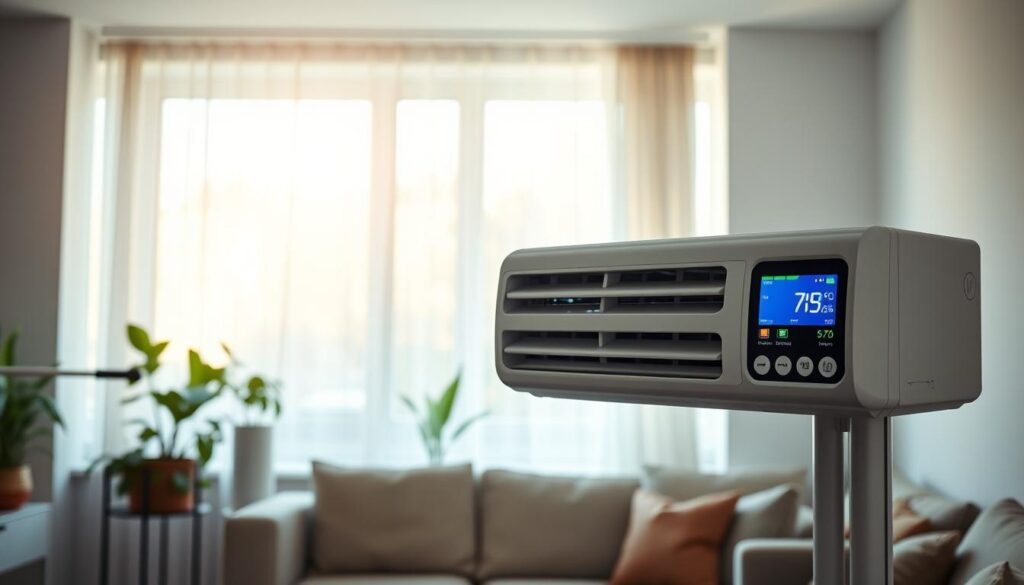
Keeping cool in summer doesn’t have to cost a lot. You can make your air conditioning work better and keep your home comfy. This is all done by using smart ways to use less energy.
First, figure out what your home needs to stay cool. Then, use these tips to lower your energy use:
- Seal air leaks around windows and doors
- Improve home insulation
- Use ceiling fans to enhance cooling comfort
- Install programmable thermostats
Zoning systems are a cool way to save energy. They let you cool only the rooms you’re in. This can cut cooling costs by 20-30%. It means you can set different temperatures in different rooms, saving energy and keeping you comfy.
Small changes can make a big difference. Ceiling fans that spin counterclockwise make you feel cooler. This lets you turn up the thermostat without losing comfort. It helps lower your energy bills.
Think about getting tools to track your home’s energy use. Many utility companies give free energy audits. These can show you the best ways to improve your cooling system’s energy use.
Pro tip: Mix different ways to cool your home for the best results and lowest energy bills.
By using these smart strategies, you’ll have a great plan to cool your home. It will keep you comfy and save you money on energy.
Conclusion
Your journey to make your HVAC system colder doesn’t stop here. By using the tips from this guide, you can make your home’s cooling system much better. Knowing how your HVAC works and making smart changes will help you cool your home well and efficiently.
To make your HVAC colder, you need a complete plan. Regular upkeep, smart upgrades, and new technology all help. Checking refrigerant levels and sealing ducts are just a few steps to a better cooling system.
Every home is different, so your HVAC plan should fit your needs. Getting help from HVAC experts can give you the best advice. Spending time and money on your cooling system means better comfort, lower bills, and longer-lasting equipment.
New HVAC tech makes it simpler to cool your home better. Start with easy, cheap fixes and then do bigger upgrades. By taking care of your HVAC, you’ll enjoy cool, comfy air for years.