
Affiliate Disclosure
HVAC Guide Guys is a participant in the Amazon Services LLC Associates Program, an affiliate advertising program designed to provide a means for sites to earn advertising fees by advertising and linking to Amazon.
Are you dealing with uneven temperatures and high energy bills? The key to fixing these issues might be in boosting your CFM HVAC performance.
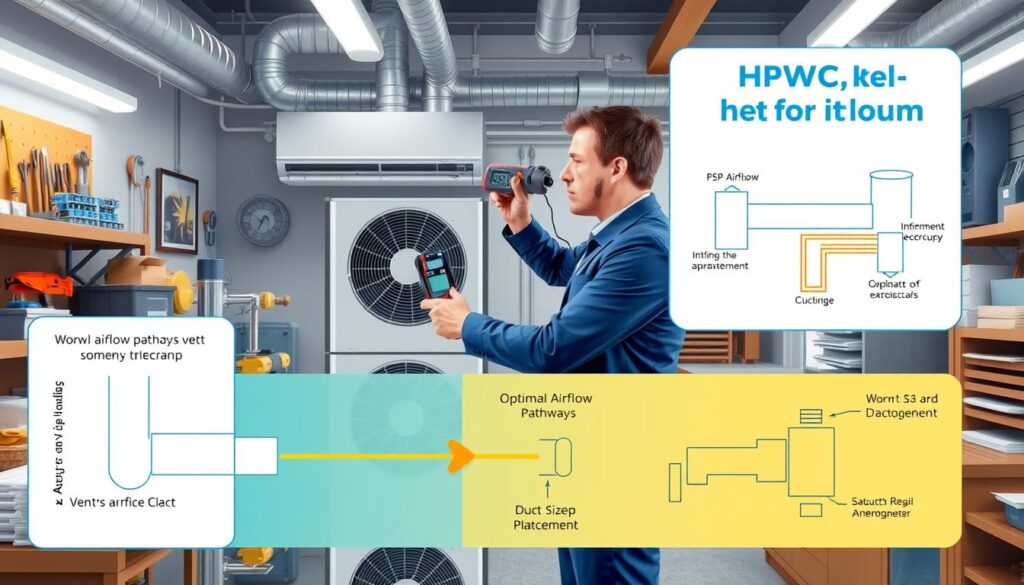
Improving your HVAC system’s airflow is more than a technical task. It’s about making your home comfortable and energy-efficient. CFM measures air flow, affecting your comfort and energy use.
This guide will cover everything about boosting your HVAC system’s airflow. You’ll learn how to fix issues and improve air circulation. You might even save up to 25% on energy costs.
Key Takeaways
- CFM is key for your HVAC system’s best performance
- Boosting airflow can cut down energy use
- Regular maintenance stops airflow problems
- Getting a pro to check can find hidden issues
- Good airflow means consistent comfort at home
Table of Contents
Understanding CFM and Its Role in HVAC Performance
Knowing how to boost HVAC air volume is key for your home’s comfort. CFM, or cubic feet per minute, shows how well your HVAC system works.
CFM is about how much air your HVAC system moves through your home each minute. It’s like the system’s breathing capacity. The better it breathes, the more comfortable your home will be.
What CFM Means for Your HVAC System
Professional HVAC technicians have a rule for increasing CFM performance:
- Approximately 400 CFM per ton of cooling capacity
- A 3.5-ton air conditioner should deliver around 1,400 CFM
- Systems perform best within ±10% of design airflow specifications
Why Proper Airflow Matters for Home Comfort
“Balanced airflow is the secret to consistent home comfort” – HVAC Engineering Principles
Not enough CFM makes your home uncomfortable. You might find:
- Inconsistent room temperatures
- Hot and cold spots
- Poor air circulation
- Reduced overall system performance
The Connection Between CFM and Energy Efficiency
Keeping CFM levels right is not just for comfort. It’s also for energy efficiency. Systems at their designed airflow use less energy. This means lower utility bills and less wear on parts like compressors and blowers.
By managing your HVAC system’s CFM, you can make your home more comfortable and efficient.
Signs Your HVAC System Has Low CFM
It’s important to know when your HVAC system’s CFM is low. This helps keep your home comfortable. Low CFM can cause many problems with your heating and cooling.
Spotting signs of poor air flow is key to fixing your HVAC system. Look out for these signs:
- Temperature inconsistencies between rooms
- Uneven air distribution from vents
- Unexpected increases in energy bills
- Extended HVAC system run times
- Excessive dust accumulation
When some rooms are too hot or cold, it’s a sign of airflow trouble. Some vents blow strong, while others barely move air. This shows your system can’t spread air evenly.
Big jumps in your energy bill can also mean airflow issues. Your HVAC system works harder to make up for the lack of air. This uses more electricity and makes cooling or heating less effective. If your system turns on and off a lot, it might have CFM problems.
Dust and stuffiness are other warning signs. If dust settles more than usual or rooms feel stuffy, your HVAC needs a check-up. It might need to be fixed to get good air flow again.
Explore Our HVAC Shop
Looking for top-rated HVAC tools, parts, and accessories? Visit our shop and find the perfect solution for your needs.
Visit the ShopHow to Increase CFM HVAC
To boost CFM HVAC, you need a smart plan. First, check how well your air flows. Knowing your system’s strength is key to better air and comfort.
Start by checking how well your HVAC works now. This step is vital to find out where you can make things better.
Evaluating Your Current System Capacity
Experts suggest using special tools to measure your HVAC’s airflow:
- Anemometers for air speed
- Air balancing hoods for total airflow
- Digital tools for exact numbers
Your aim is to find out how much air your system moves. Boosting air handler efficiency begins with knowing your starting point.
| System Size | Target CFM | Acceptable Range |
|---|---|---|
| 3.5-ton system | 1,400 CFM | ±10% of design specs |
Setting Realistic CFM Goals for Your Space
“Airflow optimization is about precision, not just maximum output.”
When setting CFM targets, remember these points:
- Figure 400 CFM per ton of cooling
- Think about your building’s unique needs
- Don’t overwork your system
Good CFM HVAC strategies are all about balance. Overworking your system can waste energy and harm your equipment.
Cleaning and Replacing Air Filters Regularly
Keeping your air filters clean is key to better hvac ventilation. Dirty filters make your system work harder and use more energy. This can lead to higher bills and less comfort.
Air filters protect your HVAC system and keep the air inside clean. Most homes need to change filters every 3-4 months. But, if you live in a polluted area or have pets, you might need to do it more often.
- Check filters monthly for visible dirt and debris
- Replace filters every 90-120 days under normal conditions
- Consider more frequent changes if you have pets or live in high-pollution areas
When picking a new filter, look at the Minimum Efficiency Reporting Value (MERV) rating. Higher MERV ratings catch smaller particles but might limit airflow. Find a balance between air quality and system performance for best results.
Regular filter care has many advantages:
- Improves indoor air quality
- Reduces energy consumption
- Extends HVAC system lifespan
- Maintains optimal airflow
By regularly cleaning and replacing your air filters, your HVAC system will run smoothly. This ensures your home stays comfortable and the air is clean.
Optimizing Ductwork for Maximum Airflow
Your home’s ductwork is like a highway for air. To get the most out of it, you need to focus on a few key areas. These can really boost how well your HVAC system works.
- Identifying where air might leak out
- Making sure the ducts are the right size
- Clearing any blockages that could slow air down
Sealing Duct Leaks to Prevent Air Loss
Duct leaks can quietly cut down your system’s efficiency. Most homes lose 10-20% of conditioned air through leaks. Use professional-grade mastic sealant or metal-backed tape to seal these leaks. This will help your airflow right away.
Resizing Undersized Ducts
The size of your ducts affects how much air your system can handle. If your ducts are too small, they limit airflow and lower system performance. Get your ducts sized right by a pro to improve air flow.
| Duct Diameter | Approximate CFM Capacity |
|---|---|
| 16-inch return duct | 1,050 CFM |
| 20-inch return duct | 1,875 CFM |
Removing Obstructions and Blockages
Blockages can really slow down your system. Look for:
- Debris inside the ducts
- Collapsed flexible ducts
- Furniture blocking air vents
- Dampers that are closed or not fully open
Regular checks and upkeep will help you get the most out of your ductwork. This ensures your HVAC system runs at its best.
Explore Our HVAC Shop
Looking for top-rated HVAC tools, parts, and accessories? Visit our shop and find the perfect solution for your needs.
Visit the ShopAdjusting Blower Fan Speed Settings
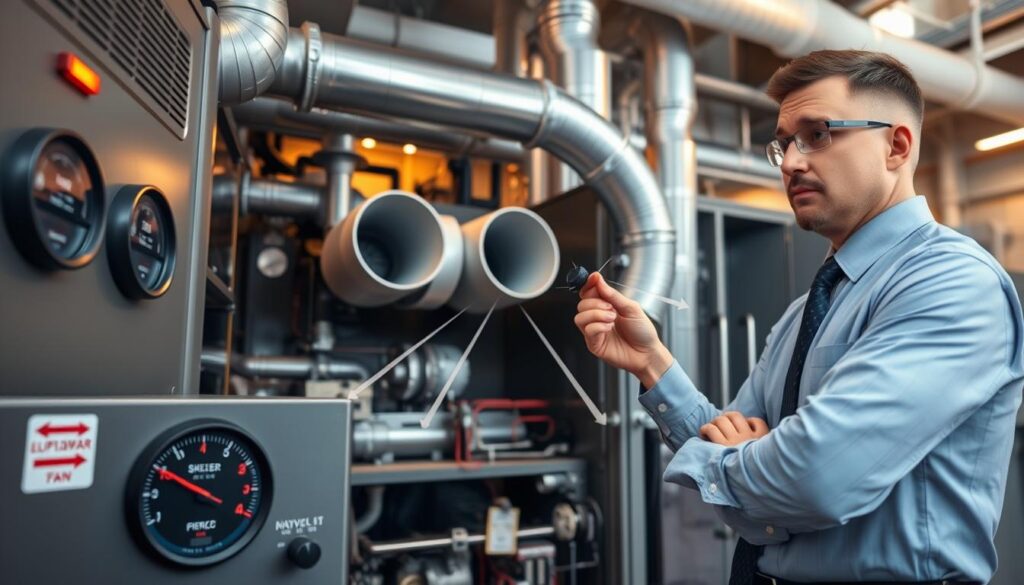
Blower fan speed is key for furnace airflow. Your HVAC system works best with the right fan speed. This balance ensures comfort, energy savings, and good air flow.
Knowing how to adjust fan speed can boost your home’s heating and cooling. Modern HVAC systems let you fine-tune blower fan settings in several ways:
- Check your system’s current blower motor configuration
- Identify multi-speed or variable-speed motor capabilities
- Measure current airflow before making adjustments
- Understand the energy use effects
Variable-speed blowers are top for furnace airflow. These motors adjust airflow as needed. They bring many benefits:
- Keep temperatures steady
- Save on energy
- Run quieter
- Spread air quality better
Experts say to tweak fan speeds with care. Wrong settings can raise energy bills or harm system efficiency.
| Fan Speed Setting | Airflow Impact | Energy Efficiency |
|---|---|---|
| Low | Less circulation | Most efficient |
| Medium | Good airflow | Moderate efficiency |
| High | Best circulation | Least efficient |
Caution: Always get a pro HVAC tech before changing blower fan speeds. This ensures your system works well and avoids damage.
Upgrading Your HVAC Equipment for Higher CFM
Standard maintenance might not be enough to boost your home’s airflow. An ac system cfm upgrade could be the best choice. Upgrading your HVAC equipment can make your home more comfortable and energy-efficient.
To increase air handler efficiency, picking the right equipment is key. The right upgrade can change how your home feels.
Selecting the Right Size Air Handler
Choosing the right air handler size is vital for good performance. Many people pick too big, which wastes energy.
- Calculate your home’s precise cooling load
- Consider square footage and insulation levels
- Consult professional HVAC contractors for accurate sizing
Installing Variable Speed Blowers
Variable speed blowers are a big step up in HVAC tech. They offer better airflow and save energy.
| Blower Type | Energy Efficiency | Performance |
|---|---|---|
| Single-Speed | Lower Efficiency | Fixed Airflow |
| Variable Speed | Up to 50% Energy Savings | Adaptive Airflow |
Variable speed blowers have many benefits:
- Consistent CFM output
- Reduced energy consumption
- Improved humidity control
- Quieter operation
When thinking about upgrading your ac system, look at your current equipment’s age and energy costs. Modern HVAC tech can save you money and make your home more comfortable in the long run.
Balancing Air Distribution Throughout Your Home
To get the best air conditioning flow, you need to balance air distribution. Even if your HVAC system makes enough air, bad distribution can make some rooms too hot or cold.
Air balancing is all about making sure each room gets the right air. It gets rid of hot and cold spots, making your home comfortable everywhere.
- Measure actual airflow at each supply register
- Compare measurements to design specifications
- Adjust dampers for optimal air distribution
- Verify airflow improvements
Adjusting dampers is key to better air flow. These small parts in your ductwork help you control air flow exactly where it’s needed.
“Proper air distribution is not about closing registers, but about intelligent airflow management.” – HVAC Professional
When you’re balancing your system, make small changes. Small, careful adjustments of 1/4 to 1/2 turn can make a big difference in comfort and energy use.
Experts say to use an anemometer to measure air flow. This tool helps you see how your changes are working. It makes sure you’re making smart choices for your home’s air.
Explore Our HVAC Shop
Looking for top-rated HVAC tools, parts, and accessories? Visit our shop and find the perfect solution for your needs.
Visit the ShopMaintaining Your HVAC System for Consistent Airflow
Keeping your HVAC system in good shape is key to better airflow. Regular checks help your heating and cooling work at their best. This stops them from getting worse over time.
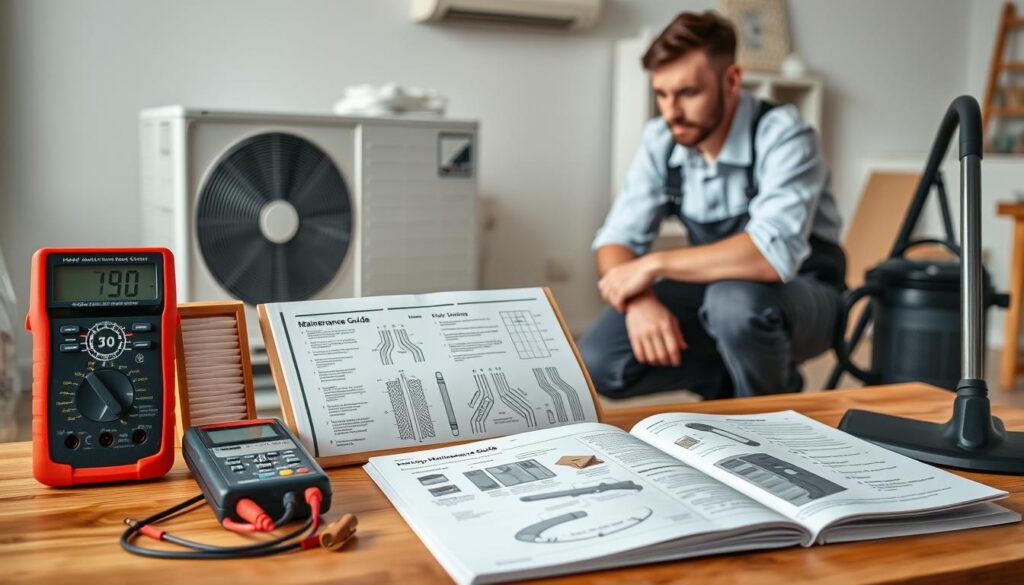
Looking after your HVAC system well keeps it running smoothly. It stops sudden breakdowns and keeps air flowing right. Professional checks do more than simple fixes. They give your system a full health check.
Scheduling Professional Tune-Ups
Getting your HVAC system tuned up by pros is a must. Experts say to:
- Do it before the cooling season starts (spring)
- Do it before the heating season starts (fall)
- Get it done at least once a year
Cleaning Evaporator and Condenser Coils
Dirty coils hurt your system’s efficiency. Clean coils are vital for good airflow and heat transfer.
| Coil Type | Cleaning Frequency | Impact on Airflow |
|---|---|---|
| Evaporator Coils | Annually | Prevents air restriction |
| Condenser Coils | Bi-annually | Ensures heat release efficiency |
Inspecting and Adjusting Dampers
Checking dampers stops airflow problems. Make sure damper positions and functions are right. This ensures air flows evenly in your home.
Proactive maintenance is the key to long-lasting HVAC system performance and optimal comfort.
Common Mistakes to Avoid When Increasing CFM
Boosting HVAC air volume can be tricky. Many homeowners make mistakes that hurt their system’s performance and efficiency. Knowing these common errors can help you avoid expensive repairs and frustrating results.
When trying to improve your HVAC system’s airflow, watch out for these pitfalls:
- Oversizing HVAC equipment without proper calculations
- Closing vents in unused rooms
- Making arbitrary adjustments without measuring airflow
- Ignoring existing duct leaks
- Using inappropriate air filters
One big mistake is thinking bigger means better. Bigger is not always better for HVAC systems. Oversized units can lead to short cycling, which hurts humidity control and raises energy costs.
Closing vents might seem smart, but it’s not. It raises duct pressure, making your blower motor work too hard. This can damage important system parts.
| Mistake | Potential Consequences |
|---|---|
| Oversizing Equipment | Short cycling, inefficient operation |
| Closing Vents | Increased duct pressure, motor strain |
| Unverified Adjustments | Reduced system performance |
Always measure your current airflow before trying to boost it. Guesswork leads to poor results. If unsure about changes, get help from a professional HVAC technician. They can offer expert advice and precise measurements.
Professional expertise is key when making big HVAC system changes.
Your goal is to create an efficient, balanced system. It should provide consistent comfort while keeping energy costs low.
Professional Testing and Air Balancing Services
For better HVAC ventilation, you need professional testing and air balancing. These services do more than just maintenance. They give a full check-up to make sure your system works its best.
Certified HVAC techs have the skills to check your home’s airflow. They use advanced tools to measure and improve your system’s performance. This includes:
- Precision anemometers for airflow measurement
- Flow hoods to capture total cubic feet per minute (CFM)
- Manometers to assess static pressure
- Thermal sensors for detailed temperature analysis
Professional air balancing follows strict industry standards set by organizations like ASHRAE, guaranteeing a systematic approach to improving your HVAC system’s efficiency.
When should you get professional testing? Here are some times:
- After installing new HVAC equipment
- Following major home renovations
- Experiencing persistent comfort issues
- Wanting to maximize energy efficiency
“Investing in professional air balancing is investing in your home’s comfort and long-term energy savings.” – HVAC Industry Expert
Choosing a qualified technician means picking someone certified by groups like the National Environmental Balancing Bureau (NEBB). These experts give you detailed reports on your system’s performance. This helps you know how to improve your HVAC ventilation for better comfort and efficiency.
Conclusion
Improving your HVAC system’s airflow is key to better home comfort and saving energy. Learning how to increase CFM HVAC can change your home’s climate control and cut down on energy costs. This guide has shown you how to boost your system’s performance.
To increase CFM HVAC, start with simple steps like cleaning filters. Then move on to more complex tasks like ductwork optimization and air balancing. Each step makes your heating and cooling system more efficient and reliable.
Increasing CFM HVAC is an ongoing journey. Regular checks, maintenance, and upgrades are essential. These efforts will improve air quality, lower energy use, and make your equipment last longer.
Your effort to improve HVAC airflow will bring many benefits. You’ll enjoy better comfort, save on energy, and have a more reliable system. Whether you do it yourself or hire professionals, the aim is the same. You want a climate control system that works well for you.