
Affiliate Disclosure
HVAC Guide Guys is a participant in the Amazon Services LLC Associates Program, an affiliate advertising program designed to provide a means for sites to earn advertising fees by advertising and linking to Amazon.
How Much Does It Cost to Install HVAC? Are you curious about the cost of a new HVAC system for your home? Many homeowners are surprised by the wide range of prices. This is due to several factors.
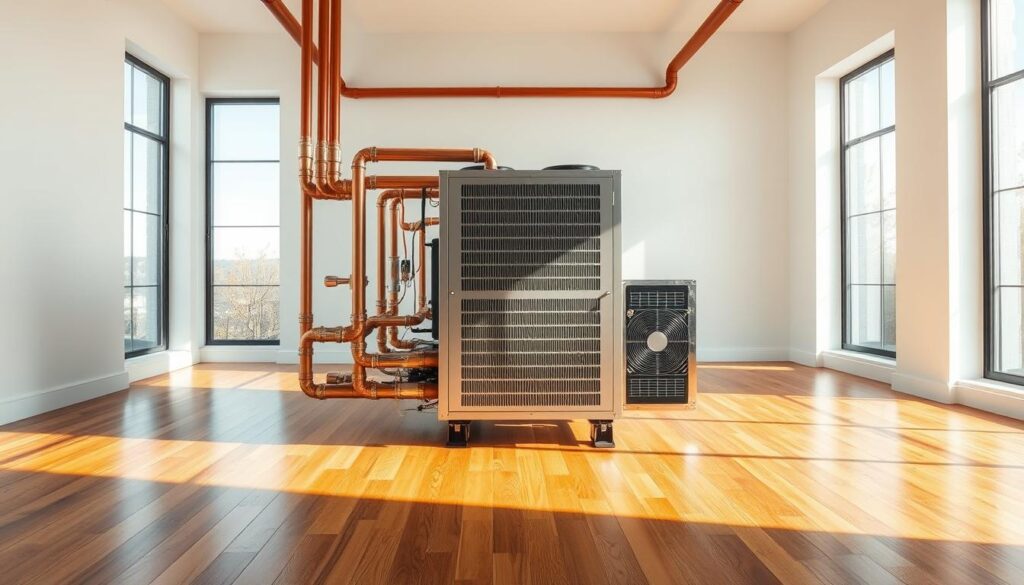
Knowing the cost of HVAC installation is key for budgeting your home upgrades. The cost usually falls between $5,000 and $12,500. This depends on your home’s needs and the HVAC system you choose.
This guide will help you understand HVAC installation costs. We’ll cover system types, what affects prices, and how to get the most value. You’ll learn about home climate control costs.
Key Takeaways
- HVAC installation costs vary between $5,000 and $12,500
- Multiple factors influence overall installation expenses
- Home size and system type significantly impact pricing
- Professional assessment is critical for accurate cost estimation
- Energy efficiency can offset long-term installation expenses
Table of Contents
Understanding HVAC Installation Basics
Getting into residential hvac installation can be tough. Your home’s comfort depends on picking the right heating and cooling system. Knowing how HVAC systems work helps you make smart choices for your home’s climate.
Modern HVAC systems are complex networks. They keep your living space comfortable all year. These systems do more than just heat or cool – they create a perfect indoor environment for your home.
Popular HVAC System Types
- Central Air Conditioning Systems: Ideal for entire home cooling
- Heat Pumps: Efficient year-round temperature control
- Furnace and AC Combination: Traditional heating and cooling solution
- Ductless Mini-Split Systems: Flexible for specific room temperatures
Essential HVAC System Components
Your residential hvac installation includes key parts:
- Thermostat: Controls temperature settings
- Compressor: Circulates refrigerant
- Condenser Coil: Releases heat outside
- Evaporator Coil: Absorbs indoor heat
When to Consider HVAC Replacement
Heating and cooling system prices might seem high, but replacing your system can save money. Most HVAC systems last 10-15 years. Look out for these signs it’s time for a new one:
- Frequent repair needs
- Inconsistent room temperatures
- Rising energy bills
- System age over 15 years
Getting a new HVAC system means better energy use, more comfort, and saving money in the long run for your home.
Average HVAC Installation Cost Overview
Knowing about hvac installation costs is key to planning your home comfort budget. The average cost for a new HVAC system is between $5,000 and $12,500. Most homeowners pay around $7,500 for a full installation.
Your ac unit installation cost depends on several important factors:
- Size of your home
- Type of HVAC system
- Local labor rates
- Complexity of installation
- Energy efficiency ratings
Different HVAC system types greatly affect costs. For example:
| HVAC System Type | Average Cost Range |
|---|---|
| Central Air Conditioning | $3,800 – $7,500 |
| Heat Pump System | $4,500 – $8,200 |
| Furnace with AC | $6,000 – $12,000 |
Pro tip: Always get multiple quotes from certified HVAC professionals to ensure you receive competitive pricing for your specific home requirements.
“Investing in the right HVAC system can save you money on energy bills in the long run.” – HVAC Industry Expert
Explore Our HVAC Shop
Looking for top-rated HVAC tools, parts, and accessories? Visit our shop and find the perfect solution for your needs.
Visit the ShopHow Much Does It Cost to Install HVAC Based on Home Size
The cost to install HVAC depends on your home’s size and features. The size of your home is key in figuring out the total cost and what system you need.
The size of your home affects the cost of installing commercial HVAC. Bigger homes need more powerful systems. This makes the total cost go up.
Cost Per Square Footage Breakdown
HVAC installation costs vary with your home’s size:
- Small homes (under 1,000 sq ft): $3,000 – $5,000
- Medium homes (1,000 – 1,500 sq ft): $5,000 – $7,500
- Large homes (1,500 – 2,500 sq ft): $7,500 – $12,000
- Extra-large homes (2,500+ sq ft): $12,000 – $18,000
Multi-Story Home Considerations
Multi-story homes need special HVAC setups. You might need more than one unit or a zoned system. Expect to pay an extra $2,000 – $4,000 for these setups.
Installation Requirements by House Type
House types also impact HVAC installation costs. Older homes might need ductwork changes, while new ones are easier to install. Things like insulation, ceiling height, and current setup affect the cost.
To get a precise estimate for your home, talk to a professional HVAC contractor. They can check your home’s needs and give you a detailed quote.
HVAC Equipment Costs by Type
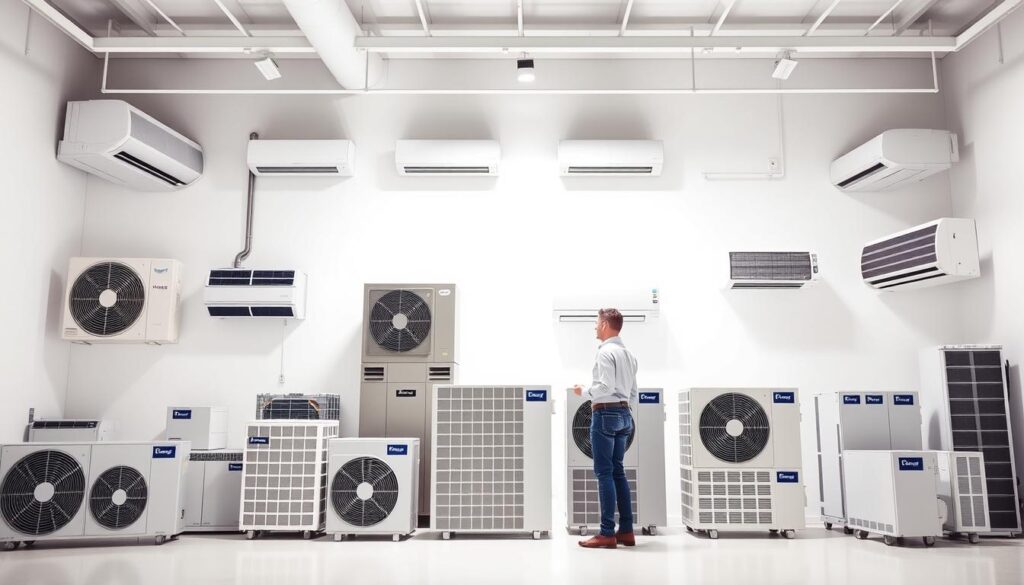
Looking into heating and cooling system prices, you’ll see many options. These vary based on the system type and its efficiency rating.
Air conditioning systems have different types, each priced differently:
- Central Air Conditioning Units
- Ductless Mini-Split Systems
- Window Air Conditioners
- Portable AC Units
The cost of a furnace depends on its fuel type and efficiency. Here are the main furnace types:
| Furnace Type | Average Cost Range | Efficiency Rating |
|---|---|---|
| Natural Gas Furnace | $2,500 – $6,000 | 80-98% AFUE |
| Electric Furnace | $1,500 – $5,000 | 95-100% AFUE |
| Oil Furnace | $4,500 – $7,000 | 80-90% AFUE |
Heat pumps are a good choice for both heating and cooling. They cost between $4,000 to $8,000, depending on the brand and size.
When choosing your HVAC equipment, think about more than just the price. Consider energy efficiency, maintenance costs, and your home’s needs.
Labor Costs and Installation Expenses
Understanding the costs of HVAC installation is key to planning your budget. Labor costs are a big part of the total cost, making up about 30% of the project.
When planning your HVAC budget, consider several important factors. These factors affect both hvac contractor rates and overall installation costs.
Professional Installation Rates
HVAC contractor rates vary due to several key factors:
- Geographic location
- Complexity of the installation
- Experience of the technician
- Type of HVAC system being installed
Professional HVAC installers usually charge between $50 to $150 per hour. The total labor cost for a full HVAC system installation can be between $1,000 to $3,000. This depends on your specific needs.
Permit and Inspection Fees
Local governments require permits for HVAC installations to ensure safety and compliance. These fees can be from $250 to $500. They cover:
- Initial permit application
- Site inspection
- Final system approval
Additional Installation Materials
You’ll also need to budget for extra materials needed for a proper HVAC installation. These materials can add 10-15% to your total project cost.
Always get quotes from certified HVAC professionals. This ensures you get competitive rates and quality installation services.
Explore Our HVAC Shop
Looking for top-rated HVAC tools, parts, and accessories? Visit our shop and find the perfect solution for your needs.
Visit the ShopDuctwork and Additional Components
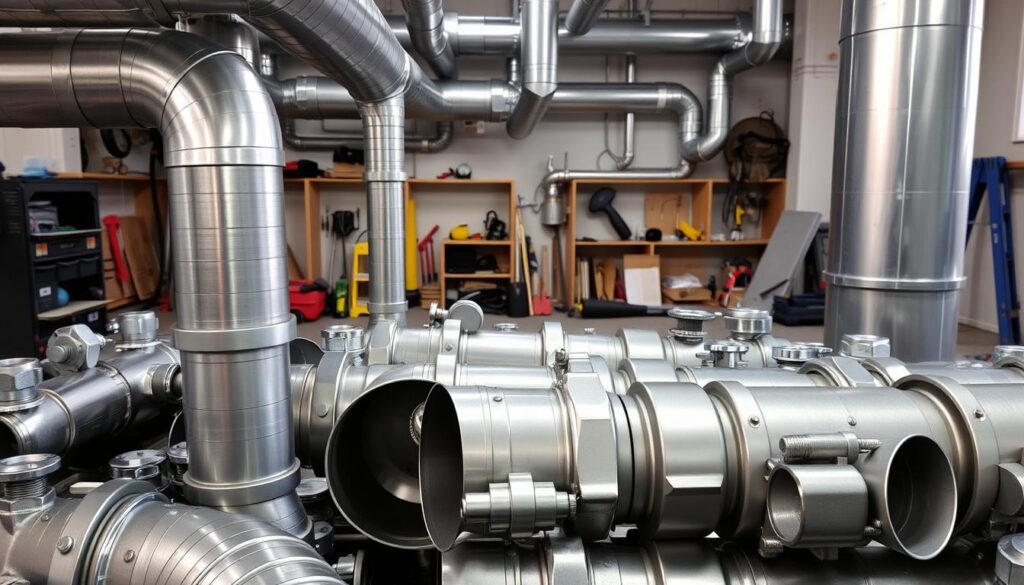
When you’re getting a new HVAC system for your home, ductwork is key. It can add up to $5,000 to the cost. This is because new ductwork is essential for your system’s performance and efficiency.
Your home’s ductwork is like its circulatory system. It makes sure:
- Efficient air distribution
- Optimal temperature control
- Improved indoor air quality
- Reduced energy consumption
There are also other components that can make your HVAC system better:
- Air Purifiers: Remove allergens and pollutants
- Dehumidifiers: Control moisture levels
- Smart Thermostats: Provide advanced temperature management
These extra parts might cost more upfront. But they save you money and make your home more comfortable in the long run. Quality ductwork and these technologies can turn your HVAC system into something truly special.
Energy Efficiency and Long-term Savings
Getting an energy-efficient heating and cooling system can cut down your utility bills a lot. Today’s HVAC systems are made to save money and keep your home comfy. They also use less energy.
It’s important to know about SEER (Seasonal Energy Efficiency Ratio) ratings. A higher SEER means your system uses less energy. This leads to big savings over time.
- ENERGY STAR certified systems can reduce energy costs by up to 15%
- Smart thermostats can save an additional 10-12% on heating and cooling bills
- Advanced HVAC technologies decrease overall energy consumption
Your savings depend on a few things:
| Efficiency Rating | Annual Energy Savings | Estimated Cost Reduction |
|---|---|---|
| SEER 14-16 | 10-15% | $150-$250/year |
| SEER 17-21 | 16-25% | $250-$400/year |
| SEER 22+ | 25-35% | $400-$600/year |
Pro tip: Think about long-term savings when planning to buy a new HVAC system. Spending more upfront on an energy-efficient model can save you a lot of money in the long run.
Brand Comparison and Pricing Tiers
Choosing the right HVAC system means looking at different brands and prices. The cost of replacing your HVAC can change a lot based on the brand and quality. This guide will help you understand the ac unit installation cost and find the best deal for your home.
There are three main price levels for HVAC brands: premium, mid-range, and budget-friendly. Each level has its own benefits and things to think about for homeowners.
Premium Brands: Top-Tier Performance
Premium HVAC brands offer top-notch quality and the latest technology. They focus on systems that are very efficient and perform well.
- Trane: Known for durability and innovative features
- Carrier: Offers cutting-edge energy-efficient models
- Lennox: Provides top-tier efficiency ratings
Mid-Range Options: Balanced Performance
Mid-range brands are a good mix of quality and price. They offer reliable performance without the high cost of premium brands.
- Rheem: Solid reputation for consistent performance
- York: Dependable systems with good warranty coverage
Budget-Friendly Choices
Budget brands are cheaper options for those on a tight budget. They might not be as expensive, but they can provide good cooling and heating.
- Goodman: Affordable with reasonable reliability
- Amana: Budget-conscious option with decent performance
The cost of your HVAC replacement will depend on several factors. These include the size of the system, your home’s needs, and how hard it is to install. Always talk to a professional to find the best fit for your home.
| Brand Category | Average Cost Range | Efficiency Rating |
|---|---|---|
| Premium Brands | $6,000 – $12,000 | Up to 26 SEER |
| Mid-Range Brands | $4,000 – $7,500 | 16-22 SEER |
| Budget Brands | $2,500 – $5,000 | 13-16 SEER |
Note: Prices are estimates and can vary based on specific models and installation requirements.
Explore Our HVAC Shop
Looking for top-rated HVAC tools, parts, and accessories? Visit our shop and find the perfect solution for your needs.
Visit the ShopFinancing Options for HVAC Installation
Dealing with hvac installation costs can be tough for homeowners. Luckily, there are many financing options to help. These make your HVAC replacement costs more manageable.
When looking at hvac installation costs, explore different financing strategies. They can match your budget and financial situation:
- Home Equity Loans: Use your home’s equity for lower interest rates
- Personal Loans: Get quick approval with flexible repayment terms
- Manufacturer Financing Programs: Get direct credit from HVAC equipment makers
- Credit Card Promotions: Enjoy zero-interest periods for short-term financing
Each financing option has its own benefits for handling hvac replacement costs. Home equity loans often have the lowest interest rates. Personal loans, on the other hand, are quicker to get.
Before picking a financing option, think about these important factors:
- Your current credit score
- Total project cost
- Repayment timeline
- Interest rates
Many HVAC companies work with financial institutions to offer custom financing. This makes it easier for homeowners to get the comfort and efficiency they need.
Pro tip: Always compare multiple financing options to find the best terms for your specific financial situation.
Conclusion
When thinking about HVAC installation costs, homeowners need to understand the complexity. Costs can vary a lot, from $5,000 to $12,500. This depends on factors like home size, system type, and where you live.
Choosing the right HVAC system is about long-term benefits, not just the initial cost. Look for reliable contractors, check energy ratings, and compare prices. Think about the savings and performance over 10 years, not just the first year.
Getting a professional to install your HVAC is key. Plan and budget well. Look into financing, warranties, and choose a system that fits your home’s needs. With research and expert help, you’ll get a system that’s both affordable and reliable for years.
Even though HVAC costs can be high, the right system can greatly improve your home. Take your time, ask questions, and choose wisely. Aim for a balance between affordability and long-term performance.