
Affiliate Disclosure
HVAC Guide Guys is a participant in the Amazon Services LLC Associates Program, an affiliate advertising program designed to provide a means for sites to earn advertising fees by advertising and linking to Amazon.
Are you unknowingly hosting an unwelcome rodent resort inside your home’s heating and cooling system? Mice can turn your HVAC system into a cozy sanctuary. This can cause significant damage and health risks that most homeowners never anticipate.
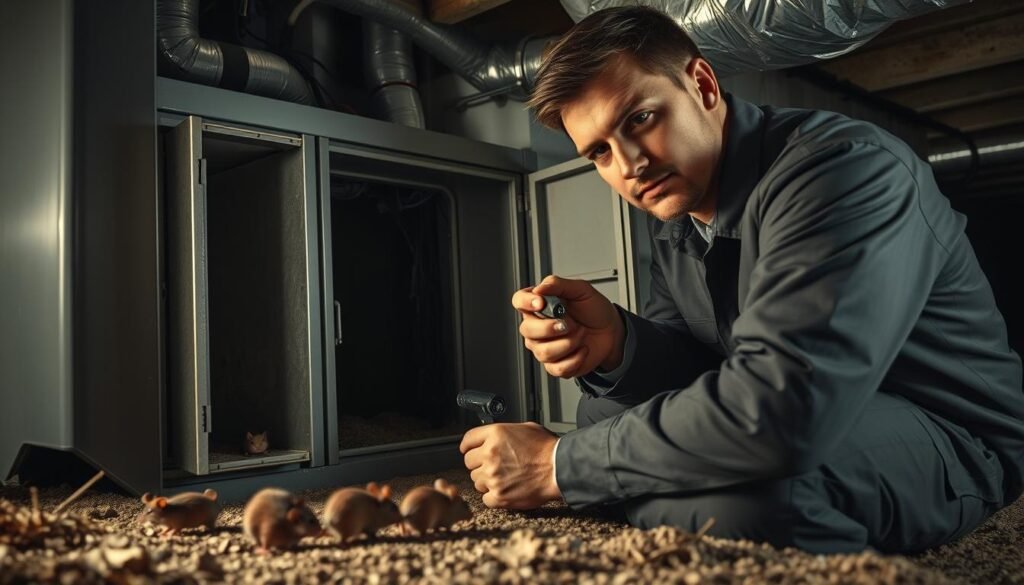
Mice are opportunistic creatures that find HVAC systems incredibly attractive. These small invaders seek warm, protected spaces to escape predators and harsh weather conditions. Learning how to get mice out of HVAC systems is key to protecting your home’s comfort and your family’s health.
This guide will walk you through seven practical steps to identify, remove, and prevent mice from infiltrating your heating and cooling infrastructure. You’ll discover expert strategies to reclaim your HVAC system and create a rodent-free environment.
Key Takeaways
- Mice can cause significant damage to HVAC systems
- Rodent infestations pose serious health risks
- Regular inspection prevents costly repairs
- Professional pest control might be necessary
- Preventative maintenance is key to rodent control
Table of Contents
Why Mice Are Attracted to Your HVAC System
When it gets cold, your home’s heating and cooling system becomes a cozy spot for mice. They can slip through tiny openings, making it easy for them to get into your vents and air conditioning unit.
Warmth and Shelter During Cold Months
As autumn and winter come, mice start to invade your heating vents. Your HVAC system keeps them warm, protecting them from the cold outside. The heat from your ductwork is perfect for these small creatures looking for a safe place to survive.
- Consistent temperature regulation
- Protection from predators
- Hidden spaces within ductwork
Easy Access to Nesting Materials
Mice find great nesting materials in your air conditioning unit. They use insulation, fabric from air filters, and paper backing to build their homes. A mouse couple can have many babies, quickly turning a small issue into a big problem.
Moisture and Condensation Sources
Your HVAC system also attracts mice because of the moisture it holds. The dampness around air conditioning parts and leaks in ductwork provide water for mice. This makes your heating and cooling system even more appealing to them.
*”Prevention is always easier than elimination when it comes to rodent infestations.”*
Signs of Mice in Your Air Conditioning Unit and Ductwork
Finding mice in your HVAC system early can save you money and health risks. It’s important to know how to spot mice in your HVAC. This requires watching closely and understanding mouse behavior.
- Distinctive mouse droppings near vents and ductwork
- Unusual scratching or scurrying sounds in walls
- Musky odors when your HVAC system runs
- Visible damage to insulation and wiring
Mouse droppings are a clear sign of mice. Fresh droppings are dark and moist, while older ones are gray and crumbly. These small pellets look like rice grains and are often found around air vents, inside ductwork, and near your furnace.
| Sign | Description | Location |
|---|---|---|
| Droppings | Small, dark pellets | Near vents, ductwork |
| Sounds | Scratching, squeaking | Walls, ceilings |
| Odor | Musky smell | Throughout HVAC system |
Scratching noises, mainly at night, mean mice are active in your system. Seeing a mouse during the day means you have a big problem that needs quick action.
Remember: One visible mouse could mean 20 more hidden in your HVAC system.
Regularly checking for signs of mice in your HVAC can help you catch and solve problems early. This way, you can avoid expensive damage.
Explore Our HVAC Shop
Looking for top-rated HVAC tools, parts, and accessories? Visit our shop and find the perfect solution for your needs.
Visit the ShopHealth Risks and Damage Caused by Rodent Infestation in Heating Vents
Mice are more than just a simple nuisance in your home. A rodent infestation in heating vents can create serious health and financial challenges. Understanding the risks can help you protect your home and family.
Contaminated Indoor Air Quality
When mice invade your HVAC system, they bring health hazards. Their droppings, urine, and dander become airborne when your heating system operates. This can spread dangerous contaminants throughout your home.
- Potential diseases transmitted through mouse-contaminated air include hantavirus and salmonellosis
- Respiratory problems can develop from inhaling mouse-related particles
- People with compromised immune systems face higher risks of serious health complications
Chewed Wiring and System Components
Mice have constantly growing teeth that require regular gnawing. Your HVAC system’s electrical components are prime targets for destruction. Their chewing can create dangerous scenarios for your home’s heating and cooling infrastructure.
- Chewed electrical wiring increases fire hazard risks
- Damaged components can cause complete system failure
- Compromised ductwork reduces heating efficiency
Expensive Repair Costs
The financial impact of a rodent infestation in heating vents can be substantial. Repairing or replacing damaged HVAC components requires significant investment.
- Electrical wiring replacement can cost hundreds to thousands of dollars
- Professional cleaning and sanitization of ductwork is often necessary
- Potential energy inefficiency increases long-term expenses
Prevention is always more cost-effective than dealing with extensive rodent damage to your HVAC system.
How to Get Mice Out of HVAC Systems
Dealing with mice in your HVAC system needs a detailed plan. You must remove rodents from air ducts and prevent future problems. This approach ensures your home stays safe and comfortable.
Mice can make your HVAC system a harmful place. Your main goal is to make your home less welcoming to them. This protects your air quality and system health.
- Identify and seal all possible entry points
- Remove existing mice safely and completely
- Prevent future infestations with smart steps
Removing mice from HVAC systems is more than just quick fixes. It’s a detailed process that requires careful work and ongoing effort. Here are steps to help you get rid of rodents and keep your ventilation system safe.
- Do a detailed initial check
- Find where mice get in
- Clean and disinfect affected spots
- Use methods to keep them out
- Watch for any more mice
Success in removing mice from air ducts comes from acting fast and planning for the future. If the problem is big or hard to handle, consider getting help from pest control experts.
Remember: Quick action prevents big damage and health risks from mice in your HVAC system.
Seal Air Ducts from Rodents and Entry Points
To keep your HVAC system safe from rodents, you need to seal all possible entry points. Mice can fit into very small spaces. So, it’s important to check and seal everything well to stop them from getting in.
Rodents are a big problem for your home’s air system. They can sneak in through tiny holes. This can damage your HVAC and make your indoor air dirty.
Inspect for Gaps and Cracks
Start by carefully checking for any gaps or cracks. Here’s what to do:
- Look closely at where ducts join together
- Check where ducts go through walls, floors, and ceilings
- Make sure the outdoor HVAC unit is sealed well
- Find any small holes around refrigerant and electrical lines
- Use a flashlight to find hidden gaps
Use Durable Sealing Materials
It’s important to pick the right materials for sealing. Here are some good choices:
- Steel wool and caulk for small holes
- Hardware cloth with small openings
- Metal flashing for gaps around pipes
- Special HVAC sealing materials
Don’t use regular duct tape as it won’t last. Get help from a professional HVAC technician. They can make sure your system is safe from rodents and works well.
Explore Our HVAC Shop
Looking for top-rated HVAC tools, parts, and accessories? Visit our shop and find the perfect solution for your needs.
Visit the ShopInstall Mesh Screens on Vents and Flues
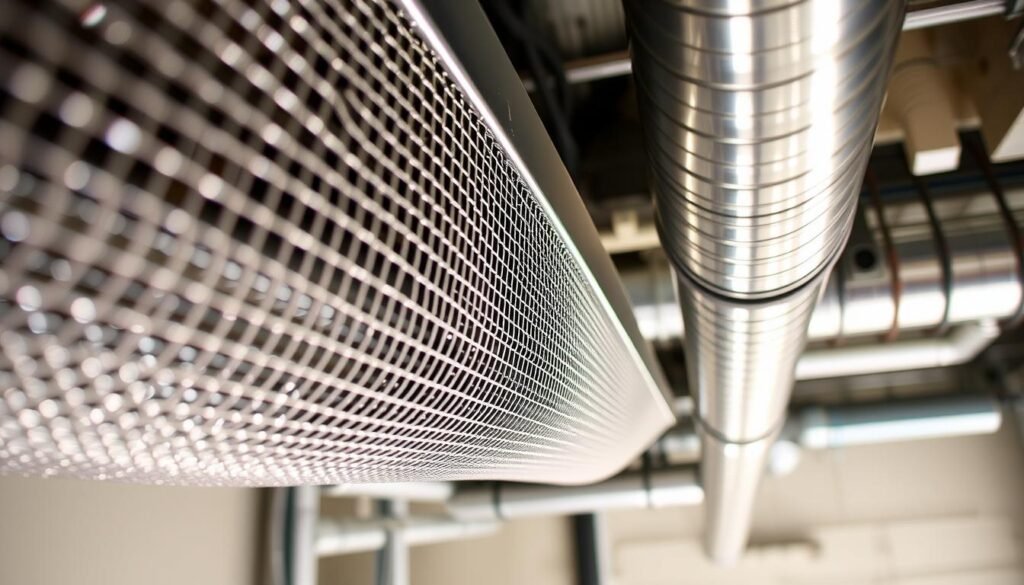
To keep your HVAC system safe from mice, you need to install barriers. Mesh screens are a great choice. They block mice while keeping air flowing.
When picking mesh screens, look for materials and sizes that keep mice out:
- Use stainless steel or galvanized steel mesh
- Choose mesh with openings no larger than 1/4 inch
- Ensure screens are durable and chew-resistant
Installing mesh screens needs careful work. Measure your vents well and cut the screens to fit. Use screws, staples, or clamps to hold them in place. This makes a strong seal that mice can’t get past.
“A well-installed mesh screen is your first line of defense against rodent intrusion in HVAC systems.” – HVAC Pest Prevention Expert
Different vents need different screens. Exhaust vents must let gas and moisture out. Intake vents need screens that let air in to keep the system working right.
Check your mesh screens often for damage or weak spots. Keeping them in good shape is key to stopping mice in your vents.
Clean Your Outdoor AC Unit and Surrounding Area
To keep mice away from your outdoor AC unit, clean and maintain it well. Mice like to hide in messy, ignored spots. A good cleaning routine can help keep them out.
Remove Debris and Clutter
Mice seek out places with lots of hiding spots and nesting materials. Your outdoor AC unit can become a favorite spot for them if it’s not kept clean.
- Turn off power to the unit at the disconnect box for safety
- Remove leaves, grass clippings, and twigs from around the unit
- Clear away stored items like garden tools and plant pots
- Gently brush or vacuum condenser coils to eliminate dirt
Maintain Clear Space Around the Unit
Keeping the area around your air conditioning equipment clean is key to stopping mice from getting in.
| Area | Recommended Action |
|---|---|
| Surrounding Space | Maintain 2 feet of clearance on all sides |
| Ground Cover | Replace organic mulch with gravel or stones |
| Vegetation | Trim plants and shrubs away from the unit |
“A clean and well-maintained outdoor AC unit is your first defense against mice invasion.” – HVAC Pest Prevention Expert
Keeping your outdoor AC unit clean takes just 15-30 minutes. It greatly lowers the chance of mice making your HVAC system their home. Check and clean the area every month during busy seasons to keep rodents away.
Control Vegetation and Landscaping Near Your HVAC System
Your landscaping is key to keeping mice out of your HVAC system. By managing your plants wisely, you can create barriers that keep rodents away from your home’s important systems.
To keep mice away from your ventilation system, follow these important landscaping tips:
- Maintain at least two feet of clear space around your outdoor HVAC unit
- Keep grass short and well-trimmed near the system
- Remove piles of leaves, wood, and garden debris
- Prune tree branches overhanging roof lines
- Trim shrubs that touch exterior walls
Think about using decorative stones or gravel instead of organic mulch near your HVAC system. These materials are less appealing to mice and don’t provide nesting spots. Using drought-resistant plants in your landscaping can also help keep rodents away.
“A well-maintained landscape is your first defense against mice entering your home’s ventilation system.” – Pest Control Expert
Seasonal upkeep is essential to keep mice out of your ventilation system. Do a thorough check of your landscaping in early spring and fall. This helps break up paths and nesting spots for rodents.
Explore Our HVAC Shop
Looking for top-rated HVAC tools, parts, and accessories? Visit our shop and find the perfect solution for your needs.
Visit the ShopEliminate Moisture Sources to Prevent Mice in Ventilation System
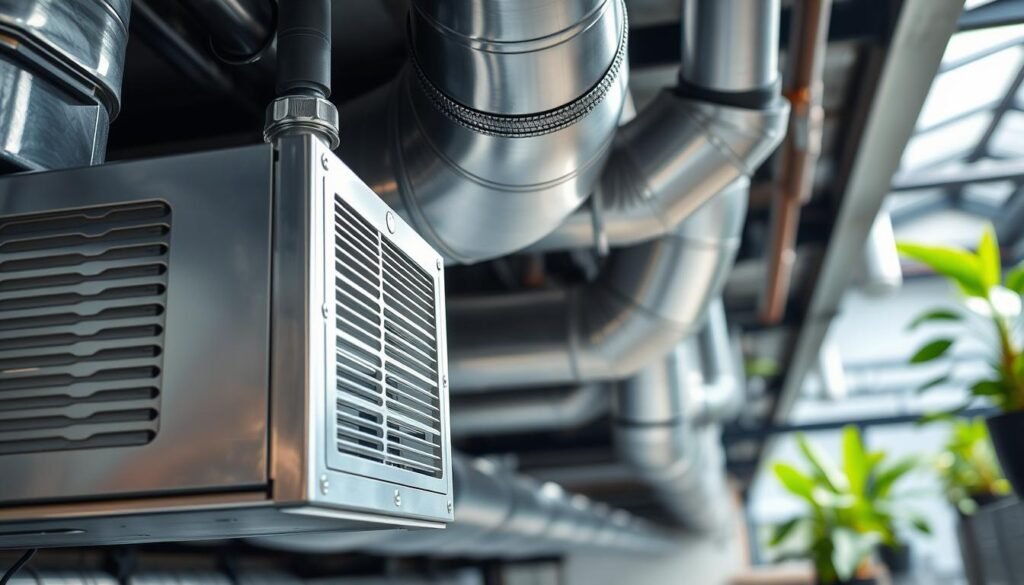
Moisture is key in keeping mice out of your ductwork. These pests love damp places for water and shelter. To stop mice in your ventilation, you need to manage moisture around your HVAC system well.
Fix Leaks in Ductwork
Leaky ducts are a mouse magnet. Water in your system attracts rodents. Look for moisture signs in your ductwork:
- Check joint connections for signs of moisture
- Look for rust spots or water stains
- Examine flexible ducts for tears or punctures
Use mastic sealant or HVAC foil tape to seal leaks. Sealing stops condensation and keeps mice away.
Ensure Proper Drainage
Your HVAC system makes a lot of moisture. You need to manage it well. Here’s how to control water around your system:
- Inspect condensate drain lines regularly
- Ensure outdoor units are positioned on level ground
- Clean gutters to prevent water accumulation
- Direct downspouts away from your home’s foundation
By managing moisture, you make your space less appealing to mice. You also protect your HVAC system from damage.
Schedule Regular HVAC Inspections and Maintenance
To keep mice out of your ductwork, you need to stay ahead. Regular HVAC checks are key to stopping mice before they start. Experts can find problems you might not see.
It’s smart to get your HVAC checked twice a year. Do it in spring and fall. These times match when mice are most active, helping you avoid infestations.
“Prevention is always cheaper than cure when it comes to mice control for ductwork.” – HVAC Professional
- Conduct thorough system checks
- Look for mouse entry points
- Check ductwork for gaps or damage
- Test how well the system works
When picking an HVAC pro, choose someone with pest control experience. Ask about mouse risks and get a detailed report on mice in ductwork.
Between visits, check your outdoor unit monthly. Listen for odd sounds, watch energy bills, and look for performance changes. These signs might mean mice are around.
Exterminate Mice in HVAC with Professional Pest Control
Dealing with mice in your HVAC system is serious. Mice can quickly become a big problem, risking your health and property. They can even get into your home’s ventilation system.
Experts in pest control have the right plans to get rid of mice in your HVAC. They tackle both the immediate and long-term mouse problems.
When to Call Pest Control Experts
Knowing when to call for help is key. Look for these signs to know it’s time to call the pros:
- Seeing many mice
- Finding mouse droppings all over your HVAC
- Hearing mice in your ductwork
- Seeing damage to wires or insulation
- Trying DIY methods but failing
Post-Treatment Cleaning Procedures
After the pros remove the mice, cleaning is vital. It makes your HVAC safe and working right. Here’s what to do:
- Make sure the HVAC is off
- Put on protective gear (gloves, mask, goggles)
- Get rid of mouse nests and droppings
- Clean with special solutions
- Change dirty air filters
- Think about getting your ducts cleaned by pros
Professional pest control costs between $200 and $600 for the first treatment. They also offer plans to keep your HVAC mouse-free.
| Service | Cost Range | Frequency |
|---|---|---|
| Initial Mouse Treatment | $200 – $600 | One-time |
| Follow-up Visits | $50 – $150 | As needed |
| Annual Prevention Plan | $400 – $800 | Quarterly/Semi-annual |
Choosing professional pest control is a smart move. It ensures your HVAC is mouse-free, keeping your air and home safe.
Conclusion
To keep mice out of your HVAC system, you need a solid plan. By following the steps to get mice out of HVAC systems, you can keep your home comfortable and healthy. These steps are not just suggestions but are key for any homeowner.
Mice in your heating and cooling systems can be dangerous. They can harm your air quality and even cause electrical issues. By taking action early, you can avoid costly repairs and keep your family safe.
Begin with easy steps like cleaning around your outdoor unit and installing mesh screens. Also, seal any holes where mice could get in. Make a schedule for regular checks and quick action if you see any mice.
Now you know how to keep mice out of your HVAC system. Start by inspecting your system carefully and use the tips from this guide. Your home’s comfort, safety, and efficiency depend on your efforts to keep mice away.