
Affiliate Disclosure
HVAC Guide Guys is a participant in the Amazon Services LLC Associates Program, an affiliate advertising program designed to provide a means for sites to earn advertising fees by advertising and linking to Amazon.
What Is Economizer in HVAC? Ever wondered how buildings stay cool without breaking the bank? The answer might be simpler than you think. It’s all about the HVAC economizer.
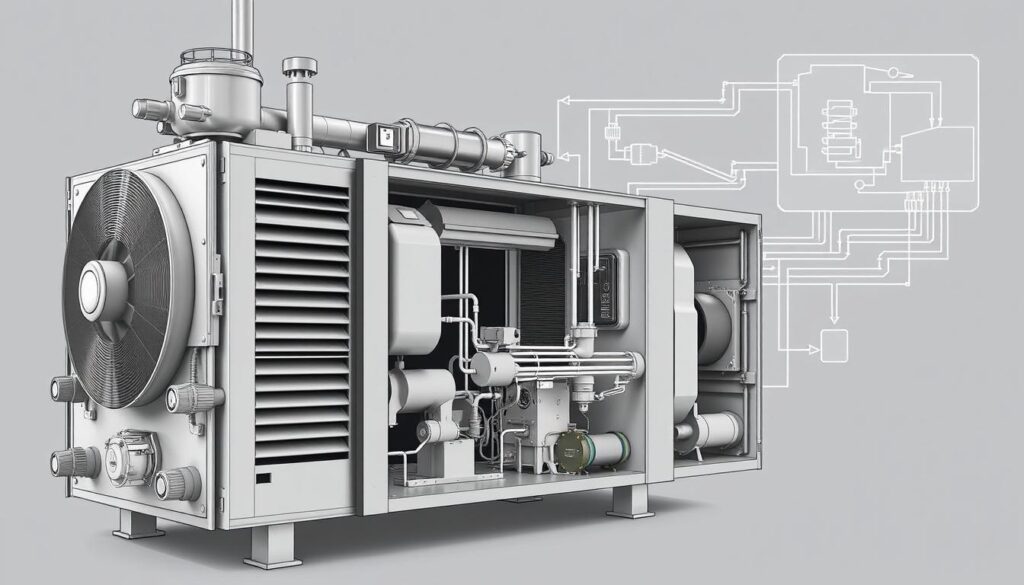
An HVAC economizer is a key system that cuts down energy use. It uses outside air for cooling when it’s possible. This can save a lot of money for businesses and homes.
The economizer’s job is easy but effective. It checks the outside air’s temperature and humidity. Then, it switches to use fresh air for cooling instead of air conditioning.
Learning about HVAC economizers changes how we see energy saving. These systems are smart and efficient. They make buildings comfortable, cost-effective, and good for the planet.
Key Takeaways
- Economizers reduce energy consumption by using outside air for cooling
- They automatically adjust based on external temperature conditions
- Can significantly lower operational cooling costs
- Improves indoor air quality through increased ventilation
- Supports sustainable building management practices
Table of Contents
Understanding What Is Economizer in HVAC
An economizer is a key part of modern HVAC systems. It uses outside air for cooling, which cuts down energy use and boosts system performance.
The economizer system works by smartly controlling air intake. It decides when outside air can cool a building without needing mechanical cooling. This leads to big energy savings and better air inside.
Basic Components and Functions
Economizers have a few main parts:
- Temperature sensors
- Damper mechanisms
- Control logic boards
- Outdoor air intake systems
Role in Building Climate Control
Your building’s climate control relies on managing air well. Economizers are key by:
- Watching outdoor air temperature
- Checking indoor and outdoor conditions
- Changing air intake automatically
- Lowering the need for mechanical cooling
Primary Operating Principles
The main idea of economizer systems is free cooling. They use cool outside air to keep indoor temperatures comfy without extra energy.
| Economizer Function | Energy Impact |
|---|---|
| Temperature Monitoring | Reduces Cooling Costs by 10-30% |
| Air Quality Management | Improves Indoor Environmental Conditions |
| Mechanical Cooling Reduction | Extends HVAC Equipment Lifespan |
Knowing how economizers work shows how they make HVAC systems more efficient. This makes your building’s climate control smarter and greener.
Explore Our HVAC Shop
Looking for top-rated HVAC tools, parts, and accessories? Visit our shop and find the perfect solution for your needs.
Visit the ShopBenefits of HVAC Economizer Systems
HVAC economizer systems are a big leap in building climate control. They do more than just control temperature. They make your building more efficient and better for the environment.
Energy Cost Reduction Advantages
Free cooling economizer tech cuts energy use by using outside air when it’s cool. This can lower cooling costs by up to 50% when it’s mild outside.
- Significant reduction in electricity usage
- Lower monthly utility expenses
- Decreased mechanical cooling system workload
Environmental Impact Benefits
Using economizer systems helps make buildings more sustainable. They cut down on energy use, which means less carbon emissions and supports green building goals.
“Economizers are not just cost-saving devices, they’re environmental solutions that transform how we approach building climate management.” – HVAC Sustainability Expert
System Longevity Improvements
Economizer systems also save money in the long run. They reduce the strain on cooling systems, making them last longer and work better.
- Decreased wear and tear on cooling components
- Extended equipment operational life
- Reduced maintenance frequency
Getting an economizer system is a wise choice for building management. It saves money and helps the planet.
Types of HVAC Economizers
Exploring air handling economizers reveals several types designed to boost cooling efficiency. Each type is suited for different building settings. Knowing the differences helps you choose the best HVAC system for your needs.
- Air-Side Economizers: These systems use outside air for cooling, a big alternative to traditional cooling.
- Water-Side Economizers: They cool refrigerant or water in HVAC systems.
- Hybrid Economizers: They mix different cooling methods for the best efficiency.
Carrier, a top HVAC maker, has three main economizer types:
- Economizer 2: Great for small commercial spaces.
- Economizer 4: Made for medium-sized buildings.
- Economizer X/10: An advanced system for complex cooling needs.
Comparing economizers to traditional cooling shows they cut energy use. Each type has its own benefits based on your building’s needs, climate, and cooling demands.
Selecting the right economizer can lead to big energy savings and better environmental impact.
Air-Side Economizer Operation
Air-side economizers are key in today’s building climate control. They improve indoor air quality and cut energy use. By managing air and temperature, they make spaces efficient and comfy.
Building automation economizers smartly swap indoor and outdoor air. They do this when the outside conditions are just right. This way, they save a lot of energy.
Ventilation Control Methods
Good ventilation control needs smart sensors and systems. Important methods include:
- Real-time temperature monitoring
- Humidity level assessment
- Precise airflow management
- Dynamic air exchange protocols
Temperature and Humidity Management
Your economizer system always checks indoor and outdoor conditions. It compares temperatures and humidity to find the best ventilation. Optimal climate control becomes seamless through intelligent design.
Damper System Functionality
Dampers are the heart of economizer systems. They adjust airflow, controlling:
- Air intake volume
- Direction of air movement
- Temperature equalization
- Humidity balancing
Advanced damper control cuts HVAC energy use. It keeps indoor air quality high.
Water-Side Economizer Systems
Water-side economizers are a new way to cool buildings efficiently. They use outside air to cut down on the need for refrigeration. Knowing about economizers in HVAC is key to understanding these cool strategies.
These systems cool water or refrigerant, not the air inside. This approach is different from traditional cooling methods.
- Uses outside air to cool water
- Less need for mechanical cooling
- Boosts energy efficiency
Water-side economizers have important parts:
| Component | Function |
|---|---|
| Cooling Tower | Transfers heat from water to air |
| Heat Exchanger | Helps transfer thermal energy |
| Circulation Pump | Moves cooled water through the system |
These systems work well in many climates. They’re great in areas with moderate temperatures. They offer a flexible cooling solution for various environments.
Water-side economizers are the future of energy-saving HVAC cooling.
Using these systems can save a lot of energy. They help keep your indoor climate just right. As technology improves, water-side economizers are becoming more popular for managing buildings.
Explore Our HVAC Shop
Looking for top-rated HVAC tools, parts, and accessories? Visit our shop and find the perfect solution for your needs.
Visit the ShopEconomizer Control Methods and Automation
Modern HVAC systems use advanced economizer control methods. These methods improve energy efficiency and comfort indoors. Building automation economizers have changed how we control the climate in buildings.
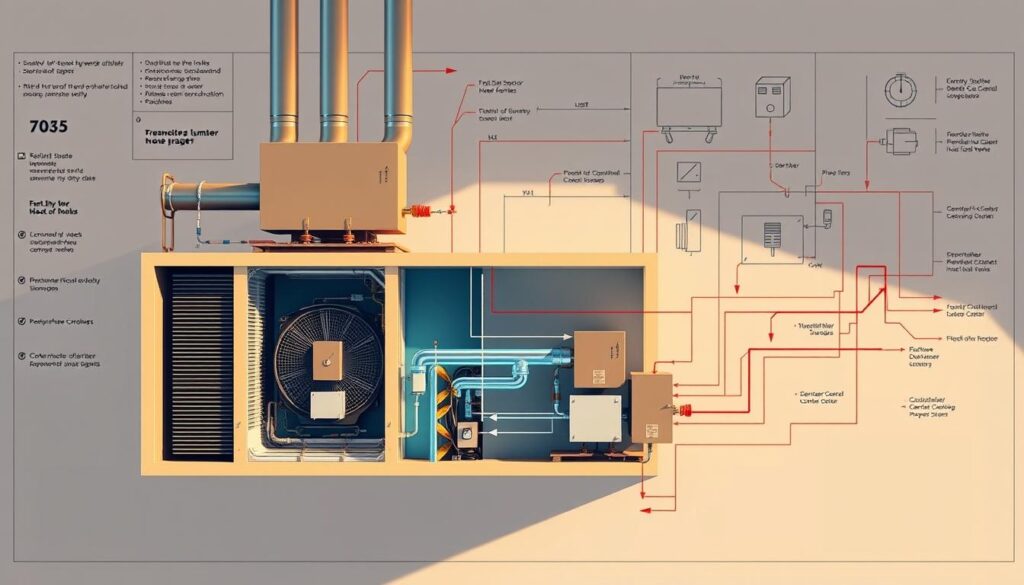
The economizer system has three key changeover options. These options decide when to use outside air:
- Dry Bulb Temperature Changeover: Compares outdoor and indoor air temperatures
- Outdoor Enthalpy Changeover: Measures total heat content of air
- Differential Enthalpy Changeover: Evaluates heat differences between indoor and outdoor air
Temperature Sensing Systems
Advanced temperature sensors are key to economizer performance. They watch the environment closely. This lets the system make quick decisions about air and cooling.
Building Automation Integration
Modern building automation economizers work with HVAC systems. This connection brings benefits like:
- Centralized climate control
- Predictive maintenance alerts
- Energy consumption optimization
Control Sequences and Logic
Smart control sequences decide when to use mechanical cooling or free cooling. The system checks many factors quickly. This ensures energy savings and comfort.
Installation and Setup Requirements
Installing an economizer needs careful planning and precision. Your HVAC system’s performance depends on proper setup and integration. Professional technicians must follow specific guidelines to ensure optimal functionality.
When comparing economizer vs traditional cooling systems, installation complexity is key. You’ll need to consider several elements during setup:
- Precise sensor placement for accurate temperature monitoring
- Proper damper positioning and calibration
- Compatibility with existing HVAC infrastructure
- Electrical connection and control system integration
Critical installation steps include:
- Conducting a thorough site assessment
- Selecting the right economizer model for your building
- Verifying structural and mechanical compatibility
- Implementing precise control system configuration
Your installation team should focus on environmental conditions, building layout, and specific performance needs. Professional expertise ensures the economizer will deliver maximum energy efficiency and optimal climate control.
Proper installation is the foundation of superior HVAC performance and long-term energy savings.
Manufacturers provide detailed installation manuals for each economizer model. Working with certified HVAC professionals ensures your system is set up correctly. This minimizes performance issues and maximizes energy savings.
Explore Our HVAC Shop
Looking for top-rated HVAC tools, parts, and accessories? Visit our shop and find the perfect solution for your needs.
Visit the ShopMaintenance and Troubleshooting Guide
Keeping your HVAC economizer system in top shape is key. Regular maintenance and quick problem-solving are essential. This ensures your system works efficiently and avoids expensive repairs.
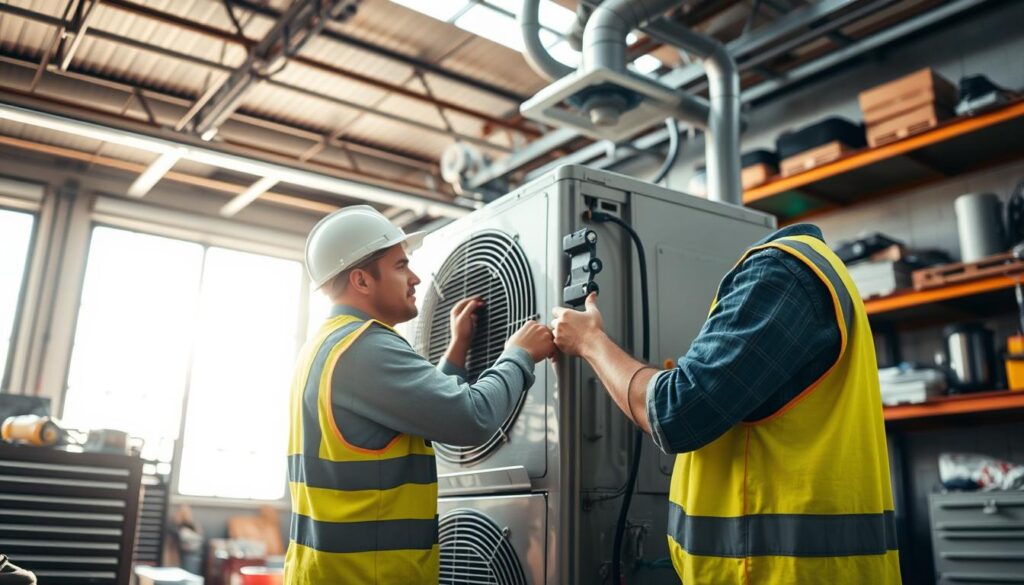
Knowing how to maintain your economizer is vital. It saves you money and time. The economizer damper control needs careful attention and precision.
Common Issues and Solutions
HVAC economizers face several common problems. These need quick action:
- Stuck or malfunctioning dampers
- Sensor inaccuracies
- Control system electrical failures
- Mechanical wear and tear
Preventive Maintenance Schedule
Having a maintenance plan boosts your system’s performance:
- Quarterly inspections: Check damper movement and sensor calibration
- Bi-annual complete service: Lubricate parts and clean sensors
- Annual expert check: Detailed system check and performance review
Performance Optimization Tips
To boost your system’s efficiency, follow these tips:
- Regularly clean and replace air filters
- Verify economizer damper control settings
- Monitor outdoor air temperature and humidity
- Use building automation systems for precise management
Professional maintenance extends your economizer’s life. It ensures efficient operation. Regular care leads to lower energy costs and better air quality.
Conclusion
Learning about economizers in HVAC is key to saving energy in buildings. These advanced systems help cut down on energy use and boost system performance. They are a powerful tool for building managers and owners.
Economizers can save a lot of energy if they are set up right. Groups like ASHRAE suggest using them wisely to improve air quality and lower costs. How you choose and manage these systems affects your building’s impact on the environment.
Economizer systems will become even more vital in the future. They help make buildings smarter and more energy-efficient. By using modern economizers, you save money and help the planet, making your building a better place for everyone.
The future of HVAC is about smart, adaptable systems. These systems aim to be efficient, perform well, and protect the environment. By embracing advanced economizer technologies, you lead the way in sustainable building management.