Affiliate Disclosure
HVAC Guide Guys is a participant in the Amazon Services LLC Associates Program, an affiliate advertising program designed to provide a means for sites to earn advertising fees by advertising and linking to Amazon.
Ever walked into your home and smelled something like sweaty gym socks? What if that smell is coming from your air conditioning system?

Dirty sock syndrome is a common problem with HVAC systems. It happens when moisture, bacteria, and mold build up. This creates a musty smell that can fill your whole house.
This guide will show you how to fix dirty sock syndrome in six easy steps. You’ll learn how to get rid of bad smells, improve your air quality, and keep your cooling system working well.
Key Takeaways
- Dirty sock syndrome is a common HVAC odor problem
- The smell results from bacterial and mold growth in your system
- Regular maintenance can prevent and resolve the issue
- Some solutions can be completed as DIY projects
- Professional help might be necessary for severe cases
Table of Contents
What Is Dirty Sock Syndrome in Your HVAC System
Dirty sock syndrome is a common problem for many homeowners. It causes a bad smell in your HVAC system, making your home feel uncomfortable. The smell isn’t from dirty socks but from moisture and microorganisms in your air conditioner.
The main issue is the musty smell that air conditioner owners face. Mold and bacteria grow on the evaporator coil, causing bad smells. These microorganisms love the damp environment created by moisture on the coil.
Understanding the Musty Odor from Your Air Conditioner
Your HVAC system is a perfect place for microbes to grow. Moisture, dust, and organic matter combine to create a breeding ground for bacteria and mold. This process involves:
- Condensation on the evaporator coil
- Accumulation of dust and debris
- Stagnant moisture between cooling cycles
Why It Happens More Often in Spring and Fall
Seasonal changes make spring and fall the best times for dirty sock syndrome. Your HVAC system goes through temperature changes and longer cooling cycles. This lets moisture stay and microbes grow, causing the musty odor.
The smell is most noticeable when switching between heating and cooling. As the bacteria dry out and reactivate, they release the bad smell. This is why it’s called dirty sock syndrome.
What Causes Dirty Sock Syndrome in HVAC Systems
Dirty sock syndrome happens when your HVAC system meets the right conditions. Moisture and organic material feed the bacteria. This creates a perfect environment for growth.
The main reasons for dirty sock syndrome are:
- Evaporator coil bacteria thrive in damp, dark places.
- Dust and dirt make great homes for microorganisms.
- Condensation keeps surfaces wet, helping bacteria grow.
- Modern HVAC systems have porous materials that bacteria love.
Your air conditioning system is a great place for bacteria to grow. Cool temperatures, darkness, and constant moisture make it ideal. The evaporator coil is a key spot, getting worse when humidity changes.
Newer HVAC systems might be more prone to problems. Their aluminum coils trap moisture and particles. Household dust, with dead skin, pet dander, and pollen, feeds the bacteria.
Knowing why your HVAC smells musty helps prevent dirty sock syndrome. Regular maintenance and smart actions can stop it.
Explore Our HVAC Shop
Looking for top-rated HVAC tools, parts, and accessories? Visit our shop and find the perfect solution for your needs.
Visit the ShopIdentifying Dirty Sock Syndrome Symptoms in Your Home
Your HVAC system might be sending you important warning signals. These signals are not just about an unpleasant smell. Recognizing the dirty sock syndrome symptoms can protect your home’s air quality and your family’s health.
Common Signs Beyond the Unpleasant Smell
Dirty sock syndrome isn’t just about a musty odor. Watch for these critical signs of possible HVAC problems:
- Musty smell when switching between heating and cooling modes
- Visible moisture around air handler units
- Reduced airflow from ventilation registers
- Increased indoor humidity levels
- Potential mold growth near air vents
Health Risks Associated with Mold and Bacteria Buildup
The signs of mold in HVAC systems can trigger serious health concerns. Respiratory issues in HVAC environments can manifest through various symptoms:
- Persistent coughing and wheezing
- Nasal congestion
- Watery and red eyes
- Skin rashes
- Chronic fatigue
Health effects of mold exposure can be dangerous, even life-threatening. The EPA suggests that Americans spend approximately 90% of their time indoors. This makes indoor air quality a critical health consideration.
Protecting your family means staying vigilant about possible HVAC-related health risks.
Diagnosing the Problem Before Treatment
Finding the source of HVAC odors is key before starting any treatment. Not all musty smells come from dirty socks. A detailed check can save you time and money.
When checking for HVAC odors, start with a thorough inspection. Look at these important areas:
- Check your air filter for dirt and moisture
- Inspect the drain pan for water
- Examine ductwork for blockages
- Look for duct leaks
Focus on these critical parts during the duct inspection:
| Component | What to Look For | Potential Issues |
|---|---|---|
| Air Filter | Moisture and dirt buildup | Potential mold growth |
| Drain Pan | Water pooling | Clogged condensate line |
| Ductwork | Blockages or leaks | Rodent nests, tears, open connections |
Be on the lookout for signs of identifying HVAC problems that might look like dirty sock syndrome. Watch for:
- Unusual moisture around system parts
- Visible mold or mildew
- Unexplained musty smells
- Inconsistent airflow
If you find complex issues, it’s best to call a professional HVAC technician for a full check.
How to Fix Dirty Sock Syndrome HVAC
To get rid of dirty sock syndrome in your HVAC system, you need a detailed plan. The smell can be annoying, but cleaning and upkeep can bring back fresh air to your home.
Fixing this problem means taking several important steps. These steps help clean your HVAC system and stop future smells:
- Replace Your Air Filter
Begin by changing your air filter every 30-90 days. A clean filter stops moisture and keeps contaminants away from your evaporator coil. Make sure the new filter fits right and has the correct airflow direction.
- Clean Your Evaporator Drain Pan
Clear out any water and blockages in the drain pan. Use a wet vacuum or a paper clip to clear the drain hole. This stops water from building up, which can cause mold in air ducts.
- Clean Your Evaporator Coil
Be careful when you get to your evaporator coil. Use a foaming coil cleaner. For really bad cases, you might need a pro to clean it well.
- Inspect and Clean Your Ductwork
Get a NADCA-certified pro to clean your air handler and ducts. They can get rid of bacteria and mold in hard spots.
- Check for Duct Leaks and Blockages
Look over your duct system for any loose spots, tears, or open ends. Fix any leaks to keep moisture out and make your system work better.
- Apply Foaming Coil Cleaner
Finish with a high-quality foaming coil cleaner, following the directions. This step gets rid of any last bacteria and stops new smells.
While some cleaning tasks are DIY, some problems need a pro for HVAC system care to fix dirty sock syndrome.
Explore Our HVAC Shop
Looking for top-rated HVAC tools, parts, and accessories? Visit our shop and find the perfect solution for your needs.
Visit the ShopLong-Term Solutions to Prevent Dirty Sock Syndrome
To stop dirty sock syndrome, you need a solid plan for your home’s air and HVAC system. By using the right solutions, you can keep musty smells and mold away.
Upgrade to High-Efficiency Air Filters
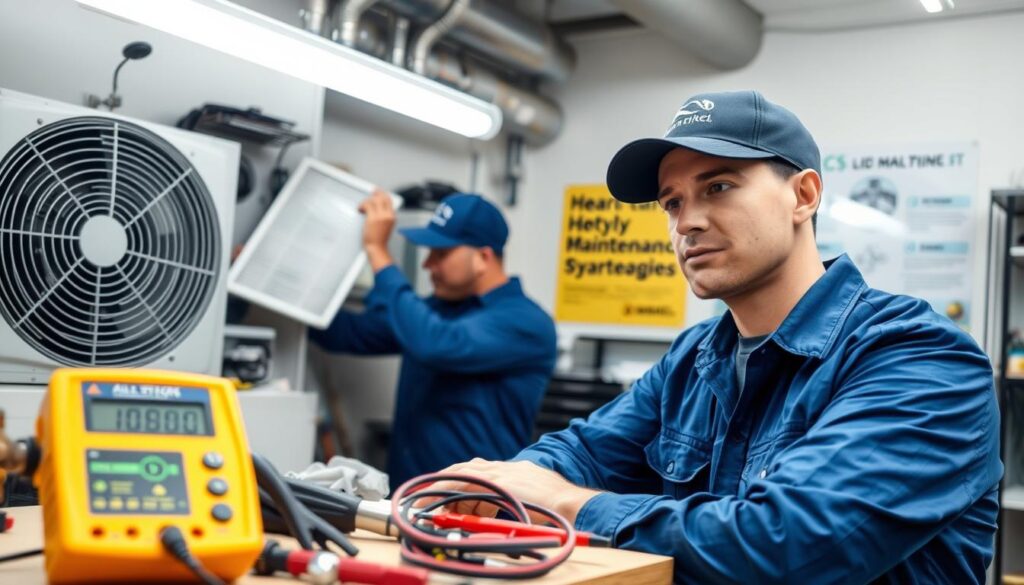
Choosing the right air filters is key to protecting your HVAC. High-efficiency filters with MERV ratings from 5 to 11 can help a lot. They catch more dust, mold, and tiny particles.
- Dust and debris
- Mold spores
- Microscopic organic materials
Install UV Light for Your HVAC System
UV light for your HVAC is a strong defense against germs. Putting UV lights near your evaporator coil kills bacteria and mold. They work best in dark, damp places where germs love to grow.
| UV Light Type | Coverage Area | Effectiveness |
|---|---|---|
| Coil-mounted UV Light | Evaporator Coil | High |
| Reme Halo Air Purifier | Entire Home | Very High |
Invest in a Whole-Home Dehumidifier
A whole-home dehumidifier is essential to fight dirty sock syndrome. It keeps humidity levels right, stopping mold and bacteria. It’s perfect for damp basements or humid areas.
By using these methods, you can keep your HVAC system smelling fresh. Regular care and being proactive are vital for clean air.
When to Call a Professional HVAC Technician
Dealing with dirty sock syndrome can be really frustrating. Sometimes, trying to fix it yourself just doesn’t work. Knowing when to call a professional HVAC service can save you time, money, and even health risks.
- Persistent musty odors that don’t go away after cleaning
- Visible mold in ductwork or around HVAC parts
- Less cooling or heating than usual
- Strange noises from your air conditioner
A licensed HVAC contractor can offer more than just cleaning. They do detailed system checks, advanced cleaning, and might replace parts.
“Not all HVAC problems can be solved with a quick DIY fix. Sometimes, expert help is the best choice.”
When you call an HVAC technician, they’ll do a thorough check. This includes:
- Checking your system fully
- Cleaning coils with professional tools
- Assessing ductwork by NADCA-certified experts
- Offering advice on how to improve your system
Regular maintenance visits can stop dirty sock syndrome from coming back. Working with a professional HVAC service keeps your system running well and your air clean.
Explore Our HVAC Shop
Looking for top-rated HVAC tools, parts, and accessories? Visit our shop and find the perfect solution for your needs.
Visit the ShopMaintaining Your Carrier Air Conditioner to Avoid Future Issues
Keeping your air conditioner in top shape is key to avoiding problems like dirty sock syndrome. A well-maintained system works better, lasts longer, and keeps the air inside your home clean.
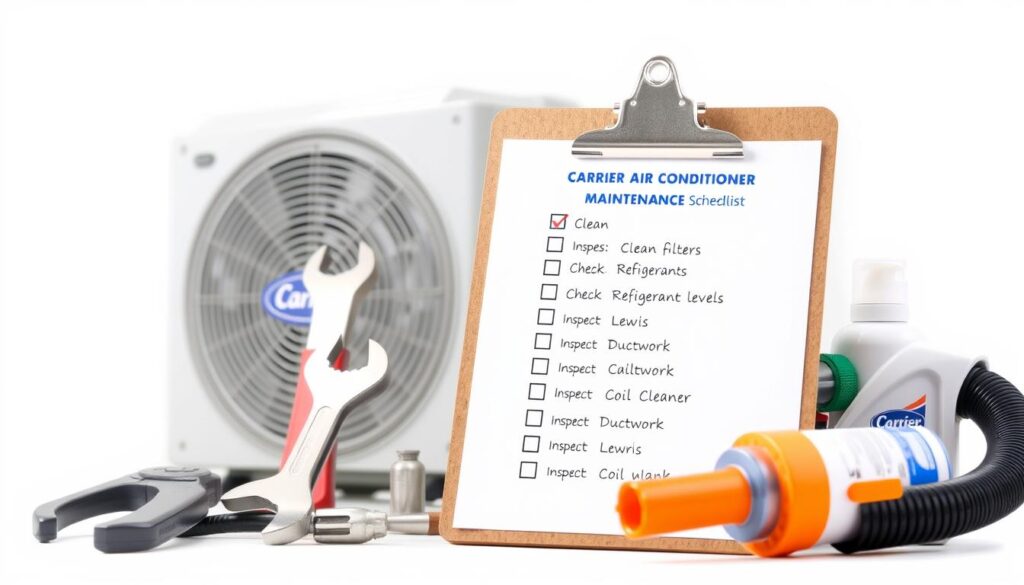
Carrier air conditioner upkeep needs a mix of professional checks and your own care. Knowing when to do maintenance can save you money and avoid sudden breakdowns.
Creating Your HVAC Maintenance Schedule
Good air conditioner care means a detailed plan. Here’s a suggested maintenance plan:
- Monthly: Check and replace air filters
- Quarterly: Inspect outdoor unit and clean around it
- Biannually: Get a professional to check your HVAC system
- Annually: Have a full check-up of your system’s performance
Condensate Drain Maintenance Essentials
Keeping your condensate drain lines clean is vital to avoid moisture problems. If you ignore them, you might face water damage and mold.
| Maintenance Task | Frequency | Purpose |
|---|---|---|
| Drain Line Flush | Every 3-6 months | Remove algae and debris |
| Inspect Drain Pan | Quarterly | Check for cracks or blockages |
| Professional Cleaning | Annually | Deep clean and assess system |
By sticking to these maintenance tips for your Carrier air conditioner, you’ll keep it running smoothly. Regular care of your HVAC system is a smart move for comfort and efficiency.
Conclusion
Dirty sock syndrome is more than just a bad smell. It shows your HVAC system needs care. By understanding why it happens and using the right solutions, you can make your home smell fresh again. This helps keep your family healthy.
To get rid of dirty sock syndrome, you need to act early. Start by changing your air filters and cleaning the evaporator coil. Also, check your ductwork. These steps are key to keeping the air in your home clean and free from mold and bacteria.
Creating a home with fresh air is an ongoing effort. Regular maintenance and professional checks are essential. Using UV lights and high-efficiency filters can also help. Your efforts will make your home more comfortable and better for your family’s breathing.
Start making changes today. Begin with something simple like checking your air filter or getting a professional to check your HVAC system. With the right steps, you can enjoy cleaner, healthier air in your home.
FAQ
What exactly is dirty sock syndrome in HVAC systems?
Is dirty sock syndrome harmful to my health?
How can I prevent dirty sock syndrome from occurring?
How often should I replace my HVAC air filter?
Can I fix dirty sock syndrome myself, or do I need a professional?
Why does dirty sock syndrome occur more frequently during spring and fall?
How can UV light help prevent dirty sock syndrome?
What are the signs that I might have dirty sock syndrome?
How much does it cost to address dirty sock syndrome?
What exactly is dirty sock syndrome in HVAC systems?
Is dirty sock syndrome harmful to my health?
How can I prevent dirty sock syndrome from occurring?
How often should I replace my HVAC air filter?
Can I fix dirty sock syndrome myself, or do I need a professional?
Why does dirty sock syndrome occur more frequently during spring and fall?
How can UV light help prevent dirty sock syndrome?
What are the signs that I might have dirty sock syndrome?
How much does it cost to address dirty sock syndrome?
FAQ
What exactly is dirty sock syndrome in HVAC systems?
Dirty sock syndrome is when your air conditioning smells like dirty socks. It happens when mold and bacteria grow on the evaporator coil. This is due to moisture and dust, making your home’s air smell bad.
Is dirty sock syndrome harmful to my health?
Yes, it can be. The mold and bacteria cause health issues like respiratory problems and allergies. People with asthma or weakened immune systems are at higher risk.
How can I prevent dirty sock syndrome from occurring?
To prevent it, replace air filters often and keep humidity levels right. Use UV light systems and clean the evaporator coil. Also, ensure proper drainage and get professional HVAC maintenance twice a year.
How often should I replace my HVAC air filter?
Change your air filter every 30-90 days. This depends on the filter type and your home’s air quality. Filters with MERV ratings 5-11 can help by catching more particles.
Can I fix dirty sock syndrome myself, or do I need a professional?
You can do some things yourself, like replacing filters and cleaning the coil. But, if the problem doesn’t go away or you see a lot of mold, call a professional.
Why does dirty sock syndrome occur more frequently during spring and fall?
In spring and fall, your HVAC system switches modes or sits idle. This is when mold and bacteria grow best, as moisture builds up and there’s food for them.
How can UV light help prevent dirty sock syndrome?
UV light kills mold and bacteria on contact. It’s installed in your HVAC system. This keeps your air clean and prevents growth.
What are the signs that I might have dirty sock syndrome?
Look out for a musty smell when your HVAC starts. Also, check for moisture, reduced airflow, and mold around vents or the air handler.
How much does it cost to address dirty sock syndrome?
Prices vary based on the problem’s severity. DIY fixes cost -0. Professional cleaning and maintenance can be 0-0. Preventive measures like UV lights or dehumidifiers cost 0-
FAQ
What exactly is dirty sock syndrome in HVAC systems?
Dirty sock syndrome is when your air conditioning smells like dirty socks. It happens when mold and bacteria grow on the evaporator coil. This is due to moisture and dust, making your home’s air smell bad.
Is dirty sock syndrome harmful to my health?
Yes, it can be. The mold and bacteria cause health issues like respiratory problems and allergies. People with asthma or weakened immune systems are at higher risk.
How can I prevent dirty sock syndrome from occurring?
To prevent it, replace air filters often and keep humidity levels right. Use UV light systems and clean the evaporator coil. Also, ensure proper drainage and get professional HVAC maintenance twice a year.
How often should I replace my HVAC air filter?
Change your air filter every 30-90 days. This depends on the filter type and your home’s air quality. Filters with MERV ratings 5-11 can help by catching more particles.
Can I fix dirty sock syndrome myself, or do I need a professional?
You can do some things yourself, like replacing filters and cleaning the coil. But, if the problem doesn’t go away or you see a lot of mold, call a professional.
Why does dirty sock syndrome occur more frequently during spring and fall?
In spring and fall, your HVAC system switches modes or sits idle. This is when mold and bacteria grow best, as moisture builds up and there’s food for them.
How can UV light help prevent dirty sock syndrome?
UV light kills mold and bacteria on contact. It’s installed in your HVAC system. This keeps your air clean and prevents growth.
What are the signs that I might have dirty sock syndrome?
Look out for a musty smell when your HVAC starts. Also, check for moisture, reduced airflow, and mold around vents or the air handler.
How much does it cost to address dirty sock syndrome?
Prices vary based on the problem’s severity. DIY fixes cost $20-$100. Professional cleaning and maintenance can be $200-$600. Preventive measures like UV lights or dehumidifiers cost $500-$1,500.
Can dirty sock syndrome damage my HVAC system?
Yes, if not treated, it can harm your system. It can make it less efficient, increase energy use, and damage parts. Moisture and growth can also corrode components, leading to costly repairs.
,500.
Can dirty sock syndrome damage my HVAC system?
Yes, if not treated, it can harm your system. It can make it less efficient, increase energy use, and damage parts. Moisture and growth can also corrode components, leading to costly repairs.