Affiliate Disclosure
HVAC Guide Guys is a participant in the Amazon Services LLC Associates Program, an affiliate advertising program designed to provide a means for sites to earn advertising fees by advertising and linking to Amazon.
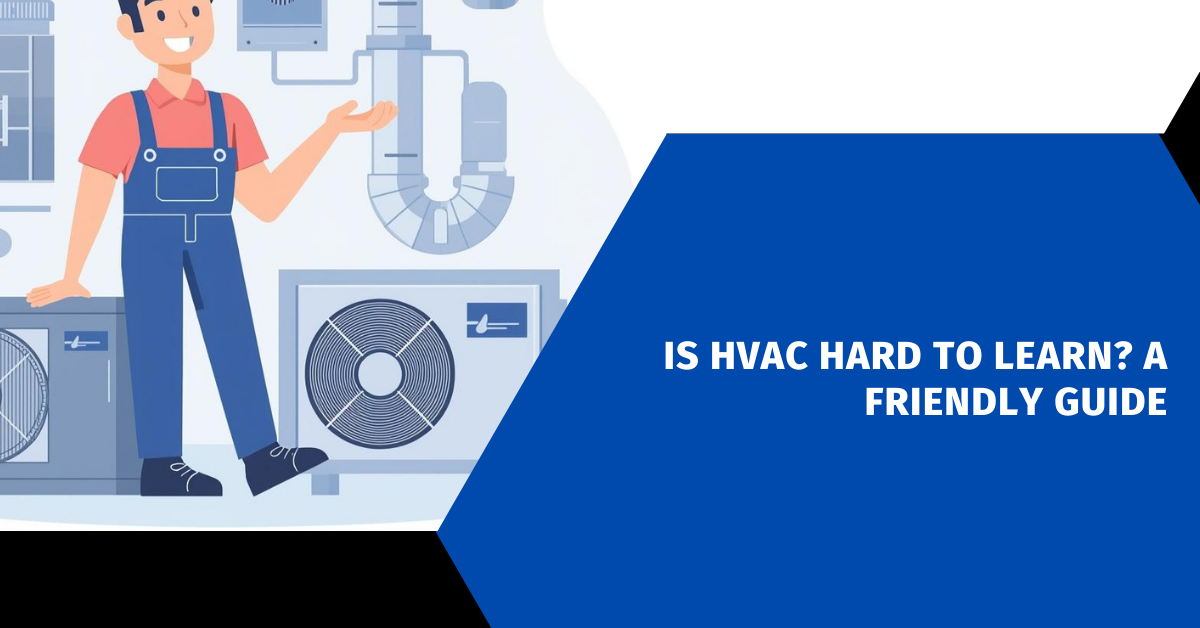
Is HVAC Hard to Learn? Are you wondering if HVAC systems are hard to learn? Or is it a path you can follow? The world of heating, ventilation, and air conditioning is full of exciting chances for those ready to explore it.
At first, HVAC might seem tough. But it’s a rewarding field with lots of growth and good pay. Skilled technicians are always in demand, with many chances to advance and earn well.
So, is HVAC hard to learn? It really depends on your skills, hard work, and desire to grasp complex systems. While it might take time, with the right training and practice, you can master HVAC tech.
Key Takeaways
- HVAC offers lucrative career opportunities
- Technical skills can be learned through structured programs
- Hands-on experience is key to success
- Continuous learning is vital in this field
- Problem-solving skills are essential in HVAC careers
Table of Contents
Understanding the Basics of HVAC Systems
HVAC systems are key to indoor comfort. They keep us cool in summer and warm in winter. Learning about these systems is the first step to becoming an HVAC expert.
To get good at HVAC, you need to know the main parts. Let’s look at what makes these systems work well.
Core System Components
- Thermostat: The control center that manages temperature settings
- Furnace: Provides heating through gas or electric mechanisms
- Air Conditioner: Removes heat and humidity from indoor spaces
- Ductwork: Distributes conditioned air throughout the building
- Refrigerant lines: Carry cooling agent between indoor and outdoor units
Functional Operations
HVAC systems move air through many parts. They transfer heat, circulate air, and control temperature. Knowing how they work is key for HVAC careers.
| System Component | Primary Function | Key Performance Indicator |
|---|---|---|
| Thermostat | Temperature Regulation | Accuracy within 1-2 degrees |
| Compressor | Refrigerant Compression | Efficient heat transfer |
| Condenser | Heat Removal | Quick cooling performance |
Essential Technical Concepts
Learning HVAC needs understanding of science. You’ll study thermodynamics, air flow, and electrical systems. Practical knowledge blends theoretical understanding with hands-on skills.
- Heat transfer mechanisms
- Pressure and volume relationships
- Electrical circuit basics
- Refrigeration cycle principles
Grasping these basics will help you master HVAC skills. It’s a step towards a rewarding HVAC career.
Explore Our HVAC Shop
Looking for top-rated HVAC tools, parts, and accessories? Visit our shop and find the perfect solution for your needs.
Visit the ShopIs HVAC Hard to Learn: Breaking Down the Learning Curve
Starting an HVAC career might seem tough at first. But, knowing how to learn can make it easier. Is HVAC hard to learn? It really depends on your skills, hard work, and how you learn.
HVAC systems are complex and based on science. Students learn both theory and practical skills. The course covers:
- Thermodynamics basics
- Understanding electrical systems
- Refrigeration cycles
- How to maintain equipment
Learning HVAC involves mastering several areas. Technical comprehension is key to grasping system designs and how they work. You’ll also need good math skills and spatial thinking to do well.
Most students find HVAC tough but doable with hard work. The hands-on training makes learning more fun than just reading books. Labs and workshops turn hard ideas into real skills.
Success in HVAC career education comes from persistence and genuine interest in mechanical systems.
Breaking down your learning into steps can help. You’ll spend time learning about system parts, electrical stuff, and how to fix problems.
- Start with the basics
- Practice with your hands
- Get better at solving problems
- Keep learning new things
Your effort and love for the subject will help you learn HVAC fast. While it’s tough, it’s also very rewarding for those who are eager to learn and grow.
Explore Our HVAC Shop
Looking for top-rated HVAC tools, parts, and accessories? Visit our shop and find the perfect solution for your needs.
Visit the ShopEducational Requirements for HVAC Technicians
To become an HVAC technician, you need a clear educational path. This path includes formal training, hands-on experience, and ongoing learning. You’ll go through different stages of learning and get certified to handle HVAC systems well.
Getting to be a pro HVAC technician involves key educational steps. These steps help you tackle the challenges of HVAC certification.
Pre-Apprenticeship Programs
Your first step in HVAC is pre-apprenticeship programs. These programs give you the basics:
- Basic technical skills development
- Safety protocol understanding
- Introduction to HVAC system components
- Fundamental electrical and mechanical principles
Certification Requirements
Certification shows you’re skilled and meet industry standards. Each state has its own rules, but most require certain certifications:
| Certification Level | Requirements | Duration |
|---|---|---|
| Entry-Level | High School Diploma/GED | 6-12 months |
| Journeyman | Apprenticeship Completion | 2-5 years |
| Master Technician | Advanced Certifications | 5+ years experience |
Continuing Education Options
The HVAC field keeps changing with new tech. Keeping up with these changes is vital. Here are ways to stay current:
- Online technical workshops
- Manufacturer-specific training programs
- Professional conference attendance
- Advanced certification courses
By investing in education and skill improvement, you’ll overcome the hurdles of becoming a skilled HVAC technician.
Time Investment for HVAC Training
Starting an HVAC career needs careful planning and knowing the time it takes. Your HVAC apprenticeship journey will last several years. It includes classroom learning and practical training.
The HVAC training timeline has different stages:
- Pre-apprenticeship program: 6-12 months
- Apprenticeship: 3-5 years
- Certification preparation: 6-12 months
Money is also a big part of HVAC training. Here’s what you might spend:
| Training Stage | Estimated Cost | Time Commitment |
|---|---|---|
| Pre-Apprenticeship Program | $12,900 | 6-12 months |
| Apprenticeship Registration | $60/year | 3-5 years |
| Certification Exam | $150 | 1-2 months |
| Gas Technician Certification | $3,000 – $10,000 | 6-12 months |
Your hard work will help you move faster through HVAC training. Be ready to spend a lot of time learning both theory and practical skills. Most people finish their training in 4-5 years. This sets a solid base for a great HVAC career.
Pro tip: Stay committed, be patient with your learning process, and view each stage as an opportunity for growth.
Skills Required for Success in HVAC
Being good at HVAC needs a mix of technical know-how, physical strength, and problem-solving skills. HVAC techs face tough challenges in many settings. They must stay professional and skilled.
Technical Skills Needed
You’ll need to know a lot about HVAC systems and tech. Important skills include:
- Understanding electrical systems
- Reading and getting blueprints
- Using advanced diagnostic tools
- Knowing about refrigeration cycles
- Working with digital control systems
Physical Requirements
HVAC work is physically demanding. You’ll need to be able to:
- Lift heavy stuff (up to 50 pounds)
- Work in tight spaces
- Stand for long times
- Climb ladders and handle tough work places
Problem-Solving Abilities
Great HVAC pros are good at solving problems and finding new ways to fix things. Being able to quickly figure out and fix system problems is key.
“In HVAC, every challenge is an opportunity to show off your technical skills and think outside the box.” – HVAC Industry Professional
| Skill Category | Key Competencies | Proficiency Level |
|---|---|---|
| Technical Knowledge | System Diagnostics | Advanced |
| Physical Skills | Equipment Handling | Intermediate to Advanced |
| Problem-Solving | Complex Issue Resolution | Expert |
By honing these essential skills, you’ll be ready for a rewarding HVAC career.
Explore Our HVAC Shop
Looking for top-rated HVAC tools, parts, and accessories? Visit our shop and find the perfect solution for your needs.
Visit the ShopCommon Challenges in HVAC Learning
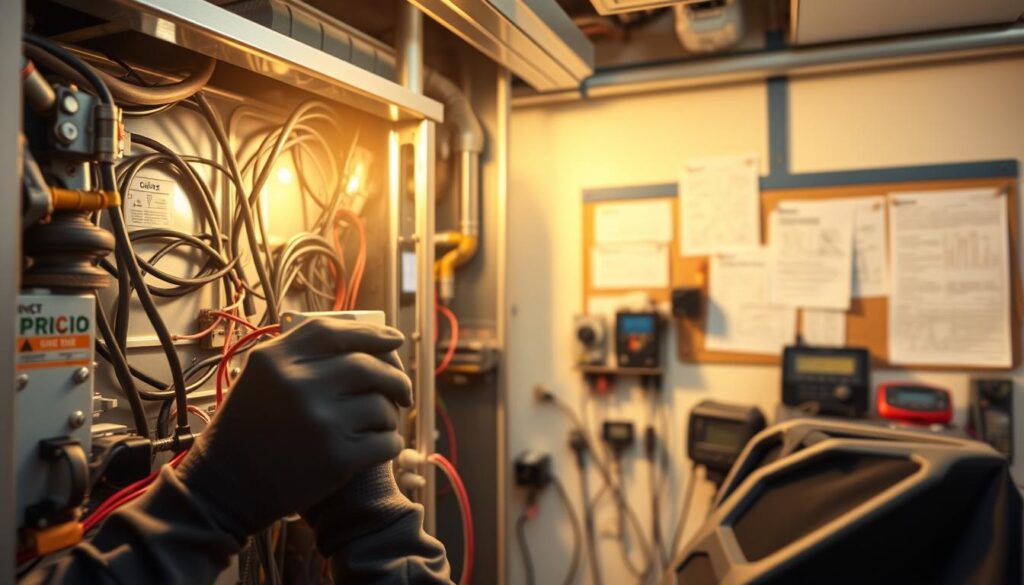
Learning HVAC systems is tough, even for the most eager students. To become a skilled HVAC technician, you must tackle complex technical ideas and practical skills. It takes a lot of hard work.
Students face many challenges when they go for HVAC certification:
- Complex technical knowledge required for learning hvac systems
- Extensive hands-on training demands
- Rigorous certification exam preparation
- Physical demands of the profession
Certification needs can be tough. Each license has its own passing score. It tests your technical knowledge and practical skills.
| Certification Type | Minimum Passing Score | Key Focus Areas |
|---|---|---|
| Gas Technician License | 75% | Gas system safety and installation |
| 313A License | 70% | Advanced HVAC system design |
| 313D License | 70% | Specialized HVAC technical skills |
These challenges might seem too much, but they’re not. With dedicated study, practical experience, and a strategic approach to learning, you can overcome them. Many HVAC pros see these challenges as chances to grow and improve.
“The most challenging aspects of HVAC training become your greatest strengths in the professional world.”
Your success comes from being persistent, always learning, and using both theory and practice. The HVAC industry is always changing, so you must keep up.
Career Opportunities and Growth
The HVAC industry is full of exciting career paths for those who invest in education. Starting as an HVAC technician can open doors to many rewarding opportunities. These chances offer great growth and success.
Salary Expectations
HVAC technicians earn competitive salaries for their specialized skills. Beginners start around $40,000, while experienced ones can make up to $75,000 a year.
- Entry-level salary: $40,000 – $50,000
- Mid-career professionals: $55,000 – $65,000
- Experienced technicians: $70,000 – $75,000
Advancement Paths
Your HVAC career can grow in many ways. Here are some paths to consider:
- Service Technician
- HVAC Supervisor
- Project Manager
- Business Owner
Specialization Options
Adding specialized skills can greatly enhance your career. Look into these areas:
- Commercial Refrigeration
- Solar HVAC Systems
- Energy Efficiency Consulting
- Industrial Equipment Maintenance
“The HVAC industry offers endless opportunities for those passionate about technology and problem-solving.” – HVAC Industry Expert
Investing in continuous learning and skill development can transform your HVAC career into a lucrative and fulfilling profession.
Tools and Technology in Modern HVAC
Learning HVAC systems today means understanding new tech that’s changing the game. HVAC pros need both old-school tools and the newest digital gadgets to keep up. This mix is key to success in the field.
Now, being good at HVAC means knowing how to use advanced tools and smart tech. The tools used have changed a lot. They now include digital solutions that make systems work better and use less energy.
- Digital Manifold Gauges: Replace traditional analog gauges with precise digital measurements
- Thermal Imaging Cameras: Detect temperature variations and possible system problems
- Smartphone-Connected Diagnostic Tools: Allow for real-time system checks and analysis
- Smart Sensors: Give ongoing system data and alert systems
Smart HVAC systems can do amazing things. For example, they can spot high carbon dioxide levels and adjust air flow to keep air quality perfect. This helps keep people healthy. Tools that let you check systems from afar are changing how we do maintenance. This makes fixing problems easier and faster.
As tech keeps getting better, HVAC pros must keep learning. It’s important to stay current with new tools and tech. This helps grow your career and serve clients better.
Explore Our HVAC Shop
Looking for top-rated HVAC tools, parts, and accessories? Visit our shop and find the perfect solution for your needs.
Visit the ShopIndustry Certifications and Licensing
Understanding HVAC certifications is key for your career. HVAC technical knowledge is more than just basic training. It requires specific certifications to prove your skills and legal right to work.
To become a licensed HVAC technician, you’ll need to pass through several certification levels:
- Refrigeration and Air Conditioning Systems Mechanic (313A)
- Residential Air Conditioning Systems Mechanic (313D)
- Gas Technician Certifications (G3, G2, G1)
Getting HVAC certifications is tough. You must meet strict educational and practical experience standards. Here’s what you’ll need to do:
- Finish an approved training program
- Pass tough written and practical exams
- Keep up with ongoing professional education
“Certification is not just a piece of paper – it’s your professional passport in the HVAC industry.” – Professional HVAC Association
Each certification level is a big step in your career. State-specific requirements mean you must check local licensing rules. Some places need extra certifications for certain HVAC jobs.
Keeping your skills up is vital. Most certifications need renewal to keep you current with new tech and standards.
Conclusion
Learning HVAC can be tough, but it’s doable. The field is full of chances for those who put in the work. Whether HVAC is hard to learn depends on your skills, effort, and desire to learn more.
Your HVAC career needs careful planning and dedication. HVAC systems last 20 to 25 years. This shows how important technicians are in keeping things running smoothly. By always learning and keeping up with new tech, you can have a fulfilling career.
Success in HVAC isn’t just about knowing how things work. It’s also about solving problems and loving the complexity of systems. If you’re starting out or looking to change careers, HVAC offers many chances to grow.
Thinking about your HVAC career? Remember, never give up and always keep learning. Your HVAC journey could lead to a stable job with great pay and lots of room for growth.
FAQ
How long does it take to become a certified HVAC technician?
Is HVAC a good career for someone who isn’t naturally technical?
What are the most challenging aspects of learning HVAC?
How much does HVAC training typically cost?
How long does it take to become a certified HVAC technician?
Is HVAC a good career for someone who isn’t naturally technical?
What are the most challenging aspects of learning HVAC?
How much does HVAC training typically cost?
FAQ
How long does it take to become a certified HVAC technician?
It usually takes 6 months to 2 years to become a certified HVAC technician. This includes finishing a technical program and getting hands-on training. The exact time depends on your education path and whether you choose a certificate, associate degree, or apprenticeship.
Is HVAC a good career for someone who isn’t naturally technical?
HVAC can be learned with dedication and proper training. If you’re willing to learn and enjoy hands-on work, you can succeed. Many HVAC technicians start with little technical knowledge and build their skills through education and experience.
What are the most challenging aspects of learning HVAC?
Learning HVAC can be tough. It includes understanding complex electrical systems and mastering technical concepts. You also need to learn to read blueprints and develop precise diagnostic skills. The job is physically demanding, too, with tight spaces, heavy lifting, and varied weather conditions.
How much does HVAC training typically cost?
HVAC training costs vary. They can range from
FAQ
How long does it take to become a certified HVAC technician?
It usually takes 6 months to 2 years to become a certified HVAC technician. This includes finishing a technical program and getting hands-on training. The exact time depends on your education path and whether you choose a certificate, associate degree, or apprenticeship.
Is HVAC a good career for someone who isn’t naturally technical?
HVAC can be learned with dedication and proper training. If you’re willing to learn and enjoy hands-on work, you can succeed. Many HVAC technicians start with little technical knowledge and build their skills through education and experience.
What are the most challenging aspects of learning HVAC?
Learning HVAC can be tough. It includes understanding complex electrical systems and mastering technical concepts. You also need to learn to read blueprints and develop precise diagnostic skills. The job is physically demanding, too, with tight spaces, heavy lifting, and varied weather conditions.
How much does HVAC training typically cost?
HVAC training costs vary. They can range from $1,200 for a basic certificate to $30,000 for an associate degree. Community colleges and technical schools are more affordable. Apprenticeships can offer training with little upfront cost. Many students use financial aid, scholarships, or employer programs to cover costs.
Do I need to be good at math to succeed in HVAC?
You need basic math skills for HVAC, like algebra and geometry. You don’t have to be a math expert, but you should be comfortable with numbers. Most HVAC programs include math courses to help you develop these skills.
What certifications are most important for HVAC technicians?
Important certifications include the EPA Section 608 Certification and NATE Certification. State-specific licensing is also key. Specialized certifications like commercial refrigeration and energy efficiency can boost your career. These certifications show your expertise and can increase your earning power.
Is HVAC a physically demanding career?
Yes, HVAC is physically demanding. Technicians lift heavy equipment, work in tight spaces, climb ladders, and stand for long periods. Being physically fit and able to do manual labor is essential for success.
What is the job outlook for HVAC technicians?
The job outlook for HVAC technicians is excellent. The Bureau of Labor Statistics predicts a 13% growth rate from 2020 to 2030. This is faster than the average for all occupations. The demand for energy-efficient systems and ongoing building construction drive this growth.
Can I learn HVAC online?
While some parts can be learned online, HVAC requires a lot of hands-on training. Many programs offer online coursework with in-person training. But, full certification usually needs in-person lab work and apprenticeship experience to develop essential skills.
What is the starting salary for an HVAC technician?
Entry-level HVAC technicians earn between $35,000 and $45,000 a year. Salaries vary by location, specialization, and experience. With more certifications and experience, technicians can earn $50,000 to $75,000 or more. Top professionals in specialized fields can earn over $100,000 annually.
,200 for a basic certificate to ,000 for an associate degree. Community colleges and technical schools are more affordable. Apprenticeships can offer training with little upfront cost. Many students use financial aid, scholarships, or employer programs to cover costs.
Do I need to be good at math to succeed in HVAC?
You need basic math skills for HVAC, like algebra and geometry. You don’t have to be a math expert, but you should be comfortable with numbers. Most HVAC programs include math courses to help you develop these skills.
What certifications are most important for HVAC technicians?
Important certifications include the EPA Section 608 Certification and NATE Certification. State-specific licensing is also key. Specialized certifications like commercial refrigeration and energy efficiency can boost your career. These certifications show your expertise and can increase your earning power.
Is HVAC a physically demanding career?
Yes, HVAC is physically demanding. Technicians lift heavy equipment, work in tight spaces, climb ladders, and stand for long periods. Being physically fit and able to do manual labor is essential for success.
What is the job outlook for HVAC technicians?
The job outlook for HVAC technicians is excellent. The Bureau of Labor Statistics predicts a 13% growth rate from 2020 to 2030. This is faster than the average for all occupations. The demand for energy-efficient systems and ongoing building construction drive this growth.
Can I learn HVAC online?
While some parts can be learned online, HVAC requires a lot of hands-on training. Many programs offer online coursework with in-person training. But, full certification usually needs in-person lab work and apprenticeship experience to develop essential skills.
What is the starting salary for an HVAC technician?
Entry-level HVAC technicians earn between ,000 and ,000 a year. Salaries vary by location, specialization, and experience. With more certifications and experience, technicians can earn ,000 to ,000 or more. Top professionals in specialized fields can earn over 0,000 annually.