Affiliate Disclosure
HVAC Guide Guys is a participant in the Amazon Services LLC Associates Program, an affiliate advertising program designed to provide a means for sites to earn advertising fees by advertising and linking to Amazon.
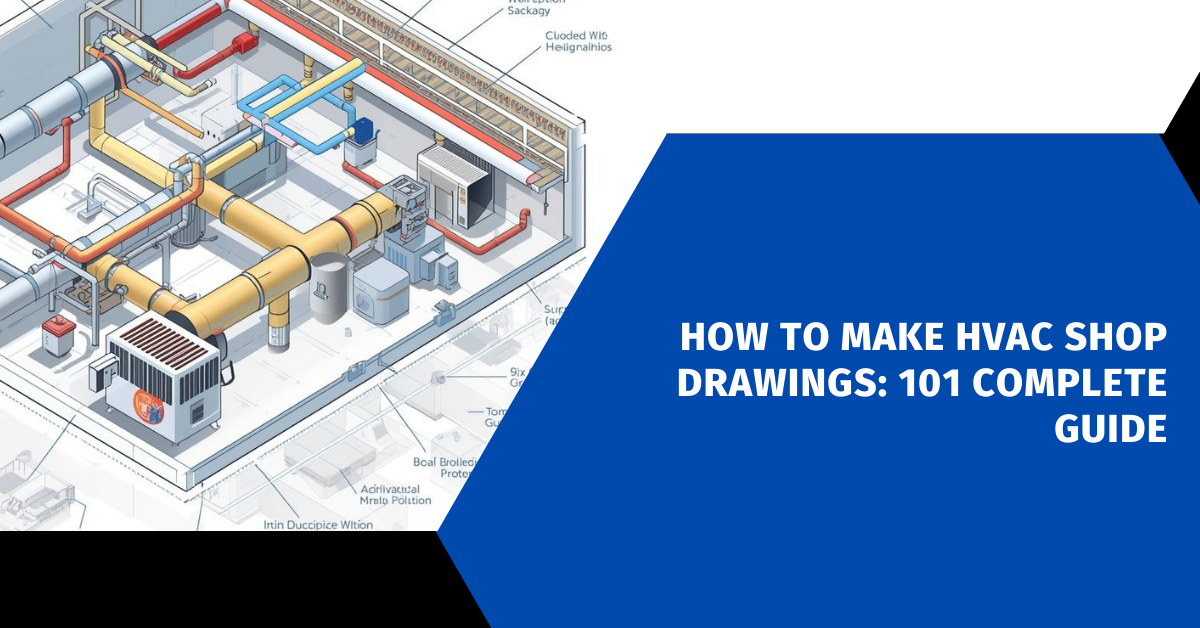
Ever wondered how HVAC systems are installed perfectly without mistakes? The answer is in HVAC shop drawings. These detailed blueprints turn design ideas into real, working systems.

For those in the HVAC field, learning to make shop drawings is key. They are the detailed plans that contractors and installers follow. These plans make sure every part of the system fits right.
Making good HVAC shop drawings takes a lot of knowledge. You need to know about technical specs, industry rules, and how to draw well. These drawings give the fine details that regular blueprints miss. They break down big systems into steps that can be followed.
Key Takeaways
- HVAC shop drawings translate design intent into precise installation instructions
- Drafting skills are essential for creating accurate mechanical system representations
- Shop drawings help prevent costly installation errors
- Detailed documentation is key to successful HVAC system implementation
- Professional drafting requires specialized software and technical knowledge
Table of Contents
What Are HVAC Shop Drawings and Why They Matter
HVAC shop drawings are key documents that turn architectural designs into detailed, buildable plans for heating, ventilation, and air conditioning systems. They are more than just blueprints. They give manufacturers, contractors, and installers the exact details needed to make complex HVAC designs a reality.
Knowing the mep shop drawing guidelines is essential for construction pros. These drawings are vital for clear communication. They help bridge the gap between design ideas and practical execution.
Defining HVAC Shop Drawings in Construction
HVAC shop drawings are detailed guides for installing systems. They include important details like:
- Precise component dimensions
- Material specifications
- Connection details
- Installation sequences
- Specific fabrication requirements
The Role of Shop Drawings in MEP Coordination
MEP shop drawing guidelines are key for coordinating mechanical, electrical, and plumbing systems. They help teams:
- Spot spatial conflicts
- Avoid installation problems
- Ensure smooth system integration
- Improve building performance
How HVAC Shop Drawings Differ from Construction Drawings
Construction drawings show the overall design, but HVAC shop drawings focus on the how of system setup. They turn architectural plans into clear, actionable steps for fabrication and installation.
Shop drawings are the critical link between design imagination and real-world construction.
Using detailed mep shop drawing guidelines helps construction pros avoid mistakes. It reduces costly rework and ensures HVAC systems are installed as engineers planned.
Essential Components of HVAC Shop Drawings
Creating detailed HVAC equipment layout drawings is key. They are more than simple sketches. They are detailed blueprints that show complex system specs to those who will build and install them.
These drawings have many important parts. They help everyone understand the system fully:
- Axonometric views show three-dimensional relationships.
- Orthographic projections give front, top, and side views.
- Sectional cuts show what’s inside the system.
- Assembly drawings show how parts work together.
Your drawings need to have exact details for making the equipment:
- Exact measurements are needed.
- Material specs are important.
- Manufacturing tolerances must be included.
- Special installation instructions are a must.
| Drawing Component | Key Information Required |
|---|---|
| Dimensional Details | Precise measurements, tolerances, field verification notes |
| Material Specifications | Metal gauge, insulation values, equipment model numbers |
| Installation Guidelines | Equipment placement, support locations, maintenance clearances |
Professional HVAC shop drawings also track revision history. They note every change with dates and numbers. Detailed equipment schedules are also key. They list what’s needed, how much, and where it goes.
By including all these parts, your drawings will guide fabrication and installation teams well.
Explore Our HVAC Shop
Looking for top-rated HVAC tools, parts, and accessories? Visit our shop and find the perfect solution for your needs.
Visit the ShopUnderstanding HVAC Drawing Symbols and Standards
HVAC drawing symbols are like a secret language in mechanical design. They show important details about ductwork, equipment, and system parts to everyone in the construction world. Knowing these symbols well is key to making clear HVAC shop drawings. This helps projects run smoothly.
Working with hvac drawing symbols means you’ll see many standard symbols. These symbols share complex technical info quickly. They help architects, engineers, and contractors get the details of HVAC systems.
Common HVAC Symbols for Ductwork and Equipment
Knowing the main hvac drawing symbols is vital for clear communication. Here are some important symbols you’ll see often:
- Rectangular and round duct representations
- Diffuser and grille symbols
- Equipment icons for:
- Fans and air handling units
- Heating and cooling coils
- Dampers (fire, volume, backdraft)
Industry Standards and Code Compliance Requirements
HVAC drawings must follow strict rules from industry groups. Important rules come from:
- SMACNA (Sheet Metal and Air Conditioning Contractors’ National Association)
- ASHRAE (American Society of Heating, Refrigerating and Air-Conditioning Engineers)
- AIA (American Institute of Architects)
- CSI (Construction Specifications Institute)
Every drawing needs a detailed legend. This legend should explain all symbols, abbreviations, and line types. It makes sure everyone can understand the drawing correctly.
Pro Tip: Always create a detailed symbol legend on each drawing sheet to eliminate possible misinterpretations.
Tools and Software for Creating HVAC Shop Drawings
Choosing the right software for HVAC shop drawings is key to a project’s success. Today’s designers use advanced digital tools. These tools make drafting easier and improve teamwork.
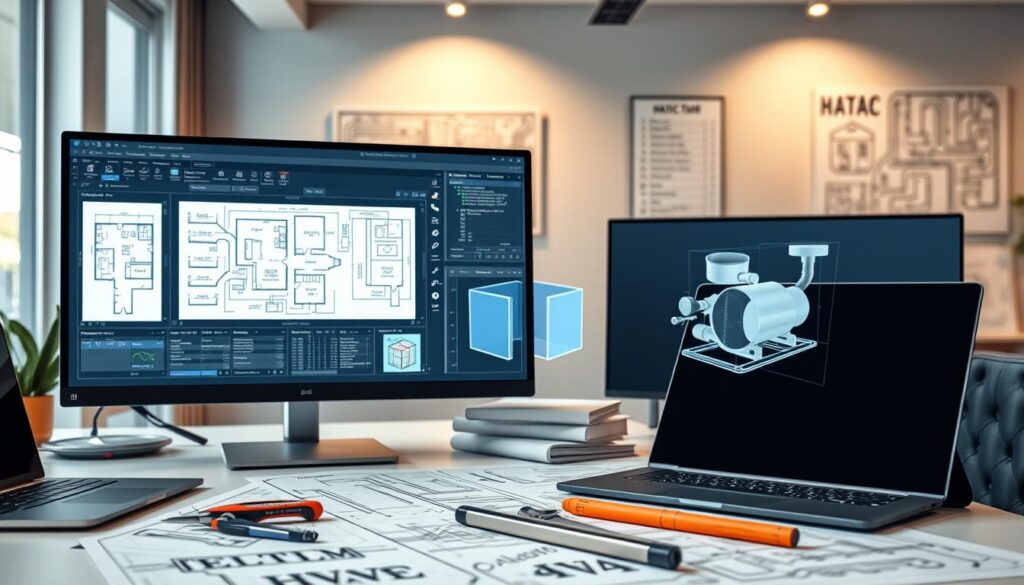
- AutoCAD for HVAC shop drawings – a versatile 2D and 3D design tool
- Revit MEP shop drawings – an intelligent BIM platform
- SketchUp – for quick 3D visualization
- Trimble SysQue – specialized fabrication detailing software
AutoCAD is a top choice for mechanical drawings. It has tools for HVAC designs and does math for you. Revit MEP goes further with smart 3D models that hold all the details.
Tools like BIM 360 and Bluebeam Studio make working together easier. They let teams share and work on projects online. This helps avoid mistakes and makes reviews smoother.
What software you pick depends on your project, team, and needs. Learning about these tools can greatly improve your work.
How to Make HVAC Shop Drawings: Step-by-Step Process
Making HVAC shop drawings needs careful planning and technical skills. This guide will show you how to make accurate and professional drawings. These drawings must meet industry standards.
Creating top-notch HVAC shop drawings involves several key steps. These steps require precision and a focus on details. The process starts with thorough preparation and follows a systematic approach.
Explore Our HVAC Shop
Looking for top-rated HVAC tools, parts, and accessories? Visit our shop and find the perfect solution for your needs.
Visit the ShopGathering Project Information and Design Documents
To begin making HVAC shop drawings, you must gather important project documents:
- Architectural floor plans
- Structural drawings
- Mechanical engineering specifications
- Electrical and plumbing drawings
- Equipment schedules
- Project-specific code requirements
Reviewing these documents carefully helps you grasp the design intent, spatial limits, and coordination needs.
Setting Up Your Drawing Environment
Getting your digital workspace ready is key when making HVAC shop drawings. Important setup steps include:
- Configure software units (imperial or metric)
- Establish layer standards
- Load HVAC symbol libraries
- Create project-specific templates
- Set up file naming conventions
Creating the HVAC Layout and Equipment Placement
The heart of making HVAC shop drawings is placing equipment and routing systems wisely. Focus on:
- Positioning major equipment accurately
- Routing primary ductwork efficiently
- Placing terminal devices precisely
- Checking for possible system conflicts
“Successful HVAC shop drawings require continuous coordination and meticulous attention to detail.” – ASHRAE Professional Guidelines
Creating HVAC shop drawings is a process that needs constant checking and teamwork. Always compare your work with design documents. Work with other trades to ensure a well-coordinated, buildable design.
HVAC Ductwork Drawing Basics and Best Practices
Creating precise HVAC ductwork drawings needs technical skill and detail. It’s key to understand the basics of hvac ductwork drawing. This ensures air distribution systems work well. Drafters must learn important techniques for accurate ductwork system drawings.
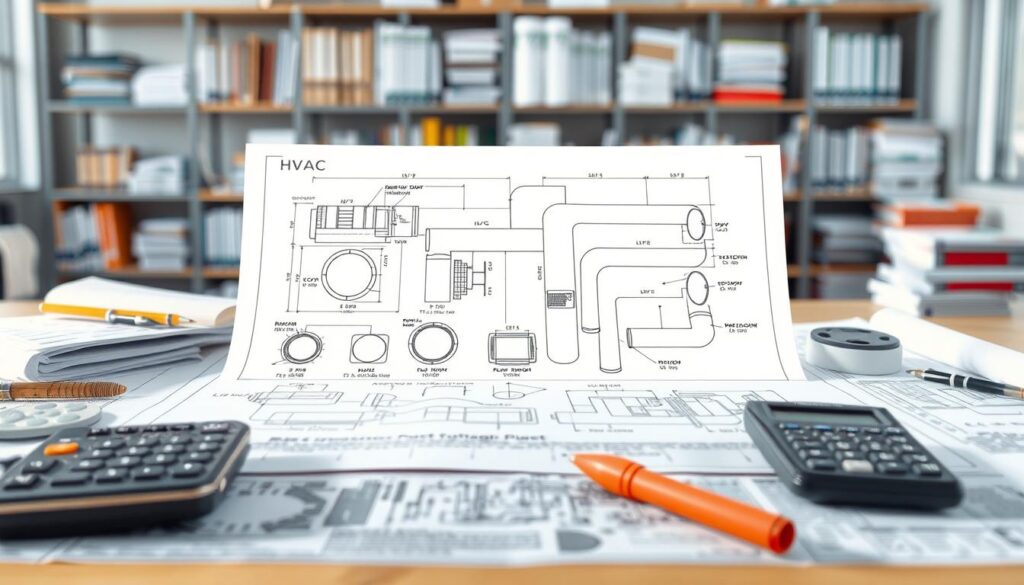
Learning the basics of hvac ductwork drawing is vital. It helps in clear communication and project success.
Sizing and Routing Ductwork Systems
When making ductwork drawings, focus on key points:
- Use standard notation for duct sizes
- Specify width x height for rectangular ducts
- Give diameter for round ducts
- Include material thickness and gauge
- Measure duct lengths between fittings and equipment
Indicating Airflow Direction and CFM Values
Correct airflow documentation is key in hvac ductwork drawing basics. You should:
- Use arrows to show air movement direction
- Label each duct segment with CFM values
- Mark balancing damper locations
- Note static pressure needs
- Indicate velocity for sound control
By following these steps, you’ll make clear, professional ductwork drawings. These drawings will share important system details with fabricators and installers.
Explore Our HVAC Shop
Looking for top-rated HVAC tools, parts, and accessories? Visit our shop and find the perfect solution for your needs.
Visit the ShopClash Detection and BIM Coordination for HVAC Systems
Creating HVAC shop drawings is a big step. It’s important to use advanced BIM coordination to avoid costly mistakes. This ensures that everything fits right and works well together.
BIM software changes how engineers find problems in HVAC designs. It helps spot three main types of clashes:
- Hard Clashes: When parts can’t fit because they’re in the same spot
- Soft Clashes: When parts don’t have enough space to install properly
- Workflow Clashes: When different parts can’t be installed in the right order
To solve these problems, a clear plan is needed. Here’s how to find and fix clashes:
- Make a model that includes all parts of the building
- Use software to find clashes
- Look at the reports to find real problems
- Work with other teams to find the best solutions
- Change the HVAC designs to match the new plan
“Effective BIM coordination transforms possible field problems into smart design solutions.”
Tools like Autodesk Navisworks, Revit, and Solibri Model Checker help a lot. They make sure your HVAC designs are perfect and easy to build.
| Clash Type | Detection Method | Resolution Strategy |
|---|---|---|
| Hard Clash | Geometric Interference Check | Component Relocation |
| Soft Clash | Clearance Zone Analysis | Spacing Adjustment |
| Workflow Clash | Sequencing Simulation | Schedule Modification |
Professional HVAC Drafting Techniques for Accuracy
Learning professional HVAC drafting techniques is key for making precise and clear drawings. These skills turn simple documents into top-notch illustrations. They meet industry standards and help avoid mistakes in fabrication and installation.
Good HVAC drafting needs focus on details and following graphic rules. Your drawings should clearly share complex info. This way, contractors and installers won’t get confused.
Dimensioning and Annotation Standards
For professional HVAC drafting, follow these dimensioning tips:
- Put dimension lines outside the object to keep it clean
- Use the same spacing and text size for all dimensions
- Stick to standard dimension line ends (arrows or dots)
- Measure to centerlines or face-of-material references
Your notes should be clear and precise. Use direct leader lines, keep text styles consistent, and write brief notes. This way, you avoid any confusion.
Creating Detailed Sections and Elevations
Professional HVAC drafting goes beyond just plans. It includes adding strategic section cuts and elevation views. These help show complex spatial relationships clearly.
- Mark section cuts on plan views with markers
- Draw section views larger for more detail
- Add notes to sections for clearances and component relations
- Make elevation views to show equipment setups
By using these techniques, your drawings will be both accurate and easy to understand. This benefits everyone involved in the project.
Explore Our HVAC Shop
Looking for top-rated HVAC tools, parts, and accessories? Visit our shop and find the perfect solution for your needs.
Visit the ShopThe HVAC Shop Drawing Review and Approval Process
Understanding the shop drawing submittal process is key. It’s about knowing how to navigate the construction document review workflow. Success comes from mastering the approval process to ensure your HVAC designs fit the project’s needs.
The submittal approval workflow involves several important people:
- Design Architect/Engineer
- Project Manager
- Contractor
- Subcontractor
Your journey with shop drawings starts with preparation. Architects and engineers outline what’s needed. Precision is important in every detail.
“A well-prepared shop drawing can save weeks of redesign and delay.” – Professional HVAC Design Expert
The review process has key steps:
- Submit initial drawings to the general contractor
- The contractor checks for compliance
- The design team reviews for accuracy
- Get feedback and revise as needed
- Resubmit until you get final approval
Most review cycles last 10-14 days. Aim to reduce revisions by making sure your first submissions are thorough and match the project’s specs.
For successful shop drawing submissions, consider these strategies:
- Submit drawings early in the project
- Ensure your documentation is complete and coordinated
- Include all necessary product data
- Respond quickly to review comments
- Keep detailed submittal logs
Remember, an approved shop drawing is a vital contract document. Paying close attention to detail in the submittal approval workflow can prevent delays and save costs.
Common Mistakes to Avoid When Creating HVAC Shop Drawings
Working on HVAC shop drawings needs a lot of care and precision. Many challenges can make projects late and more expensive. Knowing common mistakes is key to good MEP coordination.
To avoid mep coordination problems, it’s important to know where mistakes often happen. Let’s look at the main areas where errors are common.
Coordination Errors: Identifying and Preventing Conflicts
HVAC shop drawings face many coordination challenges. These can really affect project success:
- Ductwork getting in the way of structural parts
- Equipment not fitting because of architectural features
- Not enough space for mechanical systems
- Insufficient room for insulation
“Proactive coordination is always cheaper than reactive correction.” – HVAC Design Professional
Documentation and Revision Control Challenges
Good documentation needs a lot of detail. Common mistakes include:
- Old title block info
- Unclear revision tracking
- Missing supporting documents
- Not following the same drawing standards
To avoid hvac drafting errors, use strong quality control. Make detailed checklists, do thorough peer reviews, and keep all project teams informed.
Pro Tip: Always check that your shop drawings match the contract and project specs.
Knowing these common mistakes can help a lot. Paying attention to details and talking openly with everyone is the best way to make accurate HVAC shop drawings.
Conclusion
Creating professional mechanical drafting for HVAC systems needs a deep understanding of technical skills and industry standards. Your journey with HVAC shop drawings is more than just technical details. It’s about turning complex design ideas into clear, buildable plans that improve construction quality.
The success of HVAC shop drawing best practices depends on combining technical knowledge with good communication. You must use advanced software, know complex industry symbols, and have a sharp eye for detail. This helps avoid problems that could delay projects and increase costs.
Your skills in professional mechanical drafting will grow with new technologies like Building Information Modeling (BIM). By keeping up with industry changes, practicing drawing techniques, and focusing on quality, you’ll improve your skills. This makes you a vital part of the architectural, engineering, and construction fields.
Remember, great HVAC shop drawings are more than just technical documents. They are key tools for communication, linking design ideas with real-world application. Your dedication to precision, ongoing learning, and teamwork will shape your success in this fast-paced and challenging field.