
Affiliate Disclosure
HVAC Guide Guys is a participant in the Amazon Services LLC Associates Program, an affiliate advertising program designed to provide a means for sites to earn advertising fees by advertising and linking to Amazon.
Are you tired of your heating and cooling system sounding like a jet engine in your living room? What if you could make it as quiet as a whisper?

HVAC noise can really affect your home’s comfort and your well-being. Old equipment often makes loud noises that can stress you out. Making your HVAC system quieter is about more than just peace—it’s about comfort.
This guide will show you how to make your HVAC system quiet. You’ll learn simple maintenance tips and advanced soundproofing methods. These can greatly reduce the noise your system makes.
Key Takeaways
- Understanding the root causes of HVAC noise
- Identifying normal operational sounds versus problems
- DIY maintenance techniques to reduce system noise
- Cost-effective soundproofing strategies
- When to seek professional HVAC assistance
- Improving home comfort through noise reduction
Table of Contents
Understanding Your HVAC System and Why It Makes Noise
Your home’s HVAC system is made up of many parts working together. Knowing how your air conditioning works can help you spot and fix noise problems.
Every HVAC system makes some sound when it’s on. It’s important to know the difference between normal sounds and signs of trouble.
Key Components Generating HVAC Component Noise
- Compressor: Creates vibrations while circulating refrigerant
- Blower Motor: Generates humming sounds during air circulation
- Fan Blades: Produce whooshing noises when spinning
- Ductwork: Contributes to airflow sounds and possible rattling
Differentiating Normal vs. Problematic Sounds
Not all sounds from your HVAC mean there’s a problem. Knowing the difference can prevent unnecessary repairs and keep your home quiet.
Normal operational sounds include:
- Soft humming from motors
- Gentle clicking during system cycles
- Mild airflow whooshing
Problem indicators to watch for:
- Grinding noises suggesting worn bearings
- Loud banging indicating loose components
- Persistent squealing signaling belt issues
- Hissing sounds potentially revealing refrigerant leaks
By knowing what sounds are normal, you can catch and fix noise and performance issues early.
Explore Our HVAC Shop
Looking for top-rated HVAC tools, parts, and accessories? Visit our shop and find the perfect solution for your needs.
Visit the ShopCommon HVAC Noises and What They Mean
Knowing the sounds of your HVAC system is key for quiet operation. Different noises can tell you a lot about your system’s health. They can also show problems that need fixing.
When you listen to your HVAC, you’ll hear many common sounds. These sounds can mean different things:
- Buzzing: Often signals electrical issues like loose wires or capacitor problems
- Squealing: Typically suggests worn fan belts or motor bearing issues
- Popping/Clicking: Usually relates to ductwork expansion or electrical connections
- Rattling: Indicates loose components or screws within the system
To keep your furnace quiet, it’s important to know these sounds. Hissing might mean refrigerant leaks, while banging could be a big mechanical problem. Humming sounds often mean fan motor or capacitor issues.
Some sounds are normal, but loud or constant noises need checking. Electrical buzzing is a safety risk and should be looked at right away. Squealing noises might mean your system needs lubrication or part replacement.
Quick tip: Regular maintenance can help prevent many of these noise-related issues before they become major problems.
By understanding your HVAC system’s sounds, you can spot problems early. This can save you money on repairs and keep your system running well and quietly.
The Health and Comfort Impact of HVAC Noise
Your home’s comfort is more than just the temperature. The noise from HVAC systems can really affect your health. Making your home quieter is key to a healthier living space.
Background noise from air handlers and heaters is not just annoying. It can also be harmful to your health. Reducing noise from air handlers is very important. This is because sound pollution can greatly impact your daily life.
How Noise Pollution Disrupts Your Wellness
Persistent HVAC noise can lead to many health problems:
- Sleep Disruption: Loud system sounds can disrupt your sleep cycles
- Increased Stress Levels: Background noise can raise cortisol levels
- Reduced Cognitive Performance: Constant sounds make your brain work harder
- Potential Cardiovascular Strain: Chronic noise may raise blood pressure
Transforming Your Living Space Through Quieter HVAC
Effective noise control can greatly improve your life. By making your HVAC system quieter, you create a peaceful home. This supports mental clarity, reduces stress, and boosts comfort.
A quieter home is more than a luxury—it’s a pathway to better health and well-being.
The effects of HVAC noise go beyond just annoyance. A quiet home helps you stay focused, enjoy deeper conversations, and feel better emotionally.
Explore Our HVAC Shop
Looking for top-rated HVAC tools, parts, and accessories? Visit our shop and find the perfect solution for your needs.
Visit the ShopChecking for Obstructions and Dirty Components
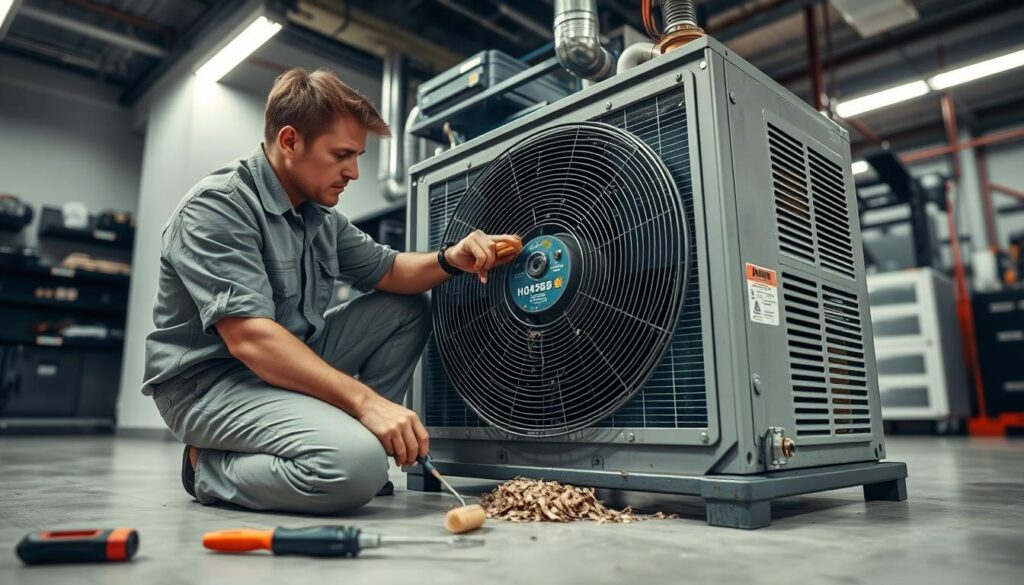
Reducing HVAC noise starts with a thorough inspection and cleaning. Your system’s performance and sound levels depend on keeping components free from obstructions and dirt. Regular maintenance prevents unnecessary noise and ensures efficient operation.
Start by examining your air vents and registers throughout your home. Soundproof ductwork begins with ensuring clear airflow paths. Look for these noise-causing obstructions:
- Furniture blocking air registers
- Curtains covering air vents
- Rugs or carpets restricting airflow
- Debris around outdoor units
Cleaning HVAC components is key for noise reduction. Focus on these areas:
| Component | Maintenance Action | Frequency |
|---|---|---|
| Air Filters | Replace or clean | Every 1-3 months |
| Outdoor Condenser | Remove leaves and debris | Seasonally |
| Ductwork | Inspect for gaps and dust | Annually |
Pro Tip: A clean HVAC system is a quiet HVAC system. Regular maintenance prevents unexpected noises and costly repairs.
Pay special attention to your blower wheel and fan components. Dust accumulation can cause imbalance, leading to vibrations and increased noise. If you’re uncomfortable cleaning these parts, consider hiring a professional HVAC technician for a thorough maintenance check.
Remember, your goal is to create a peaceful home environment. By dedicating time to inspect and clean your HVAC system, you’ll significantly reduce unwanted noise and improve overall system performance.
How to Make HVAC Quieter with Soundproofing Solutions
To make your HVAC system quieter, you need to use soundproofing techniques. These methods target specific parts of the system. Both professional and DIY options can greatly reduce noise without the need for expensive replacements.
Soundproofing an HVAC unit involves several steps to tackle different noise sources. By using targeted strategies, you can make your home quieter and more comfortable.
Installing Soundproof Blankets for Compressors
Reducing compressor noise starts with soundproof blankets. These blankets are made to fit around outdoor units. They absorb and block loud sounds. When picking soundproof blankets for your HVAC, remember these important points:
- Measure your specific compressor dimensions
- Choose weather-resistant materials
- Ensure proper airflow around the unit
- Select blankets with multiple sound-absorbing layers
Using Acoustic Barriers for HVAC
Acoustic barriers are a great way to keep HVAC noise in check. These panels create sound-blocking walls around outdoor units. This helps reduce noise that spreads to other areas.
- Select sound-absorbing panel materials
- Maintain minimum 3-foot clearance around the unit
- Position barriers to block primary noise paths
- Choose aesthetically pleasing design options
Professional soundproofing solutions cost between $200 and $800. This is much cheaper than replacing the whole system. Investing in acoustic barriers for HVAC can reduce noise levels by up to 20 decibels. This makes your outdoor space much quieter.
Explore Our HVAC Shop
Looking for top-rated HVAC tools, parts, and accessories? Visit our shop and find the perfect solution for your needs.
Visit the ShopSealing Air Leaks and Adding Insulation to Ductwork

Reducing HVAC noise starts with fixing air leaks and insulating ductwork. Unseen gaps in your ductwork can make a lot of noise and lower your system’s efficiency. Learning to seal HVAC leaks and insulate ductwork well can greatly enhance your home’s sound quality.
Common spots for air leaks in ductwork include:
- Duct joints and connections
- Seams along ductwork
- Areas around vents and registers
- Transitions connecting ducts to HVAC units
Effective ways to seal HVAC leaks involve using special materials for ductwork. Duct noise silencer products can cut down sound while keeping air in. You’ll need:
- Mastic duct sealant
- Aluminum foil tape
- Foam sealant
- Insulation wrap
| Sealing Material | Best Used For | Noise Reduction |
|---|---|---|
| Mastic Sealant | Small gaps and seams | Medium |
| Aluminum Foil Tape | Accessible duct joints | Low-Medium |
| Foam Sealant | Larger gaps | High |
When adding ductwork insulation, remember these key steps:
- Turn off your HVAC system
- Clean surfaces well
- Apply sealant generously
- Let it cure properly
- Test the system after fixing
Using top-notch insulation like Quiet-Duct Wrap can reduce noise and save energy. By spending time on sealing HVAC leaks, you’ll make your home quieter and more comfortable.
Upgrading Your HVAC System for Quieter Operation
Upgrading your HVAC system can make it quieter without needing a full replacement. Smart installation and targeted upgrades can greatly improve your home’s quietness. This makes your living space more peaceful.
If usual soundproofing doesn’t work, try more advanced vibration dampening HVAC solutions. These upgrades cut down on noise and boost system performance.
Switching to Flexible Ducts for Noise Reduction
Flexible ducts can make a big difference in reducing system noise. They offer several benefits:
- Less vibration transmission
- Better sound absorption
- Improved thermal insulation
- More flexible installation
Installing Vibration-Dampening Materials
Special materials can turn mechanical noise into heat. Key products include:
- Vibra Block™ pads for direct noise reduction
- Adhesive sound-dampening strips
- Liquid sound-reducing coatings
Using these materials on compressors and air handlers can cut noise by 15-25 decibels. The cost is $150-$500, a cheaper option than replacing the whole system.
DIY Maintenance Tips to Reduce HVAC Noise
Keeping your HVAC system quiet doesn’t have to be hard. Simple preventive maintenance can make a big difference. Most noise problems can be fixed with DIY methods that save you money and avoid expensive fixes.
- Check and replace air filters every 1-3 months
- Inspect ductwork for loose panels and possible gaps
- Clear any blockages around vents and outdoor units
- Clean condenser coils with care
- Tighten any loose screws and panel connections
Regular maintenance is key to a quiet HVAC system. Listen closely to your system’s sounds and remember any odd noises. A simple reminder on your phone can help you remember to check your system regularly. Always have spare filters ready to replace dirty ones.
Every quarter, give your system a closer look. Check the ductwork for new connections or gaps. Make sure your outdoor unit is free from debris and plants. Also, inspect the drain lines for clogs that might cause strange noises.
For yearly maintenance, try these deeper steps:
- Clean condenser coils with a gentle garden hose spray
- Inspect the blower parts
- Check the refrigerant line insulation
- Tighten any electrical connections
Always be safe when you’re working on your HVAC system. Turn off the power at the breaker before you start. Have a soft brush, flashlight, and screwdriver set ready for your checks.
While you can fix many noise issues yourself, know when to call a pro. Problems with refrigerant, electrical systems, or internal parts need a professional’s touch.
Explore Our HVAC Shop
Looking for top-rated HVAC tools, parts, and accessories? Visit our shop and find the perfect solution for your needs.
Visit the ShopWhen to Call a Professional HVAC Technician
Your HVAC system can face complex problems that need a pro’s touch. Knowing when to call for help is key to keeping your system running smoothly and avoiding expensive fixes.
Signs Your System Needs Expert Attention
Some signs mean you should get in touch with a professional HVAC service right away:
- Unusual noises like grinding, banging, or screeching
- Persistent water leaks near the HVAC unit
- Sudden spikes in utility bills
- Inconsistent room temperatures
- Complete system failure
Expert noise diagnosis is vital when strange sounds keep happening after basic upkeep. Grinding noises might signal motor bearing failure, while loud banging could indicate serious mechanical problems.
Choosing the Right HVAC Service Provider
Finding a qualified HVAC technician takes some thought. Here are important things to look at:
| Credential | What to Check |
|---|---|
| Licensing | Current state professional certification |
| Insurance | Liability and worker’s compensation coverage |
| Experience | Years in business and brand-specific training |
When picking an HVAC technician, ask for written estimates and check warranties. Also, look up online reviews. A good service will give clear prices and explain repairs in detail.
Remember: Tackling HVAC problems early with expert help can save you a lot of time and money later.
Conclusion
Your journey to quiet home comfort is just starting. It’s about understanding and keeping your HVAC system silent. By using the tips from this guide, you can make your heating and cooling system almost silent.
Good HVAC noise solutions begin with regular care and quick fixes. Simple tasks like cleaning air filters and checking ducts can make a big difference. Most noise problems come from not doing routine maintenance, so you have a lot of control over the sound.
Choosing to reduce noise improves your home’s comfort. You can do it yourself, get a pro to check your system, or add soundproofing upgrades. Each step you take makes your HVAC system quieter and more efficient. Your effort will lead to better comfort, energy savings, and longer equipment life.
With the knowledge from this guide, you can tackle HVAC noise problems. Listen to your ears, stay ahead of issues, and enjoy a peaceful home with a well-kept heating and cooling system.