
Affiliate Disclosure
HVAC Guide Guys is a participant in the Amazon Services LLC Associates Program, an affiliate advertising program designed to provide a means for sites to earn advertising fees by advertising and linking to Amazon.
Are you wondering if your air conditioning system is secretly struggling to keep your home cool? Understanding how to know if your HVAC needs freon could save you from unexpected breakdowns and skyrocketing energy bills.
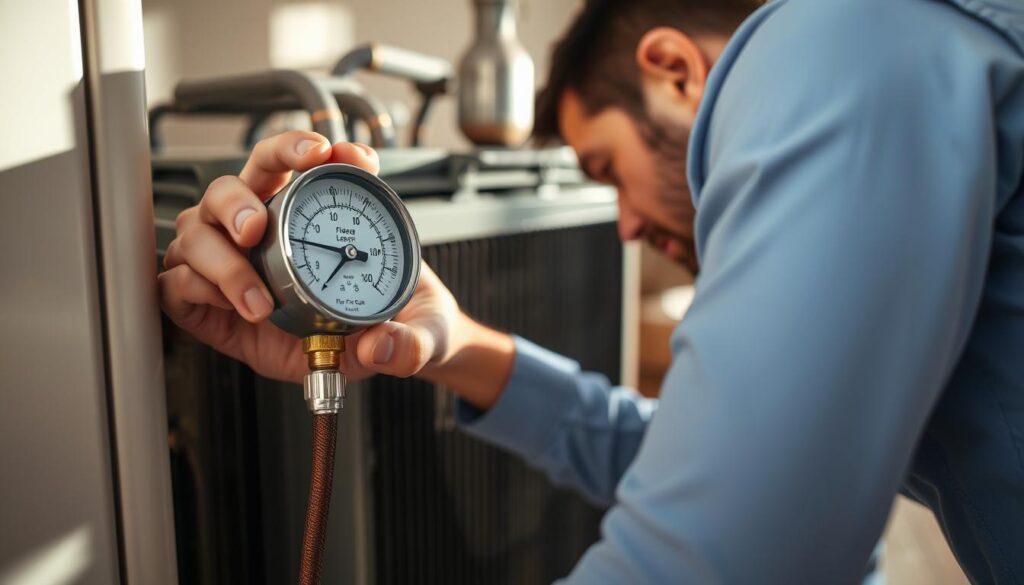
Freon is a critical chemical refrigerant that circulates through your air conditioning system. It absorbs indoor heat and transfers it outside. When signs your air conditioner needs refrigerant emerge, your cooling performance can dramatically decline.
Most homeowners don’t realize their AC system might be running low on this essential fluid. Recognizing the warning signs early can prevent costly repairs. It ensures your home remains comfortably cool during hot summer months.
Key Takeaways
- Freon is critical for efficient air conditioning performance
- Low refrigerant levels can cause significant cooling problems
- Professional diagnosis is recommended for refrigerant issues
- Early detection prevents expensive HVAC repairs
- Not all cooling problems indicate a freon leak
Table of Contents
Understanding How Freon Works in Your Air Conditioning System
Your home’s air conditioning system uses a cool process to keep you comfortable on hot days. At its core is a special chemical called refrigerant, also known as Freon. It’s key to controlling your home’s temperature.
Refrigerant works in a complex cycle to turn warm air into cool air. During a r410a refrigerant level check, HVAC experts look at how this chemical moves through your system’s coils.
The Role of Refrigerant in Cooling Your Home
Here’s how refrigerant cools your home:
- Absorbs heat from indoor air at the evaporator coil
- Transforms from liquid to gas during heat absorption
- Transfers heat to the outdoor condenser unit
- Converts back to liquid form while releasing heat outside
- Circulates continuously to maintain comfortable temperatures
Why Freon Doesn’t Get Used Up Under Normal Conditions
Many think refrigerant gets “used up” like fuel. This is not true. Your AC system is sealed, so refrigerant keeps circulating without being used up.
If your system seems low on refrigerant, it usually means there’s a leak. Professional HVAC technicians can find and fix these leaks to keep your system running well.
Your Home Takes Much Longer Than Usual to Cool Down
When your air conditioner takes too long to cool your home, it might be a sign of low refrigerant. A good AC should cool a room in 15-20 minutes. It should also lower your home’s temperature by 10 degrees in three hours.
Signs your air conditioner needs refrigerant show up when it takes too long to cool. If it runs non-stop but doesn’t cool your home enough, it might have a refrigerant problem.
- Normal cooling cycle: 15-20 minutes per room
- Expected home temperature drop: 10 degrees in 3 hours
- Extended cooling times suggest refrigerant problems
Fixing an AC that’s not cooling means knowing how it should work. Low refrigerant makes it hard for your AC to cool. It has to work harder and longer to keep your home cool.
| AC Performance Indicator | Normal Expectation | Potential Refrigerant Issue |
|---|---|---|
| Room Cooling Time | 15-20 minutes | 30-45 minutes or longer |
| Home Temperature Drop | 10 degrees in 3 hours | Unable to reach desired temperature |
| System Run Time | Standard cycling | Continuous operation |
Remember, while things like extreme heat or poor insulation can affect cooling, ongoing issues suggest a refrigerant leak. This needs a pro to fix.
You Notice Warm or Lukewarm Air Coming From Your Vents
When your air conditioning system starts blowing warm air, it could be a critical sign of low freon symptoms in HVAC systems. This uncomfortable situation signals that your AC is struggling to cool your home effectively.
Low refrigerant levels prevent your air conditioner from absorbing heat properly. As a result, the air circulating through your home remains uncomfortably warm. This makes ac not cooling troubleshooting a necessary step.
How to Test the Temperature of Your AC Vents
To diagnose refrigerant issues, follow these steps:
- Grab a digital thermometer
- Position the thermometer near the vent opening
- Wait 5-10 minutes for an accurate reading
- Test multiple vents throughout your home
What Temperature Your Vents Should Be Blowing
Healthy air conditioning systems typically blow air that is 15-20 degrees cooler than the room’s ambient temperature. When functioning correctly, vent temperatures should range between 55-60°F.
If your measurements consistently show warmer temperatures, this could indicate a refrigerant leak or insufficient freon levels. Professional HVAC technicians can perform a diagnostic test to confirm and resolve the issue.
Explore Our HVAC Shop
Looking for top-rated HVAC tools, parts, and accessories? Visit our shop and find the perfect solution for your needs.
Visit the ShopIce Buildup Appears on Your Refrigerant Line or Evaporator Coil
Seeing ice on your air conditioning system might seem odd. But, it’s a key sign that your HVAC system has a problem. If your refrigerant levels drop too low, the copper lines and evaporator coil can get frost or ice.
Ice buildup often means several things are wrong with your cooling system:
- Low refrigerant levels causing pressure drops
- Restricted airflow in your HVAC system
- Potential hvac coolant leak detection warning signs
The science behind this is complex. When refrigerant levels are too low, the remaining coolant gets very cold. This cold coolant makes the moisture around the lines and coils freeze, forming ice.
Critical areas to check for ice include:
- Copper refrigerant lines
- Indoor evaporator coil
- Exterior of the outdoor unit
If you see ice, turn off your system right away to avoid compressor damage. Ice can mean refrigerant problems, but other issues like dirty air filters or blocked vents can also cause it. A professional HVAC technician can find the real cause and suggest the right fixes.
How to Know if Your HVAC Needs Freon by Checking Your Energy Bills
Your electricity bills can tell you a lot about your air conditioning system’s health. If you see sudden spikes in energy costs, it might mean your AC needs refrigerant. This is something you shouldn’t ignore.
Watching your monthly energy bills can help spot air conditioner problems early. This way, you can avoid expensive repairs later on.
Why Low Refrigerant Causes Higher Electricity Costs
When your HVAC system doesn’t have enough refrigerant, it faces big challenges:
- The compressor works harder to cool your home
- Cooling cycles become longer and less efficient
- Energy consumption increases dramatically
A typical home might see electricity bills go up by 20-30% when refrigerant levels are very low.
Additional Factors Driving Energy Bill Increases
| Energy Cost Factor | Impact Level |
|---|---|
| Aging HVAC System | High |
| Incorrect Unit Size | Medium |
| Dirty Air Filters | Low-Medium |
| Poor Home Insulation | High |
Compare your current summer electricity bills with those from previous years. If you notice steady increases, it might mean your HVAC system has problems. It’s a good idea to get a professional to check it out.
Explore Our HVAC Shop
Looking for top-rated HVAC tools, parts, and accessories? Visit our shop and find the perfect solution for your needs.
Visit the ShopYou Hear Hissing or Bubbling Sounds From Your AC Unit
Strange noises from your air conditioning system can be a critical sign of problems. When your AC starts making unusual hissing or bubbling sounds, it’s time to pay close attention. This could mean there’s an issue with your air conditioner’s performance.
Refrigerant leaks can produce distinctive sounds that serve as warning signals for homeowners. Here are the key sounds to watch out for:
- Hissing sounds: Typically indicate refrigerant escaping as a gas
- Bubbling sounds: Often suggest liquid refrigerant leaking or air entering the system
These sounds are not part of normal AC operation. They usually occur near specific areas:
- Outdoor condenser unit
- Service valves
- Visible refrigerant lines
- Indoor evaporator coil
In rare but dangerous scenarios, a catastrophic compressor failure can produce a loud hissing sound accompanied by a white vapor cloud. If you experience this, keep a safe distance and contact an HVAC professional immediately. Refrigerant can displace oxygen and pose significant health risks.
Professional tip: Never ignore unusual sounds from your air conditioning system. Quick action can prevent extensive damage and costly repairs.
Protecting your HVAC system requires vigilance. Any suspected refrigerant leak demands immediate professional attention. This is to restore system function and prevent environmental contamination.
Water Pooling Around Your Air Conditioning Unit
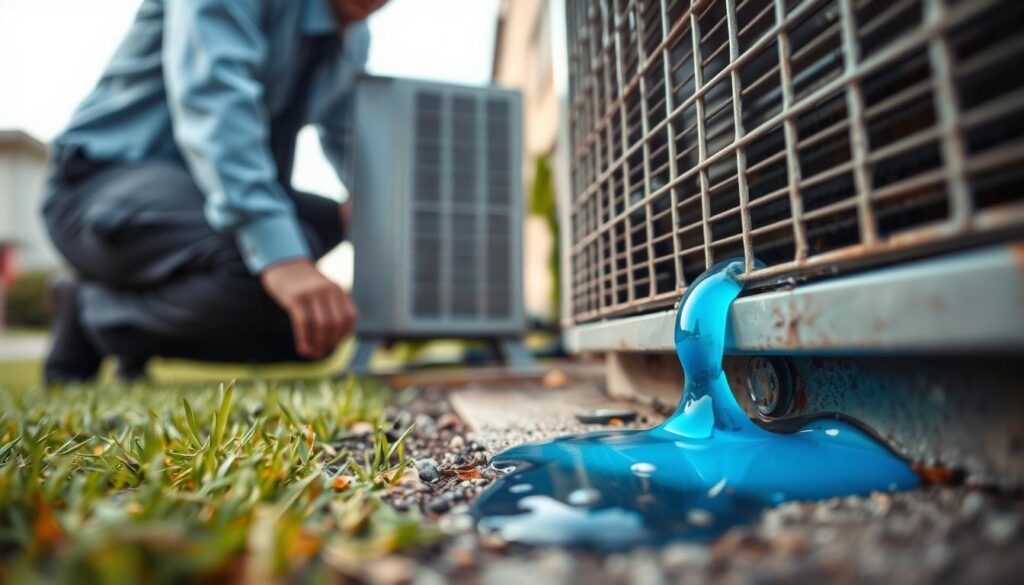
Seeing water around your air conditioning unit is a warning sign. It means you might have a big problem with your system’s refrigerant levels. This is why you need to troubleshoot your AC.
Water near your AC is not just a small issue. It could mean serious problems with your cooling system. This water can come from many different issues in your system.
How Frozen Coils Create Water Damage
Low refrigerant levels can freeze your evaporator coil. This leads to a series of problems:
- Ice buildup on refrigerant lines
- Excessive condensation
- Overwhelmed drainage systems
- Potential water damage to surrounding areas
When the coil thaws, it makes more water than your system can handle. This extra moisture can cause:
- Water stains on walls and ceilings
- Potential mold growth
- Damage to flooring and surrounding structures
- Electrical hazards near the AC unit
Warning signs you should never ignore include consistent water puddles, unexplained moisture near your air handler, or water stains developing around your HVAC system.
If you see water pooling, turn off your system right away. Then, call a professional HVAC technician. They can find out if low refrigerant is the problem. They can also stop damage to your home.
Explore Our HVAC Shop
Looking for top-rated HVAC tools, parts, and accessories? Visit our shop and find the perfect solution for your needs.
Visit the ShopCommon Causes of Freon Leaks in HVAC Systems
It’s key to find HVAC coolant leaks to keep your AC working right. Knowing why refrigerant leaks happen helps fix problems early.
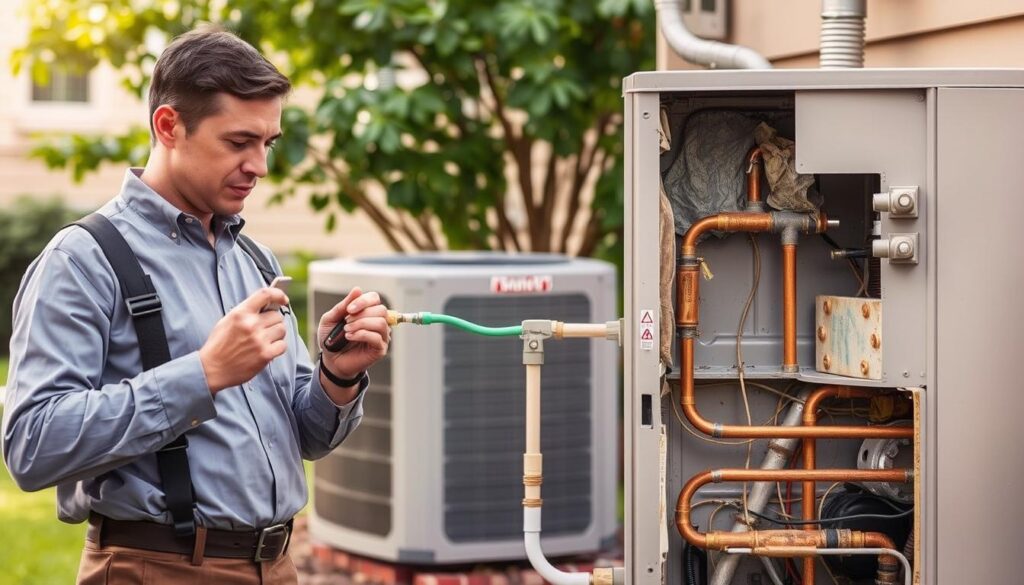
Refrigerant is in a closed system, so leaks mean a problem somewhere. If your AC needs refrigerant, finding the cause is vital.
Corrosion and Metal Component Deterioration
Most leaks come from damage to metal parts:
- Formic acid corrosion can make tiny leaks in evaporator coils
- Outdoor parts wear down from weather
- Rubber seals and gaskets get brittle
- Small cracks form at connections
Installation and Manufacturing Challenges
Some leaks aren’t just from age. They can come from human mistakes:
- Bad installation with loose connections
- Factory mistakes
- Damage from home fixes
- Loosening from vibrations
Experts in HVAC can find and fix these leaks. They make sure your system works well.
Why You Should Never Just Top Off Your Refrigerant
Topping off refrigerant might seem like a quick fix, but it’s actually a costly mistake. It can damage your air conditioning system. When you’re wondering when to add refrigerant to ac, the answer is never without addressing the underlying leak first.
The puron shortage impact on hvac systems has made refrigerant more expensive than ever. Adding refrigerant without fixing a leak is like pouring money down the drain. Your AC system operates in a sealed environment, which means refrigerant should never simply “run out”.
- Refrigerant leaks require professional diagnosis
- Only certified technicians can legally handle refrigerant
- Repeated topping off can cause additional system damage
Professional HVAC technicians follow a specific process to address refrigerant issues:
- Use specialized gauges to check system pressure
- Detect and locate precise leak points
- Safely recover existing refrigerant
- Repair the leak completely
- Recharge the system to manufacturer specifications
Pro tip: A reputable technician will always focus on fixing the leak, not just temporarily refilling your system.
Protecting your AC system means addressing root causes, not just symptoms.
Conclusion
Knowing when your HVAC system needs refrigerant is key to keeping your home comfy. Spotting early signs of Freon issues helps avoid costly repairs. It’s important to catch these problems fast.
Look out for signs like slow cooling, warm air, strange noises, and high energy bills. These hints often mean your system has a refrigerant leak. It’s time to call in the experts.
Professional HVAC techs are your best bet for fixing refrigerant problems. They find the root cause and fix it right. Adding more Freon won’t solve the issue for long. You need to fix the leak to keep your system running smoothly.
If you see several signs that your HVAC needs Freon, act fast. Reach out to a licensed HVAC pro. They’ll check your system, find leaks, and get your AC working great again. Quick action saves your wallet and keeps your home cool.
FAQ
How do I know if my air conditioner is low on refrigerant?
Can I add refrigerant to my AC system myself?
How often should refrigerant be replaced in an air conditioning system?
What causes refrigerant leaks in HVAC systems?
How expensive is a refrigerant leak repair?
How do I know if my air conditioner is low on refrigerant?
Can I add refrigerant to my AC system myself?
How often should refrigerant be replaced in an air conditioning system?
What causes refrigerant leaks in HVAC systems?
How expensive is a refrigerant leak repair?
FAQ
How do I know if my air conditioner is low on refrigerant?
Look for signs like long cooling times and warm air from vents. Also, check for ice on refrigerant lines, high energy bills, and strange sounds near the AC. If you see these signs, your system might have a refrigerant leak.
Can I add refrigerant to my AC system myself?
No, adding refrigerant needs EPA certification. Only licensed HVAC techs can do it legally. Trying to add it yourself can damage your system and break the law.
How often should refrigerant be replaced in an air conditioning system?
Refrigerant should never need to be replaced in a working system. If it’s low, it means there’s a leak. A well-kept system doesn’t use up refrigerant.
What causes refrigerant leaks in HVAC systems?
Leaks can come from corrosion, worn-out copper coils, or bad seals. They can also happen from poor installation, factory defects, or damage during renovations.
How expensive is a refrigerant leak repair?
Repair costs vary based on the leak’s location and size. They can range from 0 to
FAQ
How do I know if my air conditioner is low on refrigerant?
Look for signs like long cooling times and warm air from vents. Also, check for ice on refrigerant lines, high energy bills, and strange sounds near the AC. If you see these signs, your system might have a refrigerant leak.
Can I add refrigerant to my AC system myself?
No, adding refrigerant needs EPA certification. Only licensed HVAC techs can do it legally. Trying to add it yourself can damage your system and break the law.
How often should refrigerant be replaced in an air conditioning system?
Refrigerant should never need to be replaced in a working system. If it’s low, it means there’s a leak. A well-kept system doesn’t use up refrigerant.
What causes refrigerant leaks in HVAC systems?
Leaks can come from corrosion, worn-out copper coils, or bad seals. They can also happen from poor installation, factory defects, or damage during renovations.
How expensive is a refrigerant leak repair?
Repair costs vary based on the leak’s location and size. They can range from $200 to $1,500. Early detection can prevent more damage and save money.
What temperature should air from my AC vents be?
AC systems should cool the air 15-20 degrees. If the air is only slightly cool, it might be a refrigerant problem.
Are older or newer AC systems more prone to refrigerant leaks?
Older systems face more wear and corrosion. But, newer systems can also leak due to defects or damage. Regular checks can catch issues early.
What should I do if I suspect a refrigerant leak?
Turn off your AC and don’t try to fix it yourself. Call a licensed HVAC pro right away. They can fix the leak and recharge the system.
How do environmental regulations affect refrigerant use?
The EPA has banned older refrigerants like R-22. Newer systems use safer options like R-410a. Older systems might need new parts to use these safer refrigerants.
Can a refrigerant leak be dangerous?
Small leaks are usually safe, but big ones can be harmful. They can also harm the environment. Always get leaks fixed by a pro for safety and to follow the law.
,500. Early detection can prevent more damage and save money.
What temperature should air from my AC vents be?
AC systems should cool the air 15-20 degrees. If the air is only slightly cool, it might be a refrigerant problem.
Are older or newer AC systems more prone to refrigerant leaks?
Older systems face more wear and corrosion. But, newer systems can also leak due to defects or damage. Regular checks can catch issues early.
What should I do if I suspect a refrigerant leak?
Turn off your AC and don’t try to fix it yourself. Call a licensed HVAC pro right away. They can fix the leak and recharge the system.
How do environmental regulations affect refrigerant use?
The EPA has banned older refrigerants like R-22. Newer systems use safer options like R-410a. Older systems might need new parts to use these safer refrigerants.
Can a refrigerant leak be dangerous?
Small leaks are usually safe, but big ones can be harmful. They can also harm the environment. Always get leaks fixed by a pro for safety and to follow the law.