
Affiliate Disclosure
HVAC Guide Guys is a participant in the Amazon Services LLC Associates Program, an affiliate advertising program designed to provide a means for sites to earn advertising fees by advertising and linking to Amazon.
Ever wondered why your air conditioner smells like a musty basement or burning electronics? It shouldn’t smell bad. When it does, it means something’s wrong with your cooling system.
Getting rid of air conditioner smells is more than just covering them up. It’s about finding and fixing the real problem. Different smells can mean different issues, from simple fixes to serious problems that affect your system’s performance and air quality.
To solve HVAC smell problems, you need to know what kind of smell you’re dealing with and why. This guide will help you tackle musty mildew, chemical leaks, or electrical burning smells. We’ll show you how to get your system back to fresh, clean air.
Key Takeaways
- Different HVAC odors signal specific system problems
- Prompt identification is key for solving issues
- Some smell problems can be fixed with DIY maintenance
- Regular system checks prevent ongoing odor issues
- For complex problems, you might need a pro
Table of Contents
Understanding Why Your HVAC System Smells Bad
Your home’s comfort relies on a clean, efficient HVAC system. If your air vents smell bad, it’s time to find out why. Learn how to get rid of AC unit smells by understanding their causes.
Common Causes of Air Conditioner Odors
HVAC systems can smell bad for many reasons. The main causes include:
- Moisture Accumulation: Damp conditions are perfect for mold and mildew
- Bacterial growth in drain pans and ductwork
- Dust and debris buildup
- Decomposing organic matter in air ducts
“A clean HVAC system is a healthy HVAC system” – HVAC Maintenance Experts
When HVAC Smells Indicate Serious Problems
Not all smells are the same. Some smells mean serious problems that need quick action during hvac system cleaning. Look out for these signs:
- Burning electrical smell (possible wiring issues)
- Chemical or refrigerant odors
- Rotten egg or sulfur-like scents
- Persistent musty or moldy smells
Southeastern states are at higher risk because of the humidity. Regular maintenance can stop most odor problems and keep your air clean.
Explore Our HVAC Shop
Looking for top-rated HVAC tools, parts, and accessories? Visit our shop and find the perfect solution for your needs.
Visit the ShopIdentifying the Source of Musty Smells in Your Air Ducts
Musty odors in your home can be more than just a nuisance. Finding out why your air ducts smell musty is key. These smells often mean mold or mildew is hiding in your HVAC system.
To find where the smell is coming from, you need a plan. Here are important places to check:
- Air vents and registers
- Air filters
- Evaporator coils
- Condensate drain pans
- Interior ductwork
Moisture is the main cause of musty smells. When your air conditioning system gets too humid, mold grows. Mold spores can spread fast through your vents, posing health risks.
Watch for these signs when trying to get rid of musty smells:
• Smells get worse when you turn on your HVAC
• Smells more during humid weather
• See moisture or water stains on vents
• Keep getting allergic reactions or breathing problems
If you can’t find where the smell is coming from, get a pro to help. HVAC experts can do thorough air vent cleaning. They make sure your home’s air is clean and safe.
How to Get Rid of HVAC Smell: Step-by-Step Solutions
Bad smells from your air conditioning can make your home less comfortable. They might also mean there’s a bigger problem. To fix these smells, you need to clean your air conditioner well and stop mildew from growing.
To get rid of HVAC odors, you need to follow a few important steps. These will help you make your air fresh and clean again.
Cleaning Air Filters: Your First Line of Defense
Air filters are key to keeping your air clean. Here’s how to keep them working right:
- Find your air filter (usually near the return air duct)
- Check it every 30-90 days
- Take it out carefully
- Change disposable filters or clean reusable ones
Pro tip: How often you need to change filters depends on your home. Places with pets or lots of dust might need more frequent changes.
Tackling Mold and Mildew in Your AC Unit
Mold can be dangerous and smell bad. To stop mildew in your air conditioner:
- Turn off your air conditioning
- Look for mold in visible spots
- Use water and white vinegar to clean surfaces you can reach
- Wear gloves and a mask for protection
- If you find a lot of mold, get a pro to clean it
Keeping humidity below 60% helps fight mold. Using a dehumidifier or a new AC with humidity control can keep your air fresh.
Regular maintenance is key to preventing HVAC odors and ensuring optimal system performance.
Eliminating Chemical and Refrigerant Leak Odors
Refrigerant leaks can create dangerous chemical odors in your HVAC system that require immediate attention. It’s important to know how to recognize and address these smells for your safety and to get rid of air conditioner odors.
Chemical odors from cooling fluid can surprise you. Your air conditioning system might smell like:
- Car exhaust fumes
- Nail polish remover
- Ammonia
- Sweet, fruity scents
- Subtle ether-like undertones
Recognizing Signs of Cooling Fluid Leaks
Spotting refrigerant leaks needs careful watching during HVAC system cleaning. Look out for these important signs:
- Reduced cooling performance
- Ice formation on refrigerant lines
- Hissing sounds near the outdoor unit
- Unexplained increases in energy bills
Safety Precautions When Dealing with Refrigerant Smells
“Refrigerant exposure can cause serious health risks, including respiratory problems and dizziness.” – HVAC Safety Association
If you smell chemical odors, act fast:
- Switch off your AC unit immediately
- Open windows for ventilation
- Evacuate the area
- Contact a licensed HVAC professional
| Refrigerant Type | Potential Odor Characteristics | Health Risk Level |
|---|---|---|
| R-22 | Sweet, fruity scent | Moderate |
| R-410A | Sharp chemical smell | High |
Remember: Never try DIY repairs with refrigerant leaks. Professional HVAC technicians have the right tools and know-how to do it safely.
Removing Rotten Egg and Sulfur Smells from Your HVAC System
Discovering a rotten egg smell from your air conditioning is alarming. This smell could mean several problems that need quick action to get rid of ac unit smells.
The first step is to check for a gas leak. Gas companies add sulfur compounds to help find leaks. If you smell rotten eggs, do these urgent steps:
- Evacuate the premises immediately
- Avoid creating any sparks or flames
- Contact your gas company’s emergency line
After ruling out a gas leak, look for other reasons for the sulfur smell:
- Check for decomposing animals in your HVAC system
- Inspect plumbing and drain traps
- Examine possible chemical reactions with copper pipes
When sulfur smells won’t go away, get a pro’s help. An HVAC expert can find and fix the problem.
| Potential Cause | Recommended Action |
|---|---|
| Dead Animal in Ductwork | Professional Removal and Sanitization |
| Plumbing Issues | Drain Trap Inspection |
| Chemical Interactions | Pipe and Drywall Assessment |
Stop future smells by getting regular HVAC checks and sealing off pest entry points. Being proactive can prevent bad smells and health risks.
Explore Our HVAC Shop
Looking for top-rated HVAC tools, parts, and accessories? Visit our shop and find the perfect solution for your needs.
Visit the ShopFixing Burning Smells and Electrical Issues in Your AC Unit
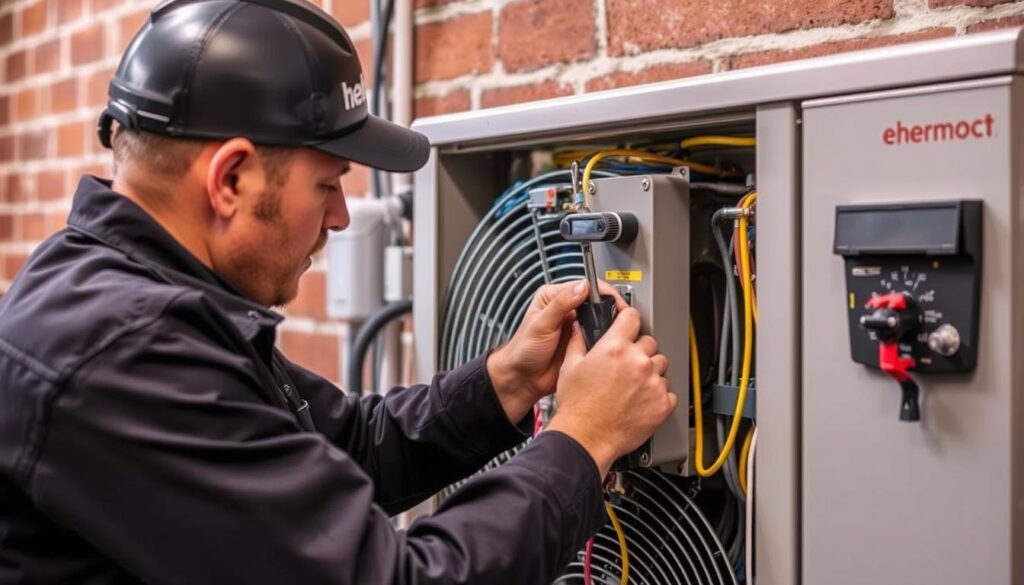
Burning smells from your air conditioner can be scary and risky. Knowing the signs of electrical trouble helps keep your home safe. It also stops serious damage during air conditioner odor elimination.
Identifying Overheating Motors and Damaged Wiring
A burning smell from your AC unit might mean several things. Not all smells are urgent, but some need quick action to clean moldy air conditioner parts and keep things safe.
- Brief burning smell when first turning on AC after months of inactivity is typically dust burning off components
- Persistent burning smells might signal serious electrical problems
- Fishy or plastic-like burning odors could indicate overheating electrical components
Common causes of burning smells include:
- Dirty air filters restricting airflow
- Worn-out motor bearings
- Damaged electrical wiring
- Malfunctioning capacitors
When to Call a Professional HVAC Technician
Electrical problems in your air conditioner can be tricky and risky. Immediate professional help is key if you notice any warning signs:
- Burning smell that doesn’t dissipate quickly
- Visible smoke or sparks
- Tripped circuit breakers
- Unusual sounds from the AC unit
- Reduced system performance
Professional HVAC technicians can find and fix electrical issues safely. They prevent fires and make sure your system works well during air conditioner odor elimination.
Clearing Vinegar and Sour Odors from Drain Pans and Lines
Vinegar smells in your HVAC system often mean a problem with drain pans and lines. These smells come from bacteria growing in stagnant water during cleaning.
Your air conditioning system makes condensation when cooling. If this moisture stays, it’s a perfect spot for bacteria to grow. This leads to bad smells in your air vents.
- Check the drain pan under your indoor unit
- Look for standing water or visible buildup
- Inspect drain lines for possible clogs
To fix these problems, you need to clean thoroughly:
- Turn off your HVAC system completely
- Remove standing water with a sponge
- Clean the drain pan with warm soapy water
- Flush drain lines with white vinegar
- Rinse well with clean water
“Regular maintenance prevents 90% of HVAC drainage problems” – HVAC Professional Advice
If smells keep coming back, it might be a bigger problem. Getting a pro to help is key when DIY doesn’t work.
| Odor Type | Potential Cause | Recommended Action |
|---|---|---|
| Sour/Vinegar | Bacterial Growth | Clean Drain Pan and Lines |
| Musty | Moisture Accumulation | Improve Ventilation |
| Persistent Smell | Hidden Blockage | Professional Inspection |
To stop odors from coming back, keep up with maintenance. Think about getting a float switch. It will tell you if water is backing up before bacteria grow too much.
Explore Our HVAC Shop
Looking for top-rated HVAC tools, parts, and accessories? Visit our shop and find the perfect solution for your needs.
Visit the ShopPreventing Future HVAC Odors Through Regular Maintenance
To keep your HVAC system fresh and efficient, you need to take care of it regularly. A good maintenance plan helps prevent mildew and keeps your system working well.
Keeping your HVAC system in top shape is key to avoiding bad smells. Professional cleaning is essential to catch problems early.
Creating an Annual HVAC Maintenance Schedule
Having a maintenance plan helps you avoid odors and system problems. Here are some important tasks to include:
- Schedule professional inspections twice a year
- Replace air filters every 1-3 months
- Clean outdoor unit and surrounding areas
- Check and clean drainage systems
- Inspect electrical connections
Improving Indoor Air Quality and Ventilation
Good ventilation is your best ally against bad smells and moisture. Here’s how to keep your air clean:
- Use air purifiers with HEPA filters
- Control indoor humidity levels
- Open windows for 10 minutes daily
- Clean air ducts annually
| Maintenance Task | Frequency | Purpose |
|---|---|---|
| Professional Inspection | Bi-annually | Comprehensive system check |
| Air Filter Replacement | Every 1-3 months | Improve air quality |
| Coil Cleaning | Annually | Prevent mildew growth |
Regular HVAC maintenance saves money and keeps odors away. Stay ahead and keep your system efficient!
Natural Methods to Freshen Your HVAC System
Keeping your HVAC system fresh doesn’t need harsh chemicals. You can use natural methods that are safe, effective, and good for the environment. These solutions help keep your HVAC system components fresh and improve your indoor air quality.
Explore these powerful natural odor-fighting techniques:
- Use baking soda as an odor neutralizer:
- Sprinkle on carpets near vents
- Place a bowl near return air vents
- Let sit for 30 minutes to absorb lingering smells
- Leverage white vinegar for neutralizing odors:
- Mix one teaspoon with two cups of water
- Spray in well-ventilated areas
- Break down odor-causing compounds naturally
- Incorporate houseplants for air purification:
- Spider plants
- Peace lilies
- Boston ferns
Good ventilation is key to keeping your HVAC system fresh. Open windows often and use fans to move air. Stay away from synthetic air fresheners that just hide smells. Go for natural solutions that really get rid of bad smells.
Pro Tip: Natural odor elimination methods work best when combined with regular HVAC maintenance and cleaning.
These techniques work best when you tackle the root cause of bad smells. Regular maintenance, clean filters, and good air flow are essential. They help keep your HVAC system smelling fresh and clean.
Conclusion
Understanding and getting rid of ac unit smells is key to a comfortable home. Your HVAC system’s health affects your indoor air quality and living space. By knowing the different smells and their causes, you can fix problems early.
Some smells can be fixed with simple steps like changing filters or cleaning. But, if DIY doesn’t work, you need a pro. Experts can find and fix complex issues, keeping your system running well and air clean.
Regular maintenance is the best way to avoid HVAC smells. A routine that includes checking filters, annual inspections, and quick action on odd smells is essential. This care keeps your home healthy and comfortable for everyone.
Your HVAC system is a big investment. By staying informed, fixing problems fast, and keeping it well-maintained, you’ll have clean air and great cooling all year.