

Affiliate Disclosure
HVAC Guide Guys is a participant in the Amazon Services LLC Associates Program, an affiliate advertising program designed to provide a means for sites to earn advertising fees by advertising and linking to Amazon.
What if the air in your home, meant for comfort, carries an unpleasant odor instead? That strange scent from your vents is more than a nuisance. It’s a signal from your heating and cooling system.
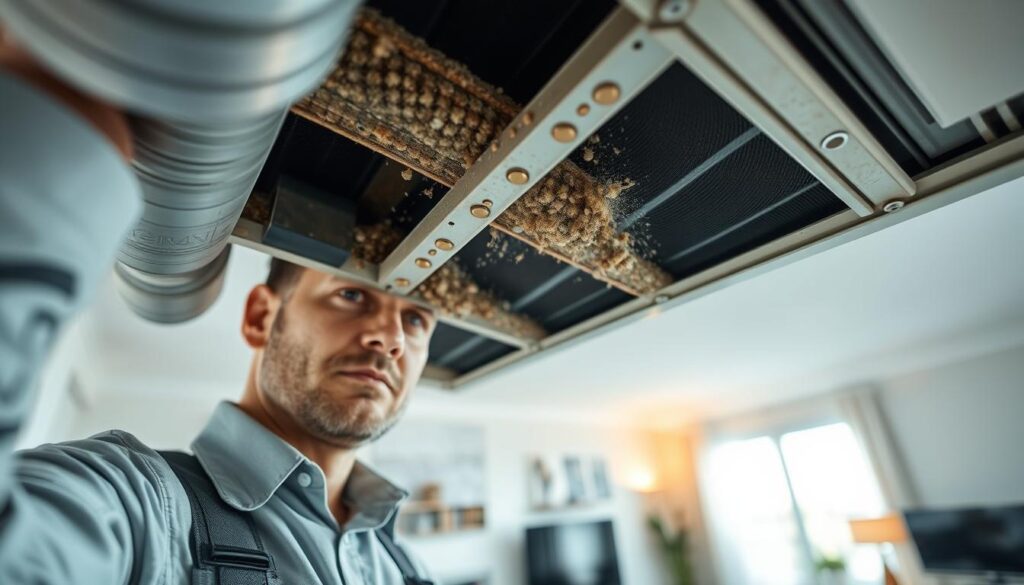
Unwanted odors can stem from several sources. Mold or mildew growth is a common culprit. A clogged air filter or stagnant water in a drain line can also be the cause. Identifying the root of the problem is the first step toward a solution.
This guide provides clear, actionable steps to tackle this issue. You will learn to diagnose different scents, from a musty smell to a burning odor. We cover do-it-yourself fixes and signs you need a pro. Restoring fresh, clean air to your home is the ultimate goal. A key part of prevention is ensuring your unit receives a regular HVAC tune-up.
Key Takeaways
- Unpleasant smells from your HVAC system are a warning sign that should not be ignored.
- Common causes include mold, dirty filters, and stagnant water in the drain pan.
- Identifying the specific type of odor is crucial for applying the correct solution.
- Simple DIY maintenance can often resolve minor odor problems effectively.
- Persistent or strong burning smells indicate a need for professional assistance.
- Regular system maintenance is the best strategy for preventing future odors.
Table of Contents
Understanding the Causes of HVAC Odors
Unusual aromas flowing through your vents are more than just nuisances—they’re diagnostic tools for system health. Each distinctive scent points to specific maintenance needs within your climate control equipment.
Identifying Mold, Mildew, and Moisture Issues
Musty, damp aromas often signal mold or mildew growth within your system. These biological contaminants thrive in moist environments created by condensation or water accumulation.
Your ductwork and evaporator coils provide ideal conditions for this unwanted growth. Stagnant water in drain pans encourages bacterial development that affects your indoor air quality. Understanding whether your HVAC can cause mold helps you address these moisture problems effectively.
Recognizing Common Odor Indicators
Different scents reveal distinct issues requiring targeted solutions. A rotting carcass smell indicates deceased pests trapped in air ducts. Electrical or burning aromas suggest overheating components or dirty filters straining the system.
An oily scent may point to lubrication issues, while sulfur-like odors demand immediate professional attention. Recognizing these indicators helps you determine appropriate response strategies for maintaining healthy air circulation.
Explore Our HVAC Shop
Looking for top-rated HVAC tools, parts, and accessories? Visit our shop and find the perfect solution for your needs.
Visit the ShopHow to Get Rid of HVAC Smell: A Step-by-Step DIY Guide
When your climate control equipment emits unpleasant scents, a methodical cleaning process can restore freshness. Proper preparation ensures your efforts yield lasting results.
Initial inspection and safety precautions
Your safety comes first before addressing any ventilation issues. Always turn off power at both the thermostat and circuit breaker. This prevents electrical hazards during your work.
Conduct a thorough visual check of all accessible components. Look for visible mold, dust buildup, or debris in your air ducts. Documenting the current state helps track your progress.
Wear appropriate protective gear throughout the process. Use a high-quality face mask to avoid inhaling contaminants. Gloves, long sleeves, and closed-toe shoes provide additional protection.
Gathering necessary cleaning supplies and tools
Assemble all required materials before starting your cleaning project. You’ll need approved air duct odor eliminators and mild cleaning solutions. A vacuum with hose attachments helps remove loose debris.
Have screwdrivers, brushes, and clean cloths ready for detailed work. Plastic bags are essential for proper debris disposal. Assess whether the task matches your skill level.
If you lack experience with duct cleaning, consider professional assistance. A systematic approach ensures you address all accessible vents and registers properly.
Cleaning and Replacing Air Filters Effectively
Your home’s comfort relies heavily on the quality of air circulating through it, and a primary defender of that quality is your air filter. This component traps dust, pollen, and other particles, preventing them from recirculating.
Over time, this accumulation of dust and debris blocks airflow. This restriction strains your system and creates a damp environment where mold can grow, leading to musty smells.
How Dust and Debris Contribute to Unpleasant Smells
A clogged filter cannot perform its job. Airflow slows down, and trapped organic material can decompose. This process is a common source of odors emanating from your vents.
Regular inspection is your best defense. You should check your air filters monthly. Increase frequency during heavy-use seasons like summer and winter.
Techniques for Cleaning and Replacing Filters
Maintenance depends on your filter type. Permanent filters require cleaning, while disposable ones need replacement. The table below outlines the key differences.
| Filter Type | Maintenance Action | Frequency | Key Consideration |
|---|---|---|---|
| Washable | Clean with warm water and mild detergent | Monthly or as needed | Must be completely dry before reinstallation |
| Disposable | Replace with a new filter | Every 1-3 months | Consider pets, allergies, and local air quality |
For cleaning, first turn off the system. Remove the filter and vacuum loose dust. Wipe it with a dry cloth. If light doesn’t pass through, replacement is necessary.
After servicing your air filters, run the system to check for improvement. For enhanced air quality, consider upgrades like HEPA or activated carbon filters.
Explore Our HVAC Shop
Looking for top-rated HVAC tools, parts, and accessories? Visit our shop and find the perfect solution for your needs.
Visit the ShopRestoring Dryness: Clearing Condensate Drain and Moisture Issues
Condensate removal plays a vital role in keeping your climate control equipment functioning optimally. When your condensate drain system works properly, it efficiently removes excess moisture from your indoor air. Blockages in this system can lead to water backup and microbial growth.
Your condensate drain pan collects humidity extracted from your home’s atmosphere. The drain line then channels this water outside. Regular maintenance prevents clogs that cause stagnant water and unpleasant conditions.
Steps to Unclog the Condensate Drain Line
Begin by shutting off power at both the thermostat and circuit breaker. Safety is paramount when working with electrical components. Locate the T-shaped fitting on your indoor drain line and carefully remove its cap.
Remove visible blockages by hand before pouring distilled vinegar or a mild cleaning solution into the line. Allow the solution to work for several minutes to break down organic debris. Flush thoroughly with water to clear residual material and replace the cap securely.
Preventative Measures to Control Indoor Humidity
Regular maintenance prevents future condensate drain issues. Flush your drain line quarterly with a bleach-water mixture. This eliminates bacteria and algae before they form stubborn clogs.
Maintain indoor humidity between 30% and 50% using a dehumidifier. This reduces moisture load on your system and prevents condensation problems. Proper humidity control protects your equipment and improves air quality.
| Cleaning Method | Recommended Solution | Frequency | Effectiveness |
|---|---|---|---|
| Routine Flush | Distilled Vinegar | Monthly | Prevents minor buildup |
| Deep Clean | Bleach-Water (1:10) | Quarterly | Eliminates bacteria/algae |
| Stubborn Clogs | Wet Vacuum Suction | As Needed | Removes solid blockages |
Explore Our HVAC Shop
Looking for top-rated HVAC tools, parts, and accessories? Visit our shop and find the perfect solution for your needs.
Visit the ShopMaintaining and Cleaning the Evaporator Coil and Vents
The evaporator coil plays a critical role in your home’s cooling process and requires regular attention. This component handles heat exchange while operating in moist conditions, making it susceptible to mold growth. Proper maintenance ensures efficient operation and fresh indoor air.
Safe Cleaning Methods for Evaporator Coils
Begin by disconnecting power to your system for safety. Remove the access panel following your unit’s manual to expose the evaporator coil. Use a vacuum with a brush attachment to gently remove loose debris from the delicate fins.
Create a safe cleaning solution using equal parts water and vinegar, or a commercial coil cleaner. Never apply undiluted bleach, as it can damage the metal components. Spray the solution onto the coils and allow it to penetrate for several minutes.
Wipe the coils clean with a soft cloth and address any bent fins using an HVAC fin comb. Remove and clean the collection pan separately before reassembling all components.
Instructions for Cleaning Vent Covers and Ducts
Unscrew vent covers from walls or ceilings for thorough cleaning. Wash them in warm, soapy water using a brush to remove accumulated dust. Rinse thoroughly and allow complete drying before reinstalling.
For duct maintenance, vacuum accessible areas to remove loose debris. Consider professional duct cleaning for comprehensive results. These effective maintenance strategies help maintain optimal air quality throughout your home.
Using Natural Deodorizers and Household Remedies
Your kitchen pantry holds surprising solutions for maintaining fresh indoor environments. Common household items offer effective alternatives to chemical cleaners for addressing ventilation concerns.

These natural approaches provide safe, cost-effective options for improving your home air quality. They work well as part of a comprehensive maintenance strategy.
Effectiveness of Baking Soda in Neutralizing Odors
Baking soda stands out as one of the most powerful natural deodorizers available. It absorbs and neutralizes unpleasant aromas rather than masking them with fragrances.
Place open containers of baking soda near your ventilation unit or inside return air vents. This creates continuous odor absorption throughout your home environment.
You can also sprinkle baking soda lightly on your air filters before installation. The baking soda provides ongoing benefits as air passes through the system. Remember that baking soda offers temporary relief while you address underlying causes.
Explore Our HVAC Shop
Looking for top-rated HVAC tools, parts, and accessories? Visit our shop and find the perfect solution for your needs.
Visit the ShopOther Natural Cleaning Solutions for HVAC Components
A vinegar solution made from equal parts white vinegar and water serves as an excellent cleaning agent. Spray this natural solution on affected areas and let it sit for 15 minutes before wiping clean.
For more challenging situations, a diluted bleach mixture can be effective when used cautiously. Always ensure proper ventilation and never mix bleach with other products.
Essential oils like tea tree or eucalyptus add pleasant fragrances while offering antimicrobial properties. Add a few drops to your filters or use diffusers near air intakes.
These household remedies complement your regular maintenance routine. They help maintain fresh, clean air throughout your living space naturally.
Addressing Mold, Mildew, and Air Quality Concerns
Mold growth within your ventilation system poses more than just an odor problem—it’s a health concern. These biological contaminants directly impact your indoor air quality, circulating spores throughout your living space.
How Mold Growth Affects Indoor Air Quality
Mold and mildew release microscopic spores into your air supply. These particles travel through ducts into every room. People with allergies or asthma may experience worsened symptoms.
Continuous exposure to poor air quality creates persistent health risks. Your system distributes these contaminants during each cycle. This table shows common health impacts:
| Symptom Type | Common Reactions | At-Risk Groups | Prevention Priority |
|---|---|---|---|
| Respiratory Issues | Coughing, wheezing, shortness of breath | Asthma patients, elderly | High |
| Allergic Responses | Sneezing, runny nose, itchy eyes | Allergy sufferers, children | High |
| General Discomfort | Headaches, fatigue, sinus congestion | All household members | Medium |
| Long-Term Effects | Respiratory sensitivity development | Infants, immunocompromised | Critical |
Tips for Preventing Future Mold and Mildew Build-up
Control humidity levels below 50% using a dehumidifier. Moisture control remains the most effective strategy against mold growth. Proper ventilation ensures air circulates freely throughout your home.
Consider UV light installation to kill spores and bacteria. Annual professional maintenance identifies early warning signs. Regular filter replacement prevents debris accumulation that encourages biological growth.
Duct insulation prevents condensation on metal surfaces. This eliminates moisture that allows mold and mildew to thrive. These steps maintain excellent indoor air quality for your family’s health.
Explore Our HVAC Shop
Looking for top-rated HVAC tools, parts, and accessories? Visit our shop and find the perfect solution for your needs.
Visit the ShopWhen to Call in the Professionals for Persistent Odors
Sometimes, your best cleaning efforts simply aren’t enough to conquer a stubborn scent. This is a clear sign that underlying issues require expert attention.
Knowing when to seek help saves you time and protects your system from potential damage. It is a smart part of long-term maintenance.

Signs that DIY methods are not enough
If unpleasant smells return quickly after you clean, the source is likely hidden. Recurring mold growth points to a moisture problem you cannot see.
Other red flags include suspected pest infestations in your ducts or invisible clogs deep within the unit. These situations demand professional tools and expertise.
How professional HVAC technicians can resolve hidden issues
Technicians perform a detailed inspection to locate the true source of the odor. They use industrial-grade equipment for a deep clean that reaches areas you cannot.
For severe issues, they follow safety protocols to remove contaminants like mold without spreading spores. They can also identify and replace worn-out components that cause persistent smells.
Understanding what those strange AC odors mean is the first step, but professionals provide the definitive solution. Their comprehensive service ensures your system runs cleanly and efficiently.
| Professional Service | Key Benefit | Impact on Odor |
|---|---|---|
| Deep Duct Cleaning | Removes deeply embedded debris and contaminants | Eliminates source of musty or biological smells |
| Component Replacement | Fixes damaged parts like cracked drain pans | Stops odors from decaying materials or moisture |
| Leak Sealing & System Adjustment | Prevents conditions that cause odor problems | Provides a long-term, preventative solution |
Scheduling annual maintenance allows professionals to find and fix small issues before they create big problems. This proactive care is your best defense against persistent odors.
Conclusion
Your commitment to regular system care transforms your indoor environment from problematic to pristine. Addressing ventilation odors requires a comprehensive strategy that tackles both immediate sources and underlying causes.
Consistent maintenance prevents recurring issues with your climate control equipment. Knowing when to seek professional assistance saves valuable time and ensures thorough resolution of stubborn problems.
Clean, fresh air contributes significantly to your family’s health and comfort. These proactive steps protect your investment while maintaining excellent indoor air quality year-round.