
Affiliate Disclosure
HVAC Guide Guys is a participant in the Amazon Services LLC Associates Program, an affiliate advertising program designed to provide a means for sites to earn advertising fees by advertising and linking to Amazon.
How to Get Into HVAC? Are you thinking about a career in heating, ventilation, and air conditioning? This field could be your path to a stable and fulfilling job. HVAC combines problem-solving with hands-on work, making it exciting.
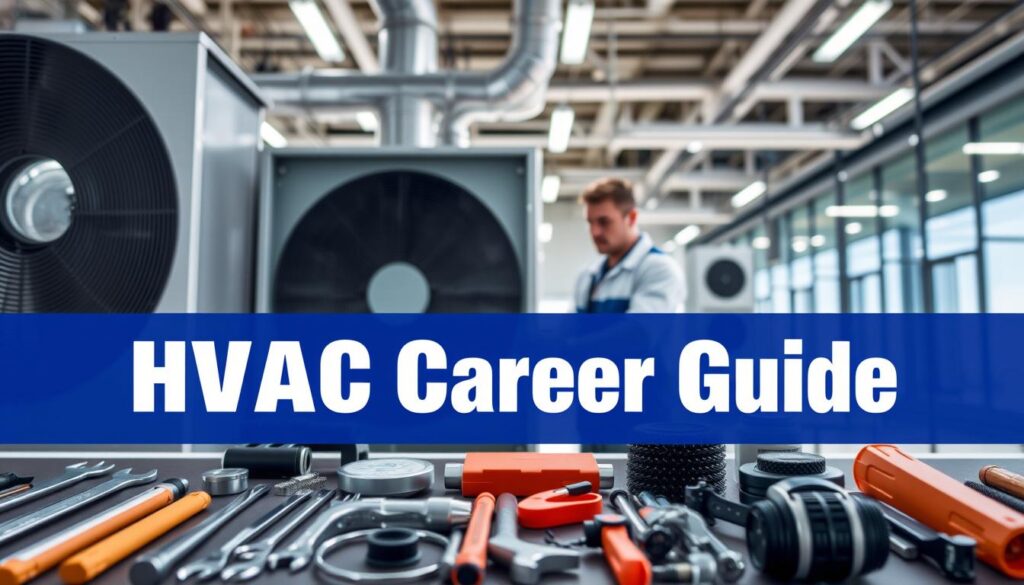
Choosing an HVAC career is great for those who love technical challenges. The demand for skilled HVAC technicians is growing. This is a perfect time to learn how to get into HVAC.
This guide will cover everything you need to know about starting an HVAC career. We’ll discuss educational needs, certification processes, and more. Our goal is to help you start a successful career in this dynamic field.
Key Takeaways
- HVAC offers a stable career with strong job market potential
- Technical skills and proper training are crucial for success
- Multiple pathways exist for entering the HVAC profession
- Certifications can significantly boost career opportunities
- Continuous learning is essential in the HVAC industry
Table of Contents
Understanding the HVAC Industry and Career Outlook
The HVAC industry is a dynamic and promising field for those interested in technical trades. As buildings get more complex and energy efficiency matters more, skilled HVAC technicians are in high demand. They are needed in many sectors.
Current Industry Trends
New technologies are changing the HVAC industry. Green technologies and sustainable solutions are making big changes in HVAC system design and use. Key trends include:
- Smart home integration
- Energy-efficient system designs
- Advanced digital control systems
- Renewable energy applications
Job Market Projections
The HVAC career path has strong growth potential. The Bureau of Labor Statistics says HVAC technician jobs will grow 5% by 2029. This is faster than many other jobs.
Average Salary Expectations
Salaries in the HVAC field vary with experience and specialization. New technicians start around $35,000. Experienced ones can make up to $75,000 a year.
| Experience Level | Annual Salary Range |
|---|---|
| Entry-Level | $35,000 – $45,000 |
| Mid-Career | $50,000 – $65,000 |
| Experienced Professionals | $65,000 – $75,000 |
Those who specialize in complex systems or get extra certifications can earn more. This industry is always evolving.
Basic Requirements for Starting an HVAC Career
Starting a career in HVAC needs you to meet certain requirements. You must first understand the basics that will help you succeed in heating, ventilation, and air conditioning.
To get into entry-level hvac jobs, you need to meet a few key points:
- Be at least 18 years old
- Hold a high school diploma or equivalent (GED)
- Possess a valid driver’s license
- Maintain a clean driving record
The HVAC industry wants more than just your education. Being physically fit is key in this tough job. You should have:
- Good physical strength and stamina
- Ability to lift heavy equipment (up to 50 pounds)
- Comfort working in various environmental conditions
- Manual dexterity and hand-eye coordination
“Success in HVAC isn’t just about technical skills, but also about physical capability and personal determination.” – HVAC Industry Professional
Employers look for people with problem-solving skills, mechanical aptitude, and a desire to learn. Technical curiosity and adaptability are your greatest assets when starting in this field.
Meeting these entry requirements is the first step to a fulfilling HVAC career. This field offers many chances for growth and specialization.
Explore Our HVAC Shop
Looking for top-rated HVAC tools, parts, and accessories? Visit our shop and find the perfect solution for your needs.
Visit the ShopHow to Get Into HVAC: Essential First Steps
Starting an HVAC career needs careful planning and preparation. Knowing the first steps can help you start a promising career in this field.
When starting your HVAC career, several key things will help you begin. These steps will lay the foundation for your professional journey.
Educational Prerequisites
Your education is key for an HVAC career. Employers usually look for certain qualifications:
- High school diploma or GED
- Strong math skills
- Basic physics knowledge
- Technical drawing or drafting experience
Physical Requirements
HVAC technicians must be physically fit for the job. They need:
- Strength to lift heavy equipment
- Flexibility for tight spaces
- Stamina for long hours
- Good hand-eye coordination
Required Personal Qualities
Success in HVAC is not just about technical skills. Employers also look for certain personal qualities:
| Personal Quality | Importance in HVAC Career |
|---|---|
| Problem-solving skills | Critical for diagnosing system issues |
| Attention to detail | Ensures precise system installations |
| Communication abilities | Facilitates client interactions |
| Technical aptitude | Supports complex system understanding |
Networking with local HVAC companies and seeking mentorship can provide valuable insights into potential entry-level opportunities.
Explore Our HVAC Shop
Looking for top-rated HVAC tools, parts, and accessories? Visit our shop and find the perfect solution for your needs.
Visit the ShopHVAC Education and Training Programs
Starting a career in HVAC means planning your education carefully. Your first step is to find a program that fits your goals and how you learn best.
There are many ways to become an HVAC pro. Community colleges and vocational schools have two-year programs in HVAC. These programs teach you about heating, ventilation, air conditioning, and refrigeration.
- Associate degree programs in HVAC technology
- Certificate programs for accelerated learning
- Diploma courses focusing on technical skills
When picking an HVAC program, think about a few important things:
- Check if the school is accredited
- Look at the curriculum and hands-on training
- Make sure there’s access to labs and equipment
- See if there are internships or apprenticeships
Pro tip: Choose programs that give you industry-recognized certifications. These can really help you get a job in the HVAC field.
Good HVAC programs use real-world examples and the latest technology. This way, you learn skills that you can use right away in your job.
Understanding HVAC Certification Requirements
Getting into HVAC certification can seem tough, but it’s key for a good career. It shows you’re skilled and serious about growing in the field. This includes heating, ventilation, and air conditioning.
To become a certified HVAC pro, you need to follow a few steps. Getting licensed and certified proves your abilities. This makes you stand out to employers and clients.
Types of HVAC Certifications
The HVAC world has many certifications to fit your goals:
- EPA Section 608 Certification – Needed for working with refrigerants
- Oil Burner Technician Certification
- Gas Technician Certification
- North American Technician Excellence (NATE) Certification
Certification Process Overview
Getting your HVAC certification means:
- Finishing a training program approved by the industry
- Passing a big exam
- Showing you can apply what you’ve learned
- Pay the fees for getting certified
Continuing Education Requirements
Getting certified isn’t just a one-time thing. Most certifications need you to keep learning. You must take classes regularly to keep up with new tech and rules.
What you’ll do for continuing education includes:
- Going to workshops
- Taking online courses
- Doing training from manufacturers
- Renewing your certification every 1-3 years
By keeping up with HVAC certification, you stay ahead in this fast-changing field. It shows you’re committed to being the best.
Explore Our HVAC Shop
Looking for top-rated HVAC tools, parts, and accessories? Visit our shop and find the perfect solution for your needs.
Visit the ShopHVAC Apprenticeship Programs: What to Expect
Starting your HVAC career through apprenticeships is a great way to become a skilled technician. These programs mix classroom learning with real-world experience. This combination builds a strong base for your future in HVAC.
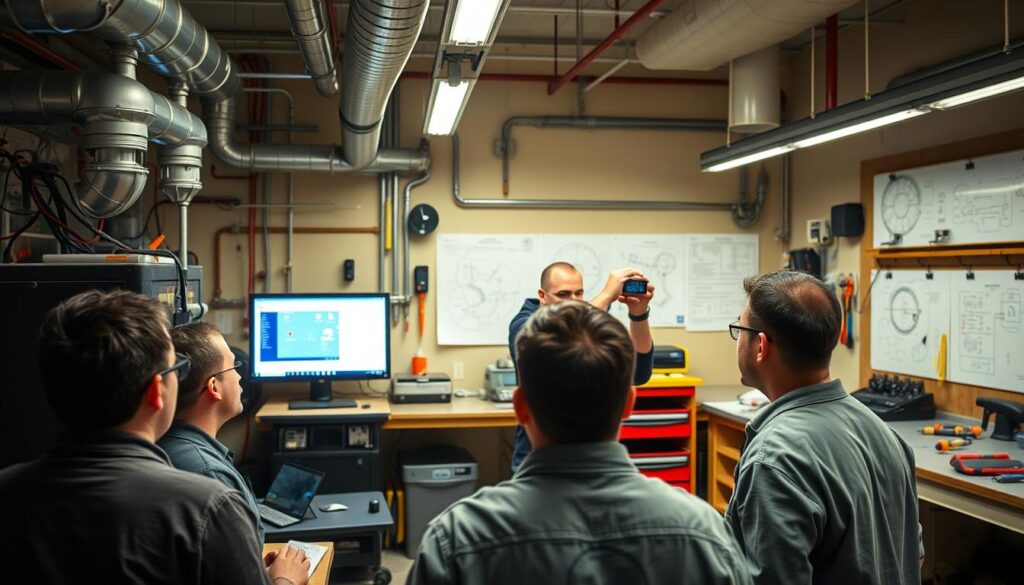
HVAC apprenticeships last three to four years. They offer a deep dive into learning, preparing you for a successful career. You’ll learn important skills through:
- Structured classroom instruction
- Supervised on-the-job training
- Direct mentorship from experienced professionals
You’ll learn key aspects of HVAC apprenticeships, such as:
- Electrical systems understanding
- Refrigeration principles
- Heating and cooling system diagnostics
- Safety protocols and industry regulations
“An apprenticeship is your ticket to a rewarding technical career – it’s where knowledge meets practical expertise.” – HVAC Industry Expert
Apprenticeships offer great financial benefits. You’ll earn a good wage while learning, with pay increasing as you progress. Most apprentices start at 40-50% of a journeyman’s wage and can reach full pay by the end of the program.
| Program Stage | Typical Duration | Learning Focus |
|---|---|---|
| First Year | 12 months | Basic technical skills |
| Second Year | 12 months | Advanced system knowledge |
| Third Year | 12 months | Specialized techniques |
| Fourth Year | 12 months | Professional certification preparation |
Your HVAC apprenticeship journey will turn you into a skilled professional. You’ll be ready to face complex technical challenges in the HVAC industry.
Essential Technical Skills and Knowledge
Mastering technical skills is key for success in hvac technician training. Your ability to understand complex HVAC systems is crucial. It shows your professional competence.
Professional HVAC technicians need a wide range of technical skills to do well. Here are the essential skills for success:
- Comprehensive system diagnostics
- Advanced troubleshooting techniques
- Precision measurement and calibration
- Digital system integration
Core HVAC Systems Understanding
You need to know about different system types. Knowing about refrigeration cycles, air conditioning, and heating technologies is important.
| System Type | Key Components | Technical Skills Required |
|---|---|---|
| Residential HVAC | Furnace, AC Unit, Ductwork | Electrical diagnosis, Airflow measurement |
| Commercial Systems | Chiller, Rooftop Units, Ventilation | Complex control systems, Load calculations |
Safety Protocols and Regulations
Following safety standards is a must in HVAC work. You need to know about industry safety regulations and what personal protective equipment to use.
Tool and Equipment Proficiency
Good HVAC technicians know their tools well. Your toolkit should have advanced diagnostic tools, precise measuring instruments, and special repair tools.
- Multimeters
- Refrigerant gauges
- Thermal imaging cameras
- Digital manifold systems
Keeping up with new technology and improving your skills is vital. It ensures success in the changing HVAC industry.
Explore Our HVAC Shop
Looking for top-rated HVAC tools, parts, and accessories? Visit our shop and find the perfect solution for your needs.
Visit the ShopLicensing Requirements and Regulations
Understanding hvac licensing can be tricky. But, it’s key for your career. Each state has its own rules for HVAC pros. So, it’s important to know the local laws well.
To get a license as an HVAC tech, you must meet certain requirements. These include:
- Completing an accredited HVAC training program
- Gaining practical work experience
- Passing state-specific licensing examinations
- Obtaining necessary insurance and bonding
The licensing process tests your technical and practical skills. Most states require 2-5 years of documented work experience before you can apply for a full license.
There are different HVAC licenses, such as:
- Residential HVAC Technician License
- Commercial HVAC Contractor License
- Refrigeration Technician License
- Limited Maintenance License
Remember, you need to renew your HVAC license. This involves taking continuing education courses. These courses keep you up-to-date with new technologies and safety rules.
Pro Tip: Always check with your state’s licensing board for the most current requirements, as regulations can change frequently.
Working without a license can lead to big problems. You could face fines and legal trouble. Understanding and meeting hvac certification requirements is not just a legal must. It’s also a professional promise to quality and safety.
Career Advancement Opportunities in HVAC
Your hvac career path offers exciting opportunities for growth and development. As you progress in the HVAC industry, multiple avenues open up for professional advancement and personal success. Understanding these pathways can help you strategically plan your starting hvac career journey.

The HVAC field provides diverse opportunities for skilled professionals who are committed to continuous learning and professional development.
Specialization Options
Technicians can expand their expertise by focusing on specific areas:
- Commercial HVAC Systems
- Residential Heating and Cooling
- Industrial Refrigeration
- Green HVAC Technologies
- Smart Building Systems
Management Positions
As you gain experience, you can transition into leadership roles such as:
- Service Manager
- Project Coordinator
- Operations Supervisor
- Technical Training Instructor
Business Ownership Paths
Entrepreneurial HVAC professionals can consider launching their own businesses. Successful business ownership requires:
| Requirement | Description |
|---|---|
| Technical Expertise | Comprehensive understanding of HVAC systems |
| Business Skills | Management, marketing, and financial planning |
| Licensing | State-specific contractor licenses |
| Initial Investment | Equipment, vehicle, insurance, marketing |
Continuous learning and staying updated with emerging technologies are key to long-term success in your HVAC career path.
Cost Breakdown for HVAC Training
Starting a career in HVAC means making a smart financial choice. Knowing the costs of hvac trade school and technician training helps you plan better.
The cost to become an HVAC technician varies a lot. You’ll need to set aside money for:
- Tuition for vocational programs
- Training materials and textbooks
- Specialized tools and equipment
- Certification exam fees
- Licensing costs
Here’s a look at what you might spend on your HVAC career:
| Training Component | Estimated Cost Range |
|---|---|
| Community College HVAC Program | $3,000 – $15,000 |
| Technical School Program | $12,000 – $25,000 |
| Tools and Equipment | $500 – $2,000 |
| Certification Exams | $100 – $500 |
There are ways to lower your costs. Many trade schools give out scholarships for HVAC students. Some employers help by paying for your training or offering apprenticeships.
Although the start-up costs are high, the HVAC field is rewarding. HVAC technicians usually pay off their education within a few years of work.
Explore Our HVAC Shop
Looking for top-rated HVAC tools, parts, and accessories? Visit our shop and find the perfect solution for your needs.
Visit the ShopTips for Success in the HVAC Field
Starting an HVAC career is more than just knowing how to fix things. You need skills that make you stand out. These skills are what will help you succeed in this fast-paced field.
Having a strong work ethic is essential when you start your HVAC journey. Employers look for technicians who are reliable, on time, and always learning. These qualities are highly valued.
- Invest in ongoing professional development
- Stay updated with latest industry technologies
- Cultivate strong communication skills
- Prioritize safety in every job
Networking is crucial for moving up in your HVAC career. Connect with others in the field through:
- Professional HVAC associations
- Local trade conferences
- Online technical forums
- Mentorship programs
Your reputation is your most valuable asset. Build trust by doing excellent work, being professional, and solving client problems with dedication.
“Success in HVAC is about mastering both technical skills and customer service.” – HVAC Industry Expert
Being adaptable is key in this changing field. Be ready to learn new things, adjust to new situations, and stay positive even when things get tough.
Conclusion
The HVAC industry is full of opportunities for those looking for a stable career. It offers a chance to grow and have job security for years to come. Skilled technicians are needed in homes, businesses, and factories.
To start your HVAC career, you need education, training, and certifications. This guide shows you how to get there, from learning the basics to becoming an expert. With hard work and learning, you can turn your technical skills into a successful career.
HVAC experts will be key in keeping places comfortable and green as technology improves. You can work in installation, maintenance, repair, or even start your own business. Your success depends on your technical skills and keeping up with new trends.
Start your HVAC career journey today. Look for local training, talk to professionals in the field, and build a strong foundation. Your future in HVAC is bright if you’re motivated and eager to learn.
FAQ
What is the typical salary range for an HVAC technician?
How long does it take to become a certified HVAC technician?
Do I need a college degree to work in HVAC?
What physical requirements are needed for an HVAC career?
How much does HVAC training cost?
What is the typical salary range for an HVAC technician?
How long does it take to become a certified HVAC technician?
Do I need a college degree to work in HVAC?
What physical requirements are needed for an HVAC career?
How much does HVAC training cost?
FAQ
What is the typical salary range for an HVAC technician?
HVAC technician salaries vary based on experience and location. Newbies usually earn between ,000 and ,000 a year. Experienced pros can make ,000 to ,000 or more. Those working in commercial or industrial settings might earn even more.
How long does it take to become a certified HVAC technician?
Becoming a certified HVAC technician takes 2-5 years. You’ll need to finish a vocational program (6-24 months), get an apprenticeship (3-4 years), and pass exams. The time needed can vary based on your education path and local rules.
Do I need a college degree to work in HVAC?
No, a college degree isn’t required. Most HVAC technicians complete a vocational program, community college certificate, or apprenticeship. You’ll need a high school diploma or GED, plus specialized HVAC training.
What physical requirements are needed for an HVAC career?
HVAC technicians must be physically fit. They need to lift up to 50 pounds, work in tight spaces, climb ladders, and stand or kneel for long periods. Good manual dexterity, strength, and stamina are key for success.
How much does HVAC training cost?
HVAC training costs vary. Short-term certificate programs cost
FAQ
What is the typical salary range for an HVAC technician?
HVAC technician salaries vary based on experience and location. Newbies usually earn between $35,000 and $45,000 a year. Experienced pros can make $60,000 to $75,000 or more. Those working in commercial or industrial settings might earn even more.
How long does it take to become a certified HVAC technician?
Becoming a certified HVAC technician takes 2-5 years. You’ll need to finish a vocational program (6-24 months), get an apprenticeship (3-4 years), and pass exams. The time needed can vary based on your education path and local rules.
Do I need a college degree to work in HVAC?
No, a college degree isn’t required. Most HVAC technicians complete a vocational program, community college certificate, or apprenticeship. You’ll need a high school diploma or GED, plus specialized HVAC training.
What physical requirements are needed for an HVAC career?
HVAC technicians must be physically fit. They need to lift up to 50 pounds, work in tight spaces, climb ladders, and stand or kneel for long periods. Good manual dexterity, strength, and stamina are key for success.
How much does HVAC training cost?
HVAC training costs vary. Short-term certificate programs cost $1,500, while comprehensive two-year programs can be $15,000. Community college programs usually cost between $3,000 and $10,000. Financial aid, scholarships, and apprenticeships can help cover costs.
Are there opportunities for advancement in the HVAC industry?
Yes, there are many opportunities for advancement. You can move from entry-level to specialist roles, like commercial HVAC technician or energy efficiency expert. You can also become a service manager or start your own HVAC business.
What certifications are most important for HVAC technicians?
Important certifications include EPA Section 608 Certification for refrigerants, NATE certification, and manufacturer-specific certifications. State-specific HVAC licenses are also crucial for professional practice.
Is HVAC a good career choice for the future?
HVAC is a great career choice with strong job growth. The U.S. Bureau of Labor Statistics predicts a 15% job growth for HVAC technicians from 2021 to 2031. This is much faster than the average for all occupations. Growing interest in energy efficiency and smart home technologies also boosts career prospects.
What tools do I need to start an HVAC career?
You’ll need basic tools like multimeters, manifold gauges, pipe cutters, vacuum pumps, and hand tools. Most training programs and apprenticeships provide initial tool lists. As you gain experience, you’ll need more specialized equipment. Budget around $500-$1,500 for a complete initial tool set.
Can I specialize in a specific area of HVAC?
Absolutely! You can specialize in residential systems, commercial HVAC, industrial refrigeration, solar thermal systems, green technologies, and smart building automation. Continued education and additional certifications can help you become an expert in specific HVAC niches.
,500, while comprehensive two-year programs can be ,000. Community college programs usually cost between ,000 and ,000. Financial aid, scholarships, and apprenticeships can help cover costs.
Are there opportunities for advancement in the HVAC industry?
Yes, there are many opportunities for advancement. You can move from entry-level to specialist roles, like commercial HVAC technician or energy efficiency expert. You can also become a service manager or start your own HVAC business.
What certifications are most important for HVAC technicians?
Important certifications include EPA Section 608 Certification for refrigerants, NATE certification, and manufacturer-specific certifications. State-specific HVAC licenses are also crucial for professional practice.
Is HVAC a good career choice for the future?
HVAC is a great career choice with strong job growth. The U.S. Bureau of Labor Statistics predicts a 15% job growth for HVAC technicians from 2021 to 2031. This is much faster than the average for all occupations. Growing interest in energy efficiency and smart home technologies also boosts career prospects.
What tools do I need to start an HVAC career?
You’ll need basic tools like multimeters, manifold gauges, pipe cutters, vacuum pumps, and hand tools. Most training programs and apprenticeships provide initial tool lists. As you gain experience, you’ll need more specialized equipment. Budget around 0-
FAQ
What is the typical salary range for an HVAC technician?
HVAC technician salaries vary based on experience and location. Newbies usually earn between $35,000 and $45,000 a year. Experienced pros can make $60,000 to $75,000 or more. Those working in commercial or industrial settings might earn even more.
How long does it take to become a certified HVAC technician?
Becoming a certified HVAC technician takes 2-5 years. You’ll need to finish a vocational program (6-24 months), get an apprenticeship (3-4 years), and pass exams. The time needed can vary based on your education path and local rules.
Do I need a college degree to work in HVAC?
No, a college degree isn’t required. Most HVAC technicians complete a vocational program, community college certificate, or apprenticeship. You’ll need a high school diploma or GED, plus specialized HVAC training.
What physical requirements are needed for an HVAC career?
HVAC technicians must be physically fit. They need to lift up to 50 pounds, work in tight spaces, climb ladders, and stand or kneel for long periods. Good manual dexterity, strength, and stamina are key for success.
How much does HVAC training cost?
HVAC training costs vary. Short-term certificate programs cost $1,500, while comprehensive two-year programs can be $15,000. Community college programs usually cost between $3,000 and $10,000. Financial aid, scholarships, and apprenticeships can help cover costs.
Are there opportunities for advancement in the HVAC industry?
Yes, there are many opportunities for advancement. You can move from entry-level to specialist roles, like commercial HVAC technician or energy efficiency expert. You can also become a service manager or start your own HVAC business.
What certifications are most important for HVAC technicians?
Important certifications include EPA Section 608 Certification for refrigerants, NATE certification, and manufacturer-specific certifications. State-specific HVAC licenses are also crucial for professional practice.
Is HVAC a good career choice for the future?
HVAC is a great career choice with strong job growth. The U.S. Bureau of Labor Statistics predicts a 15% job growth for HVAC technicians from 2021 to 2031. This is much faster than the average for all occupations. Growing interest in energy efficiency and smart home technologies also boosts career prospects.
What tools do I need to start an HVAC career?
You’ll need basic tools like multimeters, manifold gauges, pipe cutters, vacuum pumps, and hand tools. Most training programs and apprenticeships provide initial tool lists. As you gain experience, you’ll need more specialized equipment. Budget around $500-$1,500 for a complete initial tool set.
Can I specialize in a specific area of HVAC?
Absolutely! You can specialize in residential systems, commercial HVAC, industrial refrigeration, solar thermal systems, green technologies, and smart building automation. Continued education and additional certifications can help you become an expert in specific HVAC niches.
,500 for a complete initial tool set.
Can I specialize in a specific area of HVAC?
Absolutely! You can specialize in residential systems, commercial HVAC, industrial refrigeration, solar thermal systems, green technologies, and smart building automation. Continued education and additional certifications can help you become an expert in specific HVAC niches.
Are there opportunities for advancement in the HVAC industry?
What certifications are most important for HVAC technicians?
Is HVAC a good career choice for the future?
What tools do I need to start an HVAC career?
FAQ
What is the typical salary range for an HVAC technician?
HVAC technician salaries vary based on experience and location. Newbies usually earn between ,000 and ,000 a year. Experienced pros can make ,000 to ,000 or more. Those working in commercial or industrial settings might earn even more.
How long does it take to become a certified HVAC technician?
Becoming a certified HVAC technician takes 2-5 years. You’ll need to finish a vocational program (6-24 months), get an apprenticeship (3-4 years), and pass exams. The time needed can vary based on your education path and local rules.
Do I need a college degree to work in HVAC?
No, a college degree isn’t required. Most HVAC technicians complete a vocational program, community college certificate, or apprenticeship. You’ll need a high school diploma or GED, plus specialized HVAC training.
What physical requirements are needed for an HVAC career?
HVAC technicians must be physically fit. They need to lift up to 50 pounds, work in tight spaces, climb ladders, and stand or kneel for long periods. Good manual dexterity, strength, and stamina are key for success.
How much does HVAC training cost?
HVAC training costs vary. Short-term certificate programs cost
FAQ
What is the typical salary range for an HVAC technician?
HVAC technician salaries vary based on experience and location. Newbies usually earn between $35,000 and $45,000 a year. Experienced pros can make $60,000 to $75,000 or more. Those working in commercial or industrial settings might earn even more.
How long does it take to become a certified HVAC technician?
Becoming a certified HVAC technician takes 2-5 years. You’ll need to finish a vocational program (6-24 months), get an apprenticeship (3-4 years), and pass exams. The time needed can vary based on your education path and local rules.
Do I need a college degree to work in HVAC?
No, a college degree isn’t required. Most HVAC technicians complete a vocational program, community college certificate, or apprenticeship. You’ll need a high school diploma or GED, plus specialized HVAC training.
What physical requirements are needed for an HVAC career?
HVAC technicians must be physically fit. They need to lift up to 50 pounds, work in tight spaces, climb ladders, and stand or kneel for long periods. Good manual dexterity, strength, and stamina are key for success.
How much does HVAC training cost?
HVAC training costs vary. Short-term certificate programs cost $1,500, while comprehensive two-year programs can be $15,000. Community college programs usually cost between $3,000 and $10,000. Financial aid, scholarships, and apprenticeships can help cover costs.
Are there opportunities for advancement in the HVAC industry?
Yes, there are many opportunities for advancement. You can move from entry-level to specialist roles, like commercial HVAC technician or energy efficiency expert. You can also become a service manager or start your own HVAC business.
What certifications are most important for HVAC technicians?
Important certifications include EPA Section 608 Certification for refrigerants, NATE certification, and manufacturer-specific certifications. State-specific HVAC licenses are also crucial for professional practice.
Is HVAC a good career choice for the future?
HVAC is a great career choice with strong job growth. The U.S. Bureau of Labor Statistics predicts a 15% job growth for HVAC technicians from 2021 to 2031. This is much faster than the average for all occupations. Growing interest in energy efficiency and smart home technologies also boosts career prospects.
What tools do I need to start an HVAC career?
You’ll need basic tools like multimeters, manifold gauges, pipe cutters, vacuum pumps, and hand tools. Most training programs and apprenticeships provide initial tool lists. As you gain experience, you’ll need more specialized equipment. Budget around $500-$1,500 for a complete initial tool set.
Can I specialize in a specific area of HVAC?
Absolutely! You can specialize in residential systems, commercial HVAC, industrial refrigeration, solar thermal systems, green technologies, and smart building automation. Continued education and additional certifications can help you become an expert in specific HVAC niches.
,500, while comprehensive two-year programs can be ,000. Community college programs usually cost between ,000 and ,000. Financial aid, scholarships, and apprenticeships can help cover costs.
Are there opportunities for advancement in the HVAC industry?
Yes, there are many opportunities for advancement. You can move from entry-level to specialist roles, like commercial HVAC technician or energy efficiency expert. You can also become a service manager or start your own HVAC business.
What certifications are most important for HVAC technicians?
Important certifications include EPA Section 608 Certification for refrigerants, NATE certification, and manufacturer-specific certifications. State-specific HVAC licenses are also crucial for professional practice.
Is HVAC a good career choice for the future?
HVAC is a great career choice with strong job growth. The U.S. Bureau of Labor Statistics predicts a 15% job growth for HVAC technicians from 2021 to 2031. This is much faster than the average for all occupations. Growing interest in energy efficiency and smart home technologies also boosts career prospects.
What tools do I need to start an HVAC career?
You’ll need basic tools like multimeters, manifold gauges, pipe cutters, vacuum pumps, and hand tools. Most training programs and apprenticeships provide initial tool lists. As you gain experience, you’ll need more specialized equipment. Budget around 0-
FAQ
What is the typical salary range for an HVAC technician?
HVAC technician salaries vary based on experience and location. Newbies usually earn between $35,000 and $45,000 a year. Experienced pros can make $60,000 to $75,000 or more. Those working in commercial or industrial settings might earn even more.
How long does it take to become a certified HVAC technician?
Becoming a certified HVAC technician takes 2-5 years. You’ll need to finish a vocational program (6-24 months), get an apprenticeship (3-4 years), and pass exams. The time needed can vary based on your education path and local rules.
Do I need a college degree to work in HVAC?
No, a college degree isn’t required. Most HVAC technicians complete a vocational program, community college certificate, or apprenticeship. You’ll need a high school diploma or GED, plus specialized HVAC training.
What physical requirements are needed for an HVAC career?
HVAC technicians must be physically fit. They need to lift up to 50 pounds, work in tight spaces, climb ladders, and stand or kneel for long periods. Good manual dexterity, strength, and stamina are key for success.
How much does HVAC training cost?
HVAC training costs vary. Short-term certificate programs cost $1,500, while comprehensive two-year programs can be $15,000. Community college programs usually cost between $3,000 and $10,000. Financial aid, scholarships, and apprenticeships can help cover costs.
Are there opportunities for advancement in the HVAC industry?
Yes, there are many opportunities for advancement. You can move from entry-level to specialist roles, like commercial HVAC technician or energy efficiency expert. You can also become a service manager or start your own HVAC business.
What certifications are most important for HVAC technicians?
Important certifications include EPA Section 608 Certification for refrigerants, NATE certification, and manufacturer-specific certifications. State-specific HVAC licenses are also crucial for professional practice.
Is HVAC a good career choice for the future?
HVAC is a great career choice with strong job growth. The U.S. Bureau of Labor Statistics predicts a 15% job growth for HVAC technicians from 2021 to 2031. This is much faster than the average for all occupations. Growing interest in energy efficiency and smart home technologies also boosts career prospects.
What tools do I need to start an HVAC career?
You’ll need basic tools like multimeters, manifold gauges, pipe cutters, vacuum pumps, and hand tools. Most training programs and apprenticeships provide initial tool lists. As you gain experience, you’ll need more specialized equipment. Budget around $500-$1,500 for a complete initial tool set.
Can I specialize in a specific area of HVAC?
Absolutely! You can specialize in residential systems, commercial HVAC, industrial refrigeration, solar thermal systems, green technologies, and smart building automation. Continued education and additional certifications can help you become an expert in specific HVAC niches.
,500 for a complete initial tool set.
Can I specialize in a specific area of HVAC?
Absolutely! You can specialize in residential systems, commercial HVAC, industrial refrigeration, solar thermal systems, green technologies, and smart building automation. Continued education and additional certifications can help you become an expert in specific HVAC niches.
Can I specialize in a specific area of HVAC?
Are there opportunities for advancement in the HVAC industry?
What certifications are most important for HVAC technicians?
Is HVAC a good career choice for the future?
What tools do I need to start an HVAC career?
What is the typical salary range for an HVAC technician?
How long does it take to become a certified HVAC technician?
Do I need a college degree to work in HVAC?
What physical requirements are needed for an HVAC career?
How much does HVAC training cost?
FAQ
What is the typical salary range for an HVAC technician?
HVAC technician salaries vary based on experience and location. Newbies usually earn between ,000 and ,000 a year. Experienced pros can make ,000 to ,000 or more. Those working in commercial or industrial settings might earn even more.
How long does it take to become a certified HVAC technician?
Becoming a certified HVAC technician takes 2-5 years. You’ll need to finish a vocational program (6-24 months), get an apprenticeship (3-4 years), and pass exams. The time needed can vary based on your education path and local rules.
Do I need a college degree to work in HVAC?
No, a college degree isn’t required. Most HVAC technicians complete a vocational program, community college certificate, or apprenticeship. You’ll need a high school diploma or GED, plus specialized HVAC training.
What physical requirements are needed for an HVAC career?
HVAC technicians must be physically fit. They need to lift up to 50 pounds, work in tight spaces, climb ladders, and stand or kneel for long periods. Good manual dexterity, strength, and stamina are key for success.
How much does HVAC training cost?
HVAC training costs vary. Short-term certificate programs cost
FAQ
What is the typical salary range for an HVAC technician?
HVAC technician salaries vary based on experience and location. Newbies usually earn between $35,000 and $45,000 a year. Experienced pros can make $60,000 to $75,000 or more. Those working in commercial or industrial settings might earn even more.
How long does it take to become a certified HVAC technician?
Becoming a certified HVAC technician takes 2-5 years. You’ll need to finish a vocational program (6-24 months), get an apprenticeship (3-4 years), and pass exams. The time needed can vary based on your education path and local rules.
Do I need a college degree to work in HVAC?
No, a college degree isn’t required. Most HVAC technicians complete a vocational program, community college certificate, or apprenticeship. You’ll need a high school diploma or GED, plus specialized HVAC training.
What physical requirements are needed for an HVAC career?
HVAC technicians must be physically fit. They need to lift up to 50 pounds, work in tight spaces, climb ladders, and stand or kneel for long periods. Good manual dexterity, strength, and stamina are key for success.
How much does HVAC training cost?
HVAC training costs vary. Short-term certificate programs cost $1,500, while comprehensive two-year programs can be $15,000. Community college programs usually cost between $3,000 and $10,000. Financial aid, scholarships, and apprenticeships can help cover costs.
Are there opportunities for advancement in the HVAC industry?
Yes, there are many opportunities for advancement. You can move from entry-level to specialist roles, like commercial HVAC technician or energy efficiency expert. You can also become a service manager or start your own HVAC business.
What certifications are most important for HVAC technicians?
Important certifications include EPA Section 608 Certification for refrigerants, NATE certification, and manufacturer-specific certifications. State-specific HVAC licenses are also crucial for professional practice.
Is HVAC a good career choice for the future?
HVAC is a great career choice with strong job growth. The U.S. Bureau of Labor Statistics predicts a 15% job growth for HVAC technicians from 2021 to 2031. This is much faster than the average for all occupations. Growing interest in energy efficiency and smart home technologies also boosts career prospects.
What tools do I need to start an HVAC career?
You’ll need basic tools like multimeters, manifold gauges, pipe cutters, vacuum pumps, and hand tools. Most training programs and apprenticeships provide initial tool lists. As you gain experience, you’ll need more specialized equipment. Budget around $500-$1,500 for a complete initial tool set.
Can I specialize in a specific area of HVAC?
Absolutely! You can specialize in residential systems, commercial HVAC, industrial refrigeration, solar thermal systems, green technologies, and smart building automation. Continued education and additional certifications can help you become an expert in specific HVAC niches.
,500, while comprehensive two-year programs can be ,000. Community college programs usually cost between ,000 and ,000. Financial aid, scholarships, and apprenticeships can help cover costs.
Are there opportunities for advancement in the HVAC industry?
Yes, there are many opportunities for advancement. You can move from entry-level to specialist roles, like commercial HVAC technician or energy efficiency expert. You can also become a service manager or start your own HVAC business.
What certifications are most important for HVAC technicians?
Important certifications include EPA Section 608 Certification for refrigerants, NATE certification, and manufacturer-specific certifications. State-specific HVAC licenses are also crucial for professional practice.
Is HVAC a good career choice for the future?
HVAC is a great career choice with strong job growth. The U.S. Bureau of Labor Statistics predicts a 15% job growth for HVAC technicians from 2021 to 2031. This is much faster than the average for all occupations. Growing interest in energy efficiency and smart home technologies also boosts career prospects.
What tools do I need to start an HVAC career?
You’ll need basic tools like multimeters, manifold gauges, pipe cutters, vacuum pumps, and hand tools. Most training programs and apprenticeships provide initial tool lists. As you gain experience, you’ll need more specialized equipment. Budget around 0-
FAQ
What is the typical salary range for an HVAC technician?
HVAC technician salaries vary based on experience and location. Newbies usually earn between $35,000 and $45,000 a year. Experienced pros can make $60,000 to $75,000 or more. Those working in commercial or industrial settings might earn even more.
How long does it take to become a certified HVAC technician?
Becoming a certified HVAC technician takes 2-5 years. You’ll need to finish a vocational program (6-24 months), get an apprenticeship (3-4 years), and pass exams. The time needed can vary based on your education path and local rules.
Do I need a college degree to work in HVAC?
No, a college degree isn’t required. Most HVAC technicians complete a vocational program, community college certificate, or apprenticeship. You’ll need a high school diploma or GED, plus specialized HVAC training.
What physical requirements are needed for an HVAC career?
HVAC technicians must be physically fit. They need to lift up to 50 pounds, work in tight spaces, climb ladders, and stand or kneel for long periods. Good manual dexterity, strength, and stamina are key for success.
How much does HVAC training cost?
HVAC training costs vary. Short-term certificate programs cost $1,500, while comprehensive two-year programs can be $15,000. Community college programs usually cost between $3,000 and $10,000. Financial aid, scholarships, and apprenticeships can help cover costs.
Are there opportunities for advancement in the HVAC industry?
Yes, there are many opportunities for advancement. You can move from entry-level to specialist roles, like commercial HVAC technician or energy efficiency expert. You can also become a service manager or start your own HVAC business.
What certifications are most important for HVAC technicians?
Important certifications include EPA Section 608 Certification for refrigerants, NATE certification, and manufacturer-specific certifications. State-specific HVAC licenses are also crucial for professional practice.
Is HVAC a good career choice for the future?
HVAC is a great career choice with strong job growth. The U.S. Bureau of Labor Statistics predicts a 15% job growth for HVAC technicians from 2021 to 2031. This is much faster than the average for all occupations. Growing interest in energy efficiency and smart home technologies also boosts career prospects.
What tools do I need to start an HVAC career?
You’ll need basic tools like multimeters, manifold gauges, pipe cutters, vacuum pumps, and hand tools. Most training programs and apprenticeships provide initial tool lists. As you gain experience, you’ll need more specialized equipment. Budget around $500-$1,500 for a complete initial tool set.
Can I specialize in a specific area of HVAC?
Absolutely! You can specialize in residential systems, commercial HVAC, industrial refrigeration, solar thermal systems, green technologies, and smart building automation. Continued education and additional certifications can help you become an expert in specific HVAC niches.
,500 for a complete initial tool set.
Can I specialize in a specific area of HVAC?
Absolutely! You can specialize in residential systems, commercial HVAC, industrial refrigeration, solar thermal systems, green technologies, and smart building automation. Continued education and additional certifications can help you become an expert in specific HVAC niches.
Are there opportunities for advancement in the HVAC industry?
What certifications are most important for HVAC technicians?
Is HVAC a good career choice for the future?
What tools do I need to start an HVAC career?
FAQ
What is the typical salary range for an HVAC technician?
HVAC technician salaries vary based on experience and location. Newbies usually earn between ,000 and ,000 a year. Experienced pros can make ,000 to ,000 or more. Those working in commercial or industrial settings might earn even more.
How long does it take to become a certified HVAC technician?
Becoming a certified HVAC technician takes 2-5 years. You’ll need to finish a vocational program (6-24 months), get an apprenticeship (3-4 years), and pass exams. The time needed can vary based on your education path and local rules.
Do I need a college degree to work in HVAC?
No, a college degree isn’t required. Most HVAC technicians complete a vocational program, community college certificate, or apprenticeship. You’ll need a high school diploma or GED, plus specialized HVAC training.
What physical requirements are needed for an HVAC career?
HVAC technicians must be physically fit. They need to lift up to 50 pounds, work in tight spaces, climb ladders, and stand or kneel for long periods. Good manual dexterity, strength, and stamina are key for success.
How much does HVAC training cost?
HVAC training costs vary. Short-term certificate programs cost
FAQ
What is the typical salary range for an HVAC technician?
HVAC technician salaries vary based on experience and location. Newbies usually earn between $35,000 and $45,000 a year. Experienced pros can make $60,000 to $75,000 or more. Those working in commercial or industrial settings might earn even more.
How long does it take to become a certified HVAC technician?
Becoming a certified HVAC technician takes 2-5 years. You’ll need to finish a vocational program (6-24 months), get an apprenticeship (3-4 years), and pass exams. The time needed can vary based on your education path and local rules.
Do I need a college degree to work in HVAC?
No, a college degree isn’t required. Most HVAC technicians complete a vocational program, community college certificate, or apprenticeship. You’ll need a high school diploma or GED, plus specialized HVAC training.
What physical requirements are needed for an HVAC career?
HVAC technicians must be physically fit. They need to lift up to 50 pounds, work in tight spaces, climb ladders, and stand or kneel for long periods. Good manual dexterity, strength, and stamina are key for success.
How much does HVAC training cost?
HVAC training costs vary. Short-term certificate programs cost $1,500, while comprehensive two-year programs can be $15,000. Community college programs usually cost between $3,000 and $10,000. Financial aid, scholarships, and apprenticeships can help cover costs.
Are there opportunities for advancement in the HVAC industry?
Yes, there are many opportunities for advancement. You can move from entry-level to specialist roles, like commercial HVAC technician or energy efficiency expert. You can also become a service manager or start your own HVAC business.
What certifications are most important for HVAC technicians?
Important certifications include EPA Section 608 Certification for refrigerants, NATE certification, and manufacturer-specific certifications. State-specific HVAC licenses are also crucial for professional practice.
Is HVAC a good career choice for the future?
HVAC is a great career choice with strong job growth. The U.S. Bureau of Labor Statistics predicts a 15% job growth for HVAC technicians from 2021 to 2031. This is much faster than the average for all occupations. Growing interest in energy efficiency and smart home technologies also boosts career prospects.
What tools do I need to start an HVAC career?
You’ll need basic tools like multimeters, manifold gauges, pipe cutters, vacuum pumps, and hand tools. Most training programs and apprenticeships provide initial tool lists. As you gain experience, you’ll need more specialized equipment. Budget around $500-$1,500 for a complete initial tool set.
Can I specialize in a specific area of HVAC?
Absolutely! You can specialize in residential systems, commercial HVAC, industrial refrigeration, solar thermal systems, green technologies, and smart building automation. Continued education and additional certifications can help you become an expert in specific HVAC niches.
,500, while comprehensive two-year programs can be ,000. Community college programs usually cost between ,000 and ,000. Financial aid, scholarships, and apprenticeships can help cover costs.
Are there opportunities for advancement in the HVAC industry?
Yes, there are many opportunities for advancement. You can move from entry-level to specialist roles, like commercial HVAC technician or energy efficiency expert. You can also become a service manager or start your own HVAC business.
What certifications are most important for HVAC technicians?
Important certifications include EPA Section 608 Certification for refrigerants, NATE certification, and manufacturer-specific certifications. State-specific HVAC licenses are also crucial for professional practice.
Is HVAC a good career choice for the future?
HVAC is a great career choice with strong job growth. The U.S. Bureau of Labor Statistics predicts a 15% job growth for HVAC technicians from 2021 to 2031. This is much faster than the average for all occupations. Growing interest in energy efficiency and smart home technologies also boosts career prospects.
What tools do I need to start an HVAC career?
You’ll need basic tools like multimeters, manifold gauges, pipe cutters, vacuum pumps, and hand tools. Most training programs and apprenticeships provide initial tool lists. As you gain experience, you’ll need more specialized equipment. Budget around 0-
FAQ
What is the typical salary range for an HVAC technician?
HVAC technician salaries vary based on experience and location. Newbies usually earn between $35,000 and $45,000 a year. Experienced pros can make $60,000 to $75,000 or more. Those working in commercial or industrial settings might earn even more.
How long does it take to become a certified HVAC technician?
Becoming a certified HVAC technician takes 2-5 years. You’ll need to finish a vocational program (6-24 months), get an apprenticeship (3-4 years), and pass exams. The time needed can vary based on your education path and local rules.
Do I need a college degree to work in HVAC?
No, a college degree isn’t required. Most HVAC technicians complete a vocational program, community college certificate, or apprenticeship. You’ll need a high school diploma or GED, plus specialized HVAC training.
What physical requirements are needed for an HVAC career?
HVAC technicians must be physically fit. They need to lift up to 50 pounds, work in tight spaces, climb ladders, and stand or kneel for long periods. Good manual dexterity, strength, and stamina are key for success.
How much does HVAC training cost?
HVAC training costs vary. Short-term certificate programs cost $1,500, while comprehensive two-year programs can be $15,000. Community college programs usually cost between $3,000 and $10,000. Financial aid, scholarships, and apprenticeships can help cover costs.
Are there opportunities for advancement in the HVAC industry?
Yes, there are many opportunities for advancement. You can move from entry-level to specialist roles, like commercial HVAC technician or energy efficiency expert. You can also become a service manager or start your own HVAC business.
What certifications are most important for HVAC technicians?
Important certifications include EPA Section 608 Certification for refrigerants, NATE certification, and manufacturer-specific certifications. State-specific HVAC licenses are also crucial for professional practice.
Is HVAC a good career choice for the future?
HVAC is a great career choice with strong job growth. The U.S. Bureau of Labor Statistics predicts a 15% job growth for HVAC technicians from 2021 to 2031. This is much faster than the average for all occupations. Growing interest in energy efficiency and smart home technologies also boosts career prospects.
What tools do I need to start an HVAC career?
You’ll need basic tools like multimeters, manifold gauges, pipe cutters, vacuum pumps, and hand tools. Most training programs and apprenticeships provide initial tool lists. As you gain experience, you’ll need more specialized equipment. Budget around $500-$1,500 for a complete initial tool set.
Can I specialize in a specific area of HVAC?
Absolutely! You can specialize in residential systems, commercial HVAC, industrial refrigeration, solar thermal systems, green technologies, and smart building automation. Continued education and additional certifications can help you become an expert in specific HVAC niches.
,500 for a complete initial tool set.
Can I specialize in a specific area of HVAC?
Absolutely! You can specialize in residential systems, commercial HVAC, industrial refrigeration, solar thermal systems, green technologies, and smart building automation. Continued education and additional certifications can help you become an expert in specific HVAC niches.