

Affiliate Disclosure
HVAC Guide Guys is a participant in the Amazon Services LLC Associates Program, an affiliate advertising program designed to provide a means for sites to earn advertising fees by advertising and linking to Amazon.
How to Design HVAC for a Building? Ever wondered what makes modern buildings comfy and energy-smart? It’s all about smart HVAC system design. This key engineering skill makes indoor spaces great.
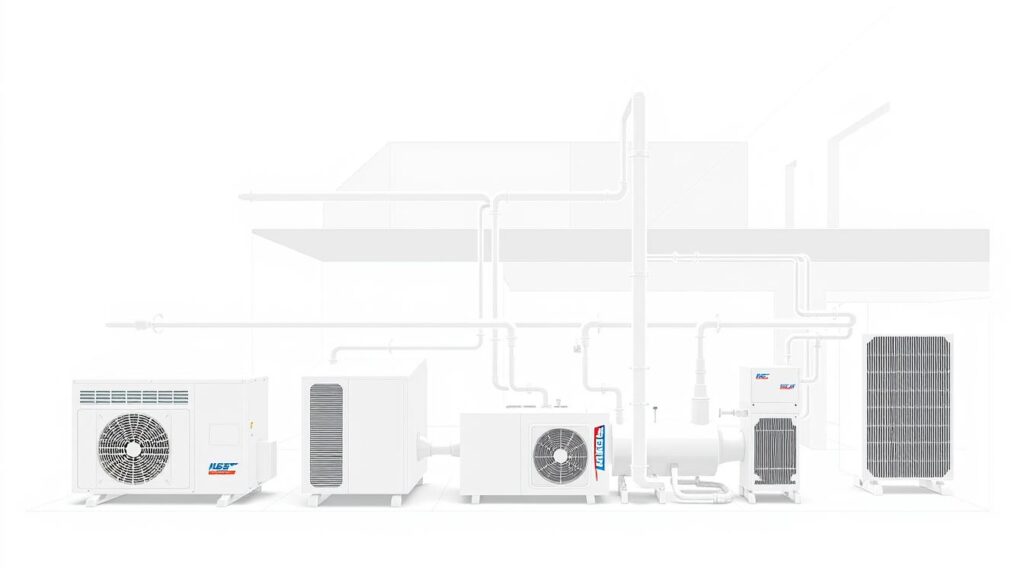
Creating a top-notch HVAC system needs a deep grasp of heat, energy, and comfort. Your building’s success hinges on careful planning. It’s about mixing tech specs with real-world use.
This detailed guide will show you how to design HVAC for buildings. You’ll learn about the complex world of heating, ventilation, and air conditioning. From basic parts to advanced methods, you’ll get the key to perfect indoor climates.
Key Takeaways
- HVAC design impacts building energy consumption significantly
- Comprehensive system planning ensures occupant comfort
- Understanding thermal load is key for good design
- Energy efficiency is a top priority
- Expertise is vital in HVAC system creation
Table of Contents
Understanding HVAC System Fundamentals
Mechanical engineering HVAC systems are key to keeping buildings comfortable. They control the climate in homes, offices, and factories. These systems work together to make indoor spaces perfect for living and working.
Learning about energy efficient HVAC design begins with knowing the essential parts. HVAC technology has grown a lot. It now focuses on being better, greener, and saving energy.
Basic Components of HVAC Systems
Modern HVAC systems have important parts:
- Compressors: They move refrigerant around.
- Evaporator coils: They take heat from inside air.
- Condensers: They let out heat outside.
- Ductwork: It spreads cooled air everywhere.
- Thermostats: They control the temperature and system.
Key Functions and Operations
HVAC systems do three main things:
- They control the temperature.
- They manage humidity.
- They keep the air clean.
Energy Consumption Considerations
It’s important to know how much energy HVAC systems use. Different parts affect how efficient they are:
| Component | Energy Impact | Efficiency Rating |
|---|---|---|
| Compressor | High energy use | 60-70% efficient |
| Fans | Moderate energy use | 75-85% efficient |
| Refrigerant System | Low to moderate | 80-90% efficient |
To make HVAC systems more energy efficient, choose the right parts. Keep them in good shape and use smart controls. This helps save energy and makes systems work better.
Explore Our HVAC Shop
Looking for top-rated HVAC tools, parts, and accessories? Visit our shop and find the perfect solution for your needs.
Visit the ShopHow to Design HVAC for a Building
Creating an HVAC system needs careful planning and smart decisions. When designing HVAC for a building, you must consider several important factors. These factors affect how well the system works and how efficient it is.
Following commercial HVAC design guidelines means starting with a deep understanding of your building’s needs. Your design should focus on a few key areas:
- Building size and layout
- Occupancy patterns
- Local climate conditions
- Energy efficiency goals
- Budget constraints
Building energy modeling (BEM) is a key tool in this process. It uses advanced software to predict how well the system will perform. This helps engineers find ways to save energy and cut costs before they start building.
Your HVAC design must meet three main goals:
- Occupant comfort
- Energy efficiency
- Cost-effectiveness
Professional engineers use a detailed approach to create commercial HVAC designs. They do thorough load calculations and choose the right system components for each building.
Effective HVAC design is not just about installing equipment, but creating an integrated system that responds intelligently to changing environmental conditions.
Every building is different, and what works for one might not work for another. Working with HVAC design experts can help you find the best solution for your building.
Explore Our HVAC Shop
Looking for top-rated HVAC tools, parts, and accessories? Visit our shop and find the perfect solution for your needs.
Visit the ShopBuilding Load Calculation and System Sizing
Understanding how to calculate a building’s thermal load is key to designing efficient HVAC systems. The right size for your HVAC system affects how well it works, how comfortable it makes your space, and how much energy it uses.
When figuring out a building’s thermal load, engineers look at many important factors. They assess the building’s design, location, and how it interacts with the environment. This helps them understand how heat moves and how much energy is needed.
Thermal Load Assessment Methods
There are several ways to assess a building’s thermal load effectively:
- Computational modeling techniques
- Detailed building envelope analysis
- Climate zone-specific calculations
- Dynamic simulation tools
Peak Load Considerations
Peak load calculations show the highest heating or cooling needs your HVAC system might face. These high points help engineers build strong systems that can handle extreme temperatures.
| Load Factor | Residential Impact | Commercial Impact |
|---|---|---|
| Summer Peak | High cooling demand | Increased energy consumption |
| Winter Peak | Maximum heating requirements | Significant thermal stress |
Safety Margins and Specifications
When sizing HVAC systems, adding safety margins is essential. Engineers usually suggest adding 10-15% extra capacity to ensure the system works well under changing conditions.
By carefully analyzing a building’s thermal load, you can create HVAC systems that are efficient, comfortable, and reliable.
Types of HVAC Systems for Commercial Buildings
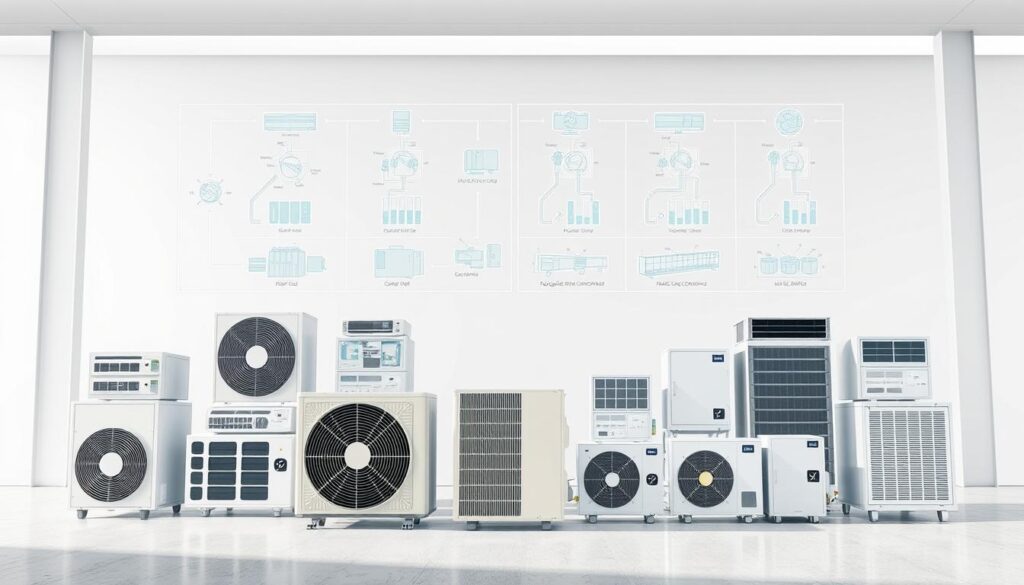
Choosing the right HVAC system is key for commercial building design. Your HVAC system must meet specific performance and energy efficiency goals. Different commercial spaces need unique HVAC solutions that fit their architectural and operational needs.
Commercial HVAC design guidelines suggest several main system types:
- Split Systems: Versatile solutions with separate indoor and outdoor units
- Packaged Systems: Compact units ideal for smaller commercial spaces
- Variable Air Volume (VAV) Systems: Flexible configurations for dynamic building environments
- Variable Refrigerant Flow (VRF) Systems: High-efficiency options for complex building layouts
When looking at HVAC systems, think about building size, occupancy, energy use, and environmental conditions. Each system type has its own benefits:
- Split systems provide excellent zone control
- Packaged systems offer quick installation
- VAV systems enable precise temperature management
- VRF systems deliver superior energy efficiency
Your choice affects long-term costs and building comfort. Talking to HVAC experts can guide you through these complex guidelines. They can help pick the best system for your needs.
Explore Our HVAC Shop
Looking for top-rated HVAC tools, parts, and accessories? Visit our shop and find the perfect solution for your needs.
Visit the ShopEnergy Efficiency and Sustainability in HVAC Design
Modern HVAC design aims to create systems that are both sustainable and energy-efficient. These systems aim to reduce environmental impact while keeping buildings comfortable. The shift towards energy efficient hvac design has changed how engineers manage heat in buildings.
To cut down energy use, a detailed approach is needed. This includes several key steps:
- Reduce heat from equipment and lights
- Improve insulation in the building envelope
- Use advanced window technologies
- Apply thermal mass techniques
Energy-Saving Strategies
Your HVAC system can save a lot of energy with new technologies. Heat recovery systems, smart controls, and efficient equipment are key. They help save a lot of energy.
Green Building Standards
Following ashrae standards for hvac ensures your design meets high sustainability goals. LEED and WELL certifications offer detailed guides for green building systems.
Environmental Impact Considerations
Energy efficiency can greatly lower a building’s carbon footprint. Smart HVAC design is more than just controlling temperature. It’s about making systems that are smart and gentle on the environment.
Sustainable HVAC design is not just an option—it’s a responsibility to future generations.
Central Cooling and Heating Plant Design
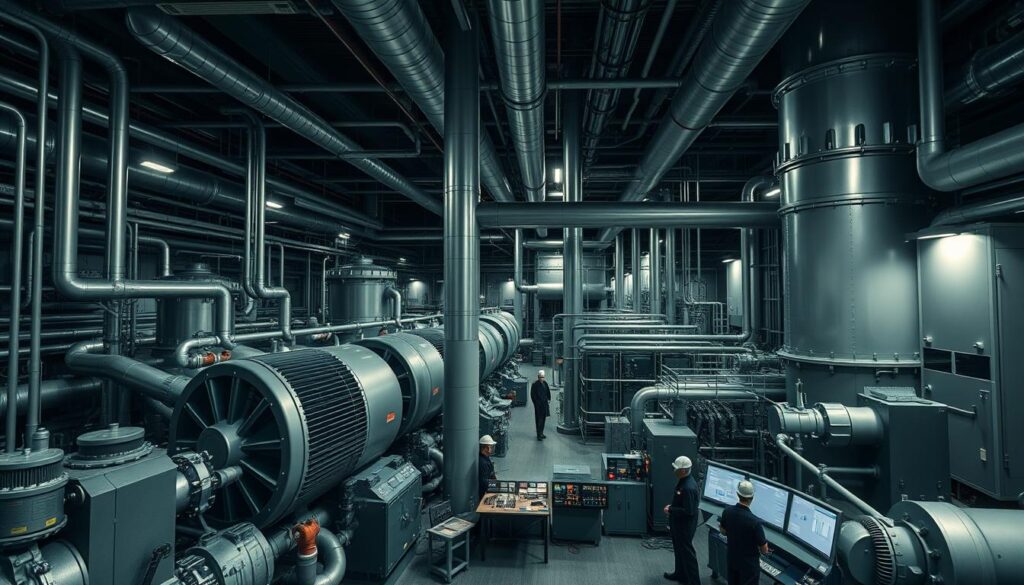
When designing a building’s HVAC system, the central cooling and heating plant is key. It controls the temperature. HVAC experts know these plants are vital for big buildings.
Important parts of these plants are:
- Large capacity chillers
- Industrial boilers
- Advanced thermal energy storage systems
- Sophisticated distribution networks
Your design must focus on energy efficiency. Using renewable energy like geothermal or solar thermal can cut costs.
“Effective central plant design transforms building climate control from a utility to a strategic asset.” – ASHRAE Engineering Handbook
The best designs use smart load management. This helps:
- Reduce peak demand
- Improve system reliability
- Save energy
- Grow with the building
District energy systems are the latest in thermal management. They can serve many buildings, sharing resources and saving energy.
Explore Our HVAC Shop
Looking for top-rated HVAC tools, parts, and accessories? Visit our shop and find the perfect solution for your needs.
Visit the ShopAir Distribution and Ductwork Planning
Creating a good hvac ductwork design is key for a comfy and efficient building. The air distribution network is like the heart of your HVAC system. It decides how air flows and affects the system’s performance.
Good air distribution needs careful planning and precise engineering. Your ductwork system must balance many factors for the best performance.
Duct Sizing and Layout Strategies
Choosing the right duct size is essential for your building’s HVAC system. You need to consider:
- Building square footage
- Room layout
- Airflow needs
- Potential pressure losses
Ventilation Requirements
Ventilation is more than just moving air. It’s about keeping air quality good, controlling humidity, and making sure people are comfortable. Your hvac ductwork design must meet certain standards:
- ASHRAE recommended air exchange rates
- Minimum fresh air intake
- Filtration efficiency
- Noise reduction techniques
Air Flow Calculations
Precise air flow calculations are the backbone of effective ductwork planning. Engineers use complex formulas to figure out the best air distribution. They consider things like:
“Successful HVAC design is about moving the right amount of air to the right place at the right time.” – HVAC Engineering Principle
- Thermal load requirements
- Space occupancy
- Equipment heat generation
- Building insulation characteristics
Control Systems and Building Automation
Modern HVAC system design has changed how we manage indoor spaces. Smart control systems now offer unmatched precision in energy use and comfort. Your building’s HVAC can see big improvements with advanced automation.
Key parts of top-notch building automation include:
- Smart thermostats with machine learning
- Occupancy sensors for changing temperatures
- Building management systems (BMS)
- IoT-enabled climate control networks
Energy efficient HVAC design uses smart algorithms to predict and adjust to changes. These systems analyze many data points, like:
- Real-time occupancy levels
- External weather conditions
- Energy pricing changes
- Zone-specific needs
The use of predictive maintenance technologies lets managers spot issues before they happen. Model-predictive control (MPC) is the best of these, making HVAC operations better in real-time.
Intelligent building automation turns HVAC into a dynamic, responsive environment management solution.
By using these new control technologies, you can make HVAC systems that are not just efficient. They are also flexible to meet changing needs and preferences.
Explore Our HVAC Shop
Looking for top-rated HVAC tools, parts, and accessories? Visit our shop and find the perfect solution for your needs.
Visit the ShopHVAC Zoning and Temperature Control Strategies
Designing an HVAC system is more than just heating and cooling. Zoning in HVAC lets you create comfort zones for everyone. This way, you can manage temperatures better and save energy.
Learning about HVAC zoning is key when designing a building. Each space has its own needs based on who’s there, the sun, and heat from inside.
Multi-zone System Design Fundamentals
Good multi-zone systems have a few important parts:
- Separate controls for each area
- Independent dampers for airflow
- Precision sensors for temperature
- Adaptive systems for changing temperatures
Temperature Control Methods
There are many ways to control temperature in HVAC zoning:
- Variable Air Volume (VAV) Systems – Adjust airflow for each zone
- Radiant Heating/Cooling – Keeps temperatures even
- Wireless Sensor Networks – Track temperatures in real-time
Comfort Parameters
Great indoor spaces have three main things:
- Stable temperatures
- Controlled humidity
- Good air flow
Using smart zoning, you can make HVAC systems that are both comfy and energy-saving.
Conclusion
Designing a good HVAC system is more than just tech specs. It involves many important factors that affect how well it works, how comfortable it is, and how much energy it uses. Your HVAC design should use the latest tech, save energy, and focus on what users need.
The best HVAC designs mix technical know-how with real-world needs. You must figure out the building’s thermal needs, understand what it requires, and pick the right systems. Saving energy is key, as it cuts costs and helps the planet.
Experts in HVAC design know every building is different. They use new control systems, smart zoning, and keep up with industry trends. This way, they make spaces that are comfy and use less energy.
Your main aim is to create HVAC systems that work well, use less energy, and follow today’s green standards. As tech gets better and rules get stricter, your skill in using the latest designs will be more important. This will help make buildings that work better and are better for the environment.