
Affiliate Disclosure
HVAC Guide Guys is a participant in the Amazon Services LLC Associates Program, an affiliate advertising program designed to provide a means for sites to earn advertising fees by advertising and linking to Amazon.
How to Design a Residential HVAC System? Are you tired of high energy bills and uneven home temperatures? Designing the right HVAC system could change everything for you in home heating and cooling.
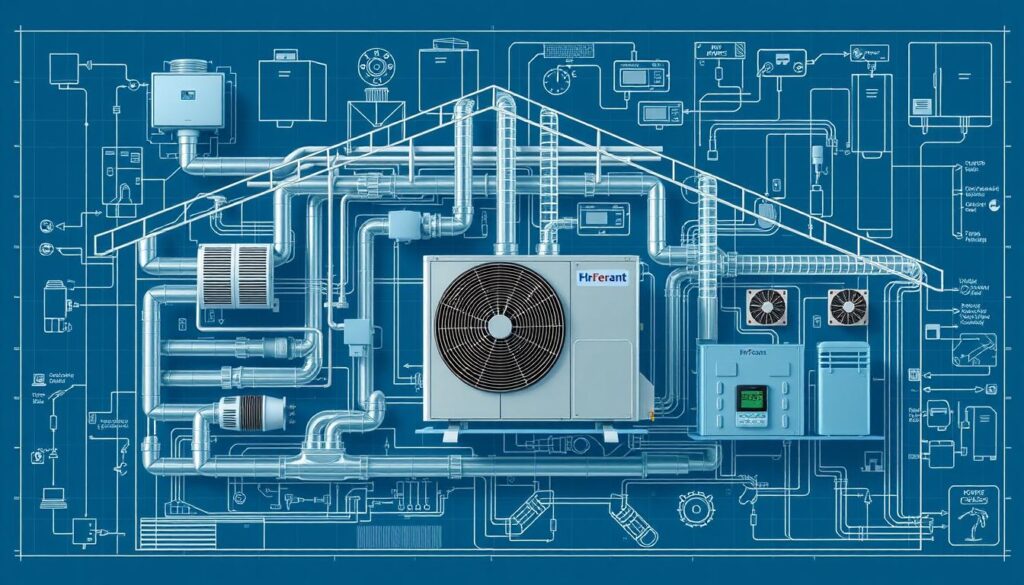
Learning to design a residential HVAC system opens doors to better comfort, energy savings, and cleaner air. A well-designed HVAC system does more than just control temperature. It turns your home into a perfectly balanced space.
Professional HVAC design looks at many important factors. These include your home’s layout, insulation, local climate, and what you need for comfort. By planning your HVAC system carefully, you can save a lot of money on energy costs. Plus, you’ll have consistent, comfortable temperatures in every room.
Key Takeaways
- Proper HVAC design impacts overall home comfort and energy efficiency
- A well-designed system can significantly reduce long-term energy expenses
- Consider home layout, climate, and specific comfort requirements
- Professional design helps optimize airflow and temperature distribution
- Strategic HVAC planning enhances indoor air quality
Table of Contents
Understanding HVAC System Fundamentals
Designing a good residential HVAC system starts with knowing its basics. Your home’s comfort depends on picking the right system. This system should balance energy efficiency and performance well.
Today, homeowners have many HVAC system choices. Each type has its own benefits for keeping your home cool and comfortable.
Common Residential HVAC System Types
- Split System Air Conditioners
- Heat Pump Systems
- Ductless Mini-Split Systems
- Geothermal HVAC Systems
Essential System Components
| Component | Primary Function | Energy Efficiency Impact |
|---|---|---|
| Compressor | Circulates refrigerant | High energy consumption point |
| Condenser Coil | Releases heat outside | Critical for system performance |
| Evaporator Coil | Absorbs indoor heat | Determines cooling efficiency |
Energy Efficiency Considerations
When looking at HVAC sizing, remember these important points:
- Insulation quality
- Home square footage
- Local climate conditions
- Household occupancy patterns
Choosing an energy-efficient HVAC system can cut utility costs by up to 30% and help the environment.
Explore Our HVAC Shop
Looking for top-rated HVAC tools, parts, and accessories? Visit our shop and find the perfect solution for your needs.
Visit the ShopHow to Design a Residential HVAC System: A Comprehensive Guide
Designing a residential HVAC system needs careful planning and a smart approach. When you start with diy hvac planning, it’s key to understand the whole picture of mechanical system design. Your aim is to create a solution that meets your home’s comfort and efficiency needs.
To design a residential HVAC system well, you must think about several important things:
- Home layout and square footage
- Local climate conditions
- Insulation and building envelope characteristics
- Energy efficiency requirements
- Budget constraints
Professional HVAC designers know that a system is more than just equipment. It’s a network of parts working together for the best indoor comfort.
“The right HVAC design turns a house into a cozy, energy-saving home.” – HVAC Engineering Professionals
Your detailed approach to designing a residential HVAC system should start with a thorough check of your home’s needs. This means looking at each room’s heating and cooling needs, figuring out ventilation needs, and picking the right equipment sizes.
| Design Consideration | Key Factors |
|---|---|
| Home Evaluation | Square footage, ceiling height, window placement |
| Climate Analysis | Temperature ranges, humidity levels, seasonal changes |
| Energy Efficiency | Insulation quality, equipment SEER ratings |
Remember, successful HVAC system design isn’t a one-size-fits-all deal. Every home has its own special challenges that need careful thought and custom planning.
Calculating Heating and Cooling Loads
Knowing how to calculate hvac load is key for a good heating and cooling system in homes. It finds out how much heat your home needs, making it comfy and energy-smart.
Manual J calculation is the top choice for figuring out the right size for HVAC gear. It looks at many things that affect your home’s heat balance.
Key Factors in Load Calculations
Several important things affect how accurate hvac load calculations are:
- Home square footage
- Insulation quality
- Window dimensions and orientation
- Local climate conditions
- Number of occupants
- Interior heat-generating appliances
Zone-by-Zone Analysis Approach
Experts use manual J calculation for a detailed look at each area of your home. They split your home into different zones. Each zone has its own heating and cooling needs.
| Zone Characteristics | Impact on Load Calculation |
|---|---|
| Sun-facing rooms | Higher heat gain |
| Basement areas | Lower thermal variation |
| Upper floor rooms | Increased heat retention |
“Precision in HVAC load calculation means comfort and efficiency for homeowners.” – ACCA Design Standards
Understanding these detailed calculations helps make sure your HVAC system works perfectly for your home.
Explore Our HVAC Shop
Looking for top-rated HVAC tools, parts, and accessories? Visit our shop and find the perfect solution for your needs.
Visit the ShopSelecting the Right HVAC Equipment Size
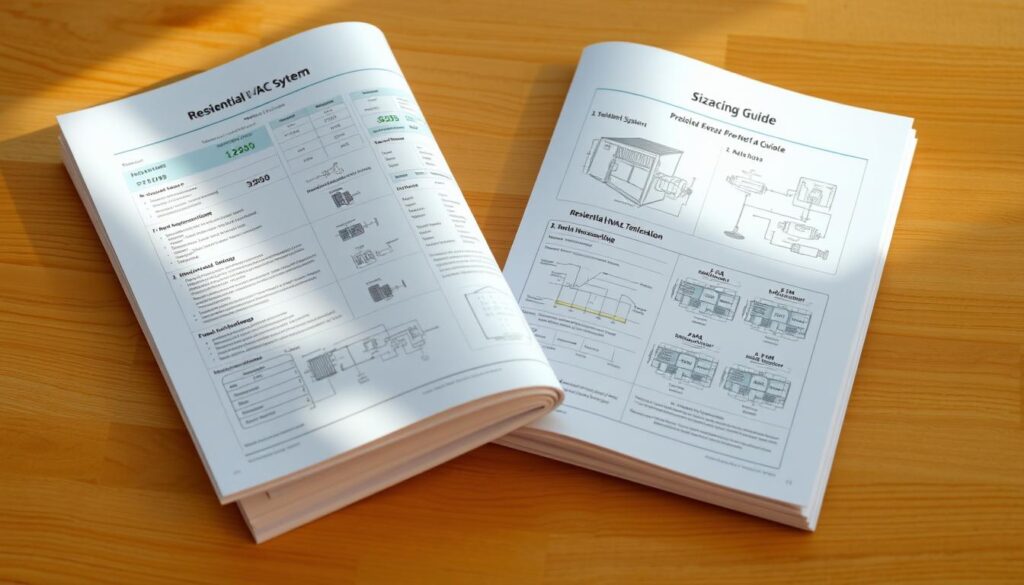
Choosing the right size for your home’s HVAC system is key. It ensures your system works well and saves energy. Many people pick too big of a system, which can cause problems.
When sizing your HVAC, consider a few important things:
- Home square footage
- Local climate conditions
- Insulation quality
- Number of windows and their orientation
- Home’s overall thermal characteristics
The aim is to find the perfect match for your home. The right size system will:
- Keep your home at a steady temperature
- Work more efficiently
- Use less energy
- Reduce wear on parts
“Bigger isn’t always better when it comes to HVAC equipment. Precision matters more than size.” – HVAC Engineering Expert
Using Manual J calculations can find the exact size you need. It looks at many factors to ensure your system performs well without wasting energy.
Spending time on proper sizing can save you money on bills. It also helps avoid comfort issues later on.
Ductwork Design and Layout Principles
Ductwork design is key for home heating and cooling. It ensures your home stays at a comfortable temperature. The right design boosts your HVAC system’s performance and saves energy.
Designing an efficient duct layout needs careful planning. Your home’s design affects the ductwork strategy.
Proper Duct Sizing Methods
Choosing the right duct size is vital for balanced airflow. Wrong sizes can cause problems:
- Less system efficiency
- Uneven temperatures
- More energy use
- Equipment strain
Air Distribution Strategies
Good air distribution comes from smart vent placement and sizing. Aim for even air flow to avoid hot and cold spots.
| Duct Type | Recommended Application | Efficiency Rating |
|---|---|---|
| Rectangular Ducts | Large, open spaces | 85-90% |
| Round Ducts | Compact areas | 90-95% |
| Flexible Ducts | Challenging routing areas | 75-80% |
Return Air Considerations
Good return air design keeps air quality and system performance up. Placing return air vents right helps balance air pressure and keeps your home comfortable.
“Good ductwork design is like the circulatory system of your home – it must be carefully planned and executed.” – HVAC Engineering Professional
By following these ductwork design principles, you can make your home heating and cooling better. This improves comfort, efficiency, and performance over time.
Energy Efficient System Design Strategies
Creating an energy efficient home ventilation system needs careful planning and the right technology. DIY HVAC planning is about cutting down energy use while keeping comfort and performance high.
Here are key strategies for energy efficient home ventilation:
- Select high-efficiency HVAC equipment with superior SEER ratings
- Implement smart thermostat technologies
- Optimize home insulation and air sealing
- Design low-load mechanical systems
Choosing the right size for your HVAC equipment is vital for energy efficiency. Systems that are too big or too small can waste energy and make your home uncomfortable.
| Strategy | Energy Savings | Implementation Difficulty |
|---|---|---|
| Smart Thermostat Integration | 10-15% | Low |
| High-Efficiency Equipment | 20-30% | Medium |
| Advanced Insulation | 25-40% | High |
By using these strategies, you can make a system that saves money and keeps your home comfortable.
Explore Our HVAC Shop
Looking for top-rated HVAC tools, parts, and accessories? Visit our shop and find the perfect solution for your needs.
Visit the ShopVentilation Requirements and Indoor Air Quality
Good indoor air quality is key to a healthy home. Your ventilation system keeps air fresh and clean. Without it, your home’s air can be unhealthy and make your heating and cooling less efficient.
Fresh Air Integration Methods
Energy efficient ventilation starts with bringing in fresh air. Modern homes need smart ways to exchange air, not just open windows. Here are some main methods:
- Heat Recovery Ventilators (HRVs)
- Energy Recovery Ventilators (ERVs)
- Dedicated outdoor air systems
- Mechanical ventilation with smart controls
Humidity Control Solutions
Keeping humidity balanced is important for comfort and health. Ideal indoor humidity ranges between 30-50%. This stops mold and breathing problems. Today’s heating and cooling systems have advanced humidity control:
- Whole-home dehumidifiers
- Integrated humidity sensors
- Smart HVAC zoning systems
Air Filtration Options
Keeping your air clean needs a good filtration plan. Different filters catch different particles:
- HEPA filters (99.97% particle removal)
- Activated carbon filters
- UV light air purification systems
- Electrostatic precipitators
Using these ventilation methods makes your home healthier and more comfortable. It also improves your home’s performance for your family’s well-being.
Integration with Building Envelope Design
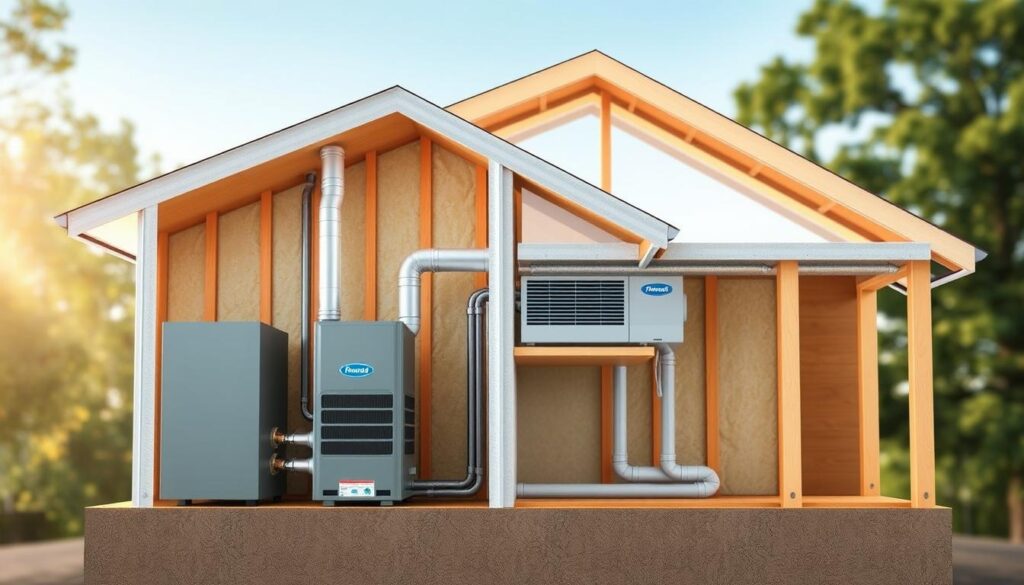
When designing a residential HVAC system, it’s key to understand how your home’s mechanical systems and building envelope work together. Home heating and cooling design is more than just picking equipment. The structure of your building affects how well your system works and how much energy it uses.
Important steps in combining HVAC design with building envelope include:
- Evaluating insulation levels and quality
- Analyzing window performance characteristics
- Implementing thorough air sealing techniques
- Considering passive solar design principles
Good insulation cuts down on heat transfer, making your HVAC system work less hard. High-performance windows with low U-values and optimal solar heat gain coefficients (SHGC) also help. They reduce the need for heating and cooling. An airtight home keeps energy in and temperatures steady.
Smart building envelope design makes your home more efficient. It helps keep your HVAC system running smoothly and saves energy. Energy audits can show you how to improve your home’s envelope to match your HVAC design.
“A well-designed building envelope is the foundation of an efficient HVAC system.”
When designing a residential HVAC system, work with experts who get the link between building structure and mechanical systems. Their knowledge ensures a complete plan that boosts comfort, efficiency, and performance over time.
Explore Our HVAC Shop
Looking for top-rated HVAC tools, parts, and accessories? Visit our shop and find the perfect solution for your needs.
Visit the ShopSystem Controls and Zoning Strategies
Zoning residential HVAC systems are a smart way to manage home temperatures. They divide your space into zones for better comfort and energy savings.
Smart control technologies have changed how we choose HVAC systems for homes. Today, homeowners can control their indoor climate like never before.
- Smart thermostats let you set temperatures for each room.
- Zone controllers control heating and cooling in each zone.
- Wireless sensors track temperatures in real-time.
Creating a zoning system needs careful planning. Here are important things to think about:
- Find areas with different temperatures.
- Look at how often each area is used.
- Think about how your home’s design affects temperature.
| Zoning Strategy | Energy Savings | Comfort Level |
|---|---|---|
| Multi-Zone System | 15-25% | High |
| Single-Zone System | 5-10% | Moderate |
“Intelligent zoning transforms your home’s comfort from one-size-fits-all to personalized precision.” – HVAC Design Expert
Using advanced zoning techniques makes your home more efficient and comfortable. It’s tailored to your needs.
Conclusion
Designing a residential HVAC system needs careful planning and smart thinking. Your home’s comfort depends on choosing the right HVAC system for your needs. Getting professional help and making informed decisions can greatly improve your home’s climate control.
Choosing a well-designed HVAC system is more than just the initial cost. It’s about energy efficiency, long-term performance, and comfort. Modern HVAC systems use advanced technologies to save energy and keep your home comfortable.
Knowing about system components, load calculations, and how they fit with your home’s design is key. Work with certified HVAC pros who can give you advice that fits your home. A well-designed HVAC system is an investment in your home’s comfort, value, and energy savings.
Take your time to look at different options, ask for detailed assessments, and choose systems that are good for performance, the planet, and your wallet. Your effort in designing a smart HVAC system will make your home more comfortable, efficient, and enjoyable for years.