
Affiliate Disclosure
HVAC Guide Guys is a participant in the Amazon Services LLC Associates Program, an affiliate advertising program designed to provide a means for sites to earn advertising fees by advertising and linking to Amazon.
How to Become an HVAC Technician? Are you ready to dive into a career that keeps America comfortable and running smoothly? What if you could transform your technical skills into a rewarding profession that never goes out of demand?

The HVAC career path offers an exciting opportunity for individuals passionate about technical work and problem-solving. As an HVAC technician, you’ll play a critical role in maintaining comfortable environments in homes, businesses, and industrial settings across the United States.
Learning how to become an HVAC technician involves understanding complex heating, ventilation, air conditioning, and refrigeration systems. This dynamic career provides stable employment, competitive salaries, and continuous opportunities for professional growth.
Key Takeaways
- HVAC technicians are essential in maintaining comfortable indoor environments
- The career offers strong job stability and competitive compensation
- Technical training and certifications are crucial for success
- Multiple specialization options exist within the HVAC industry
- Hands-on skills and continuous learning are key to advancement
Table of Contents
Understanding the HVAC Industry and Career Path
The HVAC industry is full of exciting opportunities for those who love technical work. It’s a field that combines problem-solving, customer service, and managing critical systems. It’s a dynamic place to start a career.
To work in HVAC, you need technical knowledge, physical strength, and practical skills. Starting with entry-level HVAC jobs is a great way to kick off your career in this vital field.
What HVAC Technicians Do
HVAC technicians are key to keeping places comfortable and efficient. They do many important tasks, including:
- Installing heating and cooling systems
- Doing regular maintenance and repairs
- Finding and fixing system problems
- Keeping systems energy-efficient
Industry Growth and Opportunities
The HVAC industry is growing fast, thanks to new tech and the need for energy-saving solutions. You can look forward to:
- A steady job market
- Good salaries
- Diverse work settings
Types of HVAC Specializations
There are many specializations in HVAC, including:
- Residential HVAC Systems
- Commercial Refrigeration
- Industrial Climate Control
- Solar Panel Installation
- Energy Management Systems
The HVAC industry offers a promising career path for technical professionals willing to invest in continuous learning and skill development.
Explore Our HVAC Shop
Looking for top-rated HVAC tools, parts, and accessories? Visit our shop and find the perfect solution for your needs.
Visit the ShopEducational Requirements for HVAC Technicians
Starting a career in HVAC needs careful attention to education. Most employers look for candidates with a strong educational base. This base should mix book learning with hands-on training. Your journey to becoming an HVAC technician starts with key educational steps.
To begin your HVAC career, you must meet basic educational needs. The first step is a high school diploma or GED. This is the starting point for HVAC certification programs.
- High school diploma or GED
- Post-secondary technical education
- Vocational training programs
- Community college certificates
Looking for top HVAC training schools, you’ll find many paths. Technical colleges and vocational schools offer special programs. These programs are designed to meet HVAC certification needs. They mix classroom learning with practical skills.
| Educational Option | Duration | Key Benefits |
|---|---|---|
| Vocational School Program | 6-24 months | Focused technical training |
| Community College Certificate | 1-2 years | Academic credits and practical skills |
| Apprenticeship Program | 3-5 years | Paid on-the-job training |
Investing in quality education boosts your HVAC career chances. Employers often choose candidates with structured training and recognized certifications. A good education can make you stand out, leading to better job opportunities.
Essential HVAC Training Programs and Certifications
Starting your HVAC career can be tough. You need to know about different training and certifications. These show you’re skilled and knowledgeable in HVAC.
Getting HVAC certified takes several steps. These steps help you grow professionally. They show you’re ready for better job chances.
Basic Safety Certifications
Safety is crucial in HVAC. You’ll need to get:
- OSHA 10-hour Safety Training
- Workplace Hazard Recognition
- Personal Protective Equipment (PPE) Certification
Technical Certifications
Technical certifications prove your skills. Important ones are:
- EPA Section 608 Refrigerant Handling Certification
- NATE (North American Technician Excellence) Certification
- R-410A Certification
Specialized HVAC Certifications
Specialized certifications make you stand out. Think about these advanced ones:
| Certification | Focus Area | Career Impact |
|---|---|---|
| HVAC Excellence Certification | Advanced Technical Skills | Higher Earning Potential |
| Manufacturer-Specific Certifications | Brand-Specific Equipment | Specialized Expertise |
| Energy Efficiency Certification | Green HVAC Technologies | Sustainable Design Specialization |
Getting these certifications shows you’re serious about your HVAC career. It proves your dedication to being the best.
Explore Our HVAC Shop
Looking for top-rated HVAC tools, parts, and accessories? Visit our shop and find the perfect solution for your needs.
Visit the ShopHow to Become HVAC Technician: Step-by-Step Guide
Becoming an HVAC technician needs careful planning and dedication. The path to becoming certified involves several key steps. These steps will lay the groundwork for a successful career in heating, ventilation, and air conditioning.
- Complete High School Education
Your first step is to get a high school diploma or GED. Focus on math, physics, and technical courses. This will give you a strong foundation.
- Choose an Educational Path
Decide between vocational training, community college, or technical schools with HVAC courses. These programs last from 6 months to 2 years.
- Gain Practical Training
Look for apprenticeships or entry-level jobs for hands-on experience. Employers often prefer candidates with practical skills.
Becoming HVAC certified is more than classroom learning. You’ll need to develop technical skills and understand complex systems. Keeping up with the latest technologies is also important.
| Career Stage | Key Requirements | Estimated Duration |
|---|---|---|
| Educational Preparation | High School Diploma/GED | 4 Years |
| Technical Training | HVAC Certification Program | 6-24 Months |
| Professional Certification | EPA, State Licenses | 1-2 Years |
Committing to continuous learning and skill development is key. Stay passionate and curious about new technologies. Be ready to adapt to industry changes.
HVAC Apprenticeship Programs and Requirements
Starting a career in HVAC needs more than just books. HVAC apprenticeships bridge the gap between theory and practice. They are key to success in this fast-paced field.
These programs give you a clear path to meet HVAC job needs. You learn in classrooms and get hands-on experience. This way, you gain real skills.
Finding Apprenticeship Opportunities
Finding the right HVAC apprenticeship is the first step. Look for opportunities at:
- Local union halls
- Trade associations
- Community colleges
- Professional HVAC contractors
- State workforce development agencies
Duration and Program Structure
HVAC apprenticeships last 3-5 years. They mix classroom learning with practical training. This ensures you learn all the skills needed for the job.
Skills Development Focus
You’ll learn important skills during your apprenticeship. These include:
- System installation techniques
- Electrical and mechanical diagnostics
- Equipment maintenance
- Safety protocols
- Energy efficiency principles
Finishing these programs makes you a strong candidate in the HVAC job market. You’ll have the skills and experience needed for success.
Explore Our HVAC Shop
Looking for top-rated HVAC tools, parts, and accessories? Visit our shop and find the perfect solution for your needs.
Visit the ShopTechnical Skills and Tools Mastery

Mastering technical skills is key for success in HVAC jobs. As an HVAC technician, you’ll need to learn a wide range of skills. You’ll also need to get good at using specialized tools that are vital for the job.
Your toolkit will include many important tools:
- Multimeters for electrical testing
- Pressure gauges for system diagnostics
- Pipe cutters and soldering equipment
- Refrigerant recovery machines
- Digital manifold gauges
It’s not just about knowing how to use tools. You’ll also need strong problem-solving skills. These skills help you find and fix complex HVAC system problems fast and right.
Learning technical skills takes time and effort. Many HVAC pros suggest:
- Going to regular training workshops
- Keeping up with new technology
- Practicing hands-on skills often
- Learning from experienced technicians
Good customer service skills are also crucial. You’ll talk to clients, explain technical issues in simple terms, and offer professional advice.
“Technical skill is the foundation, but communication transforms a good technician into an exceptional one.”
Gas Technician Certification Levels and Requirements
Getting certified as a gas technician can be tricky. It’s important to know the different levels of certification. These show your skills and dedication to your work.
- G3 (Entry-Level Certification)
- G2 (Intermediate Certification)
- G1 (Advanced Certification)
G3 Certification: Your Starting Point
The G3 certification is your first step. It lets you work with gas systems under supervision. You’ll learn the basics of safety.
G2 Certification: Expanding Professional Capabilities
Most technicians aim for the G2 certification. It lets you work on your own more. You’ll handle more complex gas system jobs.
| Certification Level | Key Requirements | Typical Duration |
|---|---|---|
| G3 | Basic safety training | 3-6 months |
| G2 | Advanced technical training | 6-12 months |
| G1 | Comprehensive system expertise | 12-18 months |
G1 Certification: Advanced Professional Level
The G1 certification is the highest level. It shows you’re an expert in complex gas systems. It opens up more career chances.
Going through these levels will make you better at your job. It will also make you more attractive to employers. And it will help you grow in your career.
Explore Our HVAC Shop
Looking for top-rated HVAC tools, parts, and accessories? Visit our shop and find the perfect solution for your needs.
Visit the ShopHVAC Installation and Service Fundamentals
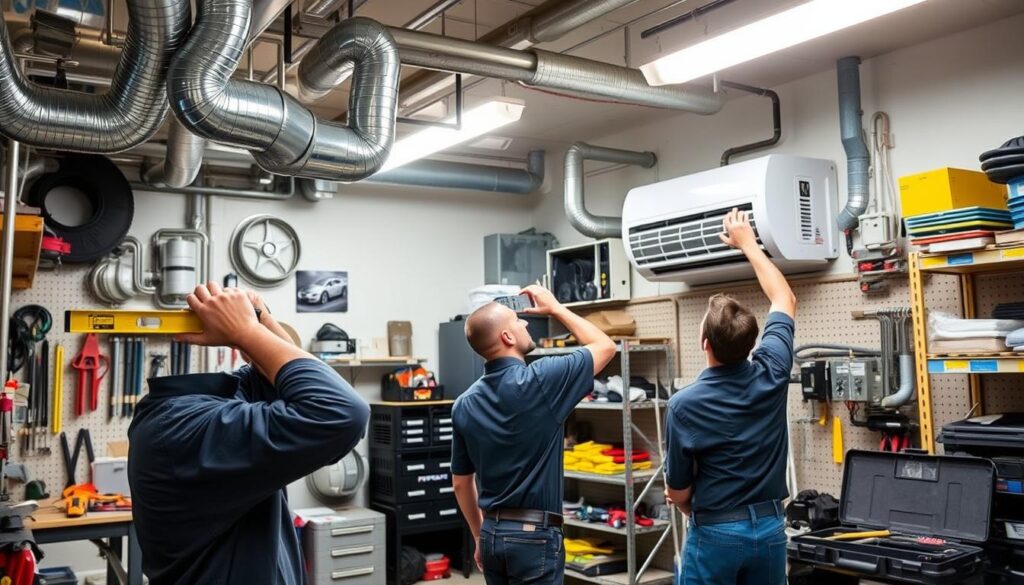
Learning the basics of HVAC installation and service is key for those starting in HVAC jobs. These skills are the foundation of a good HVAC career.
To succeed in HVAC, you need a wide range of technical and practical skills. Technicians must know how to:
- Read blueprints
- Install ductwork
- Connect electrical components
- Test systems
- Do routine maintenance
Getting good at these skills takes both book smarts and hands-on practice. You’ll need to understand how systems work, refrigeration, and electrical stuff.
| Skill Category | Key Competencies | Importance Level |
|---|---|---|
| Technical Knowledge | System design and operation | High |
| Practical Skills | Installation and repair techniques | Critical |
| Safety Awareness | Protective equipment and procedures | Essential |
HVAC pros work in many places. From homes to big buildings, being able to adapt and fix problems is key to success.
“Success in HVAC is about continuous learning and practical application of technical skills.” – HVAC Industry Expert
Building a strong base in installation and service will help you grow in this fast-paced and vital field.
Building Systems and Energy Management
The HVAC field has changed a lot with smart building tech. Today, technicians are key in managing energy systems. They make buildings work better and use less energy.
With advanced building automation, HVAC jobs need more than just basic skills. You must understand complex tech solutions. This means learning more than just heating and cooling.
- Smart building control systems
- Energy management technologies
- Advanced diagnostic tools
- Digital performance tracking
Modern HVAC systems use important tech integrations:
| Technology | Function | Impact |
|---|---|---|
| IoT Sensors | Real-time environmental monitoring | Precision climate control |
| AI-Driven Analytics | Predictive maintenance | Reduced energy consumption |
| Cloud-Based Management | Remote system monitoring | Enhanced operational efficiency |
Those who focus on building systems and energy management have great career chances. Your ability to use advanced tech is vital. It helps create green, smart buildings.
“The future of HVAC is not just about temperature control, but total environmental optimization.” – Energy Systems Expert
Explore Our HVAC Shop
Looking for top-rated HVAC tools, parts, and accessories? Visit our shop and find the perfect solution for your needs.
Visit the ShopProfessional Development and Career Growth
To move up in your HVAC career, you need a plan and to keep learning new skills. The HVAC field has many chances for growth and higher pay. By improving your skills, you can boost your salary and job chances.
Top HVAC pros use several ways to grow their careers:
- Pursue advanced technical certifications
- Develop specialized expertise in specific HVAC systems
- Consider management and leadership training
- Explore entrepreneurial opportunities
Your career can take many paths. Getting special certifications can lead to better pay and a focus on certain areas. You might move from working on homes to big buildings or even into design, engineering, or sales.
| Career Stage | Average Salary Range | Potential Growth Opportunities |
|---|---|---|
| Entry-Level Technician | $35,000 – $45,000 | Technical skills development |
| Experienced Technician | $50,000 – $70,000 | Specialization and advanced certifications |
| Senior Technician/Manager | $75,000 – $100,000 | Leadership and business management |
“Continuous learning is the key to success in the HVAC industry. Your commitment to professional growth determines your career trajectory.” – HVAC Industry Expert
Strategic skill development and networking can transform your HVAC career from a job to a lifelong professional journey.
Conclusion
Learning to become an HVAC technician is a great start to a rewarding career. It begins with getting the right education, certifications, and hands-on experience. The HVAC field is full of chances for those who keep learning and improving their skills.
The need for skilled HVAC technicians is growing in the U.S. By improving your technical skills and getting safety certifications, you set yourself up for success. You’ll be key in keeping buildings comfortable and running smoothly.
Keep learning and growing in your HVAC career. The field changes fast with new tech and energy solutions. Stay eager to learn, grow, and face new challenges. Your hard work will lead to a fulfilling and well-paying career.
Begin your HVAC journey by looking into local training, talking to professionals, and working towards your certification. Your path in this exciting field starts with a solid foundation and a bright future.
FAQ
How long does it take to become an HVAC technician?
What educational background do I need to start an HVAC career?
How much does HVAC technician training cost?
How long does it take to become an HVAC technician?
What educational background do I need to start an HVAC career?
How much does HVAC technician training cost?
FAQ
How long does it take to become an HVAC technician?
It usually takes 2-5 years to become an HVAC technician. This includes a vocational program (6-12 months), an apprenticeship (3-5 years), and getting certifications. The exact time depends on your education and local rules.
What educational background do I need to start an HVAC career?
You need a high school diploma or GED to start. Most HVAC technicians get a vocational training or a community college certificate. Some schools offer associate degrees for more training.
How much does HVAC technician training cost?
Training costs vary from
FAQ
How long does it take to become an HVAC technician?
It usually takes 2-5 years to become an HVAC technician. This includes a vocational program (6-12 months), an apprenticeship (3-5 years), and getting certifications. The exact time depends on your education and local rules.
What educational background do I need to start an HVAC career?
You need a high school diploma or GED to start. Most HVAC technicians get a vocational training or a community college certificate. Some schools offer associate degrees for more training.
How much does HVAC technician training cost?
Training costs vary from $1,200 to $15,000. Community college programs cost between $3,000 and $6,000. Private schools are pricier. You can get financial aid, scholarships, and apprenticeships to help pay.
What certifications are required to work as an HVAC technician?
You need EPA Section 608 Certification for refrigerants and state licenses. NATE certification can also boost your career and show your skills.
What is the average salary for HVAC technicians?
HVAC technicians earn about $50,590 a year on average. Beginners start at around $35,000, and experienced ones can make up to $75,000. Pay varies by location, experience, and specialization.
Do I need physical strength to become an HVAC technician?
Yes, HVAC work is tough. You’ll lift heavy, work in tight spots, and stand or climb a lot. Being physically fit is key for this job.
What are the job prospects for HVAC technicians?
Job prospects are great, with 5% growth expected from 2020-2030. The need for energy-efficient systems and building updates keeps the demand high.
Can I become an HVAC technician through an apprenticeship?
Absolutely! Apprenticeships are a great way in. They last 3-5 years, combining work and classroom learning. You earn while you learn.
What specializations exist in the HVAC industry?
HVAC has many specializations. These include residential, commercial, industrial, solar, and energy management. Each offers unique career paths and growth opportunities.
What tools do I need to start working as an HVAC technician?
You’ll need manifold gauges, multimeters, thermometers, and more. Employers might provide some tools. But, having your own basic set is a good idea for beginners.
,200 to ,000. Community college programs cost between ,000 and ,000. Private schools are pricier. You can get financial aid, scholarships, and apprenticeships to help pay.
What certifications are required to work as an HVAC technician?
You need EPA Section 608 Certification for refrigerants and state licenses. NATE certification can also boost your career and show your skills.
What is the average salary for HVAC technicians?
HVAC technicians earn about ,590 a year on average. Beginners start at around ,000, and experienced ones can make up to ,000. Pay varies by location, experience, and specialization.
Do I need physical strength to become an HVAC technician?
Yes, HVAC work is tough. You’ll lift heavy, work in tight spots, and stand or climb a lot. Being physically fit is key for this job.
What are the job prospects for HVAC technicians?
Job prospects are great, with 5% growth expected from 2020-2030. The need for energy-efficient systems and building updates keeps the demand high.
Can I become an HVAC technician through an apprenticeship?
Absolutely! Apprenticeships are a great way in. They last 3-5 years, combining work and classroom learning. You earn while you learn.
What specializations exist in the HVAC industry?
HVAC has many specializations. These include residential, commercial, industrial, solar, and energy management. Each offers unique career paths and growth opportunities.
What tools do I need to start working as an HVAC technician?
You’ll need manifold gauges, multimeters, thermometers, and more. Employers might provide some tools. But, having your own basic set is a good idea for beginners.