Affiliate Disclosure
HVAC Guide Guys is a participant in the Amazon Services LLC Associates Program, an affiliate advertising program designed to provide a means for sites to earn advertising fees by advertising and linking to Amazon.
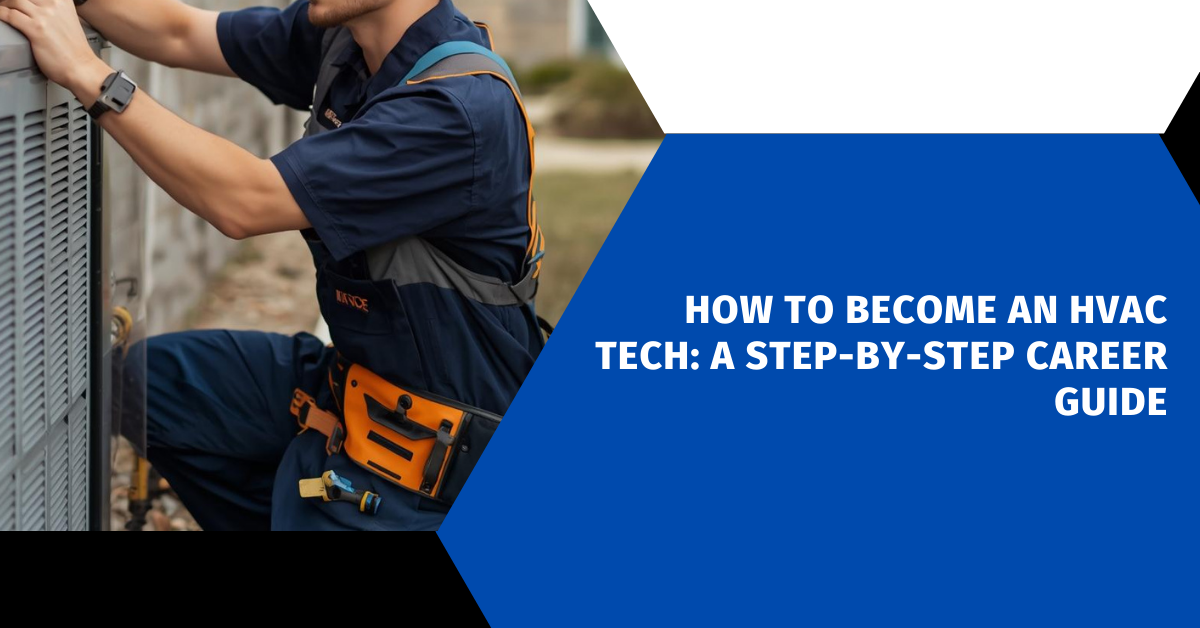
How to Become an HVAC Tech? Are you ready to start a rewarding career that keeps America comfortable and energy-efficient? You can turn your love for technical skills into a stable job that’s in high demand. This job offers both financial security and personal satisfaction.

The HVAC technician training landscape is full of exciting opportunities. It’s perfect for those who love working with climate control and mechanical systems. As buildings get more complex and energy efficiency matters more, skilled HVAC professionals are in high demand. They work in homes, businesses, and industries.
This guide will show you how to become an HVAC tech. We’ll cover everything from education to certification. We aim to make your journey through this promising career path clear and easy.
Key Takeaways
- HVAC technicians enjoy stable employment with competitive salaries
- Multiple educational pathways exist for entering the field
- Technical skills and practical training are crucial for success
- Certifications can significantly enhance career opportunities
- The HVAC industry offers continuous learning and advancement
Table of Contents
Understanding the HVAC Industry and Career Outlook
The HVAC industry is a dynamic and promising field for those who enjoy technical and hands-on work. Skilled technicians are in high demand in residential, commercial, and industrial sectors. This makes the HVAC career path very attractive for aspiring professionals.
The job market for HVAC professionals is exciting, thanks to several key factors:
- Growing need for energy-efficient climate control systems
- Expansion of residential and commercial construction
- Increasing focus on sustainable building technologies
- Aging infrastructure requiring regular maintenance and upgrades
Current Market Demand
Technological advancements and environmental regulations are shaping the HVAC industry. Professionals with specialized skills have robust job prospects. They can work in various settings, from residential installations to complex industrial systems.
Average Salary Expectations
The salary for HVAC technicians varies based on experience, location, and specialization. Entry-level technicians can start with competitive wages. As they gain expertise and certifications, their salaries can grow significantly.
| Experience Level | Annual Salary Range | Potential Growth |
|---|---|---|
| Entry-Level | $35,000 – $45,000 | High |
| Mid-Career | $50,000 – $65,000 | Very High |
| Experienced Specialists | $70,000 – $90,000 | Excellent |
Industry Growth Projections
The Bureau of Labor Statistics predicts a 9% growth rate for HVAC technicians by 2030. This growth is higher than many other occupations. It shows a stable and expanding career path with many opportunities for skilled professionals.
The HVAC industry offers more than just a job – it provides a sustainable and rewarding career with continuous learning and development opportunities.
Explore Our HVAC Shop
Looking for top-rated HVAC tools, parts, and accessories? Visit our shop and find the perfect solution for your needs.
Visit the ShopEducational Requirements and Prerequisites
Starting your journey in hvac technician training begins with understanding the essential educational foundation. A high school diploma or GED is the first step. It prepares you for the technical challenges of hvac job requirements.
Key subjects that strengthen your preparation include:
- Mathematics (algebra and geometry)
- Physics
- Mechanical drawing
- Computer science
- Electronics
Most HVAC training programs seek students with a solid academic foundation. Technical schools and community colleges evaluate your educational background. They make sure you can handle the rigorous technical coursework required for HVAC certification.
| Educational Requirement | Minimum Qualification | Recommended Courses |
|---|---|---|
| High School Diploma | Required | Mathematics, Physics |
| GED | Acceptable Alternative | Technical Electives |
| Additional Preparation | Recommended | Computer Skills, Mechanical Drawing |
Your academic preparation sets the stage for successful hvac technician training. Strong mathematical and technical skills will give you a competitive edge in this dynamic field.
HVAC Training Programs and Technical Schools
Starting a career in heating, ventilation, and air conditioning needs the right hvac trade school. Your education is key to success in this field.
There are many paths for those wanting to be HVAC technicians. Knowing the different programs helps you choose the best one for you.
Types of HVAC Programs
- Certificate Programs (6-12 months)
- Associate Degree Programs (2 years)
- Diploma Courses (1-2 years)
- Apprenticeship-based Training
Choosing the Right Training Institution
When picking a program, look at these important things:
- Accreditation status
- Hands-on training facilities
- Job placement rates
- Instructor expertise
- Curriculum comprehensiveness
Program Duration and Costs
HVAC training can last from a few months to two years. Prices vary, from $1,500 to $15,000, based on the program.
Investing in good education is crucial for your HVAC career. Do your research and pick a program that fits your goals.
Explore Our HVAC Shop
Looking for top-rated HVAC tools, parts, and accessories? Visit our shop and find the perfect solution for your needs.
Visit the ShopHow to Become an HVAC Tech: Essential Steps and Requirements
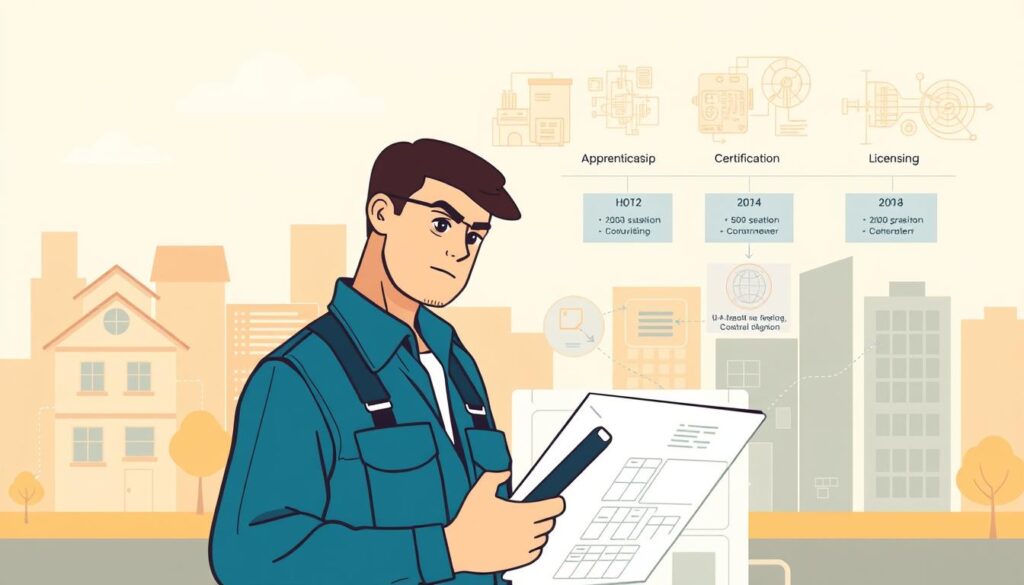
Becoming an HVAC technician needs a clear plan and a commitment to learning. Your journey includes important steps that will help you succeed in this field.
To begin your HVAC tech career, focus on key milestones. These steps will turn your dreams into a real career. Here are the main requirements to become an HVAC technician:
- Complete High School Education
- Get a high school diploma or GED
- Take math and physics classes
- Work on solving problems
- Pursue Technical Training
- Join an accredited HVAC program
- Choose between a certificate or associate degree
- Learn the essential technical skills
- Gain Practical Experience
- Do an apprenticeship program
- Work with experienced technicians
- Use what you learned in real situations
Becoming an HVAC technician means always learning and improving. Your hard work and dedication will lead to success in this fulfilling career.
| Career Stage | Key Requirements | Estimated Duration |
|---|---|---|
| Educational Preparation | High School Diploma/GED | 4 Years |
| Technical Training | HVAC Certificate/Associate Degree | 6-24 Months |
| Apprenticeship | Hands-on Professional Training | 3-5 Years |
Mastering technical skills and keeping up with new trends is key. It will help you become a skilled HVAC technician.
HVAC Apprenticeship Programs: What to Expect
Starting your HVAC career is more than just learning in class. HVAC apprenticeships bridge the gap between book smarts and hands-on skills. They offer a chance to gain real-world experience while earning a good income.
These programs meet strict HVAC job standards. They last 4-5 years, with about 8,280 hours of work and training combined.
Finding Apprenticeship Opportunities
Finding the right HVAC apprenticeship takes some effort:
- Contact local HVAC contractors directly
- Reach out to trade unions and professional associations
- Check with community colleges and technical schools
- Explore state and federal apprenticeship websites
Program Structure and Duration
HVAC apprenticeships mix learning with doing. You’ll spend:
- 144 hours of technical education per year
- 2,000 hours of paid on-the-job training annually
- Classroom instruction on technical skills
- Practical training with experienced pros
On-the-Job Training Components
You’ll learn key skills during your apprenticeship, such as:
- System installation techniques
- Refrigeration maintenance
- Electrical wiring and control systems
- Safety protocols and industry standards
Finishing an apprenticeship sets you up for a fulfilling HVAC career. You’ll get the skills and credentials to succeed in this fast-paced field.
Explore Our HVAC Shop
Looking for top-rated HVAC tools, parts, and accessories? Visit our shop and find the perfect solution for your needs.
Visit the ShopRequired Certifications and Licensing
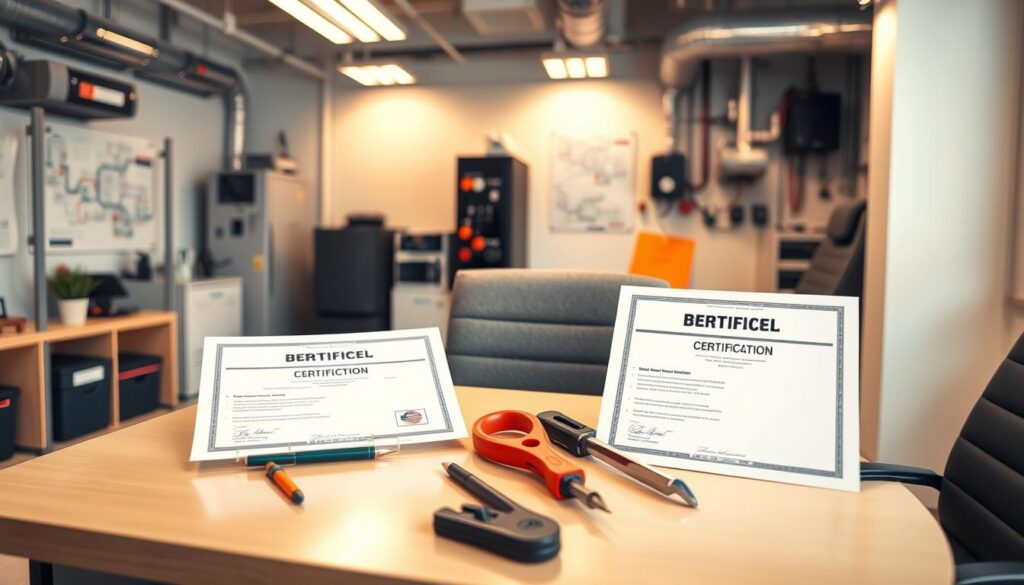
Starting your HVAC career can be tough. You need to get important certifications and licenses. These show you know your stuff and can legally work in the field.
The EPA Section 608 Technician Certification is key for HVAC pros. It shows you can work with refrigerants safely. You’ll take a test on different refrigeration systems and environmental rules.
- EPA Section 608 Certification Types:
- Type I: Small Appliances
- Type II: High-Pressure Appliances
- Type III: Low-Pressure Appliances
- Universal: Covers All Types
Each state has its own HVAC license rules. It’s vital to check what your state needs. Some states require a big test to prove your skills.
| Certification | Requirements | Renewal Period |
|---|---|---|
| EPA Section 608 | Refrigerant Handling Exam | No Expiration |
| State HVAC License | Technical Exam, Work Experience | 2-3 Years |
To keep your skills sharp, you must keep learning. Many states make you recertify every few years. This keeps you up-to-date with new HVAC tech and safety rules.
Pro tip: Always check with your state’s licensing board for the latest on certifications. Rules can change often.
Essential Skills and Technical Knowledge
To be a top HVAC technician, you need more than just training. Your career thrives on a mix of technical skills and personal qualities. These qualities make you stand out in the field.
Starting your HVAC career means learning both technical and people skills. It’s not just about knowing how systems work.
Mechanical Aptitude Requirements
At the heart of your skills are mechanical abilities. You must:
- Know how heating and cooling systems work
- Spot and fix mechanical issues fast and right
- Read and understand technical drawings
- Do precise measurements and math
Safety Protocols and Procedures
“Safety isn’t just a requirement—it’s a commitment to yourself and your team.”
Your HVAC job requires strict safety rules. Important safety steps include:
- Wearing the right protective gear
- Knowing about electrical and chemical dangers
- Handling equipment correctly
- Keeping your workspace clean and tidy
Tools and Equipment Proficiency
Knowing how to use different tools is key in HVAC training. You’ll work with special tools like:
- Multimeters for electrical checks
- Refrigerant gauges
- Leak detection tools
- Special hand and power tools
Your success comes from always improving your skills and keeping up with HVAC tech advances.
Professional Development and Career Advancement
Your hvac career path is full of growth and advancement chances. As an HVAC technician, always learning is key. It keeps you competitive and boosts your career.
Professional growth in HVAC means several steps to improve your skills and appeal:
- Pursue advanced technical certifications
- Attend industry workshops and conferences
- Specialize in emerging technology areas
- Develop leadership and management skills
Staying updated with new tech is crucial. Smart HVAC systems, energy-saving tech, and green designs are changing the field fast. Investing in your growth makes you a sought-after expert.
Look into these special career paths:
- Commercial HVAC systems design
- Energy management consulting
- Technical sales and training
- Project management
Connecting with others in the field, joining groups, and taking online courses can help a lot. Your dedication to learning will lead to better jobs and more exciting challenges.
Explore Our HVAC Shop
Looking for top-rated HVAC tools, parts, and accessories? Visit our shop and find the perfect solution for your needs.
Visit the ShopSpecializations and Advanced Training Opportunities
As you move forward in your HVAC training, looking into specialized areas can boost your career. The HVAC field has many advanced training options. These can help you become an expert in new technologies and specific markets.
Some specializations for HVAC pros include:
- Commercial HVAC systems
- Green and energy-efficient technologies
- Smart home and building automation systems
- Industrial refrigeration
- Solar thermal and renewable energy integration
Getting advanced certifications can make your HVAC skills stand out. These certifications show you know a lot about your field. They can also lead to better-paying jobs.
| Specialization | Typical Certification | Average Salary Increase |
|---|---|---|
| Green Technologies | LEED Accredited Professional | 15-20% |
| Building Automation | Building Automation Systems (BAS) Certification | 18-25% |
| Industrial Refrigeration | RETA Certified Assistant Refrigeration Technician | 12-18% |
Investing in advanced training shows you’re serious about growing in your career. It makes you a valuable asset in the changing HVAC world.
Professional development is the key to long-term success in the HVAC field.
Conclusion
Starting a career as an HVAC technician is exciting and fulfilling. It requires careful planning, dedicated training, and a commitment to learning. Your HVAC career offers stability, good pay, and chances for growth.
To become an HVAC pro, you need to take strategic steps. You’ll learn through education and apprenticeships. These steps help you gain skills that employers want.
Your success in HVAC depends on your passion, technical skills, and eagerness to learn. There are many areas to explore, from homes to big buildings. Look for training, talk to professionals, and work hard to build your skills.
Don’t think your journey stops with your first certification. Keep learning, stay current with new tech, and build a strong network. Your hard work today will lead to a rewarding career tomorrow.
FAQ
How long does it take to become an HVAC technician?
What are the minimum educational requirements to start an HVAC career?
How much does HVAC technician training cost?
How long does it take to become an HVAC technician?
What are the minimum educational requirements to start an HVAC career?
How much does HVAC technician training cost?
FAQ
How long does it take to become an HVAC technician?
Becoming an HVAC technician takes 6 months to 2 years. Certificate programs last 6-12 months. Associate degrees take up to 2 years. You also need a 3-5 year apprenticeship for full certification.
What are the minimum educational requirements to start an HVAC career?
You need a high school diploma or GED. Employers look for math, physics, and mechanical skills. Technical schools and community colleges offer HVAC programs.
How much does HVAC technician training cost?
Costs range from
FAQ
How long does it take to become an HVAC technician?
Becoming an HVAC technician takes 6 months to 2 years. Certificate programs last 6-12 months. Associate degrees take up to 2 years. You also need a 3-5 year apprenticeship for full certification.
What are the minimum educational requirements to start an HVAC career?
You need a high school diploma or GED. Employers look for math, physics, and mechanical skills. Technical schools and community colleges offer HVAC programs.
How much does HVAC technician training cost?
Costs range from $1,200 for certificates to $30,000 for associate degrees. Community colleges are cheaper. Trade schools and specialized programs are pricier. Apprenticeships offer paid training.
What certifications are required to work as an HVAC technician?
You need the EPA Section 608 Technician Certification for refrigerants. Some states require extra licenses. Certifications from HVAC Excellence or NATE boost your career.
What is the average salary for HVAC technicians?
HVAC technicians earn about $50,590 a year. Newbies start at $35,000. Experienced ones can make up to $80,000. Pay varies by location, experience, and specialization.
Do I need to be physically fit to become an HVAC technician?
Yes, HVAC work is tough. You’ll lift heavy, work in tight spots, and stand or climb a lot. Being fit is key for success.
What are the career advancement opportunities in HVAC?
HVAC offers many paths, like senior technician or business owner. Specializing in commercial systems or green tech can lead to better jobs.
Is HVAC a good career choice in 2023?
Yes, it’s a great choice. The field is growing fast, with a 5% job growth rate by 2030. Demand for energy-efficient systems and climate control is high.
What tools do I need to start working as an HVAC technician?
You’ll need a multimeter, manifold gauge set, and more. Training programs and employers usually provide tool lists. Initial tool costs are $500 to $1,500.
Can I become an HVAC technician through online training?
Some online courses are okay, but hands-on experience is crucial. Look for hybrid programs that mix online and in-person training. Make sure any online program is accredited.
,200 for certificates to ,000 for associate degrees. Community colleges are cheaper. Trade schools and specialized programs are pricier. Apprenticeships offer paid training.
What certifications are required to work as an HVAC technician?
You need the EPA Section 608 Technician Certification for refrigerants. Some states require extra licenses. Certifications from HVAC Excellence or NATE boost your career.
What is the average salary for HVAC technicians?
HVAC technicians earn about ,590 a year. Newbies start at ,000. Experienced ones can make up to ,000. Pay varies by location, experience, and specialization.
Do I need to be physically fit to become an HVAC technician?
Yes, HVAC work is tough. You’ll lift heavy, work in tight spots, and stand or climb a lot. Being fit is key for success.
What are the career advancement opportunities in HVAC?
HVAC offers many paths, like senior technician or business owner. Specializing in commercial systems or green tech can lead to better jobs.
Is HVAC a good career choice in 2023?
Yes, it’s a great choice. The field is growing fast, with a 5% job growth rate by 2030. Demand for energy-efficient systems and climate control is high.
What tools do I need to start working as an HVAC technician?
You’ll need a multimeter, manifold gauge set, and more. Training programs and employers usually provide tool lists. Initial tool costs are 0 to
FAQ
How long does it take to become an HVAC technician?
Becoming an HVAC technician takes 6 months to 2 years. Certificate programs last 6-12 months. Associate degrees take up to 2 years. You also need a 3-5 year apprenticeship for full certification.
What are the minimum educational requirements to start an HVAC career?
You need a high school diploma or GED. Employers look for math, physics, and mechanical skills. Technical schools and community colleges offer HVAC programs.
How much does HVAC technician training cost?
Costs range from $1,200 for certificates to $30,000 for associate degrees. Community colleges are cheaper. Trade schools and specialized programs are pricier. Apprenticeships offer paid training.
What certifications are required to work as an HVAC technician?
You need the EPA Section 608 Technician Certification for refrigerants. Some states require extra licenses. Certifications from HVAC Excellence or NATE boost your career.
What is the average salary for HVAC technicians?
HVAC technicians earn about $50,590 a year. Newbies start at $35,000. Experienced ones can make up to $80,000. Pay varies by location, experience, and specialization.
Do I need to be physically fit to become an HVAC technician?
Yes, HVAC work is tough. You’ll lift heavy, work in tight spots, and stand or climb a lot. Being fit is key for success.
What are the career advancement opportunities in HVAC?
HVAC offers many paths, like senior technician or business owner. Specializing in commercial systems or green tech can lead to better jobs.
Is HVAC a good career choice in 2023?
Yes, it’s a great choice. The field is growing fast, with a 5% job growth rate by 2030. Demand for energy-efficient systems and climate control is high.
What tools do I need to start working as an HVAC technician?
You’ll need a multimeter, manifold gauge set, and more. Training programs and employers usually provide tool lists. Initial tool costs are $500 to $1,500.
Can I become an HVAC technician through online training?
Some online courses are okay, but hands-on experience is crucial. Look for hybrid programs that mix online and in-person training. Make sure any online program is accredited.
,500.
Can I become an HVAC technician through online training?
Some online courses are okay, but hands-on experience is crucial. Look for hybrid programs that mix online and in-person training. Make sure any online program is accredited.
What certifications are required to work as an HVAC technician?
What is the average salary for HVAC technicians?
Do I need to be physically fit to become an HVAC technician?
What are the career advancement opportunities in HVAC?
Is HVAC a good career choice in 2023?
What tools do I need to start working as an HVAC technician?
FAQ
How long does it take to become an HVAC technician?
Becoming an HVAC technician takes 6 months to 2 years. Certificate programs last 6-12 months. Associate degrees take up to 2 years. You also need a 3-5 year apprenticeship for full certification.
What are the minimum educational requirements to start an HVAC career?
You need a high school diploma or GED. Employers look for math, physics, and mechanical skills. Technical schools and community colleges offer HVAC programs.
How much does HVAC technician training cost?
Costs range from
FAQ
How long does it take to become an HVAC technician?
Becoming an HVAC technician takes 6 months to 2 years. Certificate programs last 6-12 months. Associate degrees take up to 2 years. You also need a 3-5 year apprenticeship for full certification.
What are the minimum educational requirements to start an HVAC career?
You need a high school diploma or GED. Employers look for math, physics, and mechanical skills. Technical schools and community colleges offer HVAC programs.
How much does HVAC technician training cost?
Costs range from $1,200 for certificates to $30,000 for associate degrees. Community colleges are cheaper. Trade schools and specialized programs are pricier. Apprenticeships offer paid training.
What certifications are required to work as an HVAC technician?
You need the EPA Section 608 Technician Certification for refrigerants. Some states require extra licenses. Certifications from HVAC Excellence or NATE boost your career.
What is the average salary for HVAC technicians?
HVAC technicians earn about $50,590 a year. Newbies start at $35,000. Experienced ones can make up to $80,000. Pay varies by location, experience, and specialization.
Do I need to be physically fit to become an HVAC technician?
Yes, HVAC work is tough. You’ll lift heavy, work in tight spots, and stand or climb a lot. Being fit is key for success.
What are the career advancement opportunities in HVAC?
HVAC offers many paths, like senior technician or business owner. Specializing in commercial systems or green tech can lead to better jobs.
Is HVAC a good career choice in 2023?
Yes, it’s a great choice. The field is growing fast, with a 5% job growth rate by 2030. Demand for energy-efficient systems and climate control is high.
What tools do I need to start working as an HVAC technician?
You’ll need a multimeter, manifold gauge set, and more. Training programs and employers usually provide tool lists. Initial tool costs are $500 to $1,500.
Can I become an HVAC technician through online training?
Some online courses are okay, but hands-on experience is crucial. Look for hybrid programs that mix online and in-person training. Make sure any online program is accredited.
,200 for certificates to ,000 for associate degrees. Community colleges are cheaper. Trade schools and specialized programs are pricier. Apprenticeships offer paid training.
What certifications are required to work as an HVAC technician?
You need the EPA Section 608 Technician Certification for refrigerants. Some states require extra licenses. Certifications from HVAC Excellence or NATE boost your career.
What is the average salary for HVAC technicians?
HVAC technicians earn about ,590 a year. Newbies start at ,000. Experienced ones can make up to ,000. Pay varies by location, experience, and specialization.
Do I need to be physically fit to become an HVAC technician?
Yes, HVAC work is tough. You’ll lift heavy, work in tight spots, and stand or climb a lot. Being fit is key for success.
What are the career advancement opportunities in HVAC?
HVAC offers many paths, like senior technician or business owner. Specializing in commercial systems or green tech can lead to better jobs.
Is HVAC a good career choice in 2023?
Yes, it’s a great choice. The field is growing fast, with a 5% job growth rate by 2030. Demand for energy-efficient systems and climate control is high.
What tools do I need to start working as an HVAC technician?
You’ll need a multimeter, manifold gauge set, and more. Training programs and employers usually provide tool lists. Initial tool costs are 0 to
FAQ
How long does it take to become an HVAC technician?
Becoming an HVAC technician takes 6 months to 2 years. Certificate programs last 6-12 months. Associate degrees take up to 2 years. You also need a 3-5 year apprenticeship for full certification.
What are the minimum educational requirements to start an HVAC career?
You need a high school diploma or GED. Employers look for math, physics, and mechanical skills. Technical schools and community colleges offer HVAC programs.
How much does HVAC technician training cost?
Costs range from $1,200 for certificates to $30,000 for associate degrees. Community colleges are cheaper. Trade schools and specialized programs are pricier. Apprenticeships offer paid training.
What certifications are required to work as an HVAC technician?
You need the EPA Section 608 Technician Certification for refrigerants. Some states require extra licenses. Certifications from HVAC Excellence or NATE boost your career.
What is the average salary for HVAC technicians?
HVAC technicians earn about $50,590 a year. Newbies start at $35,000. Experienced ones can make up to $80,000. Pay varies by location, experience, and specialization.
Do I need to be physically fit to become an HVAC technician?
Yes, HVAC work is tough. You’ll lift heavy, work in tight spots, and stand or climb a lot. Being fit is key for success.
What are the career advancement opportunities in HVAC?
HVAC offers many paths, like senior technician or business owner. Specializing in commercial systems or green tech can lead to better jobs.
Is HVAC a good career choice in 2023?
Yes, it’s a great choice. The field is growing fast, with a 5% job growth rate by 2030. Demand for energy-efficient systems and climate control is high.
What tools do I need to start working as an HVAC technician?
You’ll need a multimeter, manifold gauge set, and more. Training programs and employers usually provide tool lists. Initial tool costs are $500 to $1,500.
Can I become an HVAC technician through online training?
Some online courses are okay, but hands-on experience is crucial. Look for hybrid programs that mix online and in-person training. Make sure any online program is accredited.
,500.
Can I become an HVAC technician through online training?
Some online courses are okay, but hands-on experience is crucial. Look for hybrid programs that mix online and in-person training. Make sure any online program is accredited.
Can I become an HVAC technician through online training?
What certifications are required to work as an HVAC technician?
What is the average salary for HVAC technicians?
Do I need to be physically fit to become an HVAC technician?
What are the career advancement opportunities in HVAC?
Is HVAC a good career choice in 2023?
What tools do I need to start working as an HVAC technician?
How long does it take to become an HVAC technician?
What are the minimum educational requirements to start an HVAC career?
How much does HVAC technician training cost?
FAQ
How long does it take to become an HVAC technician?
Becoming an HVAC technician takes 6 months to 2 years. Certificate programs last 6-12 months. Associate degrees take up to 2 years. You also need a 3-5 year apprenticeship for full certification.
What are the minimum educational requirements to start an HVAC career?
You need a high school diploma or GED. Employers look for math, physics, and mechanical skills. Technical schools and community colleges offer HVAC programs.
How much does HVAC technician training cost?
Costs range from
FAQ
How long does it take to become an HVAC technician?
Becoming an HVAC technician takes 6 months to 2 years. Certificate programs last 6-12 months. Associate degrees take up to 2 years. You also need a 3-5 year apprenticeship for full certification.
What are the minimum educational requirements to start an HVAC career?
You need a high school diploma or GED. Employers look for math, physics, and mechanical skills. Technical schools and community colleges offer HVAC programs.
How much does HVAC technician training cost?
Costs range from $1,200 for certificates to $30,000 for associate degrees. Community colleges are cheaper. Trade schools and specialized programs are pricier. Apprenticeships offer paid training.
What certifications are required to work as an HVAC technician?
You need the EPA Section 608 Technician Certification for refrigerants. Some states require extra licenses. Certifications from HVAC Excellence or NATE boost your career.
What is the average salary for HVAC technicians?
HVAC technicians earn about $50,590 a year. Newbies start at $35,000. Experienced ones can make up to $80,000. Pay varies by location, experience, and specialization.
Do I need to be physically fit to become an HVAC technician?
Yes, HVAC work is tough. You’ll lift heavy, work in tight spots, and stand or climb a lot. Being fit is key for success.
What are the career advancement opportunities in HVAC?
HVAC offers many paths, like senior technician or business owner. Specializing in commercial systems or green tech can lead to better jobs.
Is HVAC a good career choice in 2023?
Yes, it’s a great choice. The field is growing fast, with a 5% job growth rate by 2030. Demand for energy-efficient systems and climate control is high.
What tools do I need to start working as an HVAC technician?
You’ll need a multimeter, manifold gauge set, and more. Training programs and employers usually provide tool lists. Initial tool costs are $500 to $1,500.
Can I become an HVAC technician through online training?
Some online courses are okay, but hands-on experience is crucial. Look for hybrid programs that mix online and in-person training. Make sure any online program is accredited.
,200 for certificates to ,000 for associate degrees. Community colleges are cheaper. Trade schools and specialized programs are pricier. Apprenticeships offer paid training.
What certifications are required to work as an HVAC technician?
You need the EPA Section 608 Technician Certification for refrigerants. Some states require extra licenses. Certifications from HVAC Excellence or NATE boost your career.
What is the average salary for HVAC technicians?
HVAC technicians earn about ,590 a year. Newbies start at ,000. Experienced ones can make up to ,000. Pay varies by location, experience, and specialization.
Do I need to be physically fit to become an HVAC technician?
Yes, HVAC work is tough. You’ll lift heavy, work in tight spots, and stand or climb a lot. Being fit is key for success.
What are the career advancement opportunities in HVAC?
HVAC offers many paths, like senior technician or business owner. Specializing in commercial systems or green tech can lead to better jobs.
Is HVAC a good career choice in 2023?
Yes, it’s a great choice. The field is growing fast, with a 5% job growth rate by 2030. Demand for energy-efficient systems and climate control is high.
What tools do I need to start working as an HVAC technician?
You’ll need a multimeter, manifold gauge set, and more. Training programs and employers usually provide tool lists. Initial tool costs are 0 to
FAQ
How long does it take to become an HVAC technician?
Becoming an HVAC technician takes 6 months to 2 years. Certificate programs last 6-12 months. Associate degrees take up to 2 years. You also need a 3-5 year apprenticeship for full certification.
What are the minimum educational requirements to start an HVAC career?
You need a high school diploma or GED. Employers look for math, physics, and mechanical skills. Technical schools and community colleges offer HVAC programs.
How much does HVAC technician training cost?
Costs range from $1,200 for certificates to $30,000 for associate degrees. Community colleges are cheaper. Trade schools and specialized programs are pricier. Apprenticeships offer paid training.
What certifications are required to work as an HVAC technician?
You need the EPA Section 608 Technician Certification for refrigerants. Some states require extra licenses. Certifications from HVAC Excellence or NATE boost your career.
What is the average salary for HVAC technicians?
HVAC technicians earn about $50,590 a year. Newbies start at $35,000. Experienced ones can make up to $80,000. Pay varies by location, experience, and specialization.
Do I need to be physically fit to become an HVAC technician?
Yes, HVAC work is tough. You’ll lift heavy, work in tight spots, and stand or climb a lot. Being fit is key for success.
What are the career advancement opportunities in HVAC?
HVAC offers many paths, like senior technician or business owner. Specializing in commercial systems or green tech can lead to better jobs.
Is HVAC a good career choice in 2023?
Yes, it’s a great choice. The field is growing fast, with a 5% job growth rate by 2030. Demand for energy-efficient systems and climate control is high.
What tools do I need to start working as an HVAC technician?
You’ll need a multimeter, manifold gauge set, and more. Training programs and employers usually provide tool lists. Initial tool costs are $500 to $1,500.
Can I become an HVAC technician through online training?
Some online courses are okay, but hands-on experience is crucial. Look for hybrid programs that mix online and in-person training. Make sure any online program is accredited.
,500.
Can I become an HVAC technician through online training?
Some online courses are okay, but hands-on experience is crucial. Look for hybrid programs that mix online and in-person training. Make sure any online program is accredited.
What certifications are required to work as an HVAC technician?
What is the average salary for HVAC technicians?
Do I need to be physically fit to become an HVAC technician?
What are the career advancement opportunities in HVAC?
Is HVAC a good career choice in 2023?
What tools do I need to start working as an HVAC technician?
FAQ
How long does it take to become an HVAC technician?
Becoming an HVAC technician takes 6 months to 2 years. Certificate programs last 6-12 months. Associate degrees take up to 2 years. You also need a 3-5 year apprenticeship for full certification.
What are the minimum educational requirements to start an HVAC career?
You need a high school diploma or GED. Employers look for math, physics, and mechanical skills. Technical schools and community colleges offer HVAC programs.
How much does HVAC technician training cost?
Costs range from
FAQ
How long does it take to become an HVAC technician?
Becoming an HVAC technician takes 6 months to 2 years. Certificate programs last 6-12 months. Associate degrees take up to 2 years. You also need a 3-5 year apprenticeship for full certification.
What are the minimum educational requirements to start an HVAC career?
You need a high school diploma or GED. Employers look for math, physics, and mechanical skills. Technical schools and community colleges offer HVAC programs.
How much does HVAC technician training cost?
Costs range from $1,200 for certificates to $30,000 for associate degrees. Community colleges are cheaper. Trade schools and specialized programs are pricier. Apprenticeships offer paid training.
What certifications are required to work as an HVAC technician?
You need the EPA Section 608 Technician Certification for refrigerants. Some states require extra licenses. Certifications from HVAC Excellence or NATE boost your career.
What is the average salary for HVAC technicians?
HVAC technicians earn about $50,590 a year. Newbies start at $35,000. Experienced ones can make up to $80,000. Pay varies by location, experience, and specialization.
Do I need to be physically fit to become an HVAC technician?
Yes, HVAC work is tough. You’ll lift heavy, work in tight spots, and stand or climb a lot. Being fit is key for success.
What are the career advancement opportunities in HVAC?
HVAC offers many paths, like senior technician or business owner. Specializing in commercial systems or green tech can lead to better jobs.
Is HVAC a good career choice in 2023?
Yes, it’s a great choice. The field is growing fast, with a 5% job growth rate by 2030. Demand for energy-efficient systems and climate control is high.
What tools do I need to start working as an HVAC technician?
You’ll need a multimeter, manifold gauge set, and more. Training programs and employers usually provide tool lists. Initial tool costs are $500 to $1,500.
Can I become an HVAC technician through online training?
Some online courses are okay, but hands-on experience is crucial. Look for hybrid programs that mix online and in-person training. Make sure any online program is accredited.
,200 for certificates to ,000 for associate degrees. Community colleges are cheaper. Trade schools and specialized programs are pricier. Apprenticeships offer paid training.
What certifications are required to work as an HVAC technician?
You need the EPA Section 608 Technician Certification for refrigerants. Some states require extra licenses. Certifications from HVAC Excellence or NATE boost your career.
What is the average salary for HVAC technicians?
HVAC technicians earn about ,590 a year. Newbies start at ,000. Experienced ones can make up to ,000. Pay varies by location, experience, and specialization.
Do I need to be physically fit to become an HVAC technician?
Yes, HVAC work is tough. You’ll lift heavy, work in tight spots, and stand or climb a lot. Being fit is key for success.
What are the career advancement opportunities in HVAC?
HVAC offers many paths, like senior technician or business owner. Specializing in commercial systems or green tech can lead to better jobs.
Is HVAC a good career choice in 2023?
Yes, it’s a great choice. The field is growing fast, with a 5% job growth rate by 2030. Demand for energy-efficient systems and climate control is high.
What tools do I need to start working as an HVAC technician?
You’ll need a multimeter, manifold gauge set, and more. Training programs and employers usually provide tool lists. Initial tool costs are 0 to
FAQ
How long does it take to become an HVAC technician?
Becoming an HVAC technician takes 6 months to 2 years. Certificate programs last 6-12 months. Associate degrees take up to 2 years. You also need a 3-5 year apprenticeship for full certification.
What are the minimum educational requirements to start an HVAC career?
You need a high school diploma or GED. Employers look for math, physics, and mechanical skills. Technical schools and community colleges offer HVAC programs.
How much does HVAC technician training cost?
Costs range from $1,200 for certificates to $30,000 for associate degrees. Community colleges are cheaper. Trade schools and specialized programs are pricier. Apprenticeships offer paid training.
What certifications are required to work as an HVAC technician?
You need the EPA Section 608 Technician Certification for refrigerants. Some states require extra licenses. Certifications from HVAC Excellence or NATE boost your career.
What is the average salary for HVAC technicians?
HVAC technicians earn about $50,590 a year. Newbies start at $35,000. Experienced ones can make up to $80,000. Pay varies by location, experience, and specialization.
Do I need to be physically fit to become an HVAC technician?
Yes, HVAC work is tough. You’ll lift heavy, work in tight spots, and stand or climb a lot. Being fit is key for success.
What are the career advancement opportunities in HVAC?
HVAC offers many paths, like senior technician or business owner. Specializing in commercial systems or green tech can lead to better jobs.
Is HVAC a good career choice in 2023?
Yes, it’s a great choice. The field is growing fast, with a 5% job growth rate by 2030. Demand for energy-efficient systems and climate control is high.
What tools do I need to start working as an HVAC technician?
You’ll need a multimeter, manifold gauge set, and more. Training programs and employers usually provide tool lists. Initial tool costs are $500 to $1,500.
Can I become an HVAC technician through online training?
Some online courses are okay, but hands-on experience is crucial. Look for hybrid programs that mix online and in-person training. Make sure any online program is accredited.
,500.
Can I become an HVAC technician through online training?
Some online courses are okay, but hands-on experience is crucial. Look for hybrid programs that mix online and in-person training. Make sure any online program is accredited.