
Affiliate Disclosure
HVAC Guide Guys is a participant in the Amazon Services LLC Associates Program, an affiliate advertising program designed to provide a means for sites to earn advertising fees by advertising and linking to Amazon.
How Much Does It Cost to Replace HVAC? Are you wondering if your old heating and cooling system is costing you too much? Knowing the cost to replace your HVAC can really help. It’s key for homeowners who want a more comfortable and efficient home.
When thinking about replacing your HVAC, you’ll face different costs. HomeGuide.com says prices can be between $5,000 and $11,000. If you need new ductwork, the total could go up to $16,000.
Your HVAC system is a big investment in your home’s comfort. The right choice can lower your energy bills and increase your home’s value. Planning carefully can help you manage the costs of this important upgrade.
Key Takeaways
- Average HVAC replacement costs range from $5,000 to $16,000
- Total expenses depend on system type and home requirements
- Professional assessment is key for accurate pricing
- Energy efficiency can offset initial installation costs
- Many financing options are available for homeowners
Table of Contents
Understanding HVAC Replacement Costs in 2025
For homeowners looking to upgrade their HVAC systems, the costs can be confusing. In 2025, the HVAC market offers many choices with different prices and installation challenges.
The cost to replace your heating and cooling system depends on several factors. The price you pay for hvac installation will change based on the system type, home size, and location.
Basic System Change-out Costs
A basic HVAC system replacement costs between $5,000 and $11,000. This includes:
- Removing the old equipment
- Installing new heating and cooling units
- Connecting the electrical and refrigerant lines
Complete System Replacement with Ductwork
If your home needs a full system replacement, including ductwork, expect to pay more. A complete overhaul can significantly increase the cost.
| System Type | Basic Change-out | Full System with Ductwork |
|---|---|---|
| Split System | $5,000 – $7,500 | $8,000 – $15,000 |
| Heat Pump | $4,500 – $7,000 | $7,500 – $13,500 |
| Packaged System | $4,000 – $6,500 | $6,500 – $12,000 |
Regional Price Variations
Your location greatly affects hvac installation costs. Coastal and urban areas often have higher labor costs than rural areas. Local climate, building codes, and contractor availability also play a role in your total cost.
Explore Our HVAC Shop
Looking for top-rated HVAC tools, parts, and accessories? Visit our shop and find the perfect solution for your needs.
Visit the ShopFactors That Impact Your HVAC Installation Budget
Knowing what affects ac replacement price helps you plan your HVAC investment. Your furnace replacement costs depend on more than just the equipment.
Several important factors affect your HVAC installation budget:
- Home Size and Layout: Larger homes need more powerful systems, which costs more
- Existing Ductwork Condition: Using existing ductwork can lower furnace replacement costs
- Energy Efficiency Ratings: More efficient systems cost more upfront but save money over time
- Project Complexity: Unique features or hard-to-reach spaces can increase ac replacement price
Your home’s features greatly influence HVAC replacement costs. Square footage, insulation quality, and local climate all affect the final cost. Older homes might need more work, which can raise costs.
Professional HVAC contractors can give you a detailed estimate. They’ll assess your needs, suggest the right system size, and find ways to save on ac replacement.
Understanding these factors helps you make a better choice for your HVAC system replacement.
Home Size and System Requirements
Choosing the right heating and cooling system depends on your home’s size and needs. Your budget for an AC unit will change based on your home’s specific needs. It’s important to know how your home’s size affects the HVAC system you need.
The size of your home and the HVAC system’s capacity are closely linked. Homeowners must consider several factors for the best climate control:
- Total living space in square feet
- Ceiling height and room configurations
- Home insulation quality
- Number of windows and their energy efficiency
Square Footage Calculations
HVAC experts follow a simple rule: about 20 BTUs are needed per square foot. Bigger homes need stronger systems to keep temperatures steady. For example, a 2,000-square-foot home needs a different system than a 1,000-square-foot one.
BTU and Tonnage Insights
BTU ratings and tonnage are key to figuring out your system’s power. One ton of cooling is 12,000 BTUs per hour. The right size prevents your system from working too hard.
Multi-Zone System Considerations
Homes with many levels or complex designs might need multi-zone systems. These systems let you control the temperature in different areas. This can save money by using less energy.
Explore Our HVAC Shop
Looking for top-rated HVAC tools, parts, and accessories? Visit our shop and find the perfect solution for your needs.
Visit the ShopHow Much Does It Cost to Replace HVAC Based on System Types
When thinking about replacing your HVAC, knowing the different types is key. Each system has its own price and how well it works. This can really affect your budget and how comfortable your home is.
The cost to replace your HVAC changes a lot based on the system you pick. Let’s look at the main types:
- Air Conditioning Units
- Window units: $150 – $500
- Central AC systems: $3,000 – $7,000
- Ductless split systems: $4,000 – $14,500
- Furnace Systems
- Electric furnaces: $1,600 – $3,500
- Gas furnaces: $2,500 – $6,000
- Oil furnaces: $5,000 – $10,000
- Heat Pump Options
- Mini-split systems: $1,300 – $8,000
- Geothermal heat pumps: $10,000 – $25,000
- Electric supplemental systems: $15,000 – $40,000
Your costs for upgrading your HVAC depend on many things. These include the size of your home, your local climate, and how energy-efficient you need it to be. Getting a professional’s opinion can help find the best deal for you.
Pro tip: Always get multiple quotes and consider long-term energy savings when evaluating HVAC replacement options.
Remember, the price can change a lot because of how hard it is to install, local prices, and how efficient the system is. Talking to local HVAC experts will give you the best idea of what it will cost for you.
Ductwork Considerations and Expenses
When planning an HVAC overhaul, ductwork is key but often overlooked. Your ductwork system is like your home’s lungs, affecting heating and cooling efficiency.
Understanding ductwork is vital for your hvac installation costs. It’s not just a simple pipe system but a complex network needing expert care.
New Ductwork Installation Costs
Installing new ductwork involves several key considerations:
- Average cost: $15 per linear foot
- Total installation expenses can reach $5,000
- Complexity of home layout impacts pricing
Repair vs. Replacement Options
Choosing between repairing or replacing ductwork depends on several factors:
- Age of current ductwork
- Extent of damage
- Energy efficiency
- Long-term cost-effectiveness
Material Quality Differences
| Material Type | Cost per Linear Foot | Durability |
|---|---|---|
| Flexible Ductwork | $1-$3 | Low |
| Sheet Metal | $5-$10 | High |
| Fiberglass Duct Board | $3-$7 | Medium |
“Investing in quality ductwork is investing in your home’s comfort and efficiency.” – HVAC Professional
Your ductwork choice greatly affects your HVAC system’s performance. Professional assessment is key to find the best solution for your home.
Explore Our HVAC Shop
Looking for top-rated HVAC tools, parts, and accessories? Visit our shop and find the perfect solution for your needs.
Visit the ShopBrand Selection and Price Ranges
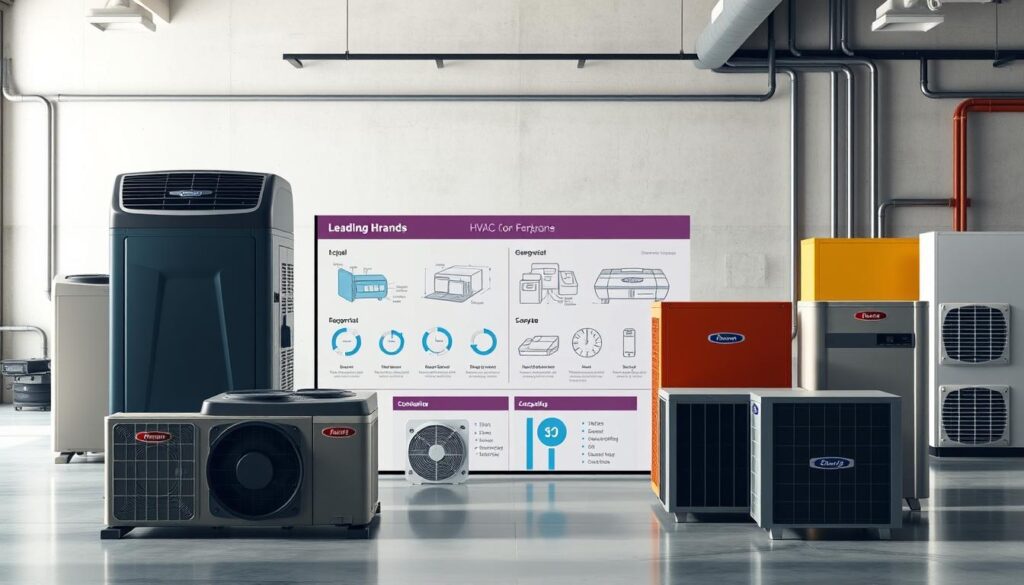
Choosing the right HVAC brand is key to your new hvac system cost. Each brand has its own features and prices. This affects your ac replacement price. Knowing these differences helps you choose wisely for your home’s comfort and your budget.
Top HVAC brands offer many options for homeowners. Each brand has its own strengths:
- Trane: Known for durability and high-performance systems
- Carrier: Offers innovative technology and energy-efficient models
- Lennox: Recognized for premium efficiency ratings
- Rheem: Provides reliable and cost-effective solutions
- Goodman: Delivers budget-friendly options with solid performance
When picking a brand, look at these important factors that affect your new hvac system cost:
| Brand | Average Price Range | Efficiency Rating |
|---|---|---|
| Trane | $5,000 – $10,000 | Up to 20 SEER |
| Carrier | $4,500 – $9,500 | Up to 21 SEER |
| Lennox | $5,500 – $11,000 | Up to 26 SEER |
| Rheem | $3,500 – $8,000 | Up to 19 SEER |
| Goodman | $3,000 – $7,000 | Up to 18 SEER |
Pro tip: Don’t just look at the initial cost. Think about long-term efficiency, warranty, and energy savings when picking your HVAC brand.
Your choice should balance upfront cost with performance, reliability, and energy savings. Talking to a professional HVAC technician can guide you. They can help you find the best system for your needs.
Labor Costs and Installation Expenses
When you’re planning to replace your HVAC, knowing the labor costs is key. Labor usually makes up about one-third of the total cost. Getting it installed by pros ensures it works well and keeps its warranty.
Professional installers are vital for your HVAC replacement. They have the skills to keep your investment safe and your system running smoothly.
Professional Installation Requirements
Certified HVAC technicians need certain qualifications:
- EPA certification for refrigerant handling
- State-specific licensing
- Manufacturer training credentials
- Minimum of 2-3 years field experience
Regional Labor Rate Variations
Labor costs for HVAC installation vary by region. Cities usually charge more than rural areas.
| Region | Average Hourly Rate | Total Installation Hours |
|---|---|---|
| Northeast | $85-$125 | 8-12 hours |
| Midwest | $65-$95 | 6-10 hours |
| Southwest | $75-$110 | 7-11 hours |
| West Coast | $90-$135 | 9-13 hours |
“Investing in professional installation protects your HVAC system’s performance and longevity.” – HVAC Industry Expert
Always ask for detailed quotes and check the technician’s credentials before you decide on your HVAC installation.
Explore Our HVAC Shop
Looking for top-rated HVAC tools, parts, and accessories? Visit our shop and find the perfect solution for your needs.
Visit the ShopEnergy Efficiency and Long-term Savings
When you think about replacing your heating and cooling system, it’s key to look at energy efficiency. Modern systems can cut down on energy use and lower your bills.
Important efficiency metrics to check include:
- SEER (Seasonal Energy Efficiency Ratio) ratings
- AFUE (Annual Fuel Utilization Efficiency) percentages
- ENERGY STAR® certification
Even though high-efficiency systems might cost more upfront, they save a lot in the long run. A system with a SEER rating of 16 or above can cut your energy costs by up to 40%.
When looking at HVAC upgrades, think about these efficiency factors:
- Annual energy cost projections
- System performance in your specific climate zone
- Potential utility rebates for high-efficiency equipment
Choosing an energy-efficient system not only helps the planet but also saves you money over time. It does this by using less energy.
Financing Options and Payment Plans
Managing your ac unit replacement budget can feel overwhelming. But, there are many financing strategies to help. These options make it easier to handle furnace replacement expenses without financial strain. Understanding your financial options helps you invest wisely in your home’s comfort and efficiency.
Loan Types for HVAC Investments
Homeowners have several choices when it comes to HVAC system financing:
- Home Equity Loans: Low-interest options using your home’s value
- Personal Loans: Quick approval with flexible terms
- Credit Card Financing: Short-term solution for smaller replacements
- FHA Title I Home Improvement Loans: Government-backed financing
Manufacturer Financing Programs
Many HVAC manufacturers offer special financing to ease ac unit replacement budget challenges. These programs often include:
- Zero-percent introductory rates
- Flexible repayment schedules
- Instant credit decisions
- Promotional periods with no interest
When looking at furnace replacement expenses, compare different financing options. Seek programs with low-interest rates, reasonable terms, and minimal upfront costs. Your local HVAC professionals can often suggest the best financing strategy for you.
Pro tip: Check your credit score before applying to secure the most favorable financing terms.
Conclusion
Figuring out the cost to replace HVAC involves looking at several factors. Your home’s size, energy goals, and budget are key. ENERGY STAR suggests replacing HVAC systems every 10 to 15 years. This is a chance to get newer, more efficient systems.
When thinking about the cost of a new HVAC system, remember it’s not just the initial price. Think about saving on energy, tax credits, and better comfort. Getting advice from pros can help you choose wisely. They ensure you balance upfront costs with long-term benefits.
Replacing your HVAC is a big step in improving your home. Do your homework on different systems and compare prices. This careful approach helps you find a system that’s both affordable and effective for your home.
In the end, a well-thought-out HVAC replacement can make your home more comfortable. It can also cut down on energy use and give you peace of mind. Rely on expert advice and thorough research to pick the best option for your home.