

Affiliate Disclosure
HVAC Guide Guys is a participant in the Amazon Services LLC Associates Program, an affiliate advertising program designed to provide a means for sites to earn advertising fees by advertising and linking to Amazon.
How Much Does HVAC Make Yearly? Ever wondered how much you could make as an HVAC technician? Your technical skills could lead to a career with great financial rewards. The HVAC technician salary scene is more varied and profitable than many think.

Understanding how much HVAC pros can earn is key in today’s job market. A recent survey by Jobber shows HVAC techs make about $49,535 a year on average. But, this is just the tip of the iceberg for this growing field.
This guide will explore HVAC technician salaries in depth. We’ll look at everything from starting salaries to the highest earnings. If you’re thinking about a career switch or want to grow in your current job, you’ll find out how much HVAC pros can make yearly.
Key Takeaways
- Average HVAC technician salary ranges from $45,000 to $75,000 annually
- Earnings vary significantly based on experience, location, and specialization
- Union membership can substantially increase your earnings
- Top HVAC pros can make over $90,000 a year
- Where you live greatly affects your salary
- Keeping your skills sharp can open up better-paying jobs
Table of Contents
Understanding the HVAC Industry Salary Landscape
The HVAC industry is growing fast, with great opportunities for skilled workers. Your salary can grow as the demand for experts increases.
Now is a great time to be in the HVAC field. There’s a high demand for skilled technicians. This means good chances for career growth and higher earnings.
Current Market Demand and Employment Opportunities
There are more HVAC jobs than people to fill them. This means great opportunities for those who want to advance in their careers.
- 96% of contractors report difficulty finding qualified technicians
- Projected job growth of 15% through 2026
- Estimated 20,000+ new HVAC positions created annually
Factors Influencing HVAC Salaries
Several things can affect how much you earn in HVAC:
- Professional Certifications
- Where you live
- Special skills you have
- How much experience you have
“The HVAC industry offers remarkable opportunities for professionals committed to continuous learning and skill development.” – HVAC Industry Research Group
Industry Growth Projections
New technologies and energy-saving needs are boosting HVAC careers. Your earning power will grow as the industry keeps improving.
Smart people see HVAC as a stable, rewarding career. It offers great long-term opportunities.
Explore Our HVAC Shop
Looking for top-rated HVAC tools, parts, and accessories? Visit our shop and find the perfect solution for your needs.
Visit the ShopAverage HVAC Technician Base Salary Nationwide
Knowing the average hvac technician salary is key for those thinking about this career. Recent data shows HVAC workers get a good pay package. This reflects the technical skills and knowledge needed in this job.
The national average salary for HVAC workers is about $49,535 a year. They make around $20.29 an hour. This salary is a good start for those in the heating, ventilation, and air conditioning field.
- Base Annual Salary: $49,535
- Hourly Rate: $20.29
- Potential for growth with experience
Your salary in the HVAC industry depends on a few things:
- Where you live
- What area of HVAC you specialize in
- Any professional certifications you have
- The size and type of company you work for
Compared to other skilled trades, HVAC technicians get a competitive salary. This salary shows the technical skills and specialized training needed in this field. The need for skilled HVAC workers is growing. This means stable job opportunities and chances for higher pay as you gain more experience.
Invest in your skills, and your HVAC career can provide a reliable and rewarding financial future.
How Much Does HVAC Make Yearly: Experience-Based Breakdown
Your salary as an HVAC professional can change a lot as you get more experience. Knowing how experience affects your pay helps you plan your career and set income goals in the HVAC field.
The HVAC industry offers great financial chances that grow with your skills and knowledge. Let’s look at how your earnings can change at different career levels.
Entry-Level HVAC Technician Earnings
At the start of your HVAC career, you can earn between $30,000 and $40,000 a year. Several things affect your starting salary, including:
- Where you live
- Your technical training
- Your initial certifications
- The demand for HVAC services in your area
Mid-Career HVAC Professional Salaries
With 5-10 years of experience, your salary can go up a lot. Mid-career HVAC technicians can make between $45,000 and $55,000 a year. This depends on your area of expertise and the local job market.
Senior HVAC Expert Compensation
Those with 15+ years of experience can earn a lot. Senior HVAC experts often make between $60,000 and $75,000 a year. They may also have chances to move into management or consulting roles.
“Your career trajectory in HVAC is directly linked to continuous learning and skill enhancement.”
Investing in ongoing education and getting advanced certifications can really help your career. Developing specialized skills can also increase your earning power in HVAC.
Explore Our HVAC Shop
Looking for top-rated HVAC tools, parts, and accessories? Visit our shop and find the perfect solution for your needs.
Visit the ShopTop-Paying States for HVAC Professionals
Location is key when it comes to HVAC job income. Some states pay HVAC pros more than others. This makes where you work very important for your career.
Alaska and Washington are the top spots for HVAC installers. They pay over $56,000 a year on average.
| State | Average Annual Salary | Ranking |
|---|---|---|
| Alaska | $68,190 | 1st |
| Washington | $63,530 | 2nd |
| Massachusetts | $60,700 | 3rd |
| New Jersey | $59,480 | 4th |
| Oregon | $57,210 | 5th |
What affects salaries include:
- Local economic conditions
- Cost of living
- Demand for HVAC services
- Regional climate requirements
States like South Carolina have lower salaries, around $40,567. Your pay can change a lot based on where you work in HVAC.
Pro tip: Think about salary and living costs when looking at jobs in different states.
HVAC Union Wages and Benefits
Joining a union can greatly change your career and pay. The United Association (UA) offers HVAC workers good wages and benefits. These are better than what most jobs offer.
Being in a union helps HVAC workers a lot. It gives them better pay and job security. Your salary can go up a lot because of union rules.
United Association (UA) Pay Scales
UA pay scales change a lot depending on where you are. Some places pay a lot more:
- Starting technicians make $25-$35 an hour
- More experienced workers can make $50-$65 an hour
- In high-demand areas, total pay can be over $100 an hour
Union Benefits Package Overview
Being in a union also means you get great benefits:
- Good health insurance
- Retirement and pension plans
- Training to keep your skills sharp
- Job security and legal help
Regional Union Wage Variations
Your pay can change a lot based on where you work. Cities and industrial areas usually pay more than rural places.
Being in a union can make you earn 20-30% more than non-union jobs.
Explore Our HVAC Shop
Looking for top-rated HVAC tools, parts, and accessories? Visit our shop and find the perfect solution for your needs.
Visit the ShopHVAC Service Manager Salary Insights

Reaching the role of service manager in the HVAC industry is a big step up. It combines technical skills with leadership, leading to good pay for those who are skilled.
HVAC service managers get a salary that shows their extra duties. They make between $65,000 and $85,000 a year. This depends on a few important things.
- Years of technical experience
- Company size and location
- Management capabilities
- Technical skills and certifications
To become a service manager, you start as a technician and work your way up. This journey can take 5-10 years of hard work in the HVAC field.
| Experience Level | Typical Salary Range | Key Responsibilities |
|---|---|---|
| Entry-Level Service Manager | $55,000 – $65,000 | Team coordination, basic dispatching |
| Mid-Level Service Manager | $70,000 – $85,000 | Operational management, customer relations |
| Senior Service Manager | $85,000 – $100,000 | Strategic planning, multi-team leadership |
Good service managers mix technical know-how with leadership skills. They manage teams, improve service flow, and keep customers happy. This affects how much they earn in the HVAC world.
“Advancing to a service manager position is not just about technical skills, but about leadership and strategic thinking.” – HVAC Industry Expert
Staying up-to-date with learning, getting advanced certifications, and showing strong management skills can really help your earnings. It also opens up better career chances.
Hourly Rates Comparison with Related Trades
Understanding how HVAC technician salary compares to other skilled trades can help you make informed career decisions. The construction and service industry offers various opportunities with competitive wages across different specialties.
When examining hvac worker compensation, it’s important to compare HVAC professionals to electricians and plumbers. Look at their hourly rates and overall earning.
Skilled Trades Wage Breakdown
Professional trades show a big difference in hourly earnings. Here’s a detailed comparison of average hourly wages:
| Trade Profession | Average Hourly Wage | Annual Equivalent |
|---|---|---|
| HVAC Technician | $20.29 | $42,200 |
| Electrician | $23.00 | $47,840 |
| Plumber | $22.64 | $47,080 |
| Carpenter | $21.15 | $44,000 |
Factors Influencing Wage Differences
- Complexity of work requirements
- Specialized training
- Regional demand
- Certification levels
HVAC technicians earn slightly less per hour than electricians and plumbers. But, the HVAC industry offers strong growth chances. Your earnings can grow with experience, skills, and more certifications.
Skill development and continuous learning are key to advancing your hvac technician salary.
Explore Our HVAC Shop
Looking for top-rated HVAC tools, parts, and accessories? Visit our shop and find the perfect solution for your needs.
Visit the ShopGeographic Salary Variations and Cost of Living Adjustments
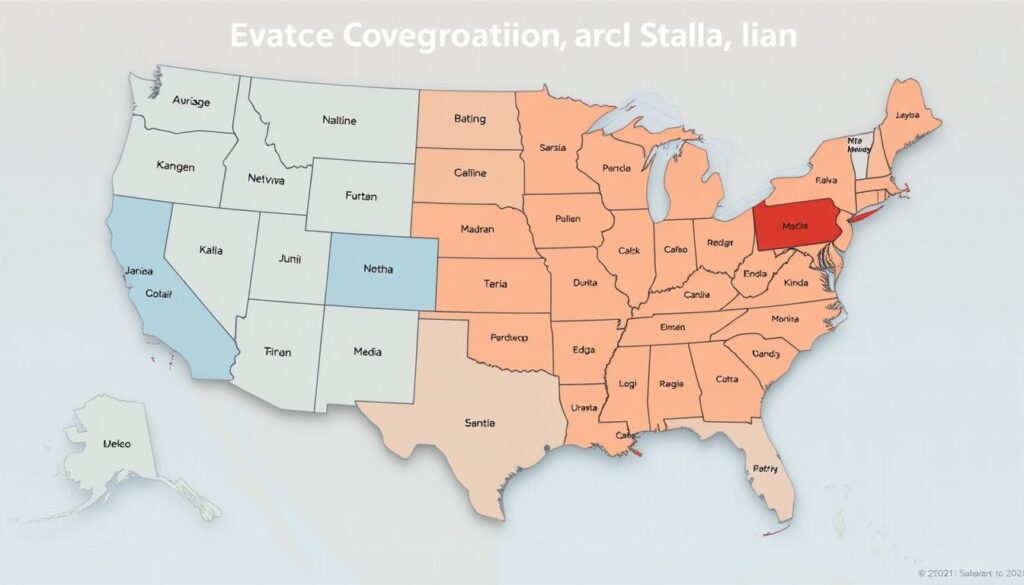
Your hvac installer income can change a lot based on where you work in the United States. The place you work in greatly affects how much you can earn and the job opportunities you have.
Different areas have their own salary levels. This is because of several important factors:
- Local economic conditions
- Industry demand
- Cost of living
- Regional infrastructure development
Places with strong construction and industrial sectors usually pay more. Cities like California, New York, and Texas offer good salaries for skilled technicians.
| Region | Average Annual Salary | Cost of Living Index |
|---|---|---|
| Northeast | $58,500 | 120 |
| Midwest | $52,300 | 95 |
| Southwest | $54,700 | 90 |
| West Coast | $62,800 | 135 |
Pro tip: Always consider the cost of living alongside raw salary numbers when evaluating job opportunities.
“Location isn’t just about money—it’s about understanding the complete economic ecosystem of your chosen profession.” – HVAC Career Insights
Your salary depends on planning your career well and knowing the local job market. Do your research, network, and stay flexible to increase your earnings in the HVAC field.
Career Advancement and Salary Growth Opportunities
Advancing in your HVAC career means planning and learning new skills. Your earnings can grow as you get more experience and knowledge. Those who keep learning see big jumps in their salary over time.
There are several ways to move up in HVAC:
- Specialized System Expertise
- Management Roles
- Technical Certification Advancement
- Entrepreneurial Opportunities
Getting technical certifications is key to earning more. Look into getting:
- EPA Section 608 Certification
- NATE (North American Technician Excellence) Certification
- HVAC System Design Specialist
- Energy Efficiency Expert Credentials
Your salary will grow as you keep learning and improving. Technicians who keep their skills sharp can see big salary boosts.
| Career Stage | Average Annual Salary | Potential Growth |
|---|---|---|
| Entry Level (0-3 years) | $36,614 | Initial Learning Phase |
| Mid-Career (4-10 years) | $48,500 | 25-35% Increase |
| Senior Level (11-17 years) | $61,101 | 40-50% Increase |
Strategic networking, continuous learning, and staying updated with emerging HVAC technologies are key to maximizing your career growth and salary.
Explore Our HVAC Shop
Looking for top-rated HVAC tools, parts, and accessories? Visit our shop and find the perfect solution for your needs.
Visit the ShopAdditional Compensation and Benefits Packages
HVAC pros can earn more than just their base salary. They get a wide range of benefits that boost their pay and job happiness.
Top HVAC companies know that good pay is more than just an hourly wage. They offer benefits that draw in the best workers and help them grow in their careers.
Health Insurance Options
Good HVAC jobs usually come with great health insurance. This includes:
- Medical coverage with many plan options
- Dental and vision insurance
- Prescription drug benefits
- Preventative care services
Retirement and Financial Planning
Planning for retirement can really increase your earnings. Common benefits include:
- 401(k) matching programs
- Pension plans for long-term workers
- Investment and financial advice
Performance-Based Compensation
| Compensation Type | Potential Earnings |
|---|---|
| Overtime Pay | 1.5x Standard Rate |
| Annual Performance Bonus | 5-15% of Base Salary |
| Referral Bonuses | $500-$2,000 per Referral |
Professional Development Opportunities
Companies are now investing in continuous learning. They offer:
- Tuition reimbursement programs
- Paid certification training
- Industry conference sponsorships
- Internal mentorship programs
By looking at these benefits, HVAC workers can choose jobs that offer both good pay now and chances for growth later.
Conclusion
The HVAC industry is a promising career path with good pay. Technician salaries vary based on experience, location, and specialty. Your earnings can grow with skills and smart career moves.
To boost your HVAC technician salary, keep learning and growing. The industry offers many ways to advance, from entry-level to senior roles. Places like California, New York, and Texas pay more, and being in a union can also increase your earnings.
There’s a growing need for skilled HVAC workers, thanks to new technologies and building needs. Your job can be both rewarding and important. You’ll help keep places comfortable and efficient for everyone.
To succeed in HVAC, stay up-to-date with trends and get specialized certifications. This way, you’ll be ready for the future. The HVAC field offers good pay and stable jobs in a changing world.