Affiliate Disclosure
HVAC Guide Guys is a participant in the Amazon Services LLC Associates Program, an affiliate advertising program designed to provide a means for sites to earn advertising fees by advertising and linking to Amazon.
What if your air conditioning system’s hidden enemy isn’t the outdoor heat, but the contamination lurking inside your refrigerant lines?
Many homeowners and technicians overlook a critical maintenance procedure that can make or break your cooling system’s performance. When debris, moisture, or acid contamination builds up in your refrigeration lines, it threatens your entire HVAC system’s health.
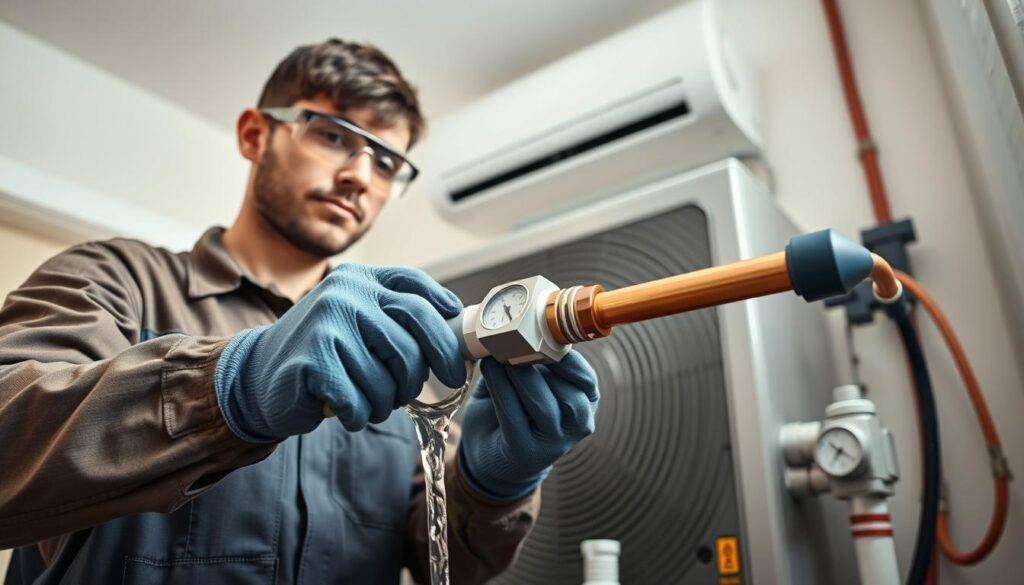
This contamination often happens after compressor failures or when switching between refrigerant types. The proper cleaning process removes harmful particles that could damage new components. It’s especially vital when replacing embedded lines isn’t practical.
Understanding this maintenance technique helps you avoid expensive equipment repairs. You’ll extend your system’s lifespan and maintain peak efficiency. Our guide walks you through the entire procedure with professional insights.
You’ll discover the right tools and safety measures for effective cleaning. This knowledge protects your investment and ensures reliable cooling performance for years to come.
Key Takeaways
- Flushing your refrigeration lines prevents contamination from spreading to new components
- This process is essential after compressor burnouts or refrigerant conversions
- Proper cleaning extends your HVAC system’s lifespan and maintains efficiency
- Flushing becomes necessary when replacing embedded lines isn’t feasible
- The right tools and safety equipment ensure effective and safe cleaning
- This maintenance procedure protects your investment from costly damage
- Professional-grade results come from following proper techniques
Table of Contents
Understanding the Importance of Flushing HVAC Line Sets
Your cooling system’s reliability depends on clean internal pathways free from corrosive substances. When contaminants accumulate, they create serious performance issues that can lead to complete equipment breakdown.
Impact of Contaminants on System Performance
Contaminants like acidic oil, moisture, and debris severely compromise your equipment. When a compressor experiences burnout, it produces highly acidic oil that circulates throughout your entire system.
This acidic substance coats interior surfaces and creates long-term problems. Residual contamination increases the frequency of subsequent burnout failures in your systems.
During refrigerant conversions, incompatible oils can form viscous sludge. Moisture accelerates acid formation and leads to corrosion of metal components.
When Flushing is Necessary: Burnouts and Conversions
This cleaning process becomes absolutely necessary after compressor burnouts. It’s especially vital when you cannot replace all conduits due to their location under concrete or inside walls.
You should also perform this maintenance during refrigerant conversions. This removes incompatible oil and contaminants that would otherwise compromise your new installation.
Understanding these contamination risks helps you recognize why proper cleaning is essential. It protects your investment and ensures reliable system operation for years to come.
Explore Our HVAC Shop
Looking for top-rated HVAC tools, parts, and accessories? Visit our shop and find the perfect solution for your needs.
Visit the ShopEssential Preparations and Safety Measures
Safety preparation is not just a precaution—it’s an essential component that determines the success of your cleaning operation. Taking the proper amount of time to set up correctly prevents potential problems and ensures efficient work.
Personal Protective Equipment and Safety Gear
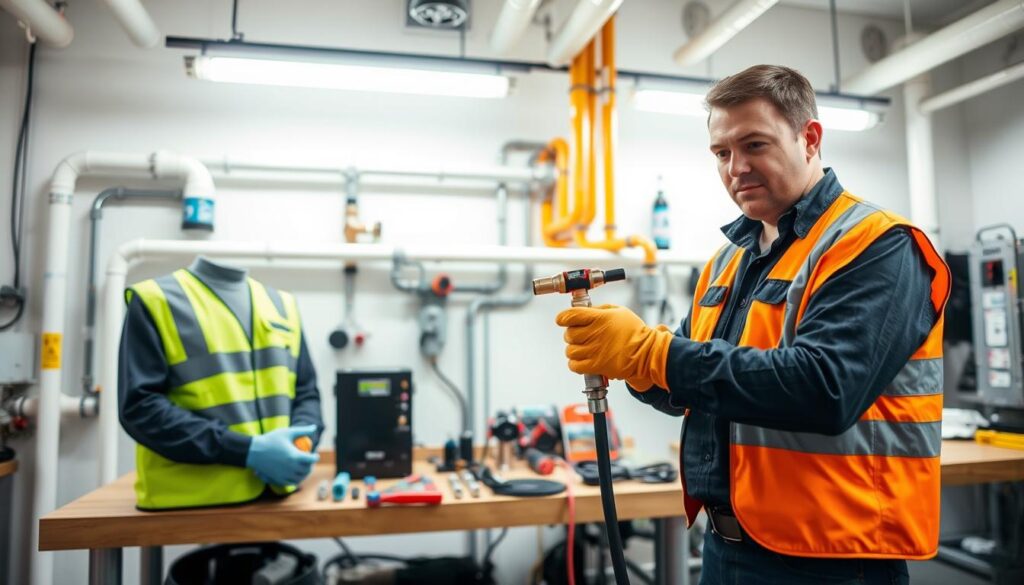
You must wear appropriate protective equipment before handling any chemical solvent. Safety glasses, protective gloves, and clothing create your first defense against exposure.
This gear minimizes contact with potentially harmful substances. Proper protection reduces health risks during the entire procedure.
Setting Up a Safe Work Environment
Always work in well-ventilated areas to prevent fume accumulation. The correct way involves flushing from inside to outside the building.
Place a bucket at the receiving end to catch used materials. This setup contains spills and simplifies cleanup.
Handling Toxic Flush Agents and Disposals
Every flushing agent contains some level of toxicity requiring careful handling. You must follow MSDS guidelines for proper usage and disposal.
Biodegradable products need disposal like used refrigeration oil. More toxic formulations may require hazardous waste management through licensed companies.
Having your can access valve ready before opening containers reduces exposure time. Proper disposal protects both your health and the environment.
Step-by-Step Process: how to flush hvac line set
A well-defined cleaning procedure transforms contaminated refrigeration lines into pristine pathways for optimal performance. This systematic approach ensures complete removal of harmful substances.
Initial Nitrogen Purge to Dislodge Debris
Begin by recovering any remaining refrigerant from your equipment. Remove components like filter-driers and expansion valves.
Connect your nitrogen supply using flare fittings. Perform an initial nitrogen purge through each section for at least five minutes. Use approximately 120 psi pressure for optimal debris removal.
This initial purge physically blows out loose contaminants and oil. Nitrogen alone cannot remove all surface contamination from your line sets.
Proper Use of Flushing Agents and Tools
After the nitrogen purge, introduce your flushing agent into the system. Use proper access valves and charging hoses for safe application.
The chemical solution dissolves residual oil, acid, and moisture. Continue until the exiting liquid runs completely clear.
Perform a final nitrogen purge at no more than 100 psig. This removes any remaining flushing agent residue. Continue for one minute after the agent stops exiting.
This progressive cleaning method ensures thorough contaminant removal. Each step builds upon the previous one for optimal results.
Explore Our HVAC Shop
Looking for top-rated HVAC tools, parts, and accessories? Visit our shop and find the perfect solution for your needs.
Visit the ShopEffective Flushing Techniques and Methods
The true measure of a successful cleaning lies not just in starting the process, but in mastering the techniques that ensure complete contaminant removal. Proper methodology maximizes efficiency and guarantees your system’s internal pathways are truly clean.
These advanced approaches help you overcome common challenges. They lead to professional-grade results.
Segmenting Long Line Sets for Better Pressure
Cleaning agents perform best under higher pressure. This force is harder to maintain over extended distances.
For pathways longer than 50 feet, consider cutting them into shorter segments. Flush each section individually before soldering them back together.
This strategy ensures strong flow and effective scrubbing action throughout the entire length. It is a highly effective way to boost cleaning power.
Restricting Openings to Boost Flush Pressure
You can further increase pressure by temporarily crimping the opposite end of the conduit. This restriction forces the cleaning solution to work harder against stubborn deposits.
The added resistance helps dislodge contaminants that might otherwise remain stuck. Oscillating the purge can also help loosen difficult particles.
Achieving a Clear Finish: When to Stop Flushing
Knowing the endpoint is critical. Never stop the procedure until the liquid exiting into your bucket runs completely clear and free of particles.
Near the end, replace a dirty bucket with a clean one. This makes it easy to see when the agent becomes transparent.
Multiple cycles producing clear discharge confirm that all residual contamination is gone. This is your signal that the job is done.
Directional flow is also important for safety and effectiveness. The following table outlines the best practices.
| Scenario | Recommended Flow Direction | Important Consideration |
|---|---|---|
| Standard Installation | Inside to Outside | Prevents contamination of living spaces. |
| Mechanical Room is Lower | Outside to Inside | Cover the area with towels to minimize splatter. |
Using these methods ensures a thorough cleaning every time. They protect your investment and maintain peak system performance.
Explore Our HVAC Shop
Looking for top-rated HVAC tools, parts, and accessories? Visit our shop and find the perfect solution for your needs.
Visit the ShopRequired Tools and Essential Accessories
Professional results begin with selecting the right tools for your specific refrigeration maintenance needs. The quality of your equipment directly impacts cleaning effectiveness and system protection.
Having the proper gear ensures thorough contaminant removal while maintaining safety standards. Your investment in quality products pays dividends through extended equipment lifespan.
Overview of Qwik System Flush® and Canisters
Technicians often refer to Qwik System Flush as “the orange can” for its distinctive packaging. This industry-leading system flush absorbs nine times more moisture than competing products.
It also removes ten times more acid, making it ideal for challenging cleaning situations. The product comes in multiple size options to match your system’s capacity requirements.
You can choose from aerosol canisters designed for different tonnage systems. The appropriate amount depends on your specific contamination level and tubing length.
Complementary Equipment: Flare Fittings, Charging Hoses, and Access Valves
Your kit requires several essential components beyond the cleaning agent itself. A quality valve assembly provides safe connection between your equipment and the supply canister.
The access valve should feature brass construction with integrated pressure relief mechanisms. This device prevents dangerous over-pressurization during application.
For optimal pressure, solder a ¼-inch flare fitting directly onto your tubing ends. This creates a secure connection point for efficient flushing agent distribution throughout the system.
| Product Option | System Capacity | Best Use Case |
|---|---|---|
| QT1100 (2-lb can) | Up to 10 tons | Large residential systems |
| QT1130 (1-lb can) | Up to 5 tons | Small to medium systems |
| QT1150 Starter Kit | Multiple applications | First-time users |
Always verify you have sufficient flushing agent before starting your project. Running out mid-process compromises results and wastes valuable time.
Troubleshooting Common Flushing Issues
Even the most careful cleaning procedure can encounter unexpected challenges that require quick diagnosis and resolution. Recognizing these issues early prevents wasted time and ensures your refrigeration system achieves optimal cleanliness.
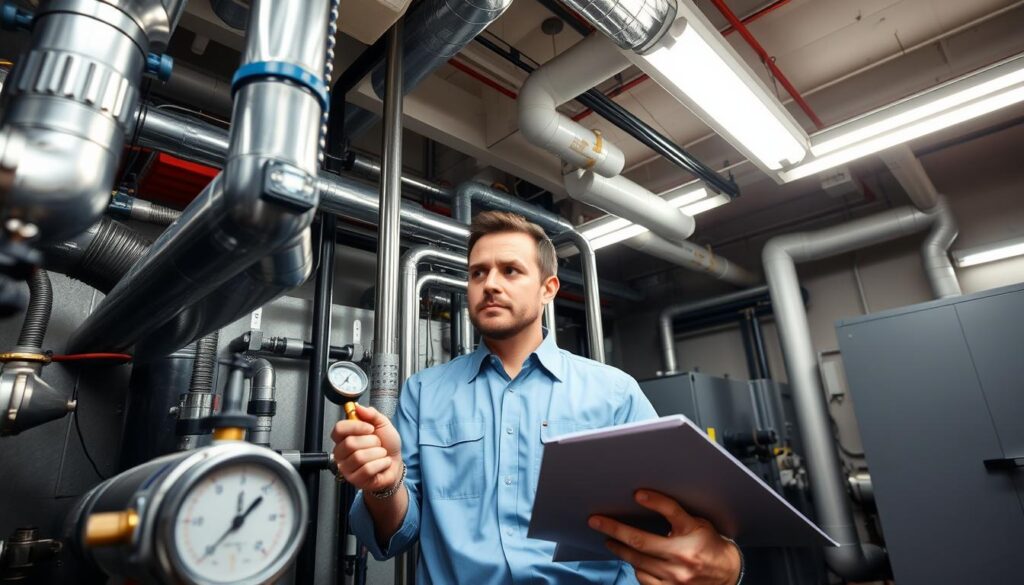
Identifying Residual Contaminants and Pressure Issues
Pressure-related problems often indicate your line segments are too long. When flow seems inadequate, consider dividing longer runs into manageable sections.
A common question involves determining if all contaminants have been removed. Acid testing provides the definitive answer about residual oil and other substances.
If your test reveals acid presence after startup, wait 30 minutes before retesting. This gives filter-driers time to capture remaining contamination.
Persistent acid detection signals the need for new filter-driers and repeated cleaning. The original procedure didn’t fully remove all problematic substances from your lines.
Another frequent question concerns interrupted cleaning sessions. Starting and stopping due to product shortage actually wastes more chemical than continuous application would require.
Exposed flushing agent absorbs atmospheric moisture, reducing effectiveness. Always complete the operation in one session with adequate supply. Following proven troubleshooting approaches helps resolve issues quickly.
Post-Flush System Checks and Maintenance Tips
Proper post-cleaning validation separates temporary fixes from genuine long-term solutions for your refrigeration equipment. These final procedures confirm your cleaning success and protect your investment.
Conducting a Final Nitrogen Purge and Acid Test
You must complete a thorough final nitrogen purge immediately after cleaning. Most solvents evaporate within 10-15 minutes, so timing is critical.
Keep pressure at or below 100 psig during this essential step. Continue purging for one additional minute after the agent stops exiting your lines.
After evacuation, install both liquid-line and suction-line filter-driers. The suction-line device captures residual acidic oil before compressor contamination occurs.
Conduct an acid test after 15 minutes of system operation. If acid appears, wait 30 minutes and retest. Persistent detection means you need new filters.
Ensuring Long-Term HVAC System Performance
Never attempt cleaning through compressors, expansion devices, or filter-driers. These components require different maintenance approaches.
During refrigerant conversions, residual mineral oil threatens new systems using POE oil. Thorough cleaning prevents incompatible oil mixing.
Lines under slabs or in walls need extra attention. Moisture condensation occurs when exposed tubing sits in cooler areas.
Document your vacuum levels and test results for future reference. This baseline data helps identify developing issues early.
For comprehensive maintenance guidance, explore our detailed guide on AC drain line maintenance to protect your entire system.
| Verification Step | Critical Parameter | Success Indicator |
|---|---|---|
| Final Nitrogen Purge | ≤100 psig pressure | Clear solvent exiting lines |
| System Evacuation | ≥500 microns vacuum | Stable vacuum reading |
| Acid Testing | 15+ minutes operation | Negative acid result |
| Filter Installation | Dual filter-drier setup | Proper flow direction |
Conclusion
Professional-grade results come from understanding both the science and art of system cleaning. You now possess comprehensive knowledge to handle this essential maintenance procedure with confidence.
Whether addressing compressor issues or refrigerant conversions, your attention to detail ensures thorough contaminant removal. The investment in quality products and proper technique pays dividends through extended equipment lifespan.
Remember that proper cleaning requires commitment at every stage—from initial preparation through final verification. There are no shortcuts that maintain system integrity and performance.
Your refrigeration equipment depends on clean pathways for optimal refrigerant flow and heat transfer. Following these methods protects both your investment and your professional reputation.
In the end, mastering this process separates experienced technicians from those who compromise quality. You’re equipped to deliver lasting results that meet the highest industry standards.