
Affiliate Disclosure
HVAC Guide Guys is a participant in the Amazon Services LLC Associates Program, an affiliate advertising program designed to provide a means for sites to earn advertising fees by advertising and linking to Amazon.
When summer temperatures soar, your air conditioning becomes essential for maintaining indoor comfort. In hot climates like Florida and Arizona, cooling systems work continuously during the hottest months. The heart of your AC unit is the compressor, a critical component that keeps cool air flowing throughout your home.
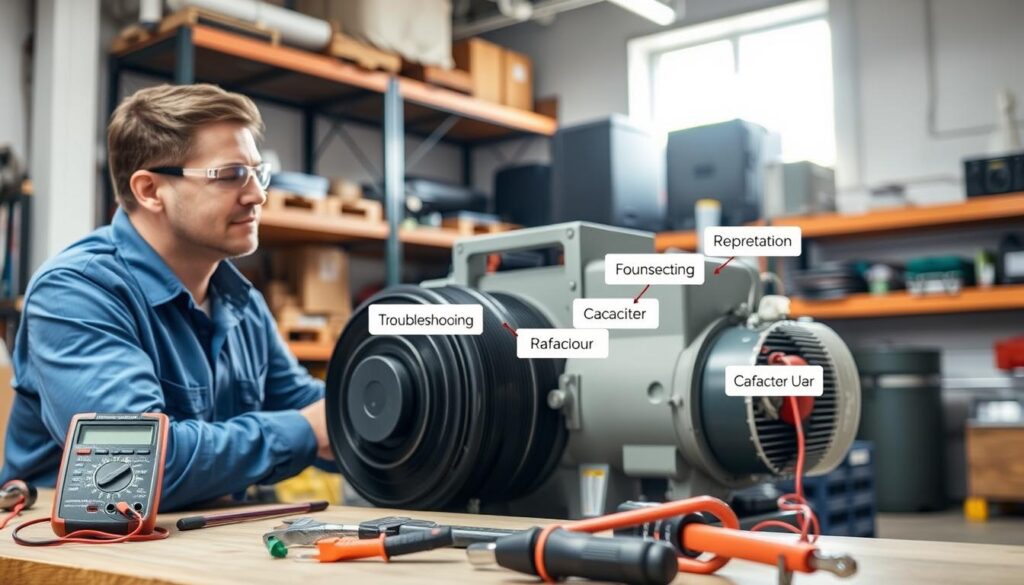
A malfunctioning compressor can leave you without the cool air you need. This can create uncomfortable living conditions. In extreme cases, it may even lead to dangerous situations like heat stroke. Understanding compressor issues early can save you significant time and money on repairs.
This comprehensive guide provides systematic approaches to diagnose and address common compressor problems. You’ll learn to identify warning signs and determine when professional help is necessary. Many homeowners can resolve basic issues themselves with proper guidance.
Key Takeaways
- Your compressor is the most critical component in your air conditioning system
- Early detection of compressor issues prevents costly repairs
- Many common problems can be diagnosed without professional assistance
- Proper maintenance extends the life of your cooling equipment
- Understanding when to call a technician saves time and money
- Systematic troubleshooting helps identify the root cause of malfunctions
- Regular system checks maintain optimal comfort levels in your home
Table of Contents
Troubleshooting Basics: Understanding Your HVAC Compressor
Understanding the fundamental role of your air conditioning’s compressor provides the foundation for effective troubleshooting. This critical component operates as the heart of your entire cooling setup.
What Does Your AC Compressor Do?
Located in the outdoor portion of your air conditioning unit, the compressor serves a vital function. Its primary job involves circulating refrigerant through the coils of both indoor and outdoor units.
This process facilitates heat exchange throughout your system. Contrary to popular belief, the compressor generates heat rather than cold air. It compresses refrigerant and applies energy to transform low-pressure gas into high-temperature gas.
Recognizing Common Signs of Failure
Several indicators suggest potential compressor problems. Your unit may fail to turn on or produce warm air instead of cool air. Unusual noises often signal internal issues.
Repeated circuit breaker trips can indicate electrical problems. In hot climates, continuous stress accelerates wear on this essential part.
Common issues include dust buildup, connector leaks, refrigerant charge drops, and faulty motors. Early detection prevents complete system failure and expensive replacements.
Explore Our HVAC Shop
Looking for top-rated HVAC tools, parts, and accessories? Visit our shop and find the perfect solution for your needs.
Visit the ShopUnderstanding Air Conditioning Components
Three essential elements work in harmony to keep your home cool during hot weather. Knowing these parts helps you diagnose issues effectively and communicate with service professionals.
Key Components: Refrigerant, Capacitor, and Circuit Breakers
Refrigerant acts as the lifeblood of your cooling setup. This substance absorbs heat from indoor air and releases it outside through compression cycles.
The capacitor serves as a critical electrical component. It stores and releases energy to start the compressor and fan motors. Capacitor failure can prevent your entire system from operating.
Circuit breakers protect your air conditioning from electrical overload. These safety devices cut power when current exceeds safe levels. They typically reside in a fuse box outside your home.
These elements work together seamlessly. The breaker supplies power to the capacitor, which energizes the compressor to circulate refrigerant.
The Role of Regular Maintenance for Optimal Performance
Regular maintenance prevents component failure and extends system lifespan. Scheduled inspections identify worn parts before they cause breakdowns.
Professional maintenance includes checking refrigerant levels and testing capacitor function. Technicians also ensure electrical connections remain secure. They clean the unit to remove dirt and debris.
Proper care helps you avoid costly emergency repairs during peak summer heat. This proactive approach keeps your cooling system running efficiently for years.
Explore Our HVAC Shop
Looking for top-rated HVAC tools, parts, and accessories? Visit our shop and find the perfect solution for your needs.
Visit the ShopStep-By-Step Troubleshooting Process for Your HVAC System
Systematic troubleshooting begins with basic electrical checks before moving to complex diagnostics. Following these logical steps helps identify whether your problem involves power supply, components, or refrigerant levels.
Checking Power Supply and Circuit Breaker Integrity
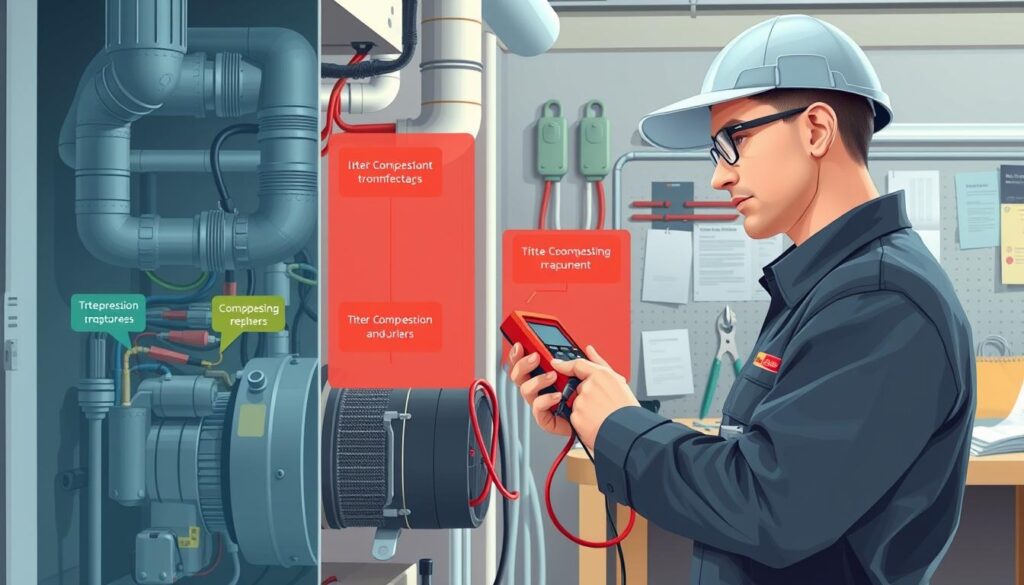
Start by confirming your air conditioning unit activates when you adjust the thermostat. Listen for the outdoor unit’s operation and check if air flows from vents.
Locate your home’s circuit breaker box, typically found on the exterior. Identify the switch controlling your cooling equipment. Look for labels like “AC” or switches positioned differently from others.
If the breaker has tripped, switch it completely off then back on. This simple reset often resolves power supply issues. Your system should receive adequate electricity after this step.
Inspecting Fuse Boxes and Terminal Connections
Air conditioning units have a separate fuse box along the power relay. Check the fuse for visible damage or burning marks. A blown fuse indicates electrical problems needing attention.
With power disconnected, inspect terminal connections inside the unit. Look for loose, corroded, or disconnected wires. Poor connections cause intermittent compressor operation and other electrical issues.
If air flows but remains room temperature, your problem may extend beyond power supply. This suggests potential refrigerant or valve complications requiring professional assessment.
How to Fix HVAC Compressor: DIY Tips and Precautions
Effective compressor maintenance begins with thorough system preparation. Safety should always be your top priority when working with cooling equipment.
Handling refrigerant requires special certification and equipment. This substance must be properly recovered before any work begins. Environmental regulations mandate professional handling.
Safely Draining Refrigerant and Preparing the Unit
After refrigerant removal, several components need attention. The receiver drier, orifice tube, and expansion valve require removal. This prepares the system for deeper work.
Flushing foreign materials ensures clean operation. Contamination can immediately damage new parts. Proper cleaning prevents future issues.
Installation follows a specific sequence. New compressors need matching components. Always replace the receiver drier and orifice tube together.
Cleaning Dirt and Debris for Improved Efficiency
Dirt accumulation causes many system failures. Particles restrict airflow and reduce cooling capacity. Regular cleaning maintains optimal performance.
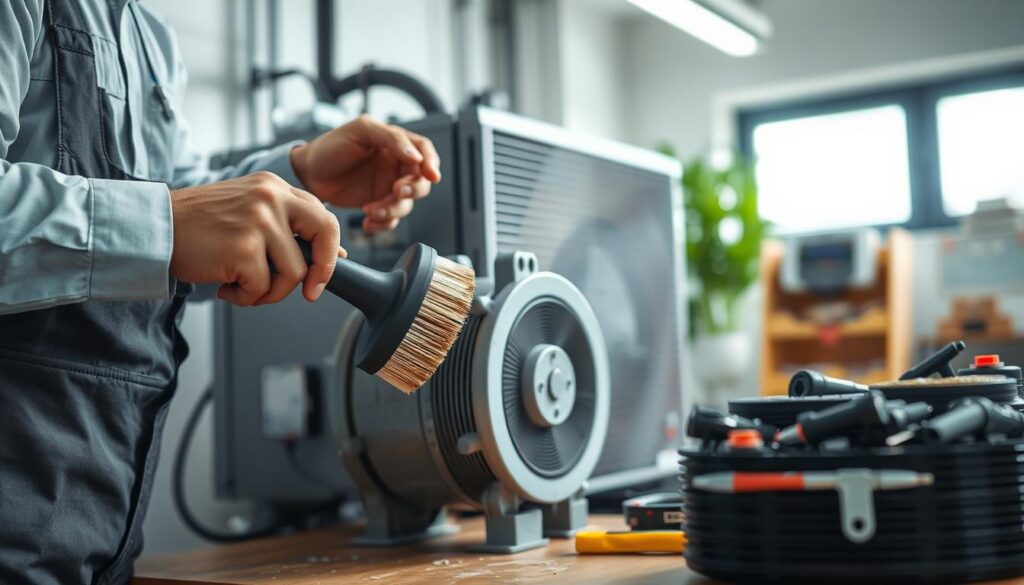
Inspect your conditioning unit for visible buildup. Check around the compressor, coils, and fan areas. Remove leaves and grass clippings from exterior surfaces.
Internal cleaning requires professional expertise. Technicians have proper tools for sensitive components. DIY efforts should focus on basic exterior maintenance.
| Task | DIY Suitable | Professional Required |
|---|---|---|
| Exterior debris removal | Yes | No |
| Refrigerant handling | No | Yes |
| Internal component cleaning | No | Yes |
| Compressor replacement | No | Yes |
Regular maintenance saves time and prevents costly repairs. For complex issues like fix compressor problems, always consult certified technicians. They ensure proper handling of refrigerants and electrical components.
Explore Our HVAC Shop
Looking for top-rated HVAC tools, parts, and accessories? Visit our shop and find the perfect solution for your needs.
Visit the ShopRecognizing When to Call a Professional HVAC Technician
Some air conditioning problems require specialized expertise that goes beyond basic homeowner troubleshooting. While you can handle many minor issues, certain symptoms indicate the need for professional service.
Identifying Severe Compressor and Component Issues
Refrigerant leaks and electrical complications demand immediate attention from certified technicians. These professionals have tools to measure current, voltage, and capacitor function accurately.
Attempting DIY solutions for major component failures can be dangerous. It may also void your system’s warranty. Technicians perform comprehensive checks to diagnose the specific problem.
They provide repair or replacement options with clear cost estimates. In some cases, compressor replacement proves more practical than repair. This is especially true for older units with significant damage.
| Situation | DIY Approach | Professional Service Needed |
|---|---|---|
| Refrigerant leak detected | Not recommended | Immediate technician call |
| Capacitor failure suspected | Basic diagnosis only | Professional testing required |
| Compressor not starting | Check power supply | Electrical system evaluation |
| Unusual noises from unit | External inspection | Internal component assessment |
Compile a list of symptoms before calling for HVAC repair. This information helps technicians diagnose issues efficiently. Professional service, while initially more expensive, often saves money long-term by preventing additional damage.
Preventative Maintenance and Safety Checks for Your Air Conditioning System
Preventative service appointments ensure your cooling system operates efficiently when you need it most. Regular care extends equipment lifespan and maintains consistent home comfort. This approach saves money by avoiding emergency repairs during peak summer months.
Routine Service Recommendations in Hot Climates
In regions with intense summer heat, your air conditioner works continuously. This constant operation puts extra stress on the system compressor. Annual professional service before the cooling season begins is essential.
For maximum protection, consider bi-annual maintenance in spring and fall. This schedule catches wear before extreme temperatures arrive. Technicians can identify issues during planned visits rather than emergency calls.
Steps to Prevent Future Compressor Failures
Professional maintenance includes several critical checks. Technicians verify refrigerant levels and test electrical components. They clean condenser coils and inspect connections for safety.
Between service visits, you can take simple steps. Keep the outdoor unit clear of debris and vegetation. Monitor your system’s performance for changes in cooling efficiency.
| Maintenance Task | Frequency | Professional Required |
|---|---|---|
| Filter replacement | Monthly | No |
| Condenser coil cleaning | Annual | Yes |
| Refrigerant level check | Annual | Yes |
| Electrical connection inspection | Annual | Yes |
Consistent maintenance ensures your conditioning system delivers reliable cool air. It also protects your family from dangerous indoor heat. Proper care significantly extends your air conditioner’s operational life.
Conclusion
Being proactive about your home’s climate control system maintenance pays dividends in reliability and cost savings. Understanding your air conditioning unit’s operation empowers you to address issues promptly. This knowledge helps maintain household comfort throughout the year.
You can successfully diagnose many common problems with basic troubleshooting steps. Checking power connections and inspecting visible components often reveals simple solutions. However, complex repairs involving electrical parts or refrigerant require professional service.
Documenting symptoms before contacting a technician saves valuable time. Preventative maintenance remains your best strategy for avoiding major system failures. Taking immediate action protects your investment and ensures reliable cool air when needed most.