Affiliate Disclosure
HVAC Guide Guys is a participant in the Amazon Services LLC Associates Program, an affiliate advertising program designed to provide a means for sites to earn advertising fees by advertising and linking to Amazon.
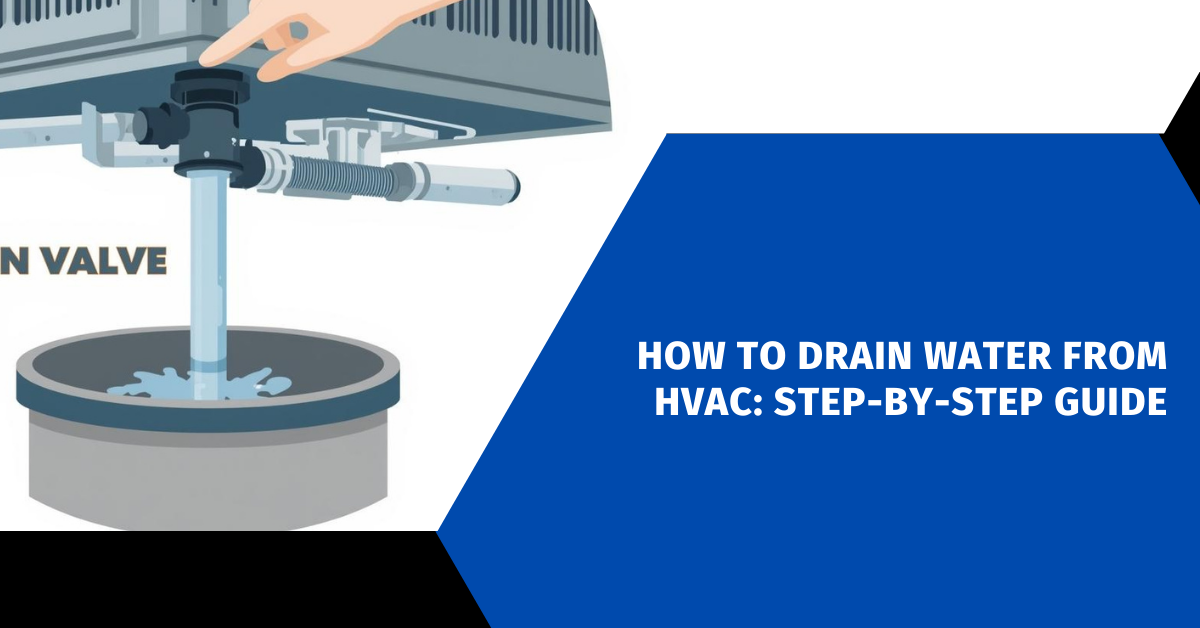
How to Drain Water from HVAC? Ever wondered what happens to the water that mysteriously builds up in your air conditioning system? Are you aware that improper drainage could lead to serious home damage?
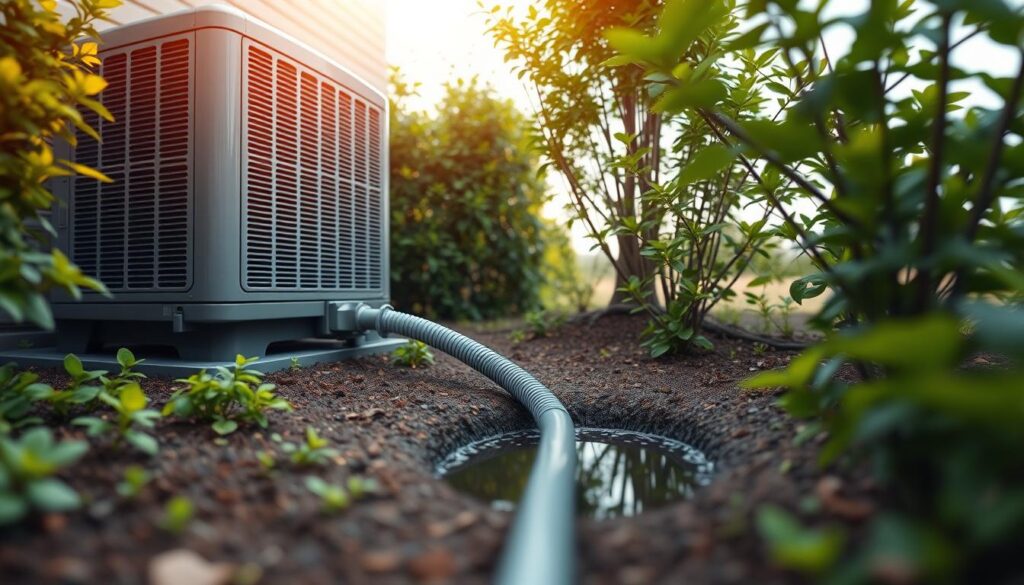
It’s important to know how to drain water from HVAC systems. This keeps your home cool and safe. When your air conditioner cools the air, it also makes moisture. If not handled right, this water can cause big problems.
Your HVAC’s water drainage system is key to avoiding damage. It stops water from causing mold and makes your system work better. Experts say you should get your system checked often to keep it running smoothly.
Key Takeaways
- Regular HVAC drainage maintenance prevents costly repairs
- Condensate buildup can cause significant home damage
- Understanding your HVAC system’s water drainage is essential
- Professional inspection can identify and fix drainage issues
- Proper drainage ensures efficient cooling system operation
Table of Contents
Understanding HVAC Condensate Formation
Air conditioning systems create condensation when cooling. It’s key to clean the ac condensate drain to keep your HVAC system running well and avoid water damage.
Condensation removal from air conditioning is a cool scientific process. Warm, humid air meets cold evaporator coils in your air conditioner. This makes water droplets form as the air cools down fast.
How Condensation Occurs in HVAC Systems
The condensation process has a few main steps:
- Warm air enters the HVAC system
- Air passes over cold evaporator coils
- Moisture in the air condenses into water droplets
- Water collects in the drain pan
Types of Condensate Collection Systems
Different HVAC systems use different ways to handle condensate:
| Collection System | Primary Use | Typical Application |
|---|---|---|
| Gravity Drain | Natural water flow | Residential units |
| Condensate Pump | Upward drainage | Basement or low-level installations |
| Overflow Pan | Backup water collection | Preventing water damage |
Normal Condensate Production Rates
Your air conditioning system’s condensate production depends on several factors:
- Humidity levels
- System size
- Operating duration
- Indoor temperature
Residential AC units usually produce 5-20 gallons of condensate daily in peak cooling seasons. Regular ac condensate drain cleaning is important. It ensures water is removed smoothly and prevents system problems.
Common Causes of HVAC Water Buildup
Water buildup in your HVAC system can come from several key issues. These problems can hurt its efficiency and performance. Knowing these common causes is key to fixing air conditioner water leaks and avoiding damage to your home.
- Clogged Drain Lines: Dirt, dust, and debris can block your HVAC drain line, stopping water from draining properly
- Damaged Drain Pans: If your drain pans are cracked or not aligned right, water can leak instead of being directed away
- Condensate Pump Failures: When pumps don’t work right, they can’t remove water from your system efficiently
To tackle clogged hvac drain line problems, spotting warning signs early is important. Signs of water buildup include:
- Water puddles around your HVAC unit
- Musty odors near the system
- Unusual sounds during operation
- Reduced cooling efficiency
“Regular maintenance is the key to preventing water buildup and protecting your HVAC system’s longevity.” – HVAC Maintenance Experts
Some systems are more likely to have water buildup due to:
| Cause | Potential Impact |
|---|---|
| High Humidity | More condensation and water production |
| Poor Installation | Bad drainage slope and alignment |
| Age of System | Old parts that don’t drain well |
Proactive maintenance and quick action to water buildup can save you from expensive repairs and the need for a new system.
Explore Our HVAC Shop
Looking for top-rated HVAC tools, parts, and accessories? Visit our shop and find the perfect solution for your needs.
Visit the ShopEssential Tools and Safety Precautions
Getting ready for DIY HVAC drain maintenance needs careful planning. It’s important to prevent water damage from air conditioners. Safety is key when working with HVAC systems. The right precautions help you do the job well and stay safe.
Required Tools and Materials
Before you start, make sure you have these tools:
- Wet/dry vacuum cleaner
- Pipe cleaner or drain snake
- Bucket or large container
- Protective cleaning solutions
- Flashlight
- Wrench set
Safety Measures Before Starting
Keeping yourself safe is vital during DIY HVAC drain maintenance. Follow these important steps:
- Shut off power completely at the circuit breaker
- Disconnect the HVAC unit from electrical sources
- Wait 15-20 minutes to ensure no residual electrical charge
- Verify the unit is completely powered down
Personal Protective Equipment
Wearing the right gear is key to avoiding injuries and health risks:
- Safety goggles to protect eyes from debris
- Waterproof work gloves
- Long-sleeved shirt and pants
- Non-slip closed-toe shoes
- Dust mask or respirator
Professional tip: Always prioritize your safety over rushing through maintenance tasks.
How to Drain Water from HVAC
Draining water from your HVAC system is key to keeping it running well. It also helps avoid water damage. Knowing how to do this can save you from expensive fixes and sudden system failures.
Before you start draining water, make sure to follow these important steps:
- Turn off the power to your air conditioning system at the circuit breaker
- Locate the indoor AC unit and condensate drain line
- Inspect the area around the unit for any water accumulation
To clear any blockages in the condensate line, you’ll need some basic tools:
- Wet/dry vacuum
- Cleaning solution or bleach
- Protective gloves
- Clean rags or towels
Begin by removing standing water from the drain pan with a wet/dry vacuum. Be careful not to damage the internal parts. Then, find the condensate drain line and attach the vacuum to remove any clogs.
To really clean out the line, mix water with bleach. Pour this solution slowly through the drain line to get rid of algae or mold. Use a funnel to guide the solution and avoid spills.
After cleaning, turn on your HVAC system for 15-20 minutes to check if it’s draining right. Look at the drain pan and the area around it for any water or leaks.
Locating and Accessing the Drain Pan
It’s important to know where your HVAC drain pan is and how to get to it. This helps keep your system running well and stops water damage. The drain pan catches the water from your air conditioner, so it’s key to check and care for it right.
When you’re setting up a new hvac condensate pump or fixing a clogged drain line, finding the drain pan is the first step. HVAC systems usually have two main places for the drain pan:
- Primary drain pan: Right under the evaporator coils
- Secondary drain pan: Below the primary one, for extra safety
Primary Drain Pan Examination
The primary drain pan is inside the indoor unit, right under the evaporator coils. To get to it, you need to:
- Turn off the HVAC system’s power
- Take off the access panel carefully
- Look for standing water or damage on the pan
Secondary Drain Pan Considerations
The secondary drain pan helps protect against water overflow. Check this pan for any signs of water accumulation or possible leaks, which could mean a bigger drainage problem.
Pro Tip: Regularly checking both drain pans can stop expensive water damage and make your HVAC system last longer.
Accessing Internal Components
When you’re working on the inside parts for hvac condensate pump installation, safety comes first. Wear protective gear and make sure you have the right tools before you start any maintenance or repairs.
Explore Our HVAC Shop
Looking for top-rated HVAC tools, parts, and accessories? Visit our shop and find the perfect solution for your needs.
Visit the ShopCleaning and Maintaining Condensate Lines
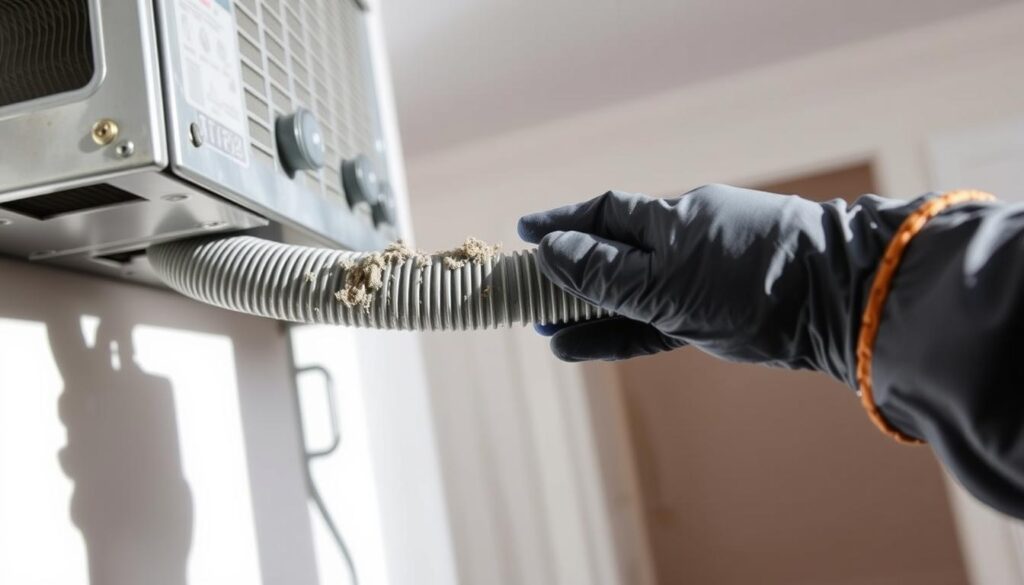
Your HVAC system’s condensate lines need regular care to avoid water damage and inefficiency. Cleaning the AC condensate drain is key to keeping your system working well. It also helps prevent expensive repairs.
- Bacterial and fungal growth
- Dust and debris accumulation
- Outdoor line obstructions
- Mineral deposits
To clear condensate line blockage, you’ll need some essential tools:
- Wet/dry vacuum
- Vinegar or bleach solution
- Flexible cleaning brush
- Protective gloves
“Regular maintenance prevents 80% of possible HVAC drainage issues.”
When cleaning the ac condensate drain, follow these steps:
- Shut off your HVAC system
- Locate the condensate drain line
- Remove the access cap
- Use a wet/dry vacuum to remove initial blockages
- Flush the line with a vinegar solution
Professional HVAC technicians suggest cleaning your condensate lines at least twice a year. This helps prevent water damage and keeps your system running efficiently.
Installing and Maintaining Condensate Pumps
Condensate pumps are key in your HVAC system, removing water when gravity can’t. They need careful installation to avoid damage and keep systems running well.
Pump Selection Guidelines
Choosing the right condensate pump is important. Look at several factors:
- Pump capacity and maximum lift height
- Compatibility with your HVAC system
- Electrical requirements
- Brand reputation and warranty
Installation Best Practices
Follow these steps for proper installation:
- Ensure proper electrical connections
- Position the pump at the lowest point of your drainage system
- Check for level installation
- Verify secure pipe connections
Regular Maintenance Schedule
Keep your system running smoothly with regular maintenance:
| Maintenance Task | Frequency | Purpose |
|---|---|---|
| Clean pump reservoir | Every 3-6 months | Prevent algae and debris buildup |
| Check float switch | Quarterly | Ensure proper pump activation |
| Inspect drain lines | Annually | Clear possible blockages |
Pro tip: Always check your manufacturer’s guidelines for specific maintenance advice for your pump model.
Explore Our HVAC Shop
Looking for top-rated HVAC tools, parts, and accessories? Visit our shop and find the perfect solution for your needs.
Visit the ShopPreventing Future Water Drainage Issues
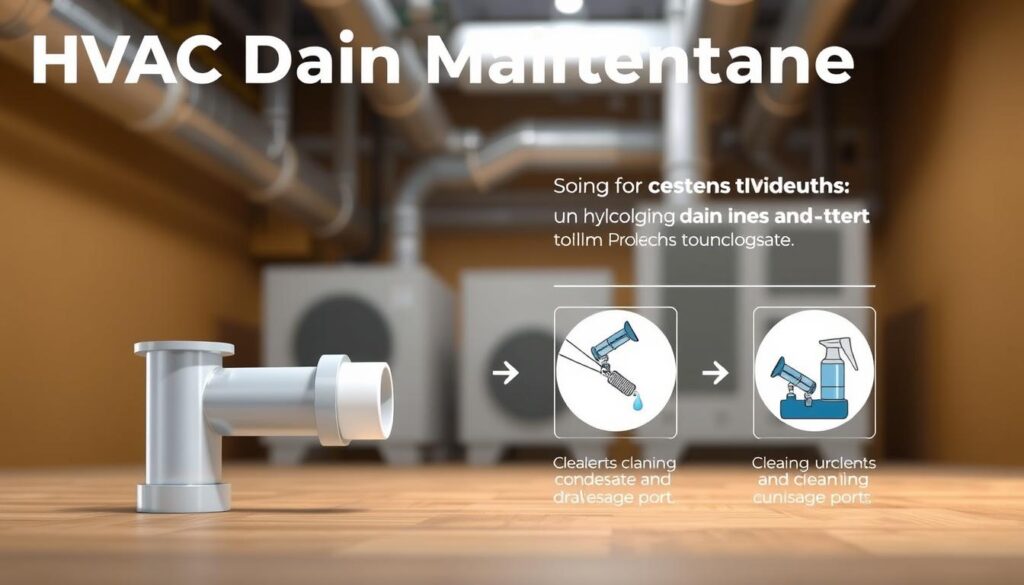
Stopping air conditioner water damage starts with regular maintenance. Keeping an eye on your HVAC system is key. Doing DIY hvac drain maintenance can lower the chance of costly water problems at home.
To keep your system in top shape, try these steps:
- Check and replace filters every three months
- Regularly clean around your HVAC unit
- Look for blockages in condensate drain lines
- Use white vinegar to stop algae and mold
Don’t forget to add these to your yearly maintenance routine. Pouring white vinegar down the drain line every few months can help. It keeps your drainage system free from bacteria and algae, preventing water damage.
But, don’t skip the professional checks. Get a pro to inspect your HVAC system yearly. They can spot problems early, avoiding big water drainage issues.
“An ounce of prevention is worth a pound of cure” – that’s true for HVAC maintenance!
By taking these steps, you’ll keep your HVAC system running well. You’ll also save money on repairs and extend your system’s life.
Conclusion
Keeping your HVAC system’s drainage right is key to avoiding water leaks and keeping it working well. Knowing how to drain water from your HVAC helps protect your home from water damage and expensive fixes. Regular checks and upkeep are essential for a smooth-running air conditioning unit.
Fixing air conditioner water leaks doesn’t have to be hard. This guide gives you the tools to manage your system’s health. You can spot and fix common water problems in your HVAC system.
But, some big problems might need a pro’s help. If you keep getting water buildup or are unsure about fixing it, get a certified HVAC tech. They can ensure your system lasts longer and works better.
Using these tips can prevent water damage, boost your HVAC’s performance, and save you money. Stay alert, do regular checks, and your air conditioning will keep cooling your home for years.