
Affiliate Disclosure
HVAC Guide Guys is a participant in the Amazon Services LLC Associates Program, an affiliate advertising program designed to provide a means for sites to earn advertising fees by advertising and linking to Amazon.
How to Determine HVAC Air Flow Direction? Do you know how air flow direction in your HVAC system affects its performance and your home’s comfort? It’s key to know how to check this to keep your system running well and your air clean.
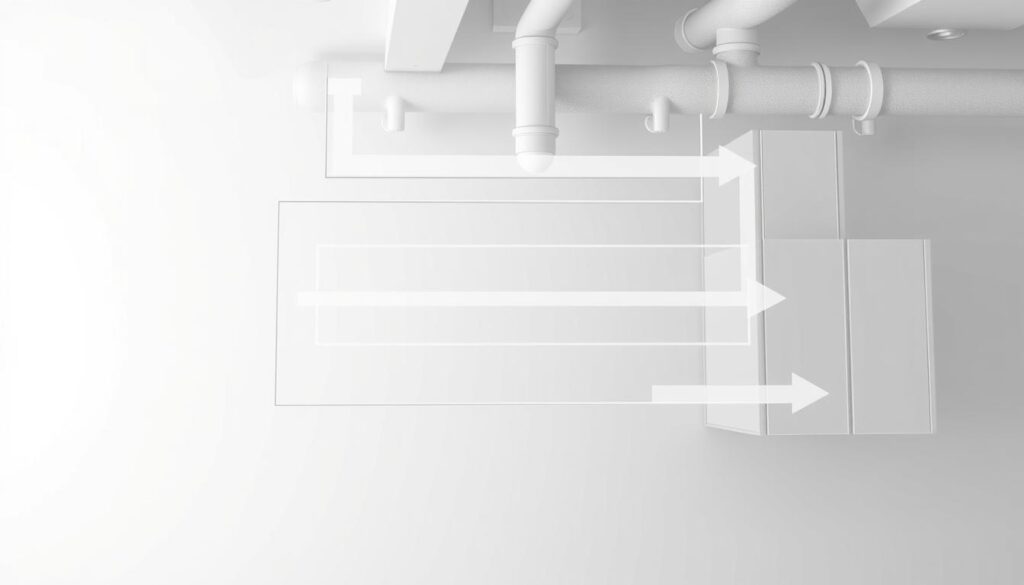
Every HVAC system has its own air flow pattern. This pattern affects how well it heats, cools, and moves air in your home. Checking air flow in an HVAC system is important. It helps keep your home comfy and saves energy.
If you live in a home or work in HVAC maintenance, knowing about air flow direction is vital. It helps you spot problems, make your system better, and maybe even cut down on energy bills. This guide will show you how to find and understand your HVAC system’s air flow.
Key Takeaways
- Air flow direction is critical for HVAC system performance
- Different HVAC systems have unique airflow patterns
- Proper air flow measurement can improve energy efficiency
- Visual inspection is one method to determine air flow direction
- Professional testing provides the most accurate results
Table of Contents
Understanding Basic HVAC Airflow Principles
HVAC systems are complex networks that manage indoor air quality and temperature. It’s important to know how air moves through these systems. This knowledge helps keep your HVAC system running well.
Air moves through an HVAC system in a specific way. It starts with air intake and ends with air being distributed throughout your home.
How Air Circulation Works in HVAC Systems
The air circulation process has several stages:
- Air is drawn into the system through return ducts
- Filters remove dust and contaminants
- The blower moves air through the system
- Temperature is adjusted via heat exchanger or cooling coils
- Conditioned air is distributed through supply vents
The Role of Return and Supply Ducts
HVAC ductwork airflow testing shows how well your system works. Return ducts pull air back to the system. Supply ducts push conditioned air into your home.
| Duct Type | Primary Function | Key Characteristics |
|---|---|---|
| Return Ducts | Collect indoor air | Larger diameter, lower air velocity |
| Supply Ducts | Distribute conditioned air | Smaller diameter, higher air velocity |
Impact of Proper Airflow on System Efficiency
Proper airflow is critical for your HVAC system’s performance. Bad airflow can cause:
- Increased energy consumption
- Reduced cooling and heating effectiveness
- Potential system damage
- Uneven temperature distribution
Regular residential air flow testing finds problems early. This keeps your HVAC system running smoothly and efficiently.
Explore Our HVAC Shop
Looking for top-rated HVAC tools, parts, and accessories? Visit our shop and find the perfect solution for your needs.
Visit the ShopThe Three Main Types of HVAC Airflow Patterns
Knowing about HVAC system air direction indicators is key for homeowners. It helps ensure your heating and cooling work well. Your HVAC system uses certain airflow patterns to move air through your home.
HVAC systems have three main airflow patterns. These patterns affect your home’s temperature and comfort:
- Upflow Systems: Air moves from bottom to top
- Downflow Systems: Air travels from top to bottom
- Horizontal Flow Systems: Air moves horizontally across the space
Homeowners can use airflow verification techniques to find out their system’s pattern. Each pattern fits different home designs, helping manage temperatures efficiently.
Choosing an airflow pattern depends on several things:
- Home layout and available installation space
- Basement or attic configuration
- Existing ductwork design
- Regional climate considerations
Understanding your HVAC system’s airflow direction is important. It helps with maintenance, troubleshooting, and efficiency. HVAC technicians can guide you to the best airflow pattern for your home.
Explore Our HVAC Shop
Looking for top-rated HVAC tools, parts, and accessories? Visit our shop and find the perfect solution for your needs.
Visit the ShopUpflow Systems: Understanding Bottom-to-Top Airflow
Upflow HVAC systems are key in home heating and ventilation. They pull cool air from the bottom and push warm air up. This uses natural heat movement.
In homes, upflow systems stand out. They work well in places like basements or ground-level areas. This is because they can control air flow effectively.
Ideal Installation Locations
Upflow units fit best in certain homes:
- Basement installations
- Ground floor mechanical rooms
- Utility spaces with enough vertical space
- Homes with crawl spaces
Benefits and Limitations
These systems have big pluses:
- Natural heat rise efficiency
- Compact vertical design
- Works well in multi-story homes
But, they might need more space. Also, energy use can change based on your home’s layout.
Efficiency Considerations
To get the most from your upflow system, try these tips:
- Keep filters clean
- Insulate ductwork well
- Get annual checks from pros
- Make sure air flows evenly
Knowing your home’s air flow helps choose and care for the right HVAC system.
Downflow Systems: Top-to-Bottom Air Movement
Downflow HVAC systems are different from the usual heating and cooling methods. They pull air from the top and push it down. This makes them great for homes where upflow systems don’t work well.
Checking air movement in ducts is harder with downflow systems. They force warm air down, which can lower system efficiency. People often put downflow units in:
- Attic spaces
- Second-floor mechanical rooms
- Elevated home configurations
Testing the airflow in HVAC ductwork is key for downflow systems. The air moves from top to bottom. This needs careful design and setup to keep your home at a good temperature.
| Characteristic | Downflow System Details |
|---|---|
| Air Intake Location | Top of the unit |
| Air Discharge Direction | Downward |
| Typical Installation | Attics, Second-floor Spaces |
| Efficiency Consideration | Less Efficient than Upflow Systems |
Even though downflow systems might not be as efficient as upflow ones, they’re vital for homes with special designs. Keeping them well-maintained and getting them tested by experts can help them work better. This ensures your home stays cozy.
Explore Our HVAC Shop
Looking for top-rated HVAC tools, parts, and accessories? Visit our shop and find the perfect solution for your needs.
Visit the ShopHow to Determine HVAC Air Flow Direction
It’s important to know how to check your HVAC air flow direction. This ensures your system works well. You can measure air flow in your HVAC system with simple steps.
There are many ways to figure out your HVAC system’s air flow direction. You can do simple checks or get help from professionals.
Visual Inspection Strategies
First, look at your HVAC system’s parts to see where the air flows. Look for these signs:
- Arrows on the furnace or air handler
- How the ductwork is connected
- Where the furnace is compared to vents
System Documentation Review
Next, check the documents from the manufacturer. They have the best info:
- The user manual
- The manufacturer’s website
- A sticker on the unit
- Info from the serial number
Professional Testing Techniques
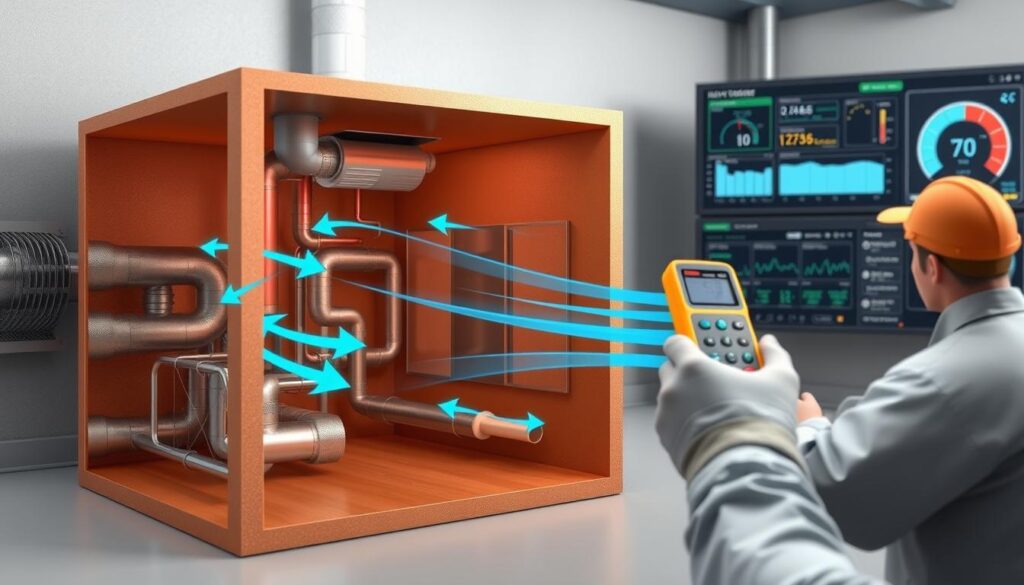
For the most accurate results, use professional methods:
- Smoke pencil tests to see air movement
- Anemometer to measure air speed
- Pressure tests
If you’re unsure, an HVAC expert can give you the right answers.
Horizontal Flow Systems and Their Applications
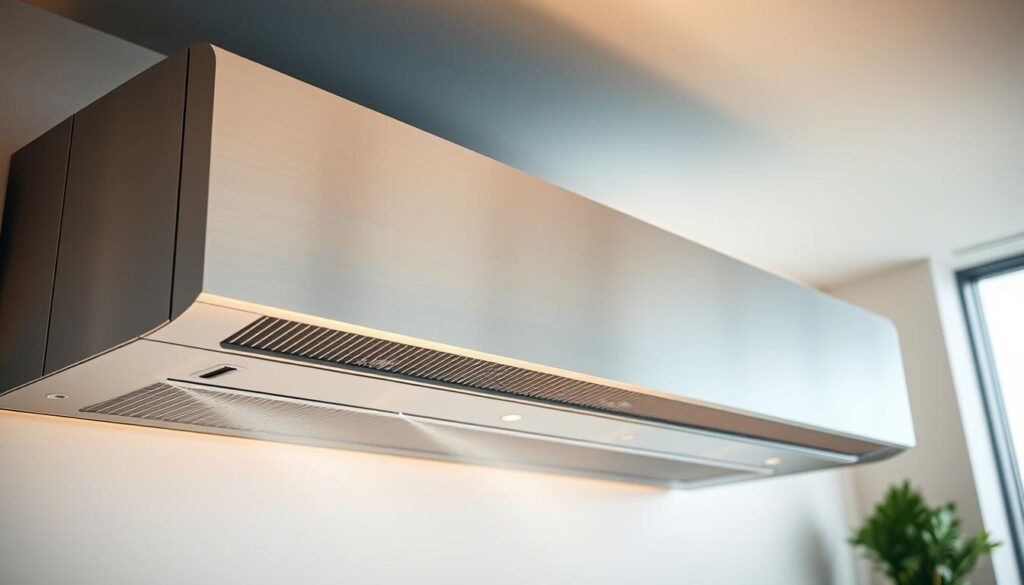
Residential air flow testing shows that horizontal flow HVAC systems are great for small spaces. They are laid flat, perfect for attics, crawl spaces, and low ceilings. Traditional upright furnaces can’t fit in these areas.
When you test air flow in homes, you’ll find some key traits of horizontal systems:
- Compact design ideal for limited spaces
- Flexible installation options
- Multiple airflow configurations
HVAC system air direction indicators are key to understanding these systems. They usually come in three main types:
| System Type | Airflow Direction | Typical Installation Location |
|---|---|---|
| Horizontal Left | Left-to-Right | Tight crawl spaces |
| Horizontal Right | Right-to-Left | Narrow attic spaces |
| Multipoise | Adaptable | Versatile residential settings |
The multipoise system is the most flexible. It fits well in many home layouts and designs.
Knowing your home’s needs is key to choosing the right HVAC system. A professional check ensures it works well and saves energy.
Air Filter Placement and Flow Direction Indicators
Knowing where to place air filters is key to keeping your HVAC system running well. The right filter installation is essential for good airflow and ventilation. It helps your system work at its best.
Reading Airflow Arrows on Filters
Every air filter has arrows that show how to install it correctly. These arrows are important for the air to flow right through your HVAC system. Make sure the arrow points toward the blower unit in your furnace when you install it.
- Look for printed arrows on the filter’s frame
- Ensure the arrow points toward the equipment’s interior
- Check the filter’s orientation before final installation
Common Filter Installation Mistakes
Many people don’t install filters right, which can hurt their HVAC system’s performance. Putting filters in the wrong way can make your system less efficient. It might even damage important parts.
- Installing filters backwards
- Using incorrect filter sizes
- Neglecting regular filter replacement
Maintenance Best Practices
Regular maintenance is important for your HVAC system’s airflow. Check and replace filters every 90 days or as the maker suggests.
Choose filters that fit your system and air quality needs. Higher MERV-rated filters catch more dust but might block airflow if not right for your system.
Explore Our HVAC Shop
Looking for top-rated HVAC tools, parts, and accessories? Visit our shop and find the perfect solution for your needs.
Visit the ShopTroubleshooting Common Airflow Issues
HVAC systems need good air flow through return and supply ducts. Finding out if air is moving in ducts can help fix problems early. This stops big system failures.
Many homeowners face airflow problems that affect comfort and efficiency:
- Weak airflow from vents
- Uneven heating or cooling
- Unusual system noises
- Increased energy consumption
To find out if return or supply flow is the issue, follow these steps:
- Check and replace air filters monthly
- Inspect all vents for blockages
- Look for visible ductwork leaks
- Verify thermostat functionality
| Issue | Potential Cause | Recommended Action |
|---|---|---|
| Weak Airflow | Clogged Filter | Replace filter immediately |
| Uneven Temperature | Blocked Vents | Clear furniture and obstructions |
| Strange Noises | Ductwork Damage | Inspect for leaks or holes |
Warning signs needing a pro include ongoing airflow issues, big temperature swings, or odd noises. If simple fixes don’t work, call a certified HVAC tech for a detailed check.
Conclusion
Knowing how to figure out HVAC air flow direction is key for your home’s comfort and efficiency. Testing air flow in your home can spot problems early. This way, you can keep your heating and cooling system running well.
There are many ways to check air flow direction, from simple checks to detailed tests. You can look at filter arrows, system documents, or the unit’s setup. Each method gives you important info about how your HVAC system works. Remember, good air flow is vital for your system’s best performance and energy use.
Regular care and knowing your system’s air flow can bring big benefits. You might make your HVAC last longer, improve air quality, and save on energy. Some checks are easy for homeowners to do. But, for complex tests or doubts, it’s best to call a pro HVAC tech.
By using what you learned here, you’re taking a big step as a homeowner. Your effort to understand HVAC air flow can lead to more comfort, lower bills, and a more efficient home system.