

Affiliate Disclosure
HVAC Guide Guys is a participant in the Amazon Services LLC Associates Program, an affiliate advertising program designed to provide a means for sites to earn advertising fees by advertising and linking to Amazon.
What Do You Mean By HVAC? Ever thought about how your home stays just right, no matter the season? The HVAC system is more than just heating and cooling. It’s the secret to your comfort indoors.
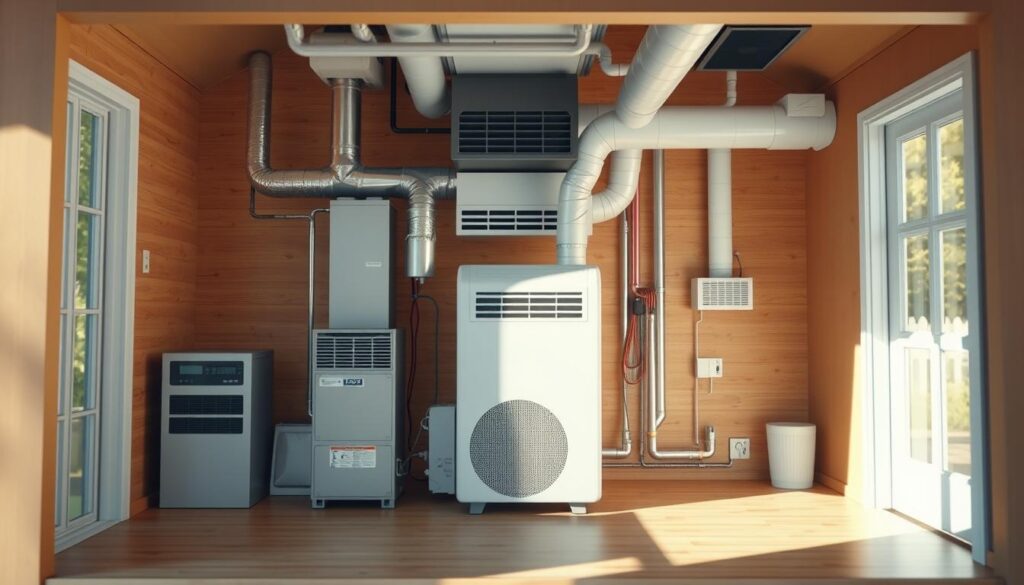
So, what is HVAC? It’s short for Heating, Ventilation, and Air Conditioning. It’s a system that makes your home perfect for living. These systems work quietly, controlling temperature, humidity, and air quality with great accuracy.
Today’s homes need HVAC systems to stay comfortable all year. They turn hot summer rooms into cozy winter spots. Knowing how these systems work helps homeowners control their home’s climate better.
Key Takeaways
- HVAC manages temperature, humidity, and air quality
- Systems include heating, cooling, and ventilation components
- Proper maintenance ensures optimal home comfort
- Energy efficiency is a critical aspect of modern HVAC design
- Technology continues to improve HVAC system performance
Table of Contents
Understanding HVAC: Definition and Core Functions
When you hear “heating ventilation and air conditioning,” you might wonder what it means. HVAC is more than just controlling temperature. It’s about creating the perfect indoor environment for living and working.
Modern buildings need HVAC systems to stay healthy and comfy. These systems do more than just keep the temperature right.
Breaking Down the HVAC Acronym
Let’s look at what makes up HVAC:
- Heating: Makes it warm when it’s cold outside
- Ventilation: Brings in fresh air and gets rid of old air
- Air Conditioning: Keeps the air cool and dry
The Role of HVAC in Modern Buildings
HVAC systems are key for:
- Keeping the temperature just right
- Keeping the air clean and moving
- Managing humidity
- Helping people stay healthy and productive
Primary Functions of HVAC Systems
Your HVAC system does a few important things:
“HVAC is not just about temperature—it’s about creating a living environment that supports human comfort and well-being.”
- Controlling the temperature
- Cleaning the air
- Managing humidity
- Handling ventilation
Understanding these functions shows the amazing engineering behind HVAC. It keeps our indoor spaces comfortable and healthy.
What Do You Mean By HVAC: A Comprehensive Overview
Knowing about HVAC systems is key to a cozy home. HVAC means Heating, Ventilation, and Air Conditioning. It’s a system that controls your home’s climate all year.
Think of HVAC as your home’s air and temperature manager. It has many parts working together. They handle air quality, temperature, and humidity inside your home.
- Heating elements warm your space during cold months
- Cooling systems reduce temperatures in summer
- Ventilation ensures fresh air circulation
Understanding HVAC systems is about seeing their complex design. Today’s HVAC tech is advanced. It includes smart controls and saves energy, making your home more comfortable and eco-friendly.
| HVAC Component | Primary Function | Energy Efficiency |
|---|---|---|
| Furnace | Heating | Medium |
| Air Conditioner | Cooling | High |
| Ventilation System | Air Circulation | High |
Your HVAC system is a big investment in your home’s comfort. Knowing its basics helps you make smart choices about upkeep, upgrades, and saving energy.
Explore Our HVAC Shop
Looking for top-rated HVAC tools, parts, and accessories? Visit our shop and find the perfect solution for your needs.
Visit the ShopEssential Components of an HVAC System
Knowing the basic parts of an HVAC system is key for homeowners. It helps keep your home comfortable. Your HVAC system has many parts working together. They control temperature, humidity, and air quality.
The core of your HVAC system includes important parts for climate control:
- Air Handling Units and Blowers
- They move conditioned air around your home.
- They manage airflow and distribution.
- They are vital for keeping a steady temperature.
Heating and Cooling Elements
Your HVAC system has special parts for heating and cooling:
- Compressor: Pressurizes refrigerant.
- Condenser coils: Release heat from refrigerant.
- Evaporator coils: Absorb indoor heat.
- Heat exchanger: Transfers thermal energy.
Distribution Networks
Ductwork and vents are key for delivering conditioned air. They make sure every room gets the right temperature and air.
A well-designed HVAC system balances efficiency, comfort, and energy consumption.
Understanding these basic components helps you take care of your HVAC system. It ensures it works well for many years.
The Three Main Types of HVAC Distribution Systems
Knowing about HVAC systems means understanding how heat and cool air spread in your home. When you dive into residential HVAC, you’ll find three main ways to control your home’s climate.
These three systems each have their own benefits for keeping your home comfortable:
- Forced-Air Systems: The most common modern approach
- Gravity Systems: Traditional heat distribution method
- Radiant Systems: Advanced comfort technology
Forced-air systems are the most popular in homes today. They use ducts and fans to move air around. This method is fast and efficient, changing temperatures quickly and keeping air moving.
Gravity systems work on the principle of air movement. Warm air goes up, and cool air goes down. Though not as efficient as newer systems, they’re found in older homes. Knowing about these systems helps you understand older home designs.
Radiant systems heat your home through floors, walls, or ceilings. They offer steady warmth without moving air. This makes them great for those who want quiet, even heating.
Each distribution system offers a unique way to keep your home comfortable. They show how technology has changed home climate control over time.
Explore Our HVAC Shop
Looking for top-rated HVAC tools, parts, and accessories? Visit our shop and find the perfect solution for your needs.
Visit the ShopForced-Air Systems: The Modern Standard
Forced-air systems are key in modern HVAC. They use an electric blower to move air through ducts. This makes your space comfortable.
Knowing how forced-air systems work shows their value. They spread air fast and evenly. This is great for buildings.
Benefits of Forced-Air Distribution
- Rapid temperature adjustment
- Easy integration with air filtration systems
- Flexible zonal temperature control
- Cost-effective installation
Common Issues and Solutions
Forced-air systems are effective but face some problems:
| Issue | Potential Solution |
|---|---|
| Uneven heating/cooling | Professional ductwork assessment |
| Excessive noise | Blower maintenance and alignment |
| Poor air quality | Regular filter replacement |
Maintenance Requirements
Keeping your system running well needs regular care. Regular maintenance prevents breakdowns and keeps performance high. Important tasks include:
- Monthly air filter checks
- Biannual professional inspections
- Annual duct cleaning
- Checking thermostat calibration
Understanding forced-air systems helps you get the most from your HVAC. This ensures comfort and longevity.
Gravity Systems: Traditional Heat Distribution
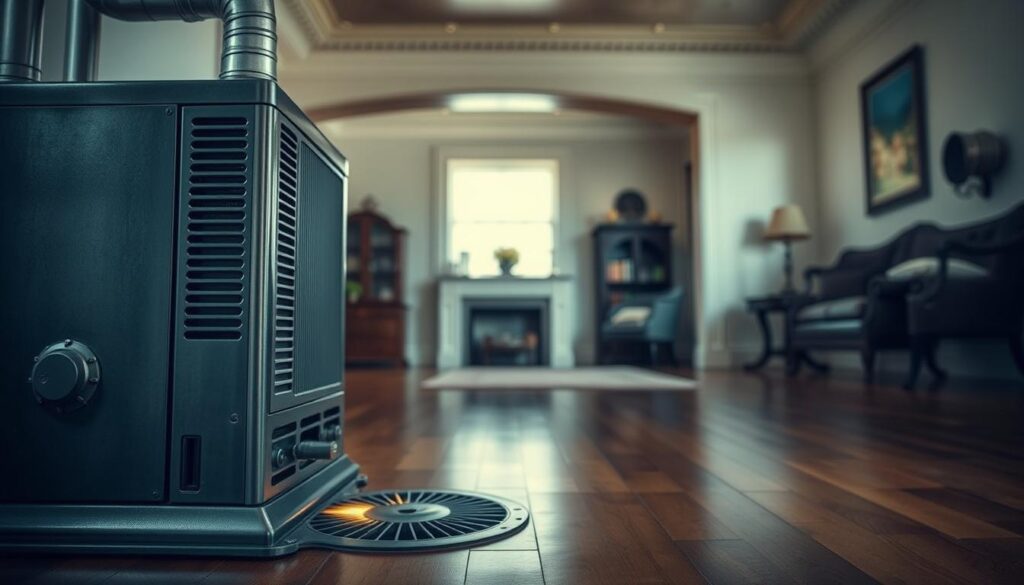
Gravity systems are an interesting old way to control home temperatures. They work because hot air rises and cold air sinks. This makes us see how heating systems have changed over time.
These systems have a furnace in the basement. Warm air goes up through ducts, warming the house. Unlike today’s systems, they use natural air movement, not fans.
- Primarily found in older homes built before 1950
- Operate without electrical fans or complex mechanisms
- Limited to heat distribution only
- Cannot distribute cool air from air conditioning
Even though they’re not as good as newer systems, some old homes use gravity heating. Homeowners might want to make these systems better for more comfort and energy savings.
Gravity systems show how cleverly people managed home temperatures before modern HVAC came along.
Now, most homes use newer heating and cooling systems. These systems give better temperature control, save energy, and can both heat and cool.
Radiant Heating Systems: Efficient Comfort
Radiant heating is a smart way to warm your home. It sends heat directly to where you live. This is different from old systems that blow air around.
Looking into HVAC, radiant heating is top-notch for comfort. It turns your home’s surfaces into warm spots.
Floor-Based Radiant Systems
Floor-based radiant heating is super comfy and efficient. People love it for many reasons:
- Even heat on room surfaces
- Quiet without any loud blowers
- Uses less energy
- Less dust and allergens
Wall and Ceiling Applications
Radiant heating isn’t just for floors. It also works on walls and ceilings. This gives you warmth in different areas.
| Radiant System Type | Installation Location | Primary Benefits |
|---|---|---|
| Hydronic Radiant | Floors, Walls | High efficiency, long-term cost savings |
| Electric Radiant | Ceilings, Specific Rooms | Quick installation, zone-specific heating |
Choosing hydronic or electric radiant heating changes how you feel at home. It’s a smart pick for modern HVAC.
Explore Our HVAC Shop
Looking for top-rated HVAC tools, parts, and accessories? Visit our shop and find the perfect solution for your needs.
Visit the ShopThe Role of Ventilation in HVAC Systems
Ventilation is key in any heating, ventilation, and air conditioning system. Your home’s HVAC does more than just control temperature. It manages the air inside your home.
Understanding what an HVAC system does is more than just heating and cooling. It’s about keeping the air in your home healthy.
Proper ventilation does many important things:
- It removes stale and contaminated air
- It controls indoor humidity levels
- It brings in fresh outdoor air
- It stops mold and moisture buildup
- It lowers indoor pollutant levels
Modern HVAC systems use different ways to improve air quality. Natural ventilation uses windows and airflow. Mechanical ventilation uses special equipment for air circulation.
Technologies like heat recovery ventilators (HRVs) and energy recovery ventilators (ERVs) have changed how we manage home air. They not only swap air but also save energy, making your system more efficient and saving you money.
Good ventilation is the lungs of your home, ensuring clean, fresh air circulation.
Investing in good ventilation makes your home healthier and more comfortable. It also makes your HVAC system work better and last longer.
Energy Efficiency and HVAC Performance
Understanding HVAC systems is more than just controlling temperature. Today, we focus on saving energy while keeping spaces comfortable. Your HVAC system is a big investment in comfort and saving money.
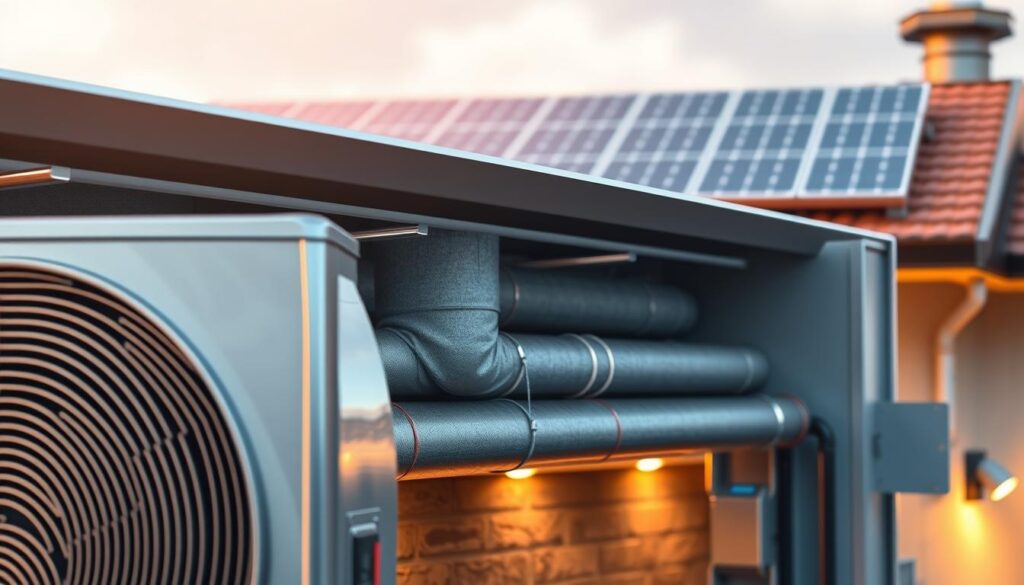
Energy-saving HVAC tech can cut your utility bills a lot. New systems use up to 20% less energy than old ones. This means big savings for you and less harm to the environment.
Smart Controls and Automation
Modern HVAC systems use the latest tech to work better. They have:
- Programmable thermostats that get to know you
- Automated temperature changes when you’re not there
- Control from your phone with apps
- Tracking how much energy you use in real time
Energy-Saving Features
Today’s HVAC systems have cool energy-saving tech:
| Technology | Energy Savings |
|---|---|
| Variable-Speed Motors | Up to 15% less energy |
| Multi-Stage Heating/Cooling | 10-20% more efficient |
| Zoning Systems | Up to 30% less energy use |
By choosing modern, energy-saving HVAC systems, you can cut costs and keep your space comfy.
Explore Our HVAC Shop
Looking for top-rated HVAC tools, parts, and accessories? Visit our shop and find the perfect solution for your needs.
Visit the ShopModern HVAC Technology and Smart Integration
The hvac system definition has changed a lot with smart home tech. Now, HVAC systems do more than just control temperature. They are smart networks that change how you manage your home’s climate.
Smart integration makes understanding hvac systems easier. Today’s systems use the latest tech for personalized comfort and better energy use.
- Internet of Things (IoT) enabled controls
- Smartphone and voice assistant compatibility
- Predictive maintenance capabilities
- AI-driven performance optimization
Your HVAC system can now learn your preferences, anticipate your needs, and adjust automatically. Advanced sensors and machine learning algorithms let systems:
- Detect occupancy patterns
- Optimize energy consumption
- Provide real-time performance insights
- Alert you to possible maintenance issues
“Smart HVAC technology isn’t just about comfort—it’s about creating intelligent, responsive home environments.”
The future of home climate control is here. It’s changing how you interact with your living space through smart, seamless technology.
Maintenance and System Longevity
Keeping your HVAC system in top shape is key. Knowing how to care for its parts can make it last longer and work better.
Regular upkeep is vital for your HVAC’s long life. It needs consistent care and expert checks. Homeowners can do a lot to keep their system running well:
- Replace air filters every 1-3 months
- Clean air vents and registers quarterly
- Schedule professional tune-ups annually
- Keep outdoor units clear of debris
- Check thermostat settings and calibration
Getting your HVAC checked by pros is a big plus. They can spot problems early, saving you from big repair costs. This keeps your system running at its best.
| Maintenance Task | Frequency | Benefit |
|---|---|---|
| Filter Replacement | Every 1-3 months | Improved Air Quality |
| Professional Inspection | Annually | Prevent Major Breakdowns |
| Duct Cleaning | Every 3-5 years | Energy Efficiency |
Preventive maintenance saves you money over time. Neglected HVAC systems can lose up to 5% efficiency each year. This leads to higher energy costs and system failure.
By knowing your HVAC parts and sticking to a maintenance plan, you’ll keep your system reliable, efficient, and long-lasting.
Conclusion
HVAC stands for Heating, Ventilation, and Air Conditioning. It’s a key system that keeps your home comfy all year. In construction, HVAC is more than just heating. It’s a complex system that controls your home’s climate.
Your home’s comfort depends on knowing these systems well. Modern HVAC offers many ways to keep your home at the right temperature and air quality. Now, you can even control your system from your phone, track energy use, and save energy easily.
Regular maintenance and upgrades can make your home work better. Knowing about HVAC advancements helps you save money, stay comfortable, and live healthier. This is good for you and your family.
HVAC systems are getting smarter and better for the planet. By understanding these systems, you can make choices that improve your comfort now and your home’s efficiency later.