Affiliate Disclosure
HVAC Guide Guys is a participant in the Amazon Services LLC Associates Program, an affiliate advertising program designed to provide a means for sites to earn advertising fees by advertising and linking to Amazon.
How Many HVAC Techs Die a Year? “Safety is not an accident, but a deliberate choice,” said Mike Rowe. He pointed out how important safety is in dangerous jobs like HVAC. It’s key to protect those who make our spaces comfortable and workable.
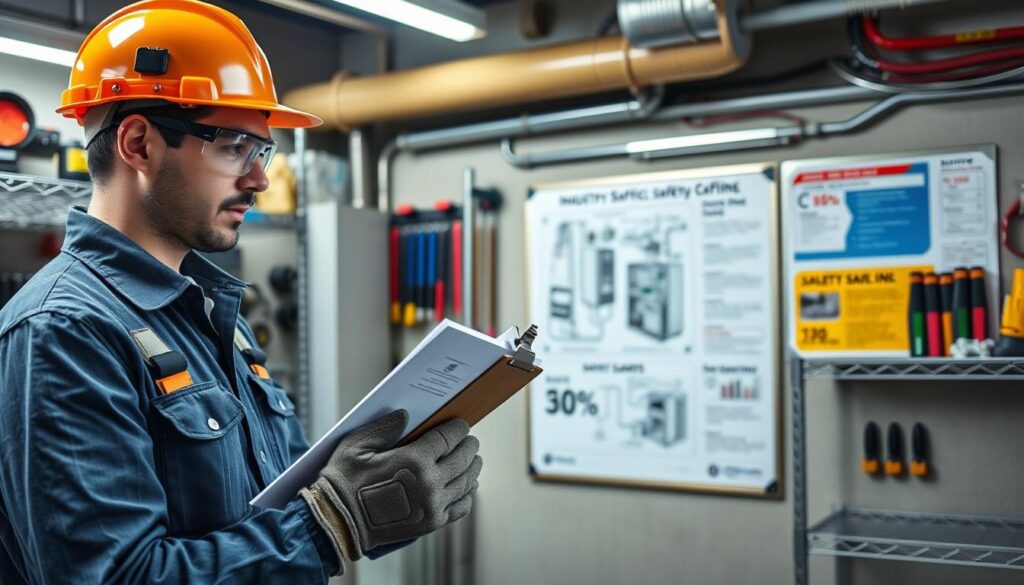
The Bureau of Labor Statistics shows a harsh truth about HVAC techs. In 2015, 29 deaths were reported in HVAC and plumbing trades. This shows the big risks these workers face every day.
Knowing about these safety issues can really help. This article dives into the world of HVAC technician deaths. We look at the reasons, trends, and ways to prevent these tragedies.
Key Takeaways
- HVAC technicians face significant workplace safety risks
- Annual fatalities highlight the need for thorough safety training
- Understanding workplace hazards is key to prevention
- Using the right protective gear can lower fatal incidents
- Keeping up with safety education is vital in risky jobs
Table of Contents
Understanding HVAC Industry Mortality Rates
The HVAC industry faces big safety challenges that affect technician lives every year. It’s key to know about hvac technician deaths and the hvac industry mortality rate. This helps make workplaces safer and protect skilled workers.
Workplace safety in the HVAC sector means looking at detailed fatality stats across different risks. Workers in this field face many dangers every day.
Annual Fatality Overview
Recent data shows important facts about HVAC workplace risks:
- Total annual fatalities range between 25-35 workers
- Transportation incidents account for significant mortality rates
- Electrical and fall-related accidents represent major risk factors
Construction Trade Comparisons
When comparing hvac industry mortality rate with other construction trades, HVAC technicians face moderate risks. Electrical and roofing trades have higher fatality rates.
Recent Safety Trends
Safety has improved, leading to fewer workplace deaths. This is thanks to better training, protective gear, and stricter rules. Technological advancements and increased awareness are key in keeping HVAC pros safe.
“Every life saved is a testament to improved safety protocols” – National HVAC Safety Council
Common Causes of HVAC Technician Deaths
The HVAC job comes with big risks that can be deadly. It’s key to know the dangers HVAC techs face to stop accidents and keep them safe.
There are a few main dangers for HVAC techs:
- Transportation incidents during service calls
- Electrical shock and equipment-related accidents
- Falls from elevated work locations
- Chemical and refrigerant exposure
“Safety isn’t expensive, it’s priceless” – Unknown Safety Professional
Driving to job sites is a big risk for HVAC techs. They spend a lot of time in cars, which raises the chance of road accidents. Sadly, many deaths in this field are from car crashes.
Working with electricity is also very dangerous. The risk of getting shocked or hurt by high-voltage equipment is real. Getting the right training and wearing the right gear is key to stay safe.
Falls from heights are another big danger. Jobs like rooftop work, ladder climbing, and working in tight spaces need extra care and safety rules.
Being exposed to chemicals, like those in refrigerants, can harm HVAC techs’ health in the long run. It can even be deadly right away.
Explore Our HVAC Shop
Looking for top-rated HVAC tools, parts, and accessories? Visit our shop and find the perfect solution for your needs.
Visit the ShopElectrical Hazards and Fatalities in HVAC
Electrical dangers are a big threat to HVAC technicians. They face serious safety challenges. It’s vital to follow strict safety rules to avoid deadly electrical accidents.
Electrical incidents are among the most dangerous for HVAC workers. Knowing these risks can help lower the number of preventable deaths. It also keeps workers safe in this important field.
Types of Electrical Accidents
HVAC technicians face many electrical dangers:
- Direct contact with live electrical parts
- Accidental energization during maintenance
- Improper equipment grounding
- Exposure to high-voltage systems
Prevention Measures for Electrical Safety
Good safety steps can greatly lower electrical risks:
- Use properly insulated tools
- Regular safety training is key
- Check equipment lockout/tagout procedures
- Wear the right personal protective equipment
Case Studies of Electrical Fatalities
Real incidents show how important electrical safety is in HVAC:
| Year | Incident Type | Prevention Strategy |
|---|---|---|
| 2021 | Unauthorized system energization | Enhanced lockout procedures |
| 2022 | Inadequate personal protective equipment | Mandatory safety gear compliance |
By focusing on electrical safety in HVAC, technicians can greatly lower the risk of fatal accidents. This keeps them safe from dangerous situations.
Fall-Related Deaths in HVAC Industry
Falls are a big safety issue for HVAC workers. They are a leading cause of death on the job. Workers often climb high, which is very dangerous and needs strict safety rules.
Knowing the dangers helps make HVAC jobs safer. Jobs like working on rooftops, using ladders, and fixing equipment high up are risky. The Occupational Safety and Health Administration (OSHA) has strict rules for these tasks.
- Rooftop work increases fall risk by 45%
- Ladder accidents cause 20% of HVAC worker injuries
- Good fall protection can cut fatalities by up to 75%
Here are some ways to prevent falls:
- Use personal fall arrest systems
- Have regular safety training
- Check equipment often
- Wear the right personal protective equipment
HVAC workers need to focus on safety. They should know about fall risks and use all safety measures. With the right training, equipment, and safety habits, accidents can be greatly reduced.
Chemical Exposure and Fatal Incidents
HVAC technicians face big risks from chemical exposure every day. Knowing these dangers and following safety rules can stop deadly accidents.
Toxic Gas Exposure Statistics
Toxic gas exposure is a big threat to HVAC workers. The most dangerous chemicals they face include:
- Refrigerant gases
- Carbon monoxide
- Nitrogen dioxide
- Sulfur dioxide
Refrigerant-Related Fatalities
Refrigerant chemicals are very dangerous during HVAC work. Long-term exposure can cause serious breathing problems and even death.
| Refrigerant Type | Health Risk Level | Potential Consequences |
|---|---|---|
| R-22 | High | Respiratory distress |
| R-410A | Moderate | Chemical burns |
| R-134a | Low | Mild irritation |
Safety Protocols for Chemical Handling
To stay safe from chemicals, follow these important steps:
- Wear the right protective gear
- Make sure there’s good air flow
- Use tools to detect chemicals
- Get regular safety training
By knowing these risks, HVAC workers can lower their chance of getting hurt or killed by chemicals.
Explore Our HVAC Shop
Looking for top-rated HVAC tools, parts, and accessories? Visit our shop and find the perfect solution for your needs.
Visit the ShopHow Many HVAC Techs Die a Year
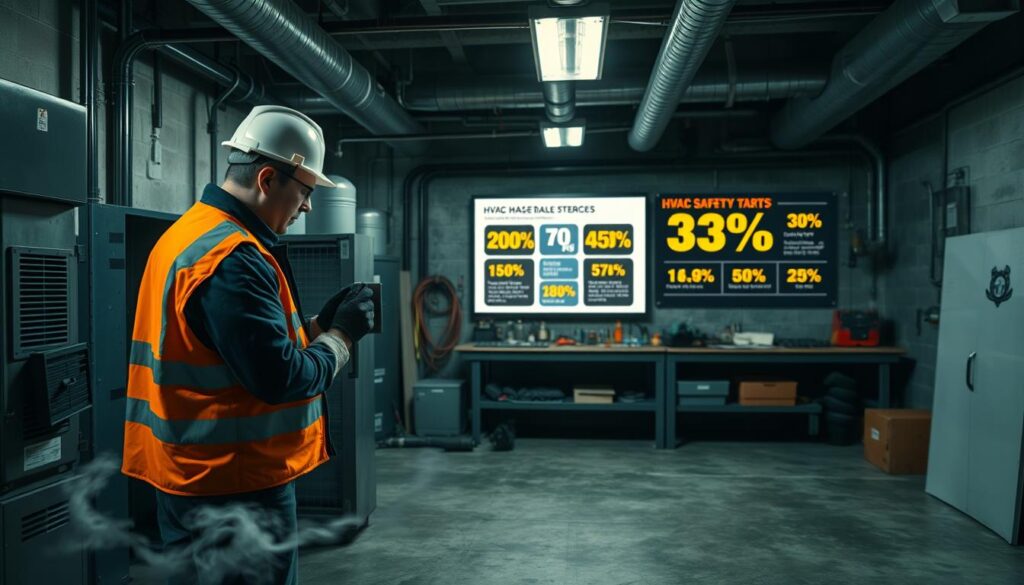
It’s important to know how many HVAC technicians die each year. This is key for both professionals and safety managers. The recent rise in deaths has made workplace safety in this field a major concern.
Recent reports show some shocking facts. In 2015, about 29 HVAC and plumbing workers lost their lives. This shows just how dangerous their jobs can be.
- Transportation incidents account for a significant portion of fatalities
- Exposure to harmful substances remains a critical safety challenge
- Falls and workplace accidents contribute to technician deaths
Knowing how many HVAC techs die yearly can lead to better safety measures. The data shows that with the right safety steps, we can lower these tragic numbers.
Safety isn’t just a protocol—it’s a lifeline for HVAC professionals working in challenging environments.
The types of accidents show the dangers HVAC workers face:
- Electrical hazards: High-voltage systems pose significant risks
- Chemical exposures: Refrigerants and toxic substances can be deadly
- Working at heights: Roof and elevated system installations increase fall risks
By understanding these risks, we can make work safer for HVAC techs. This could save lives in the HVAC industry.
Mechanical and Equipment-Related Fatalities
HVAC professionals face big risks from mechanical equipment. It’s key to know these dangers to avoid accidents and keep technicians safe.
The HVAC industry has many dangers from mechanical equipment. Sharp edges, complex machines, and moving parts are big risks for technicians.
Equipment Malfunction Statistics
Here are some important stats on mechanical risks:
- About 40% of fatal injuries to HVAC pros come from mechanical equipment
- Pinch points and rotating machinery cause nearly 25% of serious accidents
- Unguarded equipment mechanisms lead to a lot of workplace injuries
Safety Measures for Equipment Operation
There are ways to lower mechanical-related risks:
- Do regular checks on equipment
- Put guards on moving parts
- Train well on handling equipment
- Follow strict lockout/tagout rules
“Safety isn’t expensive, it’s priceless” – Industrial Safety Expert
Being aware and following safety rules can stop fatal accidents. Training, safety gear, and careful use of equipment are key to safety in HVAC.
Transportation Accidents in HVAC Service
HVAC technicians face big risks on the road. Stats show that car accidents are a big worry for them. Driving heavy equipment on busy roads can lead to serious problems.
Working in HVAC comes with its own set of road risks. Knowing and avoiding these dangers is key to staying safe. Car accidents are a big part of the job’s dangers.
- Distracted driving during route planning
- Fatigue from long service routes
- Equipment weight and vehicle stability
- Frequent stops in high-traffic areas
Using strong safety plans can lower these risks. Teaching safe driving and keeping vehicles in top shape is vital. It helps keep HVAC workers safe on the road.
| Risk Factor | Potential Impact | Prevention Strategy |
|---|---|---|
| Driver Fatigue | Increased Accident Probability | Scheduled Rest Breaks |
| Vehicle Maintenance | Equipment Reliability | Regular Inspection Checks |
| Route Planning | Reduced Travel Stress | GPS Optimization |
Your company can keep technicians safe with good safety rules. Training and strict driving rules can cut down on car accidents in HVAC work.
Explore Our HVAC Shop
Looking for top-rated HVAC tools, parts, and accessories? Visit our shop and find the perfect solution for your needs.
Visit the ShopWorkplace Safety Regulations and Compliance
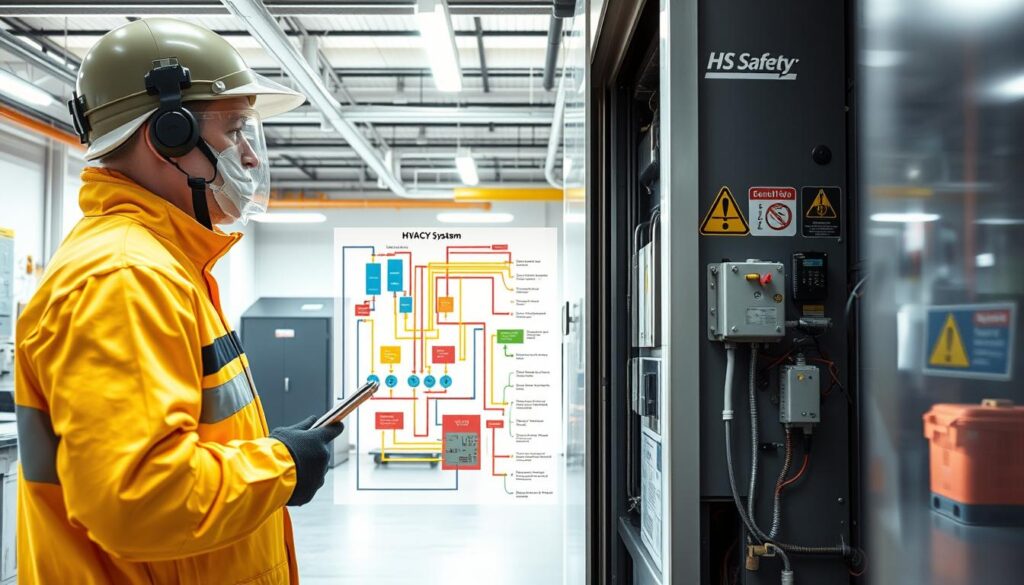
Understanding safety standards in the HVAC field is key. Your safety on the job depends on following strict rules. These rules protect technicians from dangers.
OSHA Guidelines for HVAC Professionals
The Occupational Safety and Health Administration (OSHA) sets important safety rules for HVAC techs. To improve job site safety, it’s vital to know these rules:
- Mandatory circuit identification and power verification
- Fall protection requirements for work above 6 feet
- Electrical safety protocols
- Hazardous material handling procedures
Critical Safety Training Requirements
Getting the right safety training is essential for HVAC pros. Your employer should offer training that includes:
- Electrical safety techniques
- Personal protective equipment (PPE) usage
- Emergency response procedures
- Hazard recognition and mitigation
OSHA requires techs to identify all circuits they may potentially contact and test to verify that all are de-energized after shutting down the power.
By focusing on safety in the HVAC field, you can lower risks at work. Continuous education and strict compliance are your best defense against job site dangers.
Prevention Strategies and Best Practices
Keeping HVAC technicians safe is key. We need a strong plan to protect them. By using the right strategies, we can make work safer for everyone.
Improving HVAC job site safety starts with knowing the risks. Your team can tackle these dangers head-on. This makes the workplace safer for everyone.
- Conduct regular safety training sessions
- Develop detailed risk assessment protocols
- Implement robust incident reporting systems
- Create a culture of safety accountability
Important steps to prevent accidents include:
- Comprehensive Safety Audits: Regular checks find risks early
- Advanced Training Programs: Keep learning about new safety methods
- Equipment Maintenance Protocols: Keep gear in top shape
| Prevention Strategy | Potential Impact |
|---|---|
| Safety Management Systems | Reduces workplace accidents by up to 35% |
| Personal Protective Equipment Training | Decreases injury rates by 25% |
| Incident Investigation Procedures | Prevents recurring safety issues |
Your dedication to safety can change your workplace. By focusing on preventing HVAC deaths, you protect your team. They are your most important asset.
Explore Our HVAC Shop
Looking for top-rated HVAC tools, parts, and accessories? Visit our shop and find the perfect solution for your needs.
Visit the ShopPersonal Protective Equipment Requirements
Keeping yourself safe on HVAC job sites is key to safety in the HVAC field. Personal protective equipment (PPE) is your main defense against dangers at work. It helps lower the chance of serious injuries and even death.
To make HVAC job sites safer, it’s important to know the essential protective gear. Your safety depends on picking and using the right gear for each task.
Essential Safety Gear for HVAC Technicians
- Head Protection
- Hard hats for overhead work
- Impact-resistant helmets
- Eye and Face Protection
- Safety glasses with side shields
- Face shields for chemical handling
- Hand and Body Protection
- Cut-resistant work gloves
- Flame-resistant clothing
- Electrical-rated insulated gloves
Impact of Proper PPE Use
| PPE Type | Injury Risk Reduction |
|---|---|
| Safety Glasses | 90% reduction in eye injuries |
| Protective Gloves | 85% reduction in hand injuries |
| Fall Protection Harness | 95% reduction in fall-related incidents |
Wearing the right PPE can greatly cut down on workplace accidents. Remember, no job is so urgent that it cannot be done safely. Always check your protective gear and replace any damaged items right away.
Conclusion
Learning how many HVAC techs die each year shows we need better workplace safety. The numbers show that many deaths are preventable. This makes it very important for employers and workers to focus on safety.
Improving safety starts with good training and following safety rules. Using the right safety gear, being careful with electricity, and keeping equipment in good shape helps a lot. These steps can lower the chance of serious accidents in HVAC work.
Companies should do more than just follow safety rules. They should teach safety well, keep learning about new risks, and always be ready to act. This way, they can protect HVAC workers from dangers they face every day.
We all have to work together to make workplaces safer. Technicians, managers, and company leaders all have important roles. By learning more, using new technology, and really caring about worker safety, we can cut down on deaths. This way, HVAC workers can go home safely after their shifts.