
Affiliate Disclosure
HVAC Guide Guys is a participant in the Amazon Services LLC Associates Program, an affiliate advertising program designed to provide a means for sites to earn advertising fees by advertising and linking to Amazon.
Did you know your indoor comfort is more than just temperature? Learning how to maintain RH and temperature in HVAC system can make your home healthier and more comfy.
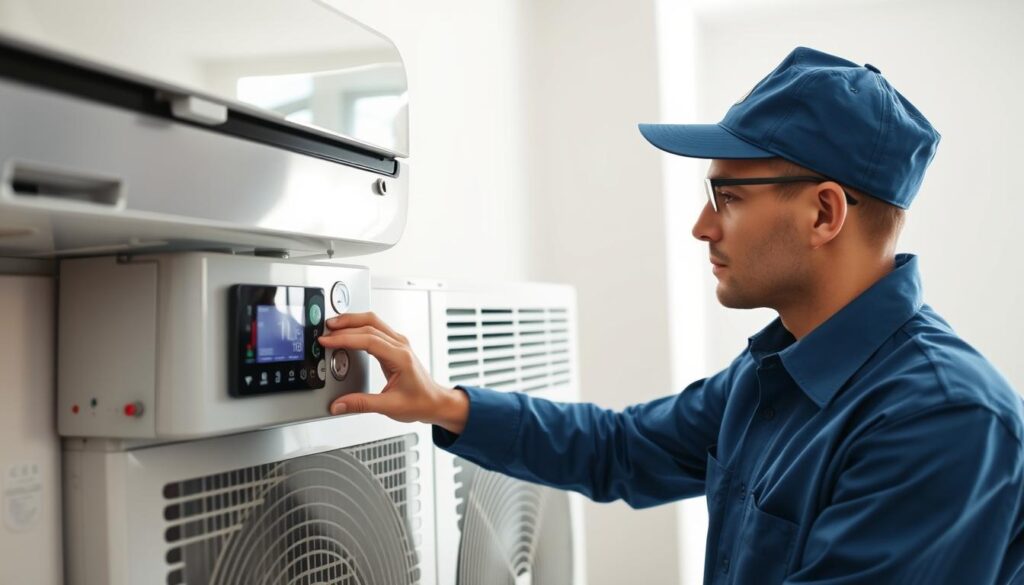
Your home’s HVAC system is complex, needing attention to both temperature and humidity. The Environmental Protection Agency says keeping humidity between 30-50% is best for comfort. This balance affects your health and your energy bills.
Managing your HVAC system is more than just setting the thermostat. It’s about understanding how temperature and humidity work together. By getting this right, you can improve air quality, stop mold, and feel more comfortable.
Key Takeaways
- Optimal humidity levels range between 30-50%
- Proper HVAC maintenance impacts health and comfort
- Temperature and humidity are interconnected
- Regular system checks prevent problems
- Indoor air quality is tied to HVAC performance
- Energy efficiency boosts with good system management
- Professional checks can make your HVAC last longer
Table of Contents
Understanding HVAC System Fundamentals and Climate Control
Your comfort at home relies on a network of HVAC parts working well together. Knowing how these systems work helps you manage your home’s climate better. This way, you can make your home environment more comfortable.
HVAC means Heating, Ventilation, and Air Conditioning. It’s a key system for keeping your home comfortable. Its main job is to control the temperature and humidity inside your home.
Core Components of HVAC Systems
Modern HVAC systems have several important parts. These parts work together to make your home comfortable:
- Furnace: Makes warm air for your home
- Air Conditioner: Cools the air and lowers humidity
- Thermostat: Keeps an eye on and sets the temperature
- Ductwork: Moves air to different rooms
- Air Handlers: Spread air evenly
The Role of Temperature and Humidity in Indoor Comfort
Comfort isn’t just about the temperature. Humidity is also key. Air conditioners cool the air and take out moisture. This makes you feel comfortable, not just by changing the temperature but by managing the climate.
Knowing how these HVAC parts work together helps you keep your home perfect. It balances temperature and moisture for the best comfort and efficiency.
Explore Our HVAC Shop
Looking for top-rated HVAC tools, parts, and accessories? Visit our shop and find the perfect solution for your needs.
Visit the ShopWhy Controlling Relative Humidity and Temperature Matters
Your home’s comfort and health depend on good hvac humidity management. Keeping the right balance of temperature and humidity is key. It’s not just about feeling comfortable—it’s about keeping your home safe and healthy.
Proper humidity control stops serious health and home problems. When humidity goes over 50%, you invite:
- Mold and mildew growth
- Dust mite proliferation
- Increased respiratory issues
- Potential structural damage
Getting the temperature and humidity right also saves energy. An optimized HVAC system uses less energy. This means lower bills for you.
*Maintaining indoor relative humidity between 30-50% is key to a healthy living environment.*
Mold prevention gets easier when you know how important humidity is. Low humidity (below 30%) can cause issues like:
- Skin and respiratory irritation
- Static electricity buildup
- Increased susceptibility to colds
- Potential damage to wooden furniture
By focusing on HVAC humidity management, you protect your health, home, and wallet. Your indoor space becomes a balanced, comfortable place that supports your well-being.
How to Maintain RH and Temperature in HVAC System
Keeping your HVAC system in top shape is vital for comfort and saving energy. Regular maintenance helps your home stay cozy and avoids expensive fixes. It also makes your system last longer.
Essential Maintenance Practices for Optimal Performance
Preventive maintenance is essential for your system’s best performance. Here are important steps to ensure your HVAC system works well:
- Schedule seasonal maintenance checks before summer and winter
- Monitor system performance indicators
- Keep outdoor units clear of debris and vegetation
- Ensure proper airflow throughout your home
- Maintain accurate thermostat calibration
Regular System Inspections and Filter Replacement
Replacing filters is a key maintenance task for keeping humidity and temperature right. Dirty filters make it hard for your system to control the indoor climate.
| Filter Type | Replacement Frequency | Impact on System |
|---|---|---|
| Fiberglass | Every 30 days | Low filtration efficiency |
| Pleated | Every 90 days | Higher dust capture |
| HEPA | Every 6-12 months | Maximum air purification |
Look out for signs that mean you need a pro’s help, like:
- Reduced airflow
- Unusual system cycling patterns
- Visible moisture accumulation
- Inconsistent temperature distribution
Professional HVAC technicians suggest thorough system checks at least twice a year. This keeps your system running at its best and prevents sudden failures.
Explore Our HVAC Shop
Looking for top-rated HVAC tools, parts, and accessories? Visit our shop and find the perfect solution for your needs.
Visit the ShopProper Insulation and Sealing for HVAC Efficiency
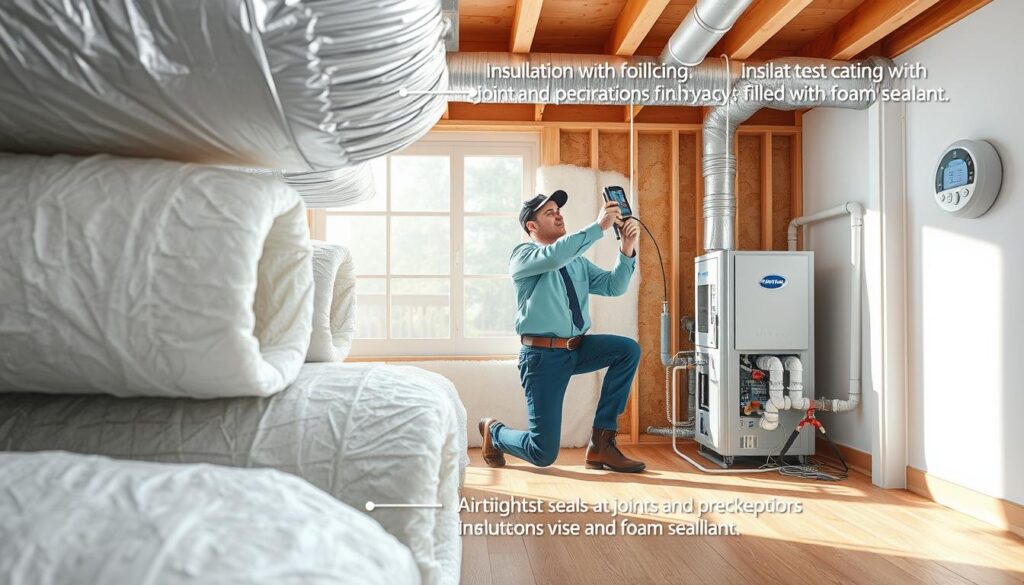
Creating a strong thermal envelope is key for good HVAC settings. Your home’s insulation stops energy loss and makes your HVAC system work better. If your home isn’t well-sealed, your HVAC system has to work harder to keep it comfy.
Focus on these areas for better energy use:
- Attic and wall insulation
- Window and door sealing
- Ductwork integrity
- Weatherstripping
Air sealing stops unwanted air from getting in. Leaky ducts pull in hot, humid air, making your HVAC system less efficient. This can also cause moisture problems in your home.
Proper insulation can reduce heating and cooling costs by up to 30%.
To make your thermal envelope better, try these steps:
- Look for air leak spots
- Seal gaps with caulk and weatherstripping
- Check ductwork for holes or disconnections
- Check insulation in your attic and walls
Investing in good insulation and air sealing boosts your HVAC system’s performance. This makes your home more comfy and energy-efficient.
Advanced Technologies for Humidity and Temperature Management
Modern HVAC systems have changed indoor air quality a lot. They use new automation technology. Now, smart HVAC controls let homeowners control humidity and temperature easily.
Smart Thermostats and Automated Controls
Smart thermostats have made a big difference in indoor air quality. They offer advanced features:
- Real-time humidity and temperature monitoring
- Remote smartphone control
- Learning algorithms that adapt to your preferences
- Geofencing capabilities
These smart devices can change your home’s climate on their own. They make sure you’re comfortable and save energy too.
Dehumidifiers and Humidifiers Integration
Smart thermostats work with devices that control humidity. These devices help keep your home’s air just right:
| Device Type | Function | Ideal Usage |
|---|---|---|
| Whole-Home Dehumidifier | Remove excess moisture | High humidity regions |
| Whole-Home Humidifier | Add moisture to dry air | Dry winter climates |
By using these technologies together, you can keep your home’s humidity between 30-50% all year. This keeps you comfortable and protects your home.
Explore Our HVAC Shop
Looking for top-rated HVAC tools, parts, and accessories? Visit our shop and find the perfect solution for your needs.
Visit the ShopOptimal RH Levels for HVAC Systems Throughout the Year
Knowing how to control humidity is key for a comfy and efficient home. Your HVAC system is important for keeping the right humidity levels all year.
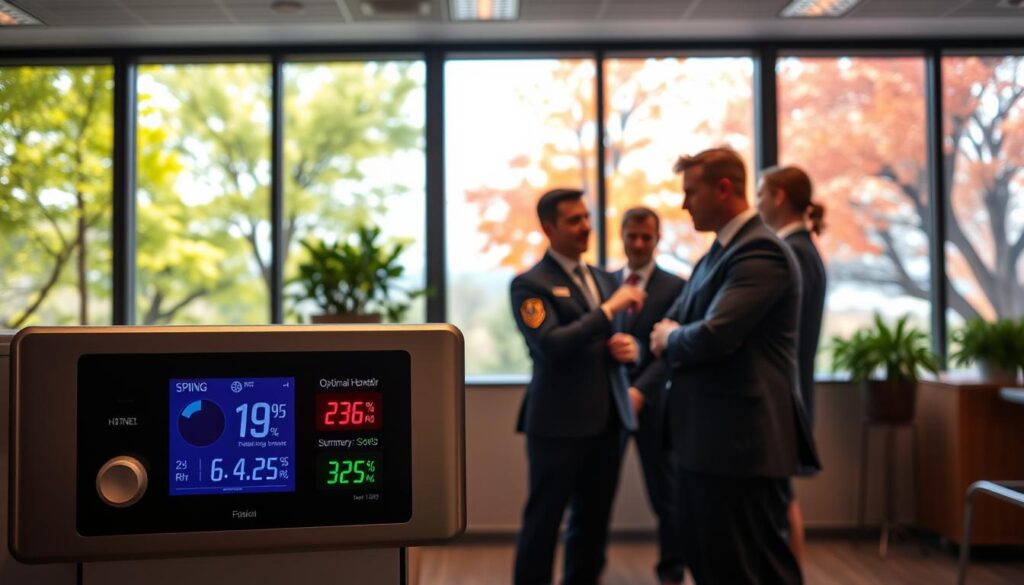
The Environmental Protection Agency says keeping RH between 30-50% is best for comfort and health. Climate changes mean we need to adjust how we manage humidity to keep our homes right.
Summer Humidity Management
In summer, aim for 40-50% RH in your home. Here’s how to do it:
- Set your HVAC to dehumidify to avoid sticky air
- Check humidity with a hygrometer
- Adjust your AC to take out extra moisture
Winter Humidity Considerations
Winter brings its own humidity challenges. Aim for 40-50% RH to counteract dry air from heaters.
- Use humidifiers to stop dry skin and breathing problems
- Choose between portable or whole-house humidifiers
- Keep humidity balanced to avoid mold and condensation
Where you live affects your humidity needs. Coastal areas and dry lands need different approaches. Adjust your HVAC based on your local climate for the best comfort and efficiency.
Troubleshooting Common HVAC Humidity Control Issues
Keeping your HVAC system’s humidity in check can be tough. Knowing the common problems helps you fix them fast. This prevents damage to your home and keeps it comfortable.
Several things can mess with your HVAC’s humidity control:
- Oversized HVAC units that short-cycle
- Single-speed systems with inadequate moisture removal
- Poor ventilation creating pressure imbalances
- Incorrect thermostat settings
- Dirty evaporator coils
- Leaky ductwork
- Aging system components
Start by checking your thermostat settings when you do system diagnostics. Make sure it’s not always in fan-only mode. This can make the air too moist.
Look for dirt on your evaporator coils. Dirty coils can’t handle moisture well, leading to higher humidity. Cleaning them regularly can really help.
The state of your ductwork is also key. Leaks in return air ducts can let in humid air. This messes with your home’s climate. HVAC pros can find and fix these leaks.
If humidity problems keep coming back, get an HVAC expert’s help. They can do a deep check and suggest fixes to get your humidity back in balance.
Ventilation Strategies for Balanced Indoor Air Quality
Creating a healthy home starts with knowing your indoor air quality settings. Good ventilation is key for a comfy and clean home. Your air exchange system is important for getting rid of stale air and bringing in fresh air.
Ventilation systems do more than just move air. They control humidity, cut down on pollutants, and make your home healthier. There are many ways to boost your home’s air quality:
- Spot ventilation using exhaust fans in high-moisture areas
- Whole-house ventilation systems for complete air exchange
- Natural ventilation strategies during mild weather
Energy Recovery Ventilators: A Smart Solution
ERV systems are a smart way to exchange air. They move heat and moisture between air streams. By pre-conditioning the air, ERVs keep humidity levels right while saving energy.
ERV systems offer many benefits:
- Less energy use
- Right humidity levels
- Better air quality
- Stable temperatures
When picking a ventilation system, think about your home’s needs. Consider your climate, home size, and current HVAC setup. HVAC experts can help find the best ventilation plan for your home.
Explore Our HVAC Shop
Looking for top-rated HVAC tools, parts, and accessories? Visit our shop and find the perfect solution for your needs.
Visit the ShopSigns Your HVAC System Needs Humidity or Temperature Adjustment
Knowing the signs of HVAC system problems can help you fix them before they get worse. Your home’s comfort and how well your system works depend on the right humidity and temperature.
Look out for these important humidity signs that mean your HVAC system needs help:
- Personal Health Signals:
- Persistent skin dryness
- Increased static electricity
- Frequent nosebleeds
- Worsening allergy symptoms
Structural signs can show hidden comfort problems in your home:
- Environmental Warning Signs:
- Window condensation
- Warped wood floors
- Mold growth in corners or closets
- Peeling paint or wallpaper
Signs of HVAC system trouble include:
- HVAC System Red Flags:
- Short cycling (frequent on-off patterns)
- Ice formation on refrigerant lines
- Water pooling around indoor unit
- Inconsistent temperatures between rooms
Spotting these signs early can save you from expensive fixes and keep your HVAC system running right. If you see several signs, it’s time to call an HVAC expert for a full check-up.
Professional HVAC Services and System Upgrades
Knowing when to fix HVAC issues yourself and when to call experts is key. Your home’s climate control system is complex. DIY fixes might not cover all maintenance needs.
Professional HVAC specialists offer more than just repairs. They know how to balance temperature and humidity for comfort and energy savings.
Critical Moments to Seek Professional Help
- Persistent humidity control problems
- Unusual system noises or performance changes
- Refrigerant leaks or low refrigerant levels
- Electrical system complications
- System age approaching 10-15 years
Upgrading your system is smart when repair costs get too high. New HVAC tech boosts energy efficiency and control.
Selecting the Right HVAC Specialists
When picking HVAC service providers, look at these factors:
- Verify professional certifications
- Check licensing and insurance
- Request detailed system diagnostic reports
- Compare energy efficiency recommendations
| Service Type | Average Cost Range | Recommended Frequency |
|---|---|---|
| Annual System Tune-up | $80 – $250 | Once per year |
| Complete System Replacement | $5,000 – $10,000 | Every 10-15 years |
| Major Repair | $500 – $2,500 | As needed |
Professional HVAC maintenance keeps your system running well. It saves you money and keeps your home comfortable for years.
Conclusion
Keeping the right temperature and humidity is key to a comfortable home. Your HVAC system is vital for this. It keeps you healthy and your home safe.
Understanding how temperature and humidity work together is important. Regular HVAC checks help your system run well. This stops big problems before they start.
Creating the perfect indoor space takes effort and knowledge. Learn about your HVAC, watch humidity levels, and ask for help when needed. This will make your home air cleaner, save energy, and feel just right.
Keeping your home climate perfect is a continuous task. Begin with easy steps like changing filters. Then, add more advanced methods. Always watch how your system is doing. With the right effort, you’ll have a home that’s good for your health and comfort.