
Affiliate Disclosure
HVAC Guide Guys is a participant in the Amazon Services LLC Associates Program, an affiliate advertising program designed to provide a means for sites to earn advertising fees by advertising and linking to Amazon.
Ever wondered why your heating system stops working on the coldest night? It might be because the pilot light went out. You can easily light it yourself, but do it safely and correctly.
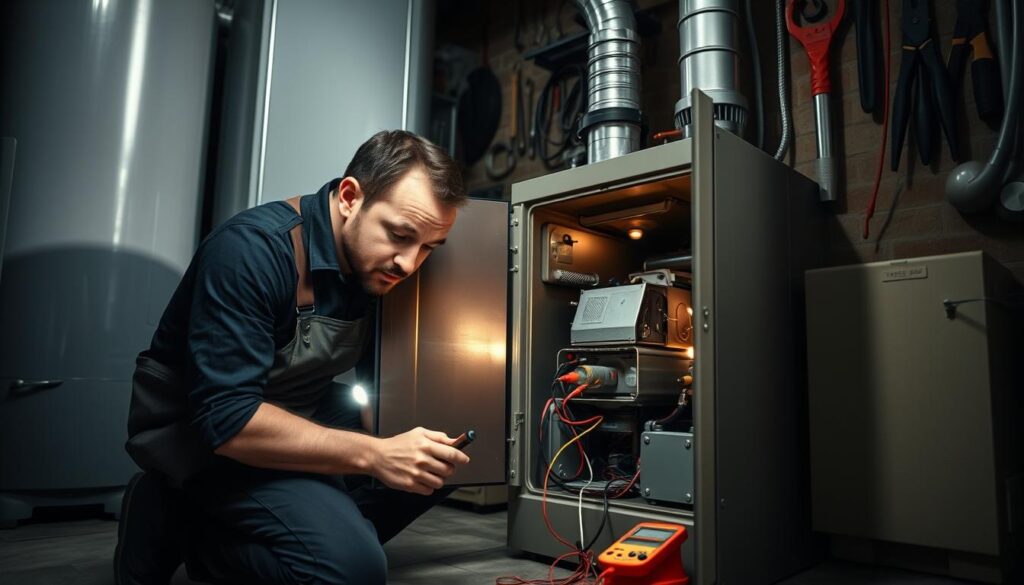
Keeping your heating system running can seem hard, but learning to light the pilot light is key. This guide will show you how to do it step by step. You’ll be able to warm up your home fast and with confidence.
Key Takeaways
- Pilot light issues are common but manageable with proper knowledge
- Safety should always be your first priority when working with gas appliances
- Regular maintenance can prevent unexpected pilot light failures
- Understanding basic HVAC components helps prevent costly repairs
- Professional help is recommended for complex pilot light problems
Table of Contents
Understanding Your HVAC Pilot Light System
Your home’s heating system has many parts working together. At the center of many gas-powered systems is the pilot light. It’s small but very important for reliable and efficient heating.
Natural gas flows to the pilot burner through a special gas line. This creates a small blue flame that burns all the time. This flame is key for starting your heating system when it’s needed.
What Is a Pilot Light and How Does It Work?
A pilot light is a small flame that lights your gas heating appliance. When it’s time to heat your home, the main gas valve opens. This lets gas flow to the burners, where the pilot flame lights it. This makes heating quick and efficient.
- Generates a continuous small flame
- Provides immediate ignition for gas burners
- Burns consistently to maintain system readiness
Pilot Light vs Electronic Ignition Systems
Today, there are new heating options instead of pilot lights. You’ll learn about the differences between old pilot systems and new electronic ignition systems:
- Intermittent pilots that only ignite when needed
- Hot surface ignitors that use electrical resistance instead of a flame
- More energy-efficient modern systems
The Role of the Thermocouple in Pilot Light Safety
The thermocouple is a critical safety part. It watches the pilot flame and turns off gas flow if the flame goes out. This stops dangerous gas buildup in your home.
“Safety is key in any heating system, and the thermocouple is your first defense.” – HVAC Professional
The thermocouple must get hot enough when you light the system. This keeps your home safe from gas dangers.
Explore Our HVAC Shop
Looking for top-rated HVAC tools, parts, and accessories? Visit our shop and find the perfect solution for your needs.
Visit the ShopSafety Precautions Before Lighting Your Pilot Light
When working with gas appliances, safety is key. Before you light your pilot light, make sure you’re taking the right steps. This will keep you and your home safe from harm.
First, get your workspace ready with the right safety gear. Have a fire extinguisher close by, just in case. Make sure you have everything you need within reach.
- Turn off power at the circuit breaker for the HVAC system
- Open windows for ventilation to prevent gas buildup
- Wear protective gloves and safety glasses
- Remove any flammable materials from the immediate area
Gas safety is very important. Wait 3-5 minutes after turning off the gas to allow complete dissipation. This step is key to avoiding accidents and keeping everyone safe.
Carbon monoxide is a big risk when you’re working on pilot lights. Look out for yellow or orange flames, which mean the gas isn’t burning right. Use battery-powered CO detectors near where people sleep to add extra safety.
Always prioritize your safety when working with gas appliances. When in doubt, consult a professional HVAC technician.
By following these steps, you’ll make your work area safer. This way, you can take care of your HVAC system’s pilot light without worry.
Signs Your Pilot Light Needs Relighting
Your home’s heating system sends out signals when something’s off. Spotting these signs early can help fix pilot light issues before they get worse.
Common Symptoms of an Extinguished Pilot Light
There are a few key signs your pilot light might be out. Keep an eye out for these symptoms:
- No heat coming from your vents
- Furnace shutting off unexpectedly
- Cold air blowing through heating vents
- Unusual sounds from the furnace cabinet
Identifying a Healthy vs Problematic Pilot Flame
Knowing how to spot a good flame is key. A healthy flame shows certain signs that a bad one doesn’t:
- Healthy Flame Characteristics:
- Steady blue color
- Cone-shaped appearance
- Quiet, consistent hiss
- Well-defined shape pointing at thermocouple
- Problematic Flame Warning Signs:
- Yellow, orange, or red coloration
- Weak or wavering flame
- Sputtering or whistling sounds
- Irregular flame shape
If you see a bad flame, it might mean serious problems. This could be due to dirty burners, not enough oxygen, or incomplete combustion. These issues need quick attention to keep your system safe and working right.
Explore Our HVAC Shop
Looking for top-rated HVAC tools, parts, and accessories? Visit our shop and find the perfect solution for your needs.
Visit the ShopTools and Materials You’ll Need
Relighting your HVAC pilot light needs some key tools for safety and efficiency. Having the right tools ready can make the job easier and safer.
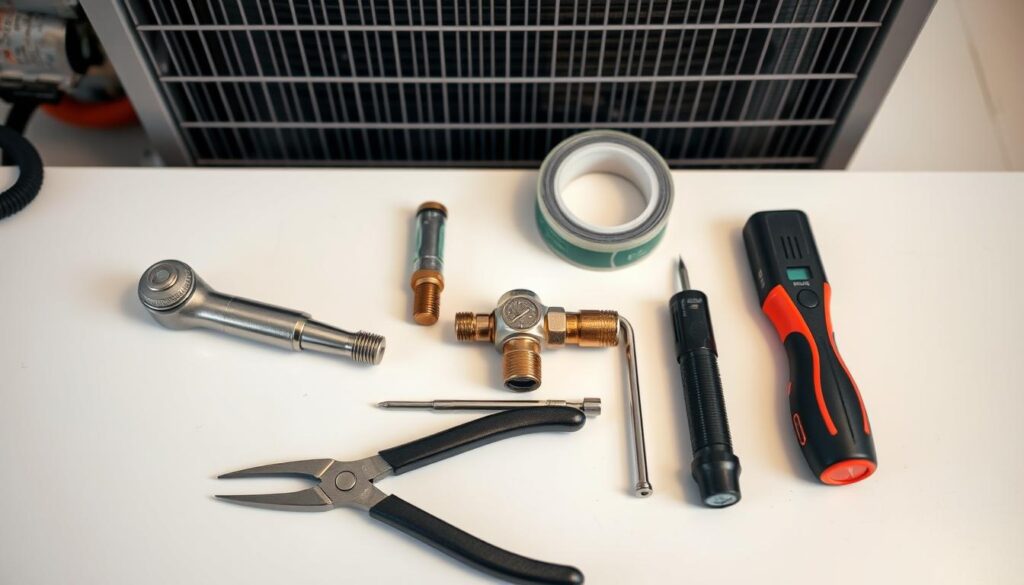
- A long-reach lighter or long fireplace matches (8-10 inch barbecue-style lighters work perfectly)
- A reliable flashlight or headlamp for illuminating dim areas
- Your furnace owner’s manual (optional but recommended)
- A small brush or clean cloth for cleaning
The long-reach lighter is key for avoiding burns and keeping hands away from gas and pilot. Pilot lights are often in dark, tight spots at your furnace’s bottom. A good light is a must.
| Tool | Purpose | Safety Benefit |
|---|---|---|
| Long-reach lighter | Ignite pilot light | Prevents hand burns |
| Flashlight/Headlamp | Illuminate work area | Improves visibility |
| Small brush | Clean assembly | Removes debris |
Relighting a pilot light doesn’t need expensive tools. With simple household items, you can do it safely. This DIY task boosts your confidence in keeping your home warm.
How to Light a HVAC Pilot Light
Lighting a pilot light might seem scary, but it’s doable with the right steps. This guide will show you how to find, light, and keep your pilot light going.
Locating the Pilot Light Assembly
First, find the pilot light. It’s usually near the burners at the furnace’s base. Look for:
- A small window showing the pilot area
- An access panel you can remove
- A gas valve with knobs for ON, OFF, and PILOT
Safety First: Turning Off the Gas
Working with gas appliances requires safety first. Here’s what to do:
- Turn the gas valve to OFF and wait 3-5 minutes
- Make sure the area is well-ventilated
- Check for any gas smell before you start
Igniting the Pilot Flame
After checking safety, it’s time to light the pilot:
- Turn the valve to PILOT position
- Press and hold the reset button
- Light the pilot with a long lighter
- Keep holding for 30-60 seconds to heat the thermocouple
- Slowly release the button
- Turn the valve to ON if the pilot stays lit
Pro Tip: Follow the silver pilot tube from the gas valve to the nozzle. If the pilot doesn’t stay lit, you might need to try again or get help from a pro.
Explore Our HVAC Shop
Looking for top-rated HVAC tools, parts, and accessories? Visit our shop and find the perfect solution for your needs.
Visit the ShopExplore Our HVAC Shop
Looking for top-rated HVAC tools, parts, and accessories? Visit our shop and find the perfect solution for your needs.
Visit the ShopTroubleshooting When Your Pilot Light Won’t Stay Lit
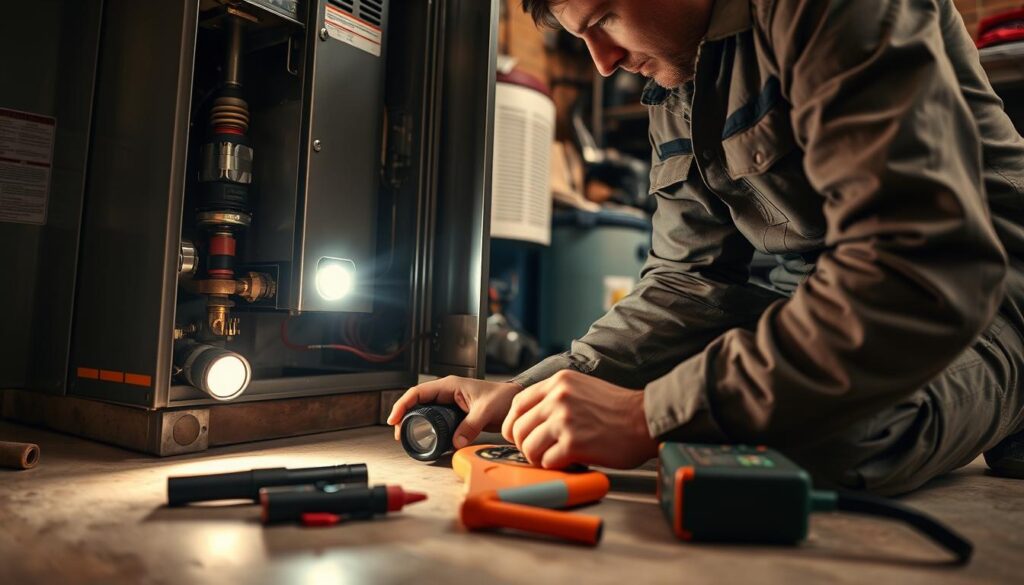
When your pilot light won’t stay lit, it can be frustrating and potentially dangerous. Understanding the root causes helps you diagnose and potentially resolve the issue before calling a professional.
Several common problems can prevent your pilot light from maintaining a steady flame:
- Dirty or clogged pilot light orifice
- Faulty thermocouple
- Gas supply interruptions
- Drafty installation area
Pro Tip: Before attempting any repairs, always prioritize safety and turn off the gas supply.
“A persistent pilot light issue could indicate a more serious underlying problem with your HVAC system.” – HVAC Professional
Diagnosing pilot light problems requires careful observation. Check for:
- Weak or inconsistent flame color
- Frequent flame extinguishing
- Unusual sounds near the gas valve
- Visible dirt or corrosion around the pilot assembly
If you’ve checked these issues and can’t resolve the problem, it’s time to contact a professional HVAC technician. They can perform a thorough diagnostic and ensure your system operates safely and efficiently.
Common Causes of Pilot Light Failure
Knowing why your pilot light goes out can prevent heating surprises. Many things can cause pilot light problems. These range from easy fixes to serious system issues.
Gas supply issues are a big worry for homeowners. Things like construction or gas line work can mess with your heating. These can lead to pilot light failures without warning.
Gas Supply and Pressure Complications
Gas supply problems come from different places. Some common issues include:
- Irregular gas pressure
- Bad gas valve functionality
- Faulty gas regulators
- High gas demand scenarios
Thermocouple Malfunction Insights
A cracked heat exchanger or a broken thermocouple can ruin your pilot light’s reliability. These parts need to be checked and might need to be replaced. This ensures your heating works right.
| Component | Potential Issue | Recommended Action |
|---|---|---|
| Thermocouple | Misalignment | Professional realignment |
| Heat Exchanger | Cracking | Immediate replacement |
| Gas Valve | Reduced functionality | Technical evaluation |
Ventilation and Draft Challenges
Outdoor factors greatly affect your pilot light’s stability. Drafts, high winds, and bad venting can put out your pilot light. Dirty pilot orifices make these problems worse.
Only 5% of furnaces have standing pilots today. But those that do face these issues. Regular upkeep can avoid most pilot light failure problems.
When to Call a Professional HVAC Technician
While fixing things yourself can save money, some issues need a pro. Knowing when to call an HVAC technician is key. It keeps you safe and prevents damage to your heating system.
You should reach out to a professional HVAC technician in these cases:
- Persistent pilot light problems after many tries
- Gas smell near the heating unit
- Visible damage to the thermocouple or gas valve
- Unusual noises from the heating system
- Frequent pilot light going out
Professional technicians have the right tools and know-how to fix complex heating system problems safely and well.
Deeper mechanical issues often cause pilot light problems. Certified HVAC pros can:
- Do a full system check
- Check gas pressure and line health
- Replace broken parts
- Make sure the system works right
- Check safety features
Trying to fix advanced problems without the right training can be risky. It might void your warranty or make things dangerous. Getting professional help keeps your heating system safe and working right.
“Safety should always be your primary concern when dealing with gas-powered heating systems.” – HVAC Safety Association
Conclusion
You now know a lot about managing your home’s HVAC pilot light. Always remember, safety first. Never skip the gas dissipation waiting period and make sure you have good ventilation when working with gas.
It’s important to know when to fix things yourself and when to call a pro. This keeps your heating system running smoothly.
Knowing the difference between simple and complex problems can save you time and keep you safe. If you see persistent issues or suspect something’s wrong, call a pro. They can give you the right help.
Think about getting annual professional maintenance to avoid most pilot light problems. Regular checks can catch issues early and keep your home warm. You might also look into new furnaces that use electronic ignition. They could save you up to 30% on energy costs.
With this knowledge, you’re ready to tackle pilot light problems. Your home will stay warm and safe all season. You’ll know when to fix things yourself and when to get help from experts.