Affiliate Disclosure
HVAC Guide Guys is a participant in the Amazon Services LLC Associates Program, an affiliate advertising program designed to provide a means for sites to earn advertising fees by advertising and linking to Amazon.
Is your air conditioner not cooling you down on hot days? Could your HVAC system’s compressor be failing? Knowing if your HVAC compressor is bad can prevent unexpected breakdowns and expensive fixes.
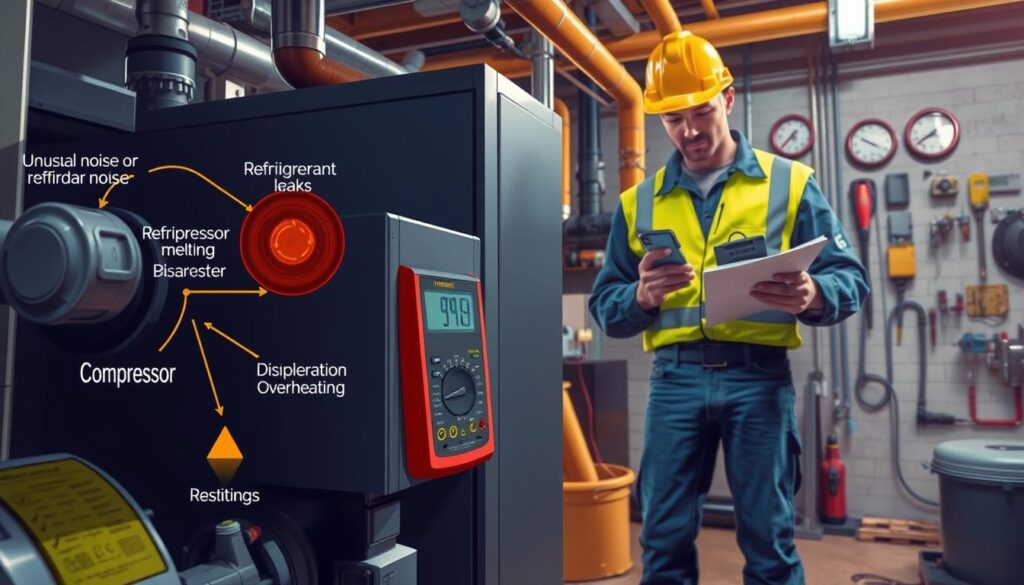
The compressor is key to your air conditioning system. It circulates refrigerant and keeps your home cool. If you notice bad compressor symptoms, your cooling might suffer. Spotting these signs early can help fix issues before they get worse.
Your air conditioning system is a big investment in comfort. Learning to spot compressor problems can protect your investment. This way, your home stays cool even when it’s hottest outside.
Key Takeaways
- Compressor issues can significantly impact home cooling performance
- Early detection of bad compressor symptoms prevents costly repairs
- Professional HVAC technicians can accurately diagnose compressor problems
- Regular maintenance helps prevent unexpected compressor failures
- Unusual noises and warm air are possible signs of compressor trouble
Table of Contents
What Is an HVAC Compressor and Why Does It Matter
Knowing about your air conditioner’s parts is key to keeping your home comfy. The HVAC compressor is the heart of your cooling system. It works like the heart of a living thing.
Your air conditioner needs the compressor to move refrigerant and change heat. It’s in the outdoor unit. This part makes refrigerant gas high-pressure, so your home stays cool.
The Powerhouse of Cooling Technology
The compressor does a few important things in your HVAC system:
- Pressurizes refrigerant gas
- Generates thermal energy
- Enables heat transfer between indoor and outdoor units
- Supports effective hvac repair strategies
Refrigerant Circulation Process
The refrigerant goes on a cool journey through your air conditioner:
- Low-pressure refrigerant enters the compressor
- Compressor increases refrigerant pressure and temperature
- High-pressure gas moves to the condenser
- Heat is released, converting gas to liquid
- Liquid refrigerant travels to evaporator coils
- Coils absorb indoor heat, returning refrigerant to gas state
Knowing how the compressor works helps you see why it’s so important. It shows why keeping it in good shape is key.
Explore Our HVAC Shop
Looking for top-rated HVAC tools, parts, and accessories? Visit our shop and find the perfect solution for your needs.
Visit the ShopHow to Know If HVAC Compressor Is Bad
Spotting early signs of a failing AC compressor can prevent expensive fixes and keep your home cool. Knowing these signs helps you catch problems before they get worse.
Your air conditioning system sends out clear signals if something’s amiss with the compressor. Keep an eye out for these important warning signs:
- Unusual Noises: Clicking, rattling, or loud clunking sounds when the unit starts or runs
- Warm air blowing from vents instead of cool air
- Frequent circuit breaker tripping
- Visible moisture or puddles around the HVAC system
- Complete system failure to start
Before jumping to conclusions, try some basic checks. Check your circuit breaker, swap out the air filter, and make sure the outdoor unit is clean. These steps might fix minor problems without needing a pro.
When multiple symptoms occur at once, it’s a clear sign your AC compressor might be failing. You’ll need expert help.
Don’t try to fix complex issues yourself. Fixing compressor problems needs special skills in electrical systems and refrigerant handling. If you keep running into problems, call a certified HVAC pro for a proper check and fix.
Your Air Conditioner Won’t Turn On or Start
When your air conditioner won’t start, it might mean serious compressor problems. Knowing why your AC unit won’t work is key for fixing it.
A bad compressor can cause many startup issues. These problems can make you feel stuck and hot. Spotting these signs early can stop bigger problems.
Circuit Breaker Problems and Warning Signs
Tripping circuit breakers often means your compressor isn’t working right. Look out for these signs:
- Breaker trips right after you turn on the AC
- Unusual warmth near the electrical panel
- Burning smell near the circuit breaker
- Trying to reset it often doesn’t fix the problem
Tripping circuit breakers a lot means your compressor is using too much power. This could be because it’s hard to start or has mechanical issues.
Dead Compressor Preventing System Startup
A dead compressor is a big problem for your air conditioning. Look out for these signs:
- No sound when you turn on the thermostat
- No cooling at all
- The outdoor unit is completely quiet
- No air coming from the vents
Experts say not to keep resetting tripped breakers. It can cause more damage and be dangerous. If you think your compressor is broken, call a pro for a full check.
Explore Our HVAC Shop
Looking for top-rated HVAC tools, parts, and accessories? Visit our shop and find the perfect solution for your needs.
Visit the ShopStrange Noises Coming From Your HVAC Unit
When your HVAC system starts making unusual sounds, it’s important to listen. Compressor noise can be a warning sign of problems that might need a pro. Different sounds can mean different issues with your air conditioning.
- Clicking or Ticking Sounds: Often suggest electrical problems, potentially indicating a faulty relay switch
- Rattling or Rumbling Noises: May signal loose motor mounts or internal component issues
- Hissing or Whistling: Could indicate a refrigerant leak
- Banging or Clanking: Might point to loose or broken parts within the system
Not all sounds mean disaster right away, but don’t ignore compressor noise. These sounds usually get worse and can cause system failure if not fixed. The sound’s location and when you hear it can help technicians figure out what’s wrong.
Unusual compressor noise is your system’s way of communicating problems. Listen carefully and act quickly.
It’s best to get a pro to check your HVAC unit if you hear strange sounds. Trained technicians can find out why you’re hearing compressor noise and stop more costly repairs later.
Warm Air Blowing Instead of Cold Air
When your air conditioning system blows warm air, it’s a bad sign. It means your compressor might be failing. Knowing these signs helps you fix problems before they cost a lot.
Your air conditioner should cool your home. But if it doesn’t, there could be serious issues.
Inadequate Cooling Performance Throughout Your Home
Uneven temperatures can mean your compressor is struggling. Look out for these warning signs:
- Some rooms stay warm while others cool down
- The air conditioner runs all the time but doesn’t cool enough
- There’s a big difference in temperature between floors or rooms
These signs point to a compressor problem. The compressor is key to cooling your home. If it fails, your whole system won’t work right.
Reduced Airflow From Vents
Weak airflow means deeper compressor issues. Here’s a quick guide to help:
- Check and replace air filters
- Look for blockages in vents
- Clean the outdoor unit and remove debris
- Make sure the indoor blower is working
If airflow is weak after these steps, your compressor might be failing. Getting a professional to check it is important to avoid bigger problems.
Explore Our HVAC Shop
Looking for top-rated HVAC tools, parts, and accessories? Visit our shop and find the perfect solution for your needs.
Visit the ShopVisible Signs of Compressor Failure
Spotting HVAC compressor problems early can save you money. Your system shows clear signs if something’s wrong with the compressor.
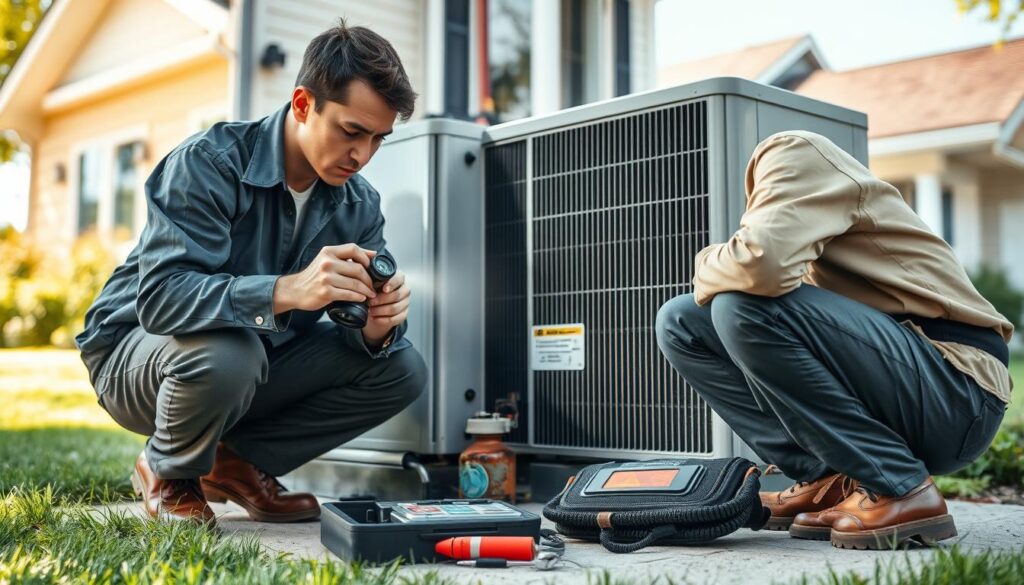
- Refrigerant leak evidence around the unit
- Unexpected ice buildup on compressor components
- Oily residue near refrigeration lines
- Scorch marks or burnt electrical connections
A refrigerant leak shows up as greasy spots or puddles near your outdoor unit. These leaks make your compressor work too hard, which can cause it to fail. Refrigerant leaks are not just mechanical problems—they pose environmental and health risks.
Ice on your system is another warning sign. While some ice is normal, too much means there’s a problem. This usually comes from refrigerant leaks that mess up your cooling cycle.
| Visual Sign | Potential Issue | Recommended Action |
|---|---|---|
| Oily Puddles | Refrigerant Leak | Contact HVAC Professional |
| Ice Buildup | Low Refrigerant Pressure | System Inspection Needed |
| Burnt Wiring | Electrical Malfunction | Immediate Professional Repair |
Remember, these signs need a pro to check. Don’t try to fix refrigerant leaks or electrical issues yourself. A licensed HVAC tech can safely find and fix compressor problems.
Your Energy Bills Are Suddenly Much Higher
Unexpected spikes in your electricity bills can be a red flag for HVAC compressor problems. When your air conditioning system starts consuming more power without a clear reason, it might be signaling significant issues with your compressor’s performance.
Compressor Running Continuously Without Reaching Set Temperature
A failing compressor often exhibits telltale bad compressor symptoms through its continuous operation. In a healthy system, your AC cycles on and off to maintain the desired temperature. When the compressor struggles, it may run non-stop without effectively cooling your space.
- Constant system running without achieving set temperature
- Extended operation times of 12-24 hours daily
- Increased electrical consumption
Inefficient System Operation Consuming More Power
HVAC compressor troubleshooting becomes critical when you notice dramatic increases in energy expenditure. A malfunctioning compressor forces your system to work harder, drawing more electricity while producing less cooling effect.
“An inefficient compressor is like a car with engine problems – it consumes more energy but delivers less performance.”
To identify compressor issues, compare your current energy bills with previous years’ records. Sudden increases of 20-50% without explanation typically indicate equipment malfunction. Professional HVAC inspections can help diagnose and resolve these energy-draining problems before they escalate.
Explore Our HVAC Shop
Looking for top-rated HVAC tools, parts, and accessories? Visit our shop and find the perfect solution for your needs.
Visit the ShopHow Long Do AC Compressors Last and Maintenance Tips
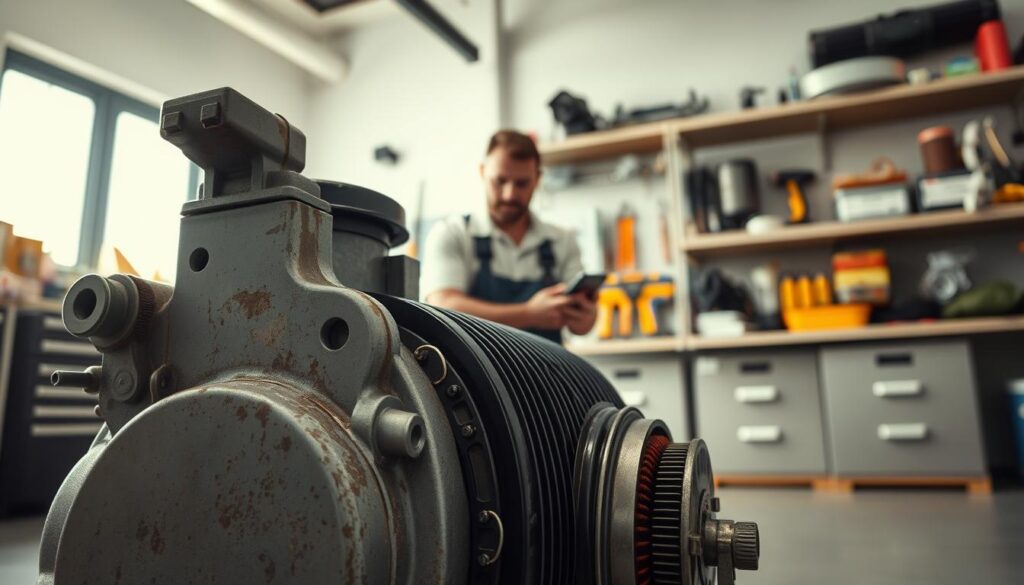
Your air conditioner compressor is key to your cooling system’s performance. AC compressors usually last 10 to 15 years. But, their lifespan can change based on several important factors.
Knowing what affects compressor failure helps keep your HVAC system running well. Here are the main things that can impact how long your compressor lasts:
- Regular maintenance frequency
- System usage patterns
- Geographic location
- Unit size and installation
- Refrigerant levels
Proper care and maintenance can make your compressor last longer. Experts recommend these steps to avoid compressor failure:
- Change air filters every 1-3 months
- Schedule annual professional inspections
- Keep outdoor units clear of debris
- Maintain consistent system operation
- Monitor refrigerant levels
Pro Tip: Up to 80% of premature compressor failures can be prevented with timely maintenance and professional care.
Your location affects your compressor’s lifespan. In southern states, compressors last 8-10 years because they’re used more often. In the north, they can last 15-20 years. Regular maintenance can help your system work better and last longer.
Conclusion
Spotting the signs of a failing ac compressor can save you a lot of money and hassle. If you hear odd noises, feel warm air, or have trouble starting the system, act fast. It’s time to call a professional technician.
Replacing the compressor can cost between $1,000 and $2,500. This price depends on the unit size, brand, and warranty. Though it’s a big expense, fixing problems early can save you from even bigger costs later. It also helps your air conditioner last longer.
Regular maintenance is key to avoiding compressor problems. Get your HVAC checked every year to catch issues early. A technician can spot warning signs, do tune-ups, and help you decide if you need repairs or a new unit.
Being proactive and watching your system’s performance is important. It keeps your home comfortable and your HVAC running well. If you think there’s a problem with the compressor, get expert help right away. This ensures your cooling system works without a hitch.
FAQ
How can I tell if my HVAC compressor is failing?
Can I diagnose compressor problems myself?
What sounds indicate a failing compressor?
How expensive is compressor replacement?
How can I tell if my HVAC compressor is failing?
Can I diagnose compressor problems myself?
What sounds indicate a failing compressor?
How expensive is compressor replacement?
FAQ
How can I tell if my HVAC compressor is failing?
Look for signs like unusual noises, warm air, and a system that won’t start. High energy bills and refrigerant leaks are also warning signs. If you see several of these, it’s time to call a pro.
Can I diagnose compressor problems myself?
You can check air filters and circuit breakers yourself. But, for a real diagnosis, you need a pro. They know how to handle the complex parts of your system.
What sounds indicate a failing compressor?
Listen for clicking, ticking, rattling, and hissing sounds. These could mean electrical or mechanical issues. If you hear anything new or odd, get it checked by a technician.
How expensive is compressor replacement?
Replacing a compressor can cost
FAQ
How can I tell if my HVAC compressor is failing?
Look for signs like unusual noises, warm air, and a system that won’t start. High energy bills and refrigerant leaks are also warning signs. If you see several of these, it’s time to call a pro.
Can I diagnose compressor problems myself?
You can check air filters and circuit breakers yourself. But, for a real diagnosis, you need a pro. They know how to handle the complex parts of your system.
What sounds indicate a failing compressor?
Listen for clicking, ticking, rattling, and hissing sounds. These could mean electrical or mechanical issues. If you hear anything new or odd, get it checked by a technician.
How expensive is compressor replacement?
Replacing a compressor can cost $1,000 to $2,500. Prices vary based on size, brand, and where you live. Sometimes, replacing the whole system is cheaper, if your unit is old.
How long should an HVAC compressor last?
With good care, a compressor can last 10 to 20 years. Its life depends on maintenance, climate, and how well it’s sized. Regular checks can help it last longer.
What causes compressor failure?
Failure can come from not maintaining it, refrigerant leaks, or electrical issues. It can also happen if the system is too small or if it’s exposed to extreme weather. About 80% of failures can be prevented with proper care.
Is a continuously running AC always a sign of compressor failure?
Not always, but it can be a sign. It might mean the system is too small or the thermostat is off. If your AC runs all the time without cooling, get it checked by a pro.
Can I prevent compressor failure?
Yes, regular maintenance helps a lot. Change air filters, keep the outdoor unit clean, and get annual checks. Fix any problems right away to avoid failure.
What should I do if I suspect compressor problems?
First, check the basics like air filters and circuit breakers. If problems continue, call a licensed HVAC technician. Don’t try to fix it yourself, as it can cause more harm.
Are refrigerant leaks always a sign of compressor failure?
Not always, but they can lead to failure if not fixed. Leaks make the compressor work harder, which can cause overheating. Any leak needs immediate professional attention for safety and environmental reasons.
,000 to ,500. Prices vary based on size, brand, and where you live. Sometimes, replacing the whole system is cheaper, if your unit is old.
How long should an HVAC compressor last?
With good care, a compressor can last 10 to 20 years. Its life depends on maintenance, climate, and how well it’s sized. Regular checks can help it last longer.
What causes compressor failure?
Failure can come from not maintaining it, refrigerant leaks, or electrical issues. It can also happen if the system is too small or if it’s exposed to extreme weather. About 80% of failures can be prevented with proper care.
Is a continuously running AC always a sign of compressor failure?
Not always, but it can be a sign. It might mean the system is too small or the thermostat is off. If your AC runs all the time without cooling, get it checked by a pro.
Can I prevent compressor failure?
Yes, regular maintenance helps a lot. Change air filters, keep the outdoor unit clean, and get annual checks. Fix any problems right away to avoid failure.
What should I do if I suspect compressor problems?
First, check the basics like air filters and circuit breakers. If problems continue, call a licensed HVAC technician. Don’t try to fix it yourself, as it can cause more harm.
Are refrigerant leaks always a sign of compressor failure?
Not always, but they can lead to failure if not fixed. Leaks make the compressor work harder, which can cause overheating. Any leak needs immediate professional attention for safety and environmental reasons.