Affiliate Disclosure
HVAC Guide Guys is a participant in the Amazon Services LLC Associates Program, an affiliate advertising program designed to provide a means for sites to earn advertising fees by advertising and linking to Amazon.
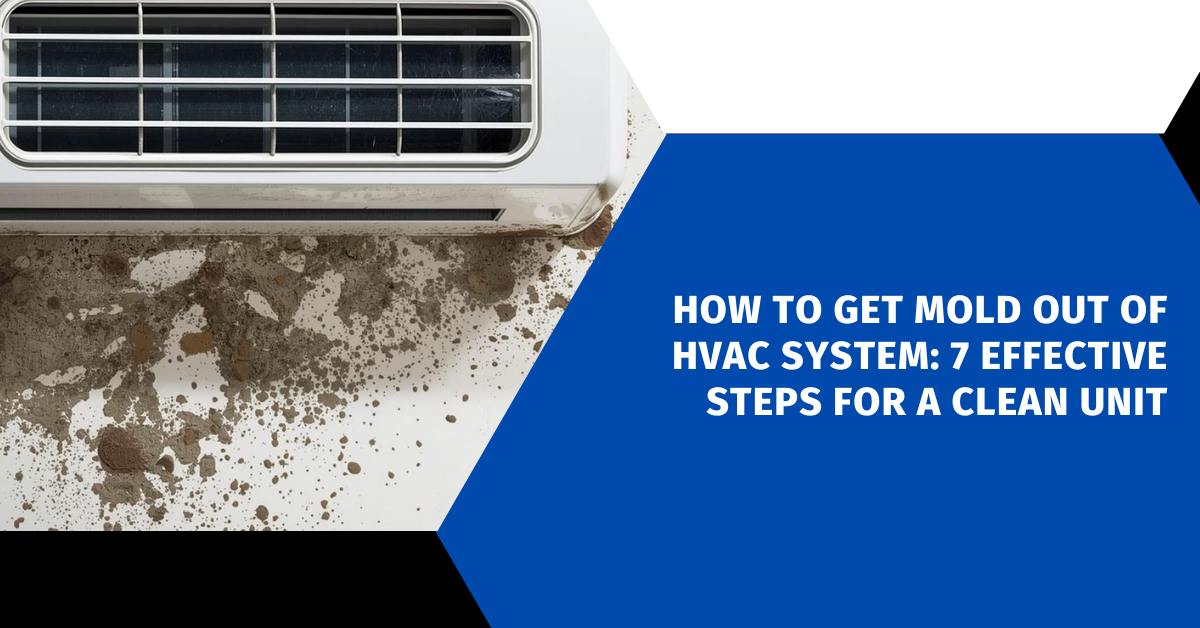
Do you breathe in mold spores every time you turn on the air conditioning? Mold in your HVAC system can harm your home’s air quality and your family’s health. It’s a hidden danger many overlook.

Mold loves dark, damp places, and your air conditioning system is perfect for it. Moisture inside your HVAC system is a breeding ground for mold. Getting mold removed by professionals can cost between $3,000 and $10,000, depending on the problem.
It’s important to know how to remove mold from your HVAC system. This guide will show you a 7-step process to find, remove, and stop mold in your air conditioning. It will keep your family healthy and your home safe.
Key Takeaways
- Mold in HVAC systems can pose serious health risks
- Early detection is critical for effective mold removal
- DIY cleaning is possible for minor mold issues
- Professional remediation may be necessary for extensive growth
- Regular maintenance prevents future mold problems
Table of Contents
Understanding Mold Growth in Your HVAC System
Your air conditioning system can become a perfect breeding ground for mold when specific conditions are met. Mold in air conditioning systems thrives in environments with three critical elements: moisture, warmth, and organic matter.
Why Moisture Accumulates in Air Conditioning Units
Moisture is the primary catalyst for mold growth in HVAC systems. During the cooling process, your air conditioner naturally creates condensation. This moisture can accumulate in several ways:
- Clogged condensate drains
- Poor duct insulation
- Leaky ductwork
- Restricted airflow from dirty filters
Temperature Fluctuations and Condensation Issues
Temperature changes create ideal conditions for mold in air conditioning systems. When cool air meets warm surfaces in spaces like attics or crawl spaces, condensation forms. This moisture, combined with dust and organic debris, provides an excellent environment for mold colonies to develop.
Poor Ventilation and Maintenance Problems
Neglecting your HVAC system’s maintenance can accelerate mold growth. Dirty air filters, infrequent cleaning, and improper unit sizing contribute to moisture buildup and restricted airflow. Regular maintenance is key in preventing mold from spreading throughout your home’s cooling system.
Explore Our HVAC Shop
Looking for top-rated HVAC tools, parts, and accessories? Visit our shop and find the perfect solution for your needs.
Visit the ShopHealth Risks and System Damage from HVAC Mold
Mold in your HVAC system is more than just a nuisance. It can seriously harm your health and that of your family. If you ignore mold in your HVAC, the problems can get worse.
Being exposed to mold spores in your air conditioning can cause many health issues:
- Respiratory problems and trouble breathing
- Allergic reactions and skin rashes
- Chronic sinus infections
- Asthma attacks and worsening respiratory conditions
Those with weak immune systems are at even higher risk. People getting medical treatments or with chronic conditions are very vulnerable to mold in HVAC systems.
Mold can also damage your air conditioning unit’s performance. As mold grows, your system has to work harder to keep the temperature right. This leads to:
- More energy use
- Higher bills for utilities
- Possible damage to system parts
- Less efficiency in your system
Acting fast and getting professional help for mold in HVAC systems can keep you and your home safe.
Identifying Mold in Your Air Conditioning System
Finding mold in your HVAC system early can stop serious health problems and expensive fixes. Cleaning mold from air ducts needs a sharp eye and knowing the signs of trouble.
Visual Signs of Mold Growth
Checking for mold in air ducts starts with what you see. Look out for these signs:
- Black, brown, or green patches on vent covers
- Discoloration around air registers
- Fuzzy or powdery growth on ductwork surfaces
- White or gray substances near moisture-prone areas
Musty Odors and Air Quality Changes
Cleaning mold from air ducts is not just about what you see. It’s also about what you smell. Notice these signs:
- Persistent musty or damp odors when the AC runs
- Increased allergy symptoms like sneezing or watery eyes
- Unexplained respiratory irritation
- Stale or stuffy indoor air
Performance Issues and Energy Inefficiency
Mold can really hurt your HVAC system’s performance. Watch for these signs:
- Weak airflow from vents
- Unusually long cooling cycles
- Unexpected increases in energy bills
- Excessive condensation around the unit
- Warped or discolored ductwork
If you see many signs, it’s time to dig deeper. You might need to get help from professionals to clean mold from air ducts. This will keep your home’s air quality and HVAC system running well.
Safety Preparation Before Cleaning Mold
When you start cleaning mold, keeping yourself safe is key. Mold removal needs careful steps to protect your health and stop mold from spreading in your home.
Experts say it’s important to take safety steps before you begin cleaning mold yourself.
Essential Protective Equipment
- N95 or P100 respirator mask
- Safety goggles with no ventilation
- Disposable nitrile gloves
- Protective coveralls or old clothing
- Shoe covers
Your safety gear is your main defense against mold spores. Never compromise on personal safety during mold removal.
| Equipment | Purpose |
|---|---|
| Respirator Mask | Prevent inhalation of mold spores |
| Safety Goggles | Protect eyes from spores and cleaning solutions |
| Disposable Gloves | Shield hands from contaminants |
System Shutdown and Work Area Setup
Before you start cleaning mold, do these important steps:
- Turn off HVAC system at thermostat
- Shut down system at main electrical panel
- Open windows for ventilation
- Install plastic sheeting to contain work area
- Prepare disposal bags for contaminated materials
“Proper preparation prevents poor performance” – Mold Remediation Safety Guide
By following these safety tips, you’ll keep yourself safe and reduce the chance of mold spreading while you clean.
Explore Our HVAC Shop
Looking for top-rated HVAC tools, parts, and accessories? Visit our shop and find the perfect solution for your needs.
Visit the ShopHow to Get Mold Out of HVAC System
Removing mold from your HVAC system needs a careful plan. It involves several important steps to clean well and stop mold from coming back. It’s vital to be safe and precise when cleaning your HVAC system.
- Power Down the System
First, turn off your air conditioning unit. For window units, unplug from the wall. For central systems, switch off the circuit breaker to avoid electrical risks.
- Inspect and Remove Components
Take out parts like filters and vent covers. Look for mold on each part. Throw away dirty filters in sealed bags and clean reusable parts.
- Clean Debris and Surfaces
Use a HEPA-filter vacuum to clean dust and debris. Focus on corners and hard spots where mold likes to grow. Clean slowly to avoid spreading mold.
- Prepare Cleaning Solution
Choose a good cleaning solution. You can use:
- Commercial HVAC mold removers
- Mild dish detergent solution
- White vinegar mixture
- 3% hydrogen peroxide
- Apply Cleaning Solution
Wipe down surfaces with your cleaning solution. Use soft cloths or brushes for mold spots. Don’t get electrical parts wet.
- Allow Dwell Time
Let the solution sit for about 20 minutes. This helps kill mold spores. Rinse with clean water and remove any leftover solution.
- Complete Drying Process
Let everything air dry completely before putting it back together. This might take a few hours. Put in a new air filter and watch your system’s performance after cleaning.
By following these steps, you can remove mold from your HVAC system. This will make your home’s air cleaner. Regular checks and keeping moisture down will help stop mold from coming back.
Cleaning Vent Covers, Registers, and Accessible Ductwork
Dealing with mold in your HVAC system means focusing on vent covers and registers. It’s key to remove mildew from air vents to keep your home healthy. You’ll need to use several cleaning methods to get rid of mold and stop it from coming back.

Removing Contaminated Components
Begin by taking out all vent covers and registers. Cleaning your air ducts starts with removing these parts. Here’s how to clean them well:
- Unscrew vent covers using the right screwdrivers
- Check each part for a lot of mold
- Make a cleaning mix of warm water and dish soap
- Soak dirty covers in the mix for 15-30 minutes
Effective Cleaning Techniques
You’ll need different cleaning methods to get rid of mildew from air vents:
- Vinegar Solution: Mix equal parts white vinegar and water
- Scrubbing: Use a stiff brush to scrub off mold
- Disinfecting: Use special mold removal products for HVAC
- Drying: Dry parts completely before putting them back
Vacuuming and Deep Cleaning
Once you’ve taken out parts, clean the ductwork you can reach. Use a HEPA vacuum to pick up debris without spreading mold. Pay extra attention to where mold often grows, like joints and seams.
Pro Tip: Always wear protective gear and ensure proper ventilation during the cleaning process.
Cleaning your HVAC system’s visible parts can really help cut down mold and make your air cleaner.
When to Hire Professional Mold Remediation Services
Mold in your HVAC system is a big problem that needs careful thought. Some small mold issues can be fixed on your own. But, some cases need help from mold experts.
Think about getting professional help when:
- Mold covers more than 10 square feet of surface area
- Mold spreads throughout entire duct systems
- Household members have respiratory conditions or compromised immune systems
- Structural damage to ductwork is visible
Experts in mold removal have big advantages. They use special tools like negative air machines and industrial-grade HEPA vacuums to safely clean. They find mold in hard spots and fix moisture problems that cause mold to come back.
Cost is a big factor. Mold treatment can cost between $3,000 and $10,000, based on how bad it is. Even though it’s pricey, experts give a full fix that keeps mold away and keeps your air clean.
It’s smart to have your HVAC checked by pros once a year. This way, you catch mold problems early and avoid big costs later.
Explore Our HVAC Shop
Looking for top-rated HVAC tools, parts, and accessories? Visit our shop and find the perfect solution for your needs.
Visit the ShopPreventing Future Mold Growth in Your HVAC System
To keep your HVAC system mold-free, you need to act early. Use maintenance and control methods to keep your home’s air clean and safe.

Moisture Control and Humidity Management
Keeping moisture levels in check is key to stopping mold. Here’s how to manage humidity:
- Install a whole-house dehumidifier
- Use exhaust fans in bathrooms and kitchens
- Check for condensation around air vents
- Repair any water leaks promptly
Regular Maintenance and Filter Replacement
Regular upkeep is vital to stop mold in HVAC systems. Follow these steps for maintenance:
- Replace air filters every 1-3 months
- Schedule annual professional HVAC inspections
- Clean ductwork every 3-5 years
- Inspect condensate drains regularly
Proper Ventilation and Air Circulation
Good air flow is essential to prevent mold. Boost ventilation by:
- Opening windows periodically
- Using air purifiers with HEPA filters
- Ensuring unobstructed air vents
- Running fans to promote air movement
With these steps, you’ll lower mold risk in your HVAC system. This protects your home’s air and your family’s health.
Conclusion
HVAC mold removal is key to a healthy home. Your air conditioning system can harbor harmful mold if moisture and organic materials build up. Quick action is needed to avoid respiratory problems and damage to your HVAC system.
Knowing the risks of mold in your air conditioner helps you act fast. Regular maintenance, like replacing filters and controlling humidity, can lower mold chances. If you find mold, decide if you can handle it yourself or need a professional.
Your safety is most important when removing mold from your HVAC. Wear protective gear, work in areas with good air flow, and think about getting professional help for big mold problems. If mold keeps coming back or you’re not sure what to do, an HVAC technician can help.
By following this guide, you can manage and stop mold in your air conditioner. Stay alert, keep your HVAC in good shape, and act fast if you see mold. This way, you’ll keep your home clean and healthy.