Affiliate Disclosure
HVAC Guide Guys is a participant in the Amazon Services LLC Associates Program, an affiliate advertising program designed to provide a means for sites to earn advertising fees by advertising and linking to Amazon.
Are you ready to start a rewarding career in the HVAC industry? Getting an HVAC license in Virginia could be your big break. It offers stability, growth, and credibility.
In Virginia, all HVAC technicians need a license from the Department of Professional and Occupational Regulation (DPOR). With over 13,540 HVAC workers and a 6% job growth expected, getting your license is a great chance.
To get licensed, you need to meet certain requirements. These include education, work experience, and passing exams. By following these steps, you’ll become a certified professional ready to face Virginia’s climate challenges.
Key Takeaways
- HVAC licensing in Virginia is mandatory for professional work
- Minimum age requirement is 18 years old
- Multiple pathways exist for obtaining your license
- Licensing ensures public safety and professional competency
- Credentials can lead to higher earning
Table of Contents
Understanding HVAC Licensing Requirements in Virginia
Getting an HVAC journeyman license in Virginia needs careful steps. You must meet educational, experience, and personal standards. The Virginia Department of Professional and Occupational Regulation (DPOR) sets clear rules for those wanting professional certification in the state.
To start your hvac certification process in va, you must fulfill several important criteria. These show you’re ready and skilled for the job.
Educational Prerequisites for HVAC Technicians
Virginia has different ways to meet the educational needs for HVAC licensing:
- Bachelor’s degree in mechanical engineering with 1 year experience
- Associate’s degree from an HVAC program with 2 years experience
- 240 hours of vocational training plus 4 years practical experience
- 10 years of verified practical work experience
Work Experience Requirements
Virginia requires you to show a lot of hands-on experience. The state is flexible with experience requirements:
- Each additional year of experience can substitute for 80 hours of training
- Maximum substitution is limited to 200 training hours
- Detailed work logs and employer verification are essential
Age and Background Check Requirements
To get an HVAC license in Virginia, you must:
- Be at least 18 years old
- Provide a physical home address (no P.O. boxes)
- Undergo a thorough background check
- Disclose any criminal convictions
The Board for Contractors looks at each application closely. They consider the type and timing of any past crimes. Being open is important in the licensing process.
Explore Our HVAC Shop
Looking for top-rated HVAC tools, parts, and accessories? Visit our shop and find the perfect solution for your needs.
Visit the ShopTypes of HVAC Licenses Available in Virginia
Understanding the Virginia HVAC contractor license requirements can be tricky. The state has a clear licensing system with three main levels. These levels help you grow in your HVAC career.
- Journeyman License: Your first step for working on HVAC projects on your own
- Master License: For those who can design and oversee HVAC systems
- Contractor License: Needed for bigger projects and running an HVAC business
The Virginia mechanical contractor license system has three classes for contractors:
| License Class | Project Limit | Experience Required | Capital Requirement |
|---|---|---|---|
| Class A | Unlimited | 5 years | $45,000 |
| Class B | $750,000 annually | 3 years | $15,000 |
| Class C | $150,000 annually | 2 years | Not specified |
When looking at HVAC license types in Virginia, remember that licenses are for businesses, not people. You need a Master license first. Then, you must finish an 8-hour pre-license course.
Each license level is a step up in your career. It lets you handle more complex HVAC jobs. This opens up more chances for you in Virginia’s booming construction field.
How to Get HVAC License in Virginia
Getting an HVAC license in Virginia takes careful planning and hard work. Your path to becoming a licensed HVAC technician has several important steps. These steps will help turn your dreams into reality.
The Virginia HVAC license process makes sure only the best professionals join the field. You must follow a clear path to get your license.
Complete Required Education and Training Hours
Your first step is to finish your education and training. You can choose from:
- Community college vocational programs
- Technical school certifications
- Apprenticeship programs through the Virginia Apprenticeship Council
- Accredited university technical training courses
Gain Practical Work Experience
Getting real-world experience is key for your license application. You need to show:
- Verified work hours under licensed professionals
- Detailed work logs showing your skills
- Employer verification letters
Submit Your Application to DPOR
Get ready to apply to the Department of Professional and Occupational Regulation (DPOR). Make sure your application has:
- Completed application form
- Educational transcripts
- Proof of work experience
- Background check documentation
- Required application fees
Pass the State-Mandated Licensing Examination
Your last step is to pass the state licensing exam through PSI Testing Services. Once you pass, your HVAC license will be sent to you.
Pro tip: Prepare well for the exam by studying technical materials and practicing sample questions. This will help you succeed.
Virginia HVAC License Exam Preparation and Testing Process
Getting ready for your hvac license exam in Virginia needs careful planning. You must understand the testing process. To become a licensed HVAC pro, you must meet specific state exam requirements.
The testing process in Virginia is handled by PSI Testing Services. They are a professional group that gives detailed exams to trade pros all over the state.
Exam Format and Content Areas
Your psi hvac exam in Virginia will test your technical and practical skills. The exam has multiple-choice questions on:
- System design and installation techniques
- Electrical component understanding
- Refrigerant handling procedures
- Safety protocols
- Virginia building code requirements
Scheduling Your Exam with PSI Testing Services
To book your exam, just follow these steps:
- Visit www.psiexams.com
- Create an account
- Select your specific HVAC license examination
- Choose an available testing date and location
- Pay the required examination fee
Exam costs change based on the license type, from $72 to $125. Make sure to study well. Check the PSI Individual License and Certification Candidate Information Bulletin for all exam details.
Costs Associated with Getting an HVAC License in Virginia
Getting an HVAC license in Virginia means you’ll face some costs. Knowing about the renewal fees and license costs will help you plan your budget.
The cost of a license depends on the type you want. Here’s a list of the main expenses you’ll face:
- Journeyman License:
- License Fee: $130
- Exam Fee: $100
- Total Initial Cost: $230
- Master License:
- License Fee: $130-$140
- Exam Fee: $125
- Total Initial Cost: $255-$265
- Contractor Licenses:
- Class A: $470 total
- Class B: $442 total
- Class C: $235 total
There are more costs to consider after getting your license. Training programs can cost from a few thousand dollars to $30,000. Pre-license courses usually cost between $100-$300.
The cost of keeping your license includes a two-year renewal fee of $90 for all types. You should also think about extra costs like:
- EPA 608 Certification: $20-$150
- Commercial Liability Insurance
- Workers’ Compensation Insurance (if hiring employees)
Pro tip: Some employers offer tuition reimbursement or apprenticeships. These can help lower your costs for becoming a licensed HVAC professional in Virginia.
Explore Our HVAC Shop
Looking for top-rated HVAC tools, parts, and accessories? Visit our shop and find the perfect solution for your needs.
Visit the ShopHVAC Training Programs and Schools in Virginia
Choosing the right HVAC training program is key. Virginia has many paths for those wanting to be HVAC technicians. You’ll need to know the educational choices in the state to start your HVAC career.
Accredited Vocational Training Providers
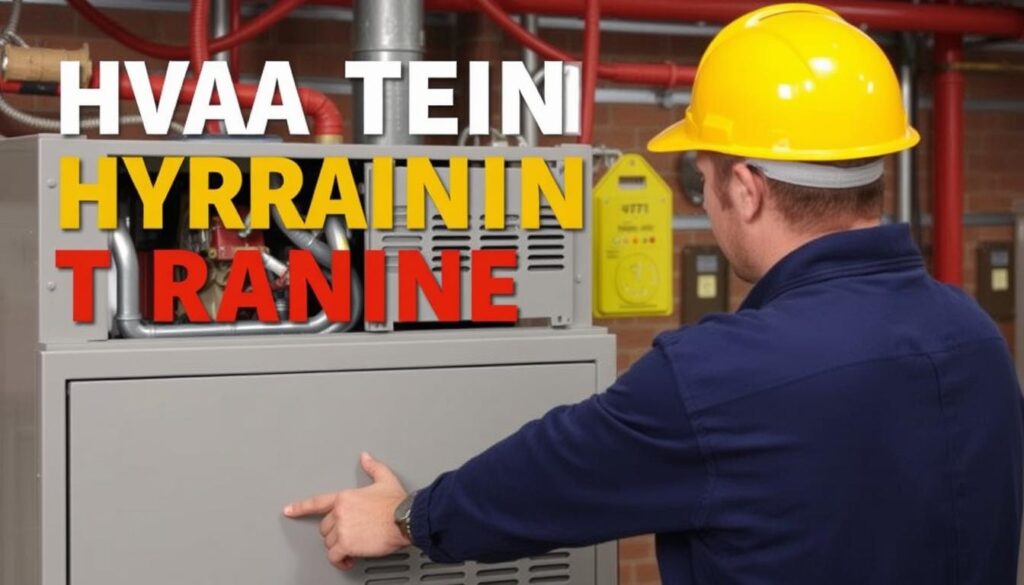
Look for hvac technician training in Virginia that’s approved by the Virginia Department of Education. Some top schools for HVAC training include:
- Northern Virginia Community College in Woodbridge
- Advanced Career Education Center in Henrico
- Edison Academy in Alexandria
- Norfolk Technical Center
- Virginia Beach Technical and Career Education Center
Community College Programs
Virginia’s community colleges offer great hvac schools. They have two main programs:
- Associate of Applied Science in HVAC – A two-year degree
- Certificate Programs – Shorter, 6-12 month training
Apprenticeship Opportunities
Apprenticeships are perfect for those who like hands-on learning. They last five years and mix classroom learning with real-world experience. Local unions and employers offer these apprenticeships.
| Program Type | Duration | Key Benefits |
|---|---|---|
| Union Apprenticeships | 5 years | Structured curriculum, standardized training |
| Employer-Specific Programs | 5 years | Customized training, direct job placement |
Exploring these training options will prepare you for a career in HVAC. You’ll get the skills and licenses needed to work as a technician in Virginia.
Career Advancement from Journeyman to Master to Contractor
Your HVAC career in Virginia has a clear path for growth. You start as an apprentice, gaining skills and experience under supervision. The virginia hvac contractor license requirements guide ambitious technicians on their journey.
The journey includes several important steps:
- Apprentice: Entry-level with supervised training
- Journeyman: Works on projects under $1,000 independently
- Master: Gets advanced certification for system design and supervision
- Contractor: Owns a business and manages large projects
To move up in your HVAC career in Virginia, you need lots of experience and to pass tough exams. The master hvac license virginia is a big step in your career.
| License Level | Required Experience | Project Scope |
|---|---|---|
| Journeyman | 4 years minimum | Projects under $1,000 |
| Master | 5-10 years | System design and supervision |
| Contractor | 7-12 years | Large-scale projects and business management |
Each step up means more responsibility and better pay. Patience and continuous learning are essential. Your hard work will turn you into a respected HVAC expert, maybe even a business owner.
Explore Our HVAC Shop
Looking for top-rated HVAC tools, parts, and accessories? Visit our shop and find the perfect solution for your needs.
Visit the ShopSalary Expectations and Career Outlook for Licensed HVAC Technicians in Virginia
Starting a career in HVAC in Virginia is exciting. The hvac salary in Virginia offers great chances for skilled workers. It’s a stable and rewarding career path.
Virginia’s HVAC industry is very appealing for technicians at all levels. The Bureau of Labor Statistics says HVAC technicians in Virginia make $58,770 a year. This is a good starting point for financial security.
Salary Breakdown by Experience Level
- Entry-Level HVAC Technician: $53,310 annually
- Mid-Career HVAC Professional: $60,674 annually
- Experienced HVAC Mechanic: $59,197 annually
- HVAC Supervisor: Up to $92,343 annually
Your salary as an HVAC technician in Virginia can go up with more certifications and skills. Where you live also matters. Cities like Northern Virginia pay more.
Job Growth Projections
The future for HVAC jobs in Virginia is very promising. The national growth rate is 9% from 2023-2033. Virginia is growing at 6% for mechanics and installers. This means lots of job openings and chances to move up.
The need for skilled HVAC technicians keeps growing. This is because of energy-saving tech and old buildings needing repairs.
If you’re starting or want to grow in your HVAC career in Virginia, there are many ways to succeed. Your salary will increase with experience, certifications, and special skills in this fast-paced field.
Conclusion
Getting an HVAC license in Virginia opens up many professional doors. Your journey to get an HVAC license in Virginia needs dedication, planning, and a commitment to grow. The guide you’ve looked at gives you a detailed plan to meet the licensing needs and start a successful career.
To become a licensed HVAC pro, you must prepare well. You’ll need to finish your education and get work experience. This hard work will lead to better pay and job security in a booming field.
Virginia has different licenses for HVAC pros, allowing for growth. You can start as a Journeyman or aim to be a Contractor. Remember, staying committed is essential. Many HVAC pros have made it, and you can too with the right effort.
Now, it’s time to act: find approved training, keep a detailed record of your work, and study hard for your exams. The HVAC industry in Virginia is expanding, promising stable and fulfilling jobs for those who invest in their skills and credentials.