Affiliate Disclosure
HVAC Guide Guys is a participant in the Amazon Services LLC Associates Program, an affiliate advertising program designed to provide a means for sites to earn advertising fees by advertising and linking to Amazon.
Are you tired of sweltering in the summer heat because your air conditioning system suddenly stopped working? What if you could diagnose and repair your HVAC compressor without calling an expensive technician?
Your HVAC system’s compressor is the powerhouse that keeps your home cool and comfortable. Understanding how to troubleshoot and repair this critical component can save you significant money. It also prevents unexpected breakdowns during the hottest months.
This guide will walk you through the essential steps to diagnose, repair, and maintain your HVAC compressor. It empowers you to take control of your home’s cooling system.
Key Takeaways
- Learn the fundamental steps to diagnose HVAC compressor issues
- Understand safety precautions before starting repairs
- Identify common signs of compressor failure
- Discover cost-effective repair techniques
- Recognize when professional help is necessary
- Implement preventive maintenance strategies
Table of Contents
Understanding the Critical Role of Your HVAC Compressor
Your air conditioning system’s compressor is the key to keeping your home cool. It’s like the heart of your AC, pumping refrigerant with precision and power.
The compressor does several important jobs. It makes your air conditioning work well:
- Pressurizes refrigerant to create cooling cycles
- Transforms low-pressure gas into high-pressure hot gas
- Enables heat transfer between indoor and outdoor units
- Maintains optimal temperature and humidity levels
Why the Compressor is the Heart of Your AC System
Without a working compressor, your AC can’t cool the air. It circulates refrigerant and changes the temperature, making your home comfy in summer.
The compressor turns electrical energy into mechanical energy. This drives the cooling process. Its performance affects your system’s efficiency and energy use.
How Long Should Your HVAC Compressor Last
A well-kept HVAC compressor usually lasts 10-15 years. Its lifespan depends on:
- Regular maintenance
- Quality of initial installation
- How often you use it
- Environmental conditions
Proper care and timely professional checks can extend your compressor’s life. This can save you from expensive replacements.
Common Signs Your AC Compressor is Failing
Your air conditioning system sends out warning signs when the compressor starts to fail. Spotting these signs early can save you from big damage and costly fixes.
When your AC compressor starts to fail, you’ll see clear signs. The biggest warning is warm or room-temperature air blowing from your vents when it’s set to cool. This means your compressor isn’t moving refrigerant well.
- Unusual noises from the outdoor unit, such as:
- Clicking sounds
- Grinding noises
- Rattling sounds
- Outdoor fan running without cooling
- Frequent system shutdowns
- Circuit breaker tripping
Your compressor’s performance can get worse over time. Look out for these small signs:
| Warning Sign | Potential Compressor Issue |
|---|---|
| Rooms not reaching set temperature | Reduced cooling efficiency |
| Increased energy bills | Inefficient system operation |
| Declining cooling performance | Compressor struggling to function |
It’s important to act fast when you see these signs. Running a failing compressor can harm other parts and cost more to fix. Some problems need a pro right away, while others you can try to fix yourself.
Diagnosing HVAC Compressor Problems Before You Begin Repairs
Before starting complex HVAC repairs, it’s key to know your system’s current state. Taking the right diagnostic steps can save you time and money. It also helps avoid more damage to your air conditioning unit.
Effective diagnosis means a step-by-step approach to find issues with your air conditioning. By looking closely at specific parts and performance signs, you can find the main cause of compressor problems.
Checking AC System Power and Functionality
Begin by checking if your AC system’s electrical basics are working:
- Confirm circuit breaker is not tripped
- Check thermostat settings and battery
- Listen for unusual sounds when system starts
- Verify consistent power supply to outdoor unit
Refrigerant and Cooling Performance Assessment
Assessing your system’s cooling power involves several key tests:
- Measure air temperature at supply vents
- Check for significant temperature differences between intake and output
- Inspect refrigerant lines for visible damage
- Look for signs of ice formation on refrigerant lines
Using professional-grade tools can give you exact system performance data. If you face many problems or are unsure, getting help from an HVAC expert is wise.
Explore Our HVAC Shop
Looking for top-rated HVAC tools, parts, and accessories? Visit our shop and find the perfect solution for your needs.
Visit the ShopEssential Safety Precautions Before Starting Compressor Repair
Working on your air conditioning system is very dangerous. Safety should always be your first concern when fixing HVAC systems. Electrical systems can be very risky if you’re not careful.
Always disconnect power before starting any repair. This means following a few steps to make sure the system is fully turned off:
- Turn off the thermostat completely
- Switch off the disconnect box near the outdoor unit
- Shut off the dedicated circuit breaker at your main electrical panel
HVAC systems use high voltage (220-240 volts), which can be deadly. Even after turning off the power, electrical charges can stay in capacitors.
“Safety is not an accident. It’s a deliberate and continuous process of identifying and managing possible risks.” – HVAC Safety Expert
Wearing the right protective gear is very important:
- Insulated electrical gloves
- Safety glasses
- Closed-toe protective shoes
It’s important to know your limits. Some jobs need a professional:
| DIY Allowed | Requires Professional Certification |
|---|---|
| Basic component inspection | Refrigerant handling |
| Visual system checks | Electrical system repairs |
| Filter replacement | Compressor replacement |
It’s okay to stop and call a professional. It’s a smart choice to avoid injury, damage, and expensive repairs. Always work safely, protect yourself, and ask for help when needed.
How to Fix HVAC Compressor: Step-by-Step Repair Process
Fixing an HVAC compressor needs careful steps and a detailed plan. Getting it right can save you time and money. It also keeps your cooling system working well.
Securing Your Work Area and Safety Precautions
First, turn off the power to avoid electrical shocks or damage. Here are key safety steps:
- Find the circuit breaker for your HVAC system
- Switch off the power completely
- Use a voltage tester to check for no electrical current
- Wear protective electrical safety gear
Identifying and Resolving Refrigerant Issues
Refrigerant leaks can really hurt your compressor’s performance. Look closely at refrigerant lines, coils, and connections for any damage:
- Check refrigerant lines for visible damage
- Clean any dirty or clogged lines
- Seal small leaks with the right refrigerant line sealant
- Use professional gauges to measure refrigerant levels
| Component | Inspection Criteria | Potential Action |
|---|---|---|
| Refrigerant Lines | Check for physical damage | Repair or replace damaged sections |
| Coils | Look for corrosion or blockages | Clean or professional cleaning |
| Connections | Verify tight seals | Tighten or reseal as needed |
Examining Electrical Components
Next, check the compressor motor and electrical system for problems:
- Check for burnt or frayed wires
- Test capacitors and start relays
- Verify contactors are working right
- Look for signs of overload protection failure
If you find big electrical damage or are unsure about repairs, get a professional HVAC technician. They can help avoid more problems.
Explore Our HVAC Shop
Looking for top-rated HVAC tools, parts, and accessories? Visit our shop and find the perfect solution for your needs.
Visit the ShopReplacing Faulty Compressor Components and Parts
Replacing an HVAC compressor needs careful attention and special skills. It involves many important steps to make sure your system works well and safely.
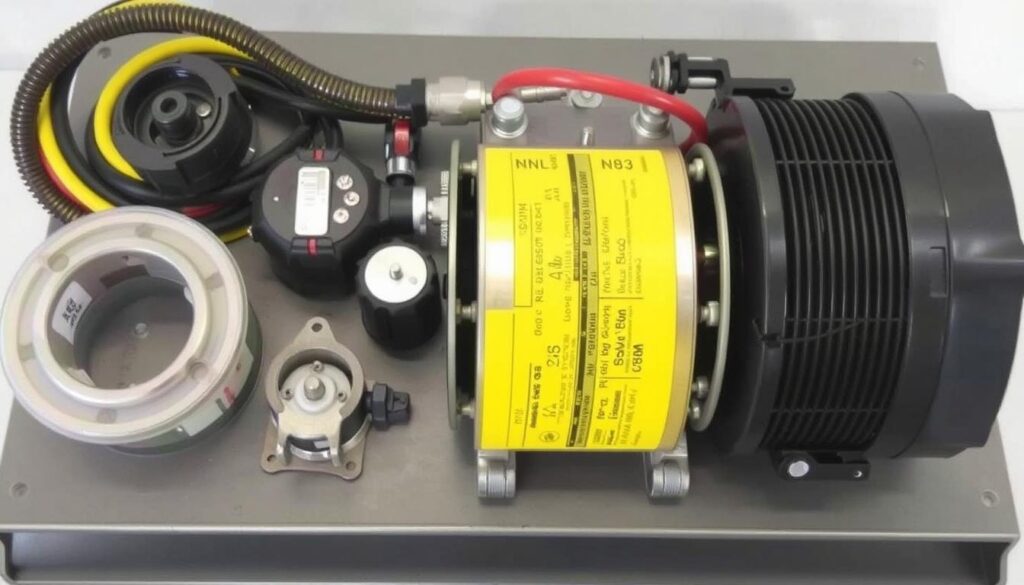
First, you must remove all refrigerant from the system. This is a legal requirement. It helps protect the environment and follows environmental laws.
- Disconnect electrical connections and refrigerant lines carefully
- Remove the old compressor from the system
- Flush the entire system to remove any contaminants
- Replace other important parts like the receiver dryer and expansion valve
Don’t just replace the compressor. It’s also important to replace the receiver dryer, expansion valve, orifice tube, and filter dryer. This helps avoid future problems.
| Component Replacement | Cost Range |
|---|---|
| Simple Component (Capacitors/Contactors) | $150 – $400 |
| Full Compressor Replacement | $1,200 – $2,500 |
The cost depends on several things. These include the type of refrigerant, the system’s size, local labor costs, and if the compressor is under warranty. Older systems might need a full replacement if many parts are failing.
After taking out the old compressor, put in the new one with the right oil. Then, test the system’s pressure, remove air and moisture with a vacuum pump, and add the right refrigerant.
Recharging Refrigerant After Compressor Repair
After fixing the compressor, it’s key to handle refrigerant right. This keeps your HVAC system working well and lasting longer. The right refrigerant and how to add it need a pro’s touch.
Selecting the Correct Refrigerant Type
Knowing about refrigerants is vital for your system’s efficiency. Important things to remember include:
- R-22 (Freon) is being phased out under EPA regulations
- R-410A (Puron) is the current standard for residential systems
- Newer refrigerants like R-32 are emerging in the market
Refrigerants can’t be swapped out. They work at different pressures and need specific parts and oils. The EPA requires a special certification (Section 608 or 609) for handling refrigerants.
Following Manufacturer Guidelines for Proper Recharge
Refrigerant recharge is a detailed task that needs a pro’s care. Certified techs follow a careful step-by-step:
- Completely remove air and moisture from the system with a vacuum pump
- Add refrigerant by weight or check system pressures
- Make sure to use the exact amount the maker says
Not adding the right amount of refrigerant can cause big issues. A system with too little won’t cool right and might overheat the compressor. Too much refrigerant puts too much pressure on the system, damaging it.
While DIY kits might look easy, they can actually harm your system. They can cause compressor failure, void warranties, and even lead to EPA fines up to $37,500. Always let certified HVAC pros handle refrigerant recharge to keep your system safe and working right.
Explore Our HVAC Shop
Looking for top-rated HVAC tools, parts, and accessories? Visit our shop and find the perfect solution for your needs.
Visit the ShopWhen to Call a Professional HVAC Technician
Knowing when to call a professional HVAC technician can save you time, money, and prevent system damage. Some repair situations need expert help, mainly those with complex technical challenges.
You should definitely seek professional help in these critical scenarios:
- Any work involving refrigerant handling that legally requires EPA certification
- Electrical repairs beyond simple component replacement
- Complete compressor replacement requiring specialized tools
- Diagnosing complex electrical or control system problems
- Situations where basic troubleshooting hasn’t identified the problem source
Professional technicians have special tools like refrigerant leak detectors, manifold gauge sets, and thermal imaging cameras. They have a lot of experience finding problems that might take you hours to spot.
Cost is important to consider. Professional services might seem pricey, but DIY mistakes can cost much more. Here are some realistic service costs:
- Diagnostic visits: $75-$200
- Simple repairs: $150-$400
- Complex repairs: $400-$1,000
- Compressor replacement: $1,200-$2,500
When choosing an HVAC contractor, make sure they are licensed, insured, and have EPA-certified technicians. Check online reviews, ask for written estimates, and inquire about warranties. This ensures you’re investing in your home’s comfort and safety.
Preventive Maintenance Tips to Extend Compressor Lifespan
Keeping your HVAC system’s compressor in top shape needs regular care and maintenance. Clogged filters make your system work harder, leading to compressor damage. A good maintenance routine can make your system more efficient and save you money on repairs.
Regular maintenance includes several key steps to ensure your system works well:
- Check and replace air filters every 1-3 months
- Clean outdoor unit regularly
- Maintain clear space around external components
- Monitor system performance between professional inspections
Essential Outdoor Unit Maintenance
Your outdoor unit needs careful attention to avoid compressor damage. Airflow problems can freeze the evaporator coil, causing liquid refrigerant to return to the compressor. This can harm critical parts.
Here’s how to safely maintain your outdoor unit:
- Turn off power to the unit
- Remove top grille or fan assembly
- Use shop vacuum to remove debris
- Clean condenser coil fins gently
- Clear vegetation around the unit
Professional Tune-Ups: Beyond DIY Maintenance
Professional maintenance is more than what homeowners can do. Experts suggest getting your system checked twice a year. These tune-ups cost $150-$300 but can save you thousands by avoiding early system failure.
Professional services usually include:
- Checking refrigerant charge
- Testing electrical components
- Lubricating motor bearings
- Inspecting thermostat calibration
- Measuring system performance
By being proactive with maintenance, you’ll extend your compressor’s life, keep your system running efficiently, and avoid costly repairs.
Conclusion
Knowing the compressor is key to your AC system lets you take care of your home’s cooling. Spotting early signs helps avoid big problems. You can now figure out issues and decide on repairs wisely.
When working with electrical systems and refrigerants, safety is top priority. Some repairs, like changing a capacitor, you can do yourself. But, complex jobs need a pro. It’s smart to know when to ask for help from HVAC experts.
Preventive care is the best way to keep your compressor going strong. Regular filter changes and tune-ups boost efficiency and life. A little effort in maintenance saves you from big repair bills and keeps your system running well.
Your HVAC system is a big investment that needs regular care. With the tips from this guide, you can keep your compressor in top shape. This ensures your home stays cool and your system works well for many years. Always choose to maintain before you have to repair.
FAQ
What are the most common signs of a failing HVAC compressor?
How much does it typically cost to repair or replace an HVAC compressor?
What are the most common signs of a failing HVAC compressor?
How much does it typically cost to repair or replace an HVAC compressor?
FAQ
What are the most common signs of a failing HVAC compressor?
Look out for clicking or grinding noises, warm air from vents, and frequent circuit breaker trips. Also, watch for hard starting and refrigerant leaks around the outdoor unit. These signs suggest serious problems with your HVAC compressor.
How much does it typically cost to repair or replace an HVAC compressor?
Repair costs range from 0 to ,000, based on the issue and system model. Replacing the compressor can cost
FAQ
What are the most common signs of a failing HVAC compressor?
Look out for clicking or grinding noises, warm air from vents, and frequent circuit breaker trips. Also, watch for hard starting and refrigerant leaks around the outdoor unit. These signs suggest serious problems with your HVAC compressor.
How much does it typically cost to repair or replace an HVAC compressor?
Repair costs range from $500 to $2,000, based on the issue and system model. Replacing the compressor can cost $1,500 to $3,500. The final cost depends on your system’s age, brand, and complexity.
Can I repair my HVAC compressor myself, or should I hire a professional?
DIY tasks are okay, but compressor repairs are complex. They need specialized knowledge. Unless you’re an experienced HVAC technician, it’s safer to hire a certified professional.
How long should an HVAC compressor typically last?
With regular maintenance, an HVAC compressor can last 10 to 15 years. Annual inspections and filter changes help extend its life and prevent early failure.
What causes an HVAC compressor to fail?
Common failure causes include refrigerant leaks, electrical issues, and lack of lubrication. Dirt buildup, system strain, and poor maintenance also play a role. Overheating, inadequate airflow, and incorrect refrigerant levels can also cause breakdowns.
How can I prevent HVAC compressor issues?
Regular maintenance and changing air filters every 1-3 months are key. Keep the outdoor unit clean and use consistent thermostat settings. Address any unusual sounds or performance issues right away.
What refrigerant types are commonly used in HVAC systems?
R-410A is the standard refrigerant in modern HVAC systems, replacing R-22. It’s more eco-friendly and efficient. Always check your system’s manual or consult a professional to ensure the correct refrigerant type.
How do I know if my compressor needs a complete replacement?
Consider replacement if repair costs are over 50% of a new unit’s price. If your system is over 10 years old or experiences frequent breakdowns, it might be time for a new compressor. A professional can assess your system’s condition.
What safety precautions should I take when working on an HVAC system?
Always turn off power at the circuit breaker before starting repairs. Wear safety glasses and gloves, and work with a partner. Use the right tools and avoid handling refrigerant without proper certification. If unsure, call a professional HVAC technician.
How do electrical issues impact HVAC compressor performance?
Electrical problems like capacitor failure or loose connections can severely damage your compressor. These issues can lead to overheating, increased wear, and system failure. Professional diagnostic testing can identify and fix these problems.
,500 to ,500. The final cost depends on your system’s age, brand, and complexity.
Can I repair my HVAC compressor myself, or should I hire a professional?
DIY tasks are okay, but compressor repairs are complex. They need specialized knowledge. Unless you’re an experienced HVAC technician, it’s safer to hire a certified professional.
How long should an HVAC compressor typically last?
With regular maintenance, an HVAC compressor can last 10 to 15 years. Annual inspections and filter changes help extend its life and prevent early failure.
What causes an HVAC compressor to fail?
Common failure causes include refrigerant leaks, electrical issues, and lack of lubrication. Dirt buildup, system strain, and poor maintenance also play a role. Overheating, inadequate airflow, and incorrect refrigerant levels can also cause breakdowns.
How can I prevent HVAC compressor issues?
Regular maintenance and changing air filters every 1-3 months are key. Keep the outdoor unit clean and use consistent thermostat settings. Address any unusual sounds or performance issues right away.
What refrigerant types are commonly used in HVAC systems?
R-410A is the standard refrigerant in modern HVAC systems, replacing R-22. It’s more eco-friendly and efficient. Always check your system’s manual or consult a professional to ensure the correct refrigerant type.
How do I know if my compressor needs a complete replacement?
Consider replacement if repair costs are over 50% of a new unit’s price. If your system is over 10 years old or experiences frequent breakdowns, it might be time for a new compressor. A professional can assess your system’s condition.
What safety precautions should I take when working on an HVAC system?
Always turn off power at the circuit breaker before starting repairs. Wear safety glasses and gloves, and work with a partner. Use the right tools and avoid handling refrigerant without proper certification. If unsure, call a professional HVAC technician.
How do electrical issues impact HVAC compressor performance?
Electrical problems like capacitor failure or loose connections can severely damage your compressor. These issues can lead to overheating, increased wear, and system failure. Professional diagnostic testing can identify and fix these problems.