
Affiliate Disclosure
HVAC Guide Guys is a participant in the Amazon Services LLC Associates Program, an affiliate advertising program designed to provide a means for sites to earn advertising fees by advertising and linking to Amazon.
How to Determine HVAC Size for House? Are you tired of uncomfortable temperatures and high energy bills? Finding the right HVAC size for your house is key to a cozy home. Knowing how to size your HVAC can save you a lot on energy costs and avoid system problems later.
Choosing the right HVAC system is more than picking a random unit. Your home’s unique features need a precise sizing approach. HVAC pros use advanced methods to figure out your space’s exact cooling and heating needs.
This guide will show you how to find the perfect HVAC size. It helps you make a choice that’s both comfortable, efficient, and cost-effective.
Key Takeaways
- Accurate HVAC sizing prevents energy waste and system inefficiency
- Square footage is just one factor in determining system size
- Professional calculations provide the most reliable sizing recommendations
- Climate and home insulation significantly impact HVAC requirements
- Oversized or undersized units can lead to increased energy costs
Table of Contents
Understanding Why Proper HVAC Sizing Matters
Choosing the right heating and cooling system for your home is key. It ensures comfort, saves energy, and lasts longer. Your HVAC system is more than just a temperature controller. It’s a complex system that needs precise calculation and careful selection.
Consequences of Incorrect HVAC Sizing
Choosing the wrong air conditioning unit leads to big problems. An oversized unit causes:
- Rapid cycling on and off
- Poor humidity control
- Uneven temperature distribution
- Increased energy consumption
An undersized unit also has issues. It will run all the time, using too much energy without cooling or heating well.
Energy Efficiency and Cost Implications
The right air conditioner size for your home saves money on bills. A correctly sized HVAC system uses less energy, cutting down on monthly costs. The wrong size can raise energy bills by 20-30%.
Impact on Home Comfort Levels
Your home’s comfort depends on the right HVAC size. A well-matched system keeps temperatures even, humidity balanced, and air quality good. This means no hot or cold spots, or uncomfortable humidity.
“The right HVAC size is like a perfectly tailored suit – it fits just right and performs exceptionally.” – HVAC Professional
Explore Our HVAC Shop
Looking for top-rated HVAC tools, parts, and accessories? Visit our shop and find the perfect solution for your needs.
Visit the ShopBasic Square Footage Calculations for HVAC Sizing
Finding the right HVAC size for your home begins with knowing your square footage needs. The btu calculation for home hvac is based on your home’s total living area. HVAC experts use a simple rule: multiply your home’s square footage by 35 to find the needed BTU capacity.
Here’s how to calculate square footage hvac requirements:
- Measure each room’s length and width
- Multiply length by width to get square footage
- Add up total square footage for entire living space
- Multiply total square footage by 35
For a quick guide, here are BTU requirements based on square footage:
| Square Footage | Recommended BTU |
|---|---|
| 300-400 sq ft | 10,500-14,000 BTUs |
| 400-500 sq ft | 14,000-17,500 BTUs |
| 500-600 sq ft | 17,500-21,000 BTUs |
Keep in mind, these are basic estimates. Things like ceiling height, insulation, and local climate can change your actual HVAC needs.
Pro tip: Always get a professional HVAC technician for exact sizing advice tailored to your home.
How to Determine HVAC Size for House: Essential Factors
Choosing the right HVAC system is more than just measuring your home’s size. Your home’s special features are key to finding the best heating and cooling. Knowing these factors helps you choose wisely, for comfort and saving energy.
Climate Zone HVAC Sizing Strategies
Climate zone hvac sizing is vital for heating and cooling your home. The U.S. has different climate zones, each needing its own HVAC setup. This is because temperature and humidity vary greatly across the country.
- Southern zones need more cooling
- Northern zones require more heat
- Coastal areas need systems that resist corrosion
Insulation Quality Assessment
Insulation greatly affects your HVAC needs. Bad insulation means your system works harder and less well. An energy audit can show how well your insulation is and suggest improvements.
Window and Door Placement Effects
Windows and doors are key spots where heat can get in or out. Their size, number, and direction affect your heating needs. Big south-facing windows let in more sun, while leaky doors waste a lot of energy.
| Factor | Impact on HVAC Sizing | Recommended Action |
|---|---|---|
| Window Orientation | Increases/decreases heat gain | Use energy-efficient windows |
| Insulation R-Value | Reduces energy loss | Upgrade insulation |
| Air Leakage | Increases system workload | Seal gaps and cracks |
By looking at these important factors, you can make sure your HVAC fits your home’s needs perfectly.
BTU Requirements and Tonnage Calculations
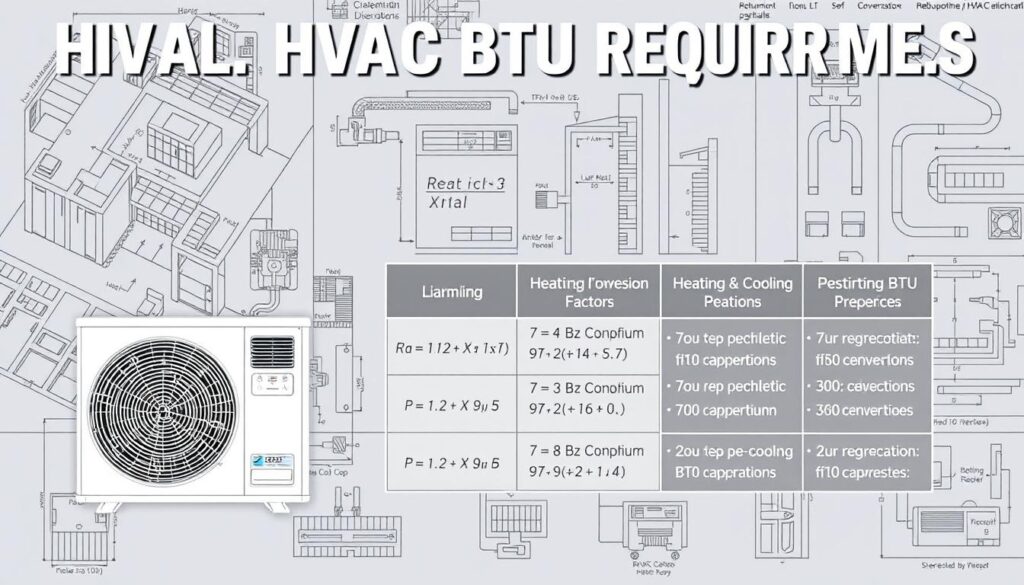
Understanding BTU calculation for home HVAC is key when picking the right cooling system. BTU, or British Thermal Unit, shows how much heat an air conditioner can take out in an hour.
For a residential hvac sizing guide, remember: one ton of cooling is 12,000 BTUs per hour. This rule helps figure out the right system size for your home.
- 1 ton = 12,000 BTUs per hour
- Typical home sizes range from 1.5 to 5 tons
- Calculation method: (Square footage × 30) ÷ 12,000 = Tonnage
To find your home’s BTU needs, think about these important factors:
| Home Size | Estimated BTU Needs | Typical Tonnage |
|---|---|---|
| 500-750 sq ft | 10,000-15,000 BTUs | 1 ton |
| 750-1000 sq ft | 15,000-20,000 BTUs | 1.5 tons |
| 1000-1500 sq ft | 20,000-30,000 BTUs | 2-2.5 tons |
Pro tip: Always talk to a professional HVAC technician for the most accurate sizing for your home.
Explore Our HVAC Shop
Looking for top-rated HVAC tools, parts, and accessories? Visit our shop and find the perfect solution for your needs.
Visit the ShopManual J Load Calculation: The Professional Approach
The Manual J load calculation is the top choice for sizing your home’s HVAC system. It’s more than just measuring square footage. It gives a detailed look at what your home needs for heating and cooling.
This method looks at many factors that affect your home’s heat and cooling. HVAC experts use it to size your system right for the best performance.
Key Components of Manual J Assessment
- Building insulation quality
- Window and door specifications
- Local climate conditions
- Home orientation and sun exposure
- Number of occupants and interior heat-generating appliances
When to Seek Professional Calculations
Get a professional manual j load calculation in these situations:
- When buying a new home
- Before big home changes
- If your home’s temperature is always off
- When you need a new HVAC system
Professional vs. DIY Calculations
Online tools can help, but a pro’s manual j load calculation is way more accurate. HVAC experts use special software and know-how. They get measurements that DIY tools can’t.
Getting a pro to do this can really cut down on your energy bills. It also helps avoid problems with your system.
Regional Climate Impact on HVAC Sizing
Your home’s location is key in picking the right HVAC system size. HVAC sizing varies by region. Each area in the U.S. has its own heating and cooling needs due to local weather and conditions.
When figuring out your home’s heating needs, consider these regional factors:
- Average annual temperature ranges
- Humidity levels
- Seasonal temperature changes
- Wind patterns and exposure
Homes in the Southwest desert need different HVAC setups than those in the Pacific Northwest. Coastal areas often require systems that handle humidity well. Northern states need strong heating systems.
Experts use special zone maps to find the right HVAC size. These maps split the U.S. into climate zones. Each zone has its own weather patterns that affect your home’s comfort.
Knowing your climate zone is key to picking an energy-efficient HVAC system. It keeps your home comfortable.
Working with local HVAC pros who know the local climate is smart. They can make sure your system fits your area perfectly.
Understanding HVAC Unit Specifications
Choosing the right air conditioner size for your home starts with knowing key HVAC specs. Today’s heating and cooling systems have advanced features. These features greatly affect how well they work and how efficient they are.
When you use an HVAC sizing calculator, you’ll see important specs that show how well a system will perform. The Seasonal Energy Efficiency Ratio (SEER) rating is the most critical one.
SEER Ratings and Efficiency Metrics
SEER ratings show how well an air conditioner cools. A higher SEER rating means:
- More energy efficiency
- Less electricity used
- Less harm to the environment
- Lower costs over time
Today’s HVAC units usually have SEER ratings from 13 to 25. Choosing a high-efficiency system can cut down your energy bills a lot.
Modern HVAC Technology Features
Modern HVAC systems have new technologies that make your home more comfortable and efficient:
- Variable-speed compressors
- Smart thermostat compatibility
- Zoned cooling capabilities
- Advanced air filtration systems
When figuring out your HVAC needs, think about these new features. They help control temperature better and make your home more comfortable.
Explore Our HVAC Shop
Looking for top-rated HVAC tools, parts, and accessories? Visit our shop and find the perfect solution for your needs.
Visit the ShopCommon HVAC Sizing Mistakes to Avoid
Finding the right size for your heating and cooling system can be hard. Many people make mistakes that affect their home’s comfort. Knowing these errors can help you save money and keep your home cozy.
One big mistake is thinking that bigger is always better for HVAC units. But oversized systems have big problems:
- They cycle on and off too much
- They can’t control temperature well
- They use more energy
- They wear out faster
On the other hand, a system that’s too small also has big issues. It can’t keep your home at a good temperature. This means it runs all the time, using a lot of energy and breaking down sooner.
Some common mistakes in choosing the right HVAC size include:
- Just using square footage to decide
- Not checking how well your home is insulated
- Not thinking about your local weather
- Not getting a professional to check it out
Experts say to get a Manual J load calculation done. This detailed check looks at more than just how big your home is. It makes sure you get the right system for your home’s needs.
Remember: Getting the right HVAC size is an investment in your home’s comfort and saving energy in the long run.
Conclusion
Finding the right air conditioner size for your home is important. It’s about making your living space comfortable and efficient. Your home’s unique features help choose the best HVAC system for you.
Getting a professional to assess your home is the best way to size your HVAC unit. Things like your area’s climate, insulation, window placement, and size all matter. While DIY tools can help, experts ensure your system works well and saves energy.
Choosing the right HVAC system saves you money and makes your home more comfortable. It also makes your equipment last longer. An HVAC pro can give you advice that fits your home perfectly.
Learning about HVAC sizing helps you make smart choices for your home. Take the time to think about what you need. Talk to experts and pick a system that will keep your home comfortable for years.