
Affiliate Disclosure
HVAC Guide Guys is a participant in the Amazon Services LLC Associates Program, an affiliate advertising program designed to provide a means for sites to earn advertising fees by advertising and linking to Amazon.
How to Adjust HVAC Registers for Better Airflow? Are you tired of hot and cold spots in your home? The solution might be right in front of you – at your air vents. Learning to adjust HVAC registers can make your home more comfortable and energy-efficient.
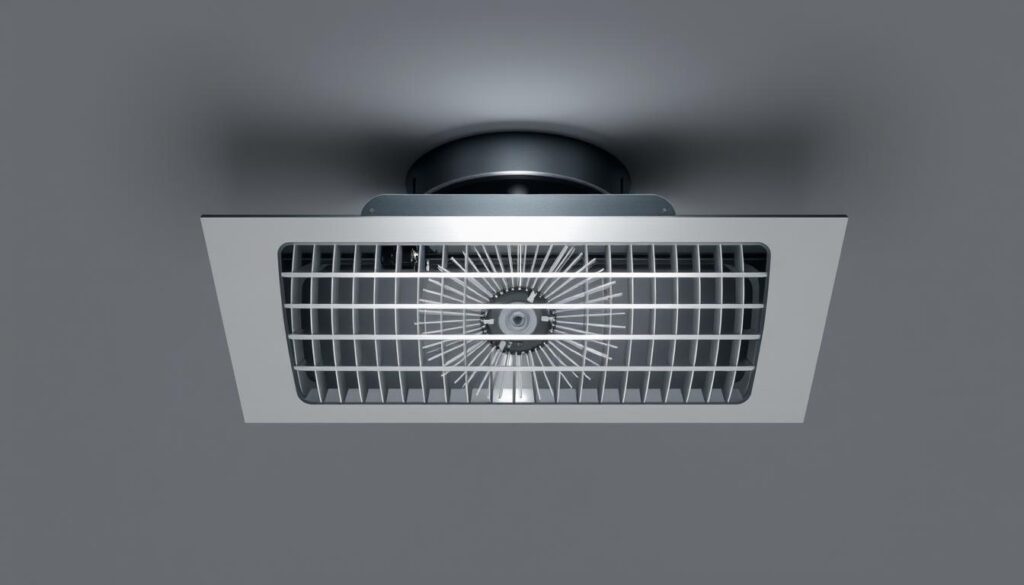
Airflow optimization is key to a cozy home. Your HVAC registers help spread heat or cool air evenly. With a few tweaks, you can make your home feel just right.
Many homeowners ignore these metal grates, but they’re vital for temperature control. By adjusting your HVAC registers, you can fix temperature issues, save energy, and make your home more balanced.
Key Takeaways
- HVAC register adjustments can significantly improve home comfort
- Proper airflow optimization reduces energy consumption
- Simple DIY techniques can help balance room temperatures
- Different rooms may require unique register positioning
- Regular register maintenance enhances HVAC system performance
Table of Contents
Understanding HVAC Register Basics and Their Function
HVAC registers are key to your home’s comfort. They control airflow and temperature in your living areas. Knowing how they work can make your heating and cooling more efficient.
Registers are more than just metal covers. They connect your ductwork to your living spaces. They help manage airflow and temperature precisely.
Types of HVAC Registers
There are various register types, each with its own airflow features:
- Horizontal registers: Ideal for wall installations
- Vertical registers: Perfect for floor and ceiling placements
- Adjustable registers: Allow directional airflow control
- Fixed registers: Provide consistent air distribution
How Registers Impact Airflow Distribution
Your home’s comfort relies on where you place registers. The right spot ensures even heating and saves energy.
| Register Type | Airflow Direction | Best Use |
|---|---|---|
| Horizontal Wall Register | Side-to-side | Living rooms, hallways |
| Floor Register | Upward | Bedrooms, cold areas |
| Ceiling Register | Downward | Kitchen, bathrooms |
Components of an HVAC Register System
A register has several important parts:
- Outer grille or cover
- Internal damper mechanism
- Mounting frame
- Adjustable louvers
“Understanding your HVAC registers is the first step to achieving optimal home comfort.” – HVAC Professional
Learning about hvac vent control and supply register adjustment can greatly enhance your home’s comfort and energy efficiency.
Explore Our HVAC Shop
Looking for top-rated HVAC tools, parts, and accessories? Visit our shop and find the perfect solution for your needs.
Visit the ShopSigns Your HVAC Registers Need Adjustment
Knowing when to adjust your HVAC registers is key for better heating and cooling. Spotting the signs early can make your home more comfortable and save on energy costs.
How evenly your home heats and cools tells a lot about your registers. If some rooms are way too hot or cold, it’s a sign of airflow issues. This means it’s time to check your register settings.
- Weak airflow from specific vents
- Consistent temperature variations across rooms
- Unexplained increases in energy bills
- Rooms that feel stuffy or drafty
Physical signs can also point to the need for register adjustments. Listen for strange whistling sounds from vents, which might mean they’re not set right or blocked. Dust around register edges can also slow down heating and lower system performance.
| Sign | Potential Issue | Recommended Action |
|---|---|---|
| Uneven Room Temperatures | Incorrect Register Positioning | Adjust Register Angle |
| High Energy Bills | Inefficient Airflow | Check Vent Blockages |
| Restricted Airflow | Blocked or Dirty Registers | Clean and Unobstruct Vents |
Regular checks on your HVAC registers can stop long-term comfort and efficiency problems. By watching for these signs, you can improve your cooling and keep your home’s temperature even.
Essential Tools for Register Adjustment
Getting ready for HVAC register adjustment means you need the right tools and safety gear. Knowing what tools to use helps you balance your HVAC system well and safely. Whether you’re a DIY fan or a homeowner wanting better system performance, having the right tools is key.
Before starting your HVAC maintenance, make sure you have these essential tools. They will help you adjust your system smoothly and safely:
Recommended Equipment for DIY Adjustment
- Measuring tape for precise register positioning
- Screwdriver set (flathead and Phillips head)
- Adjustable wrench
- Flashlight or work light
- Dust mask for protecting against debris
- Ladder (if working with high-mounted registers)
Safety Equipment and Precautions
When using hvac balancing techniques, safety is crucial. Make sure you’re protected with the right safety gear:
- Safety glasses to shield eyes from dust and debris
- Work gloves to prevent cuts and protect hands
- Respiratory protection
- Non-slip shoes for stable footing
Pro Tip: Always turn off your HVAC system before starting any adjustments. This keeps you and your equipment safe from electrical risks.
Safety should always be your first priority when working with HVAC systems.
Explore Our HVAC Shop
Looking for top-rated HVAC tools, parts, and accessories? Visit our shop and find the perfect solution for your needs.
Visit the ShopHow to Adjust HVAC Registers for Maximum Efficiency
To get the best comfort in your home, you need to adjust air dampers and direct air flow. Knowing how to tweak these parts can make your system work better and save energy.
First, check each register in your home. Find the small lever or slider that lets you control it. This tool helps you adjust airflow in each room precisely.
- For rooms that feel too warm, partially close the register to reduce air volume
- In cooler areas, open registers wider to increase air circulation
- Aim register louvers downward in winter and upward during summer for optimal temperature distribution
Directing air flow is more than just opening or closing. Angle your register louvers strategically to avoid direct drafts on furniture or living spaces. This makes your home more comfortable and keeps air moving well.
Changing your setup with the seasons is key to keeping your home at a steady temperature. In winter, place registers near cold spots like walls and windows. In summer, aim for smooth air flow that doesn’t blow too hard.
Pro tip: Clean your registers often to stop dust from blocking airflow and cutting down on HVAC efficiency.
Proper Register Positioning for Different Room Types
To get the most out of your HVAC, it’s key to place registers wisely in your home. Each room has its own airflow needs. This affects both comfort and how much energy you use. Knowing how to set up and tweak your registers can make your home feel better.
It’s not just about opening or closing vents. You need to think about each room’s special needs. This ensures your HVAC works its best and air flows right.
Bedroom Register Placement Strategies
Bedrooms need careful register placement to keep you comfy and avoid drafts. Here are some tips:
- Keep registers away from beds to avoid drafts
- Put vents near windows to balance heat
- Use adjustable registers to control airflow
Living Area Airflow Optimization
Open-concept living areas need a smart approach to register placement. You want even temperatures without drafts.
- Put registers in the middle for balanced air
- Adjust louvers to guide air flow
- Think about your furniture when placing registers
Kitchen and Bathroom Considerations
Kitchens and bathrooms need special care with register placement. Good ventilation is key to avoid humidity and keep air clean.
- Install registers near cooking and showers
- Use bigger registers to handle moisture
- Make sure there’s enough air exchange in these humid areas
Common Register Adjustment Problems and Solutions
Working with hvac vent control can lead to several issues. These problems can affect your home’s comfort and energy use. Knowing about common supply register adjustment problems helps you fix them fast.
Some common register issues include:
- Whistling or loud noises when registers are partially closed
- Uneven airflow across different rooms
- Difficulty opening or closing register blades
- Dust and debris buildup blocking proper air distribution
To fix whistling registers, try these steps:
- Check if the register blades are properly aligned
- Clean the register to remove any blockages
- Make sure the register is not too closed or too open
- Lubricate any stiff parts of the register
If problems keep coming back, it might be a bigger HVAC issue. If you have ongoing airflow issues or strange noises, get a pro HVAC tech. They can find and fix deeper hvac vent control problems.
Pro Tip: Regular maintenance and careful adjustment can significantly improve your home’s comfort and HVAC system performance.
Explore Our HVAC Shop
Looking for top-rated HVAC tools, parts, and accessories? Visit our shop and find the perfect solution for your needs.
Visit the ShopUnderstanding Internal Damper Systems
Your HVAC system has many parts working together to keep your home comfy. Internal damper systems are key in controlling air flow. By learning about adjusting air dampers, you can make your system work better and use less energy.
Dampers are important devices in your ductwork that help manage air flow. They work like valves, opening and closing to control air to different parts of your home.
Location and Operation of Duct Dampers
Duct dampers are placed in important spots in your HVAC system’s ductwork. They help manage air flow by:
- Controlling temperature in specific zones
- Balancing airflow between different areas
- Redirecting air to optimize comfort
Manual vs. Automatic Damper Controls
There are two main ways to adjust air dampers:
| Manual Dampers | Automatic Dampers |
|---|---|
| Require physical adjustment | Electronically controlled |
| Lower initial cost | More precise temperature control |
| Suitable for smaller spaces | Ideal for complex HVAC systems |
Pro tip: Knowing your damper system can help you make your home more energy-efficient. This can lower your energy bills and make your home more comfortable.
Maintaining and Cleaning HVAC Registers
Keeping your HVAC registers clean is key for good heating and cooling. Regular care stops dust from building up. It also improves air quality and keeps your system working well.
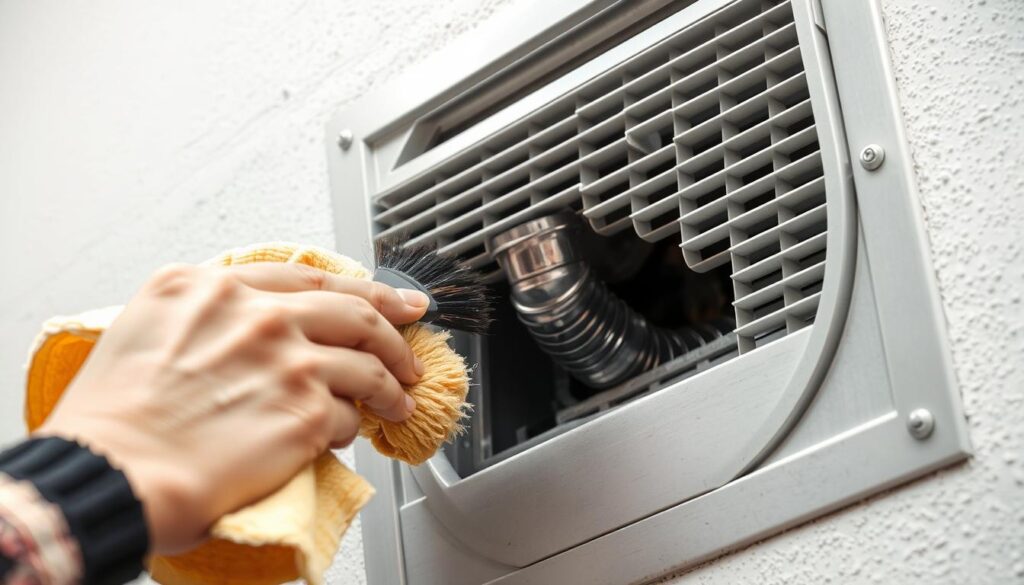
First, get the right cleaning tools for your HVAC registers. You’ll need:
- Screwdriver
- Vacuum with brush attachment
- Microfiber cloth
- Mild detergent
- Warm water
Cleaning your registers needs a step-by-step plan. Here’s how to do it right:
- Turn off your HVAC system before starting
- Remove register covers carefully
- Vacuum inside the vent opening to remove loose debris
- Wash covers with warm, soapy water
- Dry completely before reinstalling
“Clean registers are the key to efficient airflow and improved indoor air quality.” – HVAC Maintenance Experts
Check your registers often for wear or damage. Look for:
- Rust or corrosion
- Bent or misaligned fins
- Accumulated dust and debris
- Loose mounting screws
| Maintenance Frequency | Recommended Action |
|---|---|
| Every 3-6 months | Basic cleaning and dust removal |
| Annually | Comprehensive inspection and deep cleaning |
| As needed | Replace damaged or severely worn registers |
Pro tip: Think about using register filters to cut down dust. These can really boost your HVAC system’s performance and air quality.
Explore Our HVAC Shop
Looking for top-rated HVAC tools, parts, and accessories? Visit our shop and find the perfect solution for your needs.
Visit the ShopWhen to Replace Old or Damaged Registers
Improving your HVAC system isn’t just about keeping it clean. Sometimes, you need to replace old registers. These parts are key to your home’s airflow.
Knowing when to replace your HVAC registers can really boost your system’s performance. Look out for these signs that it’s time for a new one:
- Visible rust or corrosion on register surfaces
- Persistent airflow restrictions
- Noticeable damage or warping
- Outdated design preventing optimal air circulation
Old registers can hurt your HVAC’s performance. New ones offer better airflow and temperature control. You might want to upgrade if your current registers:
- Are more than 15-20 years old
- Show signs of significant wear
- Do not match your current HVAC system specifications
“Investing in quality registers is investing in your home’s comfort and energy efficiency.” – HVAC Professional
When picking new registers, go for materials like aluminum or high-grade plastic. They last long and ensure good airflow. Make sure they fit your room layouts and HVAC system needs.
Professional HVAC technicians can guide you to the best replacements. They’ll ensure they’re installed correctly for top performance.
Conclusion
Learning how to adjust HVAC registers is key for a comfy and efficient home. This guide shows you how to boost airflow and cut down on energy costs. Adjusting your HVAC system might seem hard, but with the right tips, you can improve your home’s climate control a lot.
Keeping your HVAC registers in check can stop many airflow problems. If you have uneven temperatures, high energy bills, or rooms that feel off, adjusting registers can help. Every room has its own airflow needs, and getting these right can greatly improve your home’s comfort.
While you can do some adjustments yourself, getting help from HVAC pros is smart for tough issues. They can offer expert advice on airflow and find any hidden problems. Your home’s comfort and energy savings are worth the effort and maybe some professional help.
With what you’ve learned, you can make your home more balanced, comfy, and energy-smart. Even small tweaks to your HVAC registers can make a big difference in your home’s climate and comfort.