Affiliate Disclosure
HVAC Guide Guys is a participant in the Amazon Services LLC Associates Program, an affiliate advertising program designed to provide a means for sites to earn advertising fees by advertising and linking to Amazon.
How Much for New HVAC Unit? Ever felt lost when trying to figure out the cost of a new HVAC unit? Knowing the real cost can save you a lot of money. It also helps avoid unexpected expenses.
Homeowners usually spend between $5,000 and $12,500 on a new HVAC unit. The price changes based on the system type, home size, and local climate needs.
Getting a new HVAC system is a big decision. It affects your home’s comfort, energy use, and your wallet in the long run. Every part and installation detail matters for the final cost.
Key Takeaways
- Average HVAC installation costs range between $5,000 and $12,500
- Multiple factors influence total hvac unit cost
- System efficiency directly impacts long-term expenses
- Professional assessment is critical for accurate pricing
- Energy-efficient models can provide significant savings
Table of Contents
Understanding HVAC System Basics
HVAC systems are key to keeping your home comfortable. They control the temperature inside. Knowing about HVAC basics helps you choose the right system for your home.
Essential HVAC System Components
An HVAC system has several important parts. They work together to keep your home at the right temperature and air quality:
- Furnace or heat pump
- Air conditioning unit
- Ductwork
- Thermostat
- Air filters
System Lifespan and Replacement Considerations
HVAC systems usually last 10 to 15 years. The cost to replace your system depends on its age, maintenance, and performance.
| HVAC System Type | Average Lifespan | Replacement Indicators |
|---|---|---|
| Central Air Conditioning | 12-15 years | Frequent repairs, inefficiency |
| Heat Pump | 10-15 years | Reduced heating/cooling performance |
| Furnace | 15-20 years | Higher energy bills, strange noises |
Explore Our HVAC Shop
Looking for top-rated HVAC tools, parts, and accessories? Visit our shop and find the perfect solution for your needs.
Visit the ShopTypes of HVAC Systems
There are different HVAC systems for various home sizes and climates. Your choice affects the initial cost and energy efficiency:
- Split Systems: Most common residential setup
- Packaged Systems: Compact units for smaller spaces
- Ductless Mini-Split: Flexible zonal heating and cooling
- Geothermal Systems: Environmentally friendly option
Knowing these basics helps you understand HVAC costs. It ensures you invest wisely in your home’s comfort.
How Much for New HVAC Unit: Price Ranges and Factors
Understanding hvac system pricing can feel overwhelming. But breaking down the costs helps you make an informed decision. A new ac unit prices typically range from $5,500 to $16,000 for residential installations. Your total investment depends on several critical factors that impact the overall expense.
- System type and complexity
- Home square footage
- Energy efficiency ratings
- Local installation requirements
- Brand selection
Different HVAC system types come with varied price points. Central air conditioning systems typically cost more than window units or portable alternatives. Your specific home requirements will dictate the most suitable and cost-effective solution.
| HVAC System Type | Average Price Range | Best For |
|---|---|---|
| Central Air Conditioning | $6,000 – $12,000 | Whole-home cooling |
| Ductless Mini-Split | $3,000 – $8,000 | Targeted zone cooling |
| Heat Pump System | $4,500 – $10,000 | Heating and cooling |
“Investing in the right HVAC system can save you money in the long run through improved energy efficiency and reduced maintenance costs.”
Professional installation plays a significant role in hvac system pricing. Always get multiple quotes from certified HVAC contractors. This ensures you receive competitive pricing and quality workmanship.
Explore Our HVAC Shop
Looking for top-rated HVAC tools, parts, and accessories? Visit our shop and find the perfect solution for your needs.
Visit the ShopHVAC Size and Capacity Considerations
Choosing the right HVAC system is all about understanding your home’s needs. The cost of a new HVAC system depends on its size and capacity. Your home’s unique features are key to finding the most efficient and cost-effective option.
Knowing what affects HVAC sizing helps you make better choices about upgrading your system.
Square Footage Requirements
The size of your home affects the HVAC system you need. Experts use a formula to figure this out:
- 20 BTUs per square foot for standard homes
- 25 BTUs per square foot for homes with high ceilings
- 30 BTUs per square foot for homes with lots of sun
BTU Calculations
British Thermal Units (BTUs) show how much cooling and heating your system can do. Getting the BTUs wrong can cause big problems.
“Proper sizing is more important than having the most expensive system.” – HVAC Expert
Climate Zone Impact
Your location affects your HVAC system choice. Different areas need different heating and cooling solutions.
| Climate Zone | Recommended HVAC Capacity | Estimated Cost Range |
|---|---|---|
| Cold Northern Regions | Higher BTU Output | $6,000 – $12,000 |
| Moderate Temperate Zones | Standard BTU Range | $4,500 – $8,500 |
| Hot Southern Regions | High Efficiency Cooling | $5,000 – $10,000 |
Talking to a professional HVAC technician can guide you through these complex choices. They help you get the most out of your investment.
Installation Costs and Labor Expenses
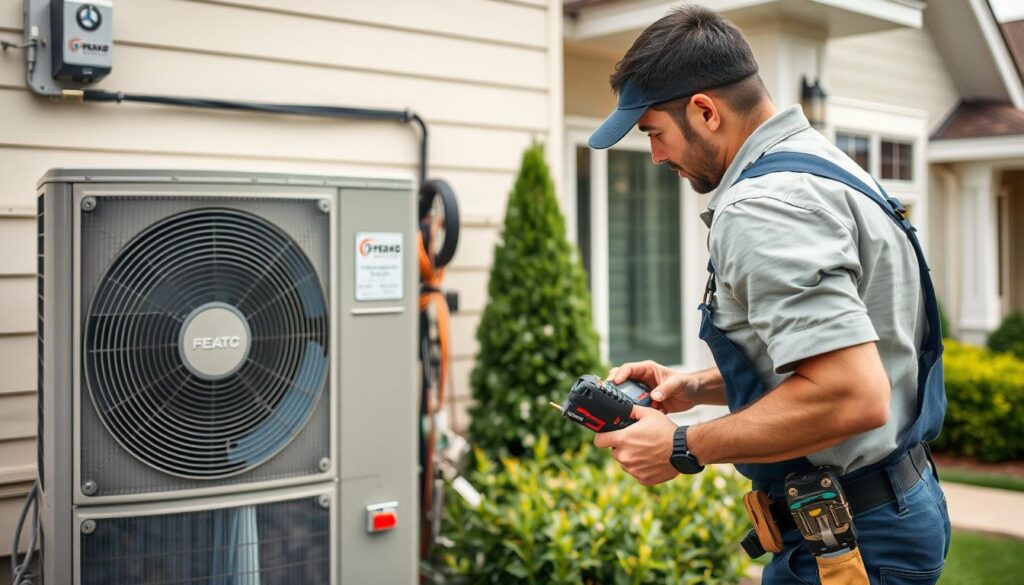
Understanding the cost of HVAC systems is more than just the price of the equipment. The total cost includes important labor expenses. Professional installation is key to ensure your system works well and lasts long.
Labor costs for HVAC installation can vary from $500 to $2,500. Several factors influence this:
- Complexity of the installation
- Home’s structural configuration
- Accessibility of installation area
- Required system modifications
- Local labor rates
When planning your HVAC budget, remember these extra costs:
- Removal of old system: $100 – $500
- Electrical upgrades: $200 – $800
- Ductwork modifications: $500 – $1,500
Professional installation brings many benefits. It ensures your system is the right size, set up efficiently, and covered by warranty. Experts make sure it meets all standards and codes.
Investing in quality installation can save you significant money on future repairs and energy costs.
Additional Components and Accessories Pricing
When planning for an HVAC system, remember it’s not just the main unit. You’ll also need to budget for extra parts and accessories. These can greatly affect your total cost. Knowing about these extra items helps you get a complete heating and cooling setup for your home.
Ductwork Costs: The Hidden Expense
Ductwork is a key part of your HVAC system’s cost. For a single-family home, you might spend $1,000 to $4,000 on ductwork. The price varies based on:
- Home size
- Duct design complexity
- Material quality
- How easy it is to install
Smart Thermostat Options
Today’s thermostats do more than just control temperature. They can make your HVAC system more efficient and your home more comfortable.
| Thermostat Type | Price Range | Key Features |
|---|---|---|
| Basic Programmable | $50 – $150 | Simple scheduling |
| Smart WiFi Thermostat | $150 – $300 | Remote control, energy tracking |
| Learning Thermostat | $250 – $500 | AI-powered optimization |
Air Quality Enhancements
Adding air quality upgrades can turn your HVAC system into a full home comfort system. Think about these options:
- Air Purifiers: Get rid of allergens and pollutants
- Humidifiers: Keep the right humidity inside
- UV Light Filters: Kill off germs and bacteria
Each extra part adds to the upfront cost. But, they offer long-term benefits in comfort, health, and saving energy.
Explore Our HVAC Shop
Looking for top-rated HVAC tools, parts, and accessories? Visit our shop and find the perfect solution for your needs.
Visit the ShopEnergy Efficiency and SEER Ratings Impact
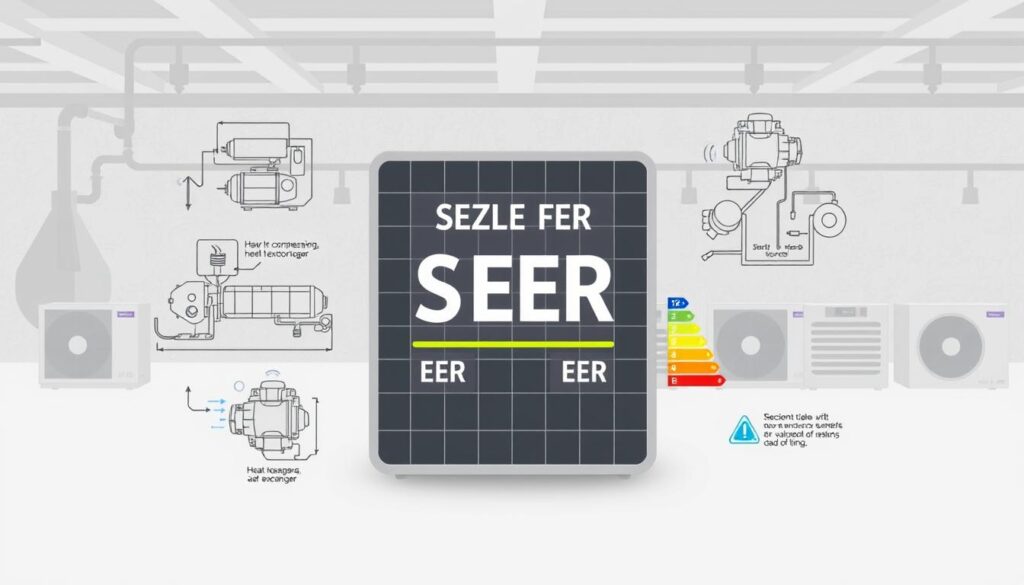
SEER ratings are key when looking at hvac unit cost and upgrade expenses. SEER (Seasonal Energy Efficiency Ratio) shows how well an air conditioning system cools over a season. The higher the SEER, the more energy-efficient your system is.
In the United States, SEER ratings are important for saving energy in the long run. In the Midwest, new AC units must have a SEER2 rating of at least 13.4. A high-efficiency system can cut down your monthly bills a lot.
- Lower SEER ratings (13-15): Moderate efficiency, lower upfront costs
- Mid-range SEER ratings (16-20): Good energy savings, balanced investment
- High SEER ratings (21+): Maximum efficiency, significant long-term savings
When thinking about upgrading your hvac, remember that higher SEER ratings cost more upfront. A system with a 20 SEER rating might cost 30-50% more than a standard 14 SEER unit. But, the savings on energy can make up for this cost in a few years.
Many utility companies and government programs offer rebates for high-efficiency HVAC systems. These rebates can lower your costs and make upgrading more affordable.
Brand Comparison and Price Variations
When looking at new ac unit prices, it’s key to know about HVAC brands. Each brand has its own strengths that affect the cost of a new HVAC system.
Choosing the right HVAC brand is more than just looking at the price. You need to think about performance, reliability, and value over time.
Top Manufacturer Cost Ranges
Big HVAC brands offer systems at different prices. Here’s a look at some major brands:
- Carrier: Mid to high-range pricing with advanced technology
- Trane: Premium systems with robust performance
- Lennox: High-efficiency units with competitive pricing
- American Standard: Budget-friendly options with solid reliability
Warranty Coverage Insights
Warranty options are a big part of your decision. Most brands offer:
| Brand | Standard Warranty | Extended Warranty Option |
|---|---|---|
| Carrier | 10-year parts | Up to 20-year coverage |
| Trane | 10-year registered warranty | Optional complete protection |
| Lennox | 5-year standard warranty | Extended coverage available |
Performance Differentiation
Brands differ in performance, with key areas:
- Energy Efficiency: SEER ratings affect long-term costs
- Noise Levels: Some brands are quieter
- Advanced Features: Smart home integration
Your specific needs will help you find the best value in a new HVAC system.
Explore Our HVAC Shop
Looking for top-rated HVAC tools, parts, and accessories? Visit our shop and find the perfect solution for your needs.
Visit the ShopFinancing Options and Payment Plans
Dealing with residential hvac costs can be tough. But, there are many financing strategies to help manage your hvac replacement cost. Knowing your payment options can greatly impact your home comfort investment.
When looking at HVAC system financing, you’ll find several ways to spread out your costs:
- Personal bank loans with competitive interest rates
- Home equity lines of credit
- Manufacturer-specific financing programs
- Specialized HVAC installation payment plans
Most reputable HVAC contractors offer flexible financing solutions. Credit scores and income usually decide your qualification and interest rates. Some providers offer zero-percent introductory offers for qualified homeowners.
When choosing the right financing, consider these key points:
- Total interest paid over the loan duration
- Monthly payment affordability
- Prepayment penalties
- Potential tax deductions or energy efficiency rebates
Look into local utility company incentives and federal tax credits. These can lower your overall investment. They also encourage energy-efficient home improvements.
Pro tip: Always compare multiple financing options and read the fine print before committing to a payment plan.
Conclusion
Figuring out the cost for a new HVAC unit involves looking at several factors. The average cost of $8,500 for a new air conditioner is more than just money. It’s about finding a balance between upfront costs and long-term comfort and energy savings.
When looking at commercial HVAC prices, don’t just go for the cheapest. High-quality systems from brands like Carrier, Trane, and Lennox can save you money in the long run. Your home’s size, local weather, and cooling needs will help choose the best HVAC for you.
Getting help from certified HVAC contractors is key. They can look at your specific needs and give you advice. They’ll help you understand the details of choosing a system, ensuring you make a choice that’s both affordable and efficient.
By planning carefully, you can make your home comfortable and save on energy costs. Do your research, compare different options, and focus on quality. This will help your home stay cool and warm efficiently.