
Affiliate Disclosure
HVAC Guide Guys is a participant in the Amazon Services LLC Associates Program, an affiliate advertising program designed to provide a means for sites to earn advertising fees by advertising and linking to Amazon.
How Much Does HVAC Pay? Are you curious about how much an HVAC career could earn you? The heating, ventilation, and air conditioning industry offers surprising opportunities. It’s a stable and rewarding profession for those seeking it.
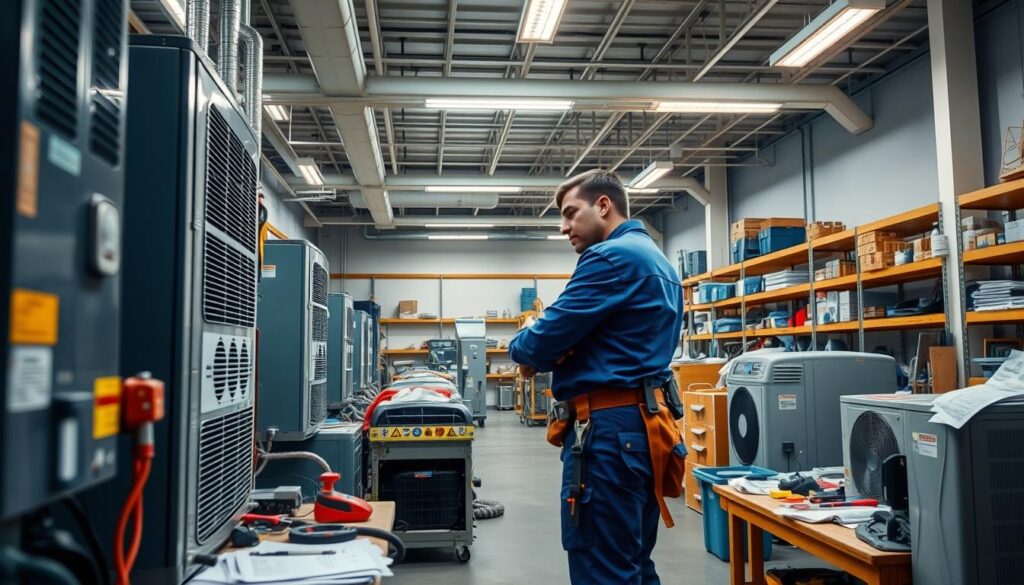
PayScale reports that the median salary for an HVAC service technician in the United States is $23.36 per hour. This career path is attractive for many reasons. HVAC technicians enjoy competitive pay, job stability, and growing demand across multiple sectors.
Your earnings in the HVAC salary landscape depend on several factors. These include experience, location, specialization, and certifications. Whether you’re just starting or looking to advance, knowing how much HVAC pays is key. It helps you make informed career decisions.
Key Takeaways
- Median HVAC technician hourly wage is $23.36
- Career offers strong job security and growth
- Earnings vary based on experience and specialization
- Certification can significantly boost income
- Multiple career advancement opportunities exist
Table of Contents
Understanding HVAC Technician Base Salaries
Exploring hvac technician pay shows a career with good money-making chances. The HVAC field pays well, with pay rising as you gain experience and skills. Your salary as an HVAC pro depends on your skills, where you work, and your area of focus.
Entry-Level HVAC Pay Rates
New HVAC techs start with good pay. They make about $26.01 an hour, or $54,100 a year. This starting salary is a strong base for growing your career.
- Starting hourly rate: $26.01
- Annual entry-level salary: $54,100
- Potential for rapid wage progression
Mid-Career Compensation
With more experience and skills, your pay goes up a lot. Mid-career HVAC techs make about $31.59 an hour, or $65,700 a year. This big increase shows the value of your growing skills and knowledge.
Senior-Level Earnings
Top HVAC techs earn a lot. They make $37.12 an hour, or $77,200 a year. These high wages reward years of hard work and skill building.
Your HVAC career offers big chances for making more money as you move up.
Explore Our HVAC Shop
Looking for top-rated HVAC tools, parts, and accessories? Visit our shop and find the perfect solution for your needs.
Visit the ShopHow Much Does HVAC Pay Across Different Experience Levels
Knowing how HVAC wages change as you work is key to planning your career. Your pay goes up as you get more experience. HVAC pay starts low and grows a lot as you learn and get better.
Your HVAC career has different levels, each with its own pay:
- Entry-Level (0-2 years): Starting wages reflect basic skills
- Intermediate (2-5 years): Noticeable salary improvements
- Experienced (5-10 years): Substantial wage increases
- Senior-Level (10+ years): Peak earning
After two to four years, you move up to an intermediate role. At this point, your pay goes up about 3.46% each year. This shows your growing skills and knowledge.
| Experience Level | Average Annual Salary | Typical Wage Increase |
|---|---|---|
| Entry-Level | $35,000 – $45,000 | Base Rate |
| Intermediate | $45,000 – $60,000 | 3.46% Annually |
| Experienced | $60,000 – $75,000 | 5-7% Annually |
| Senior-Level | $75,000 – $90,000+ | Up to 10% Annually |
Getting special certifications and keeping up with new tech can help you earn more. Invest in your skills, stay updated, and get more training to boost your pay.
Top-Paying States for HVAC Professionals
Your HVAC salary can change a lot based on where you work. The place you work in greatly affects your earnings in the United States.
HVAC salaries vary a lot in different places. Some states pay more because of their unique markets, economy, and demand for HVAC services.
Highest-Paying Markets
Looking at hvac salary chances, five states really stand out:
- California: Offers top wages because of its advanced tech
- New Jersey: Has strong markets for both industrial and home HVAC
- Washington: Its tech economy supports complex HVAC systems
- Massachusetts: Has a strong construction sector for both homes and businesses
- New York: Its dense cities need complex climate control
Cost of Living Considerations
A high hvac salary doesn’t always mean you can buy more. Your real earnings depend on local costs. Cities with high wages also have high living costs for homes, travel, and daily needs.
Regional Salary Variations
HVAC earnings change due to several important factors:
- Climate diversity
- Population density
- Local building rules
- Economic growth
Knowing these regional factors can help you plan your HVAC career. It can help you make the most of your earning chances.
Explore Our HVAC Shop
Looking for top-rated HVAC tools, parts, and accessories? Visit our shop and find the perfect solution for your needs.
Visit the ShopHVAC Career Progression and Salary Growth
Your HVAC career is full of chances to grow and earn more. You start as a beginner and work your way up. This path lets you improve your skills and move forward in your career.
The HVAC industry has a clear path for career growth. This path affects how much you earn:
- Apprentice Technician: Initial learning phase
- Journeyman Technician: Increased responsibilities
- Master Technician: Advanced skill specialization
- HVAC Supervisor: Leadership role
As you move up, your salary will increase. Those who keep learning and getting certified will earn more faster.
| Career Stage | Average Annual Salary | Typical Years of Experience |
|---|---|---|
| Apprentice | $35,000 – $45,000 | 0-2 years |
| Journeyman | $50,000 – $65,000 | 3-5 years |
| Master Technician | $70,000 – $85,000 | 6-10 years |
| HVAC Supervisor | $85,000 – $100,000 | 10+ years |
Getting certifications like NATE can make you more attractive to employers. Focusing on commercial HVAC or green technology can also boost your career.
“Continuous learning is the key to unlocking higher wages in the HVAC industry.” – HVAC Industry Expert
Factors Affecting HVAC Technician Compensation
Your earnings as an HVAC technician depend on several important factors. Knowing these can help you plan your career and increase your pay.
Many factors affect your HVAC compensation packages. These can greatly change your income path.
Education and Certification Impact
Getting more education and certifications can really boost your pay. Certain certifications make you stand out in the HVAC job market:
- EPA 608 Certification
- NATE (North American Technician Excellence) Certification
- Specialized credentials like:
- Heat pump specialist
- Ground source heat pump installer
- Performance verification expert
Industry Specializations
Your chosen area can greatly affect your pay. Specialized fields often pay more:
- Commercial HVAC systems
- Green technology installations
- Industrial refrigeration
- Advanced energy-efficient solutions
Company Size and Type
The company you work for is key to your pay. Big national companies usually offer better pay than small local ones.
Pro tip: Consider diversifying your skills to increase your market value and earnings.
By planning your career, learning continuously, and focusing on in-demand areas, you can boost your HVAC technician pay.
Explore Our HVAC Shop
Looking for top-rated HVAC tools, parts, and accessories? Visit our shop and find the perfect solution for your needs.
Visit the ShopBenefits and Additional Compensation Packages

HVAC technicians get more than just a salary. Your compensation packages include many benefits that can greatly increase your earnings. Knowing about these perks helps you see the full value of what you get.
Top HVAC employers offer great benefits to keep skilled workers. These packages usually include:
- Health insurance coverage
- Retirement savings plans
- Paid time off and vacation days
- Overtime pay opportunities
- Performance-based bonuses
Some companies offer special perks that add to your compensation. Specialized HVAC employers might offer:
- Company vehicle allowances
- Tool and equipment reimbursement
- Professional development training
- Profit-sharing programs
Your total compensation package can offer big financial benefits. Skilled technicians with advanced certifications often get better benefits. This can increase their earnings by 20-30% more than their base salary.
Investing in your skills and seeking employers with robust compensation packages can dramatically improve your long-term career earnings.
HVAC Supervisor and Management Salaries
As you move up in your HVAC career, leadership roles open up big opportunities for better pay. People who become supervisors make a lot more than new technicians.
HVAC careers often lead to exciting leadership jobs with great pay. Experienced techs use their skills to get into management. This brings both financial gains and career growth.
Leadership Role Compensation
HVAC supervisors get paid well for their big responsibilities. They make about:
- Hourly rate: $43.65
- Annual salary: Around $90,800
- Potential bonus: 5-15% of base salary
Administrative Position Earnings
Higher admin roles in HVAC bring even better pay. Jobs like service managers and operations directors get paid a lot more.
What affects management pay includes:
- Years of experience
- Advanced certifications
- Company size and complexity
- Where you live
Pro tip: Work on your leadership skills and keep learning. This can really boost your earnings in HVAC management.
Metropolitan Areas with Premium HVAC Wages
Some cities are better than others for HVAC jobs. If you’re good at HVAC, you can make more money in certain places. These cities need skilled HVAC workers a lot.
San Francisco, New York, and Seattle are great for HVAC jobs. They pay well because of their big buildings, new tech, and lots of construction.
- San Francisco: Highest average HVAC technician wages in the United States
- New York City: Extensive commercial and residential HVAC opportunities
- Seattle: Strong technology sector driving HVAC system investments
What makes HVAC jobs pay well in these cities? It’s because:
- Living costs are high
- Buildings are complex
- Technology is advanced
- Energy rules are strict
Think about working in these cities if you want to earn more. Having special skills and certifications can help you stand out.
“Location can dramatically impact your HVAC career trajectory and financial success.”
Choosing these cities can lead to big career and money gains in HVAC.
Explore Our HVAC Shop
Looking for top-rated HVAC tools, parts, and accessories? Visit our shop and find the perfect solution for your needs.
Visit the ShopIndustry Demand and Job Security Impact on Wages

The HVAC industry is a stable part of the job market. Your earnings in HVAC depend on the industry’s strong growth and importance. The Bureau of Labor Statistics says the industry will grow by 9% by 2033.
Knowing about job security can help you earn more in HVAC. The industry is strong because of several key reasons:
- More people want energy-efficient systems.
- Old buildings need constant upkeep.
- New tech in climate control is coming.
- The construction and renovation markets are growing.
Market Growth Projections
HVAC professionals have great job chances. The industry is growing because of:
- More upgrades in homes.
- Bigger commercial buildings.
- More use of green tech.
| Sector | Projected Growth Rate | Potential Impact on Wages |
|---|---|---|
| Residential HVAC | 7.2% | Moderate wage increases |
| Commercial HVAC | 10.5% | Significant wage opportunities |
| Industrial HVAC | 8.9% | Specialized high-earning chances |
Employment Stability Factors
Your HVAC career is very secure. Climate control and maintenance are always needed. Automation and outsourcing don’t threaten this job much. It’s a great career to plan for the long term.
The HVAC industry offers stable, well-paid jobs for skilled workers.
Comparing HVAC Salaries to Other Skilled Trades
Exploring career options in skilled trades? It’s key to know how much HVAC technicians make compared to others. HVAC offers wages that are quite competitive, standing out among other trade careers.
Skilled trades have their own salary patterns. Let’s look at how HVAC technician pay stacks up against other technical jobs:
- Electricians: Median annual salary of $56,900
- Plumbers: Average earnings around $55,160
- HVAC Technicians: Typical wages between $48,630 and $77,920
- Carpenters: Median annual income of $49,520
Your earnings in HVAC depend on several key factors. Experience, specialization, and where you work all play a big role. Those with advanced certifications usually earn more than beginners.
The Bureau of Labor Statistics says HVAC technicians have good job prospects. They expect a 5% job growth by 2029, showing strong opportunities in many fields. This growth means investing in HVAC training could pay off in the long run.
Skilled trades offer competitive compensation and job security in today’s dynamic job market.
While salary comparisons are helpful, remember that your earnings can vary. Keeping your skills sharp, getting specialized training, and networking can boost your career in HVAC.
Explore Our HVAC Shop
Looking for top-rated HVAC tools, parts, and accessories? Visit our shop and find the perfect solution for your needs.
Visit the ShopCareer Advancement Opportunities and Earning Potentials
Starting a career in HVAC can lead to many opportunities to increase your earnings. You can move from a beginner to a top earner by making smart career choices.
Getting better at specific skills can really boost your income. Here are some key steps to take:
- Pursue advanced certifications in commercial and industrial systems
- Learn about new green technology and energy management
- Master complex refrigeration systems
- Get good at sales and technical consulting
There are many ways to advance and earn more:
- Technical Specialization: Focus on areas like data center cooling or industrial refrigeration
- Management Roles: Move up to team supervisor or operations manager
- Entrepreneurship: Start your own HVAC business
Always keep learning to increase your earnings. Keeping up with new tech can lead to higher salaries and better benefits.
| Career Stage | Potential Earnings Increase | Key Skills Required |
|---|---|---|
| Entry-Level Technician | Base Salary | Basic Installation |
| Specialized Technician | 25-40% Increase | Advanced System Knowledge |
| Technical Supervisor | 50-75% Increase | Leadership & Technical Expertise |
| Business Owner | 100%+ Potencial Increase | Business Management Skills |
By focusing on your career, you can turn an HVAC job into a rewarding career with great financial benefits.
Conclusion
The HVAC industry is a great career choice with lots of growth and financial stability. When you look into HVAC pay, you’ll see it offers good salaries at different levels and areas of expertise. HVAC pay scales show that skilled workers can earn a lot, from entry-level to advanced roles.
Your journey in HVAC can be very rewarding. By always learning and getting more certifications, you can boost your value in the market. HVAC work is always changing, so your pay can grow as you get better at your job. You can work in homes, businesses, or factories.
New technologies and the need for better energy efficiency create more HVAC jobs. Planning your career, improving your skills, and being flexible can turn a technical job into a well-paying career. HVAC offers stable jobs, good pay, and the joy of helping others, making it a great choice for a future career.
Your success in HVAC depends on your hard work, eagerness to learn, and love for solving tough problems. By keeping up with industry trends and growing your skills, you can have a fulfilling career with lots of financial and professional growth.