
Affiliate Disclosure
HVAC Guide Guys is a participant in the Amazon Services LLC Associates Program, an affiliate advertising program designed to provide a means for sites to earn advertising fees by advertising and linking to Amazon.
How Many HVAC Vents Per Room? Ever noticed how some rooms are freezing while others are hot? It’s all about knowing how many HVAC vents your home needs for good air flow.
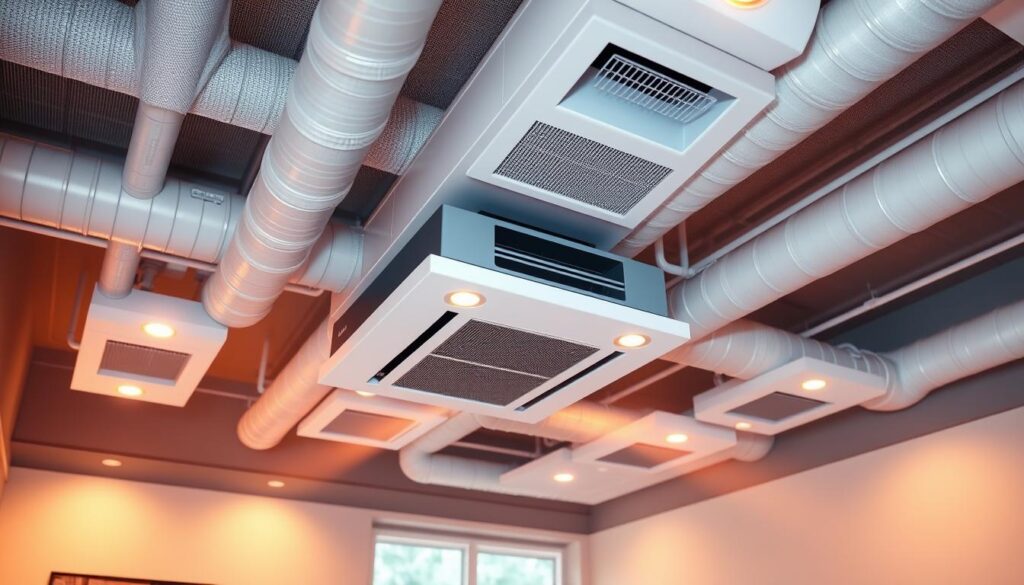
Your home’s comfort comes from a well-planned air distribution system. HVAC systems quietly move air through ducts to keep your space just right. But finding the right number of vents is key to a balanced, efficient home.
This guide will help you understand how to make your HVAC system work best. We’ll cover everything from small apartments to big houses. You’ll learn how to figure out the perfect number of vents for each room.
Key Takeaways
- Proper vent quantity is key for even home temperature
- Room size affects how many vents you need
- Different rooms might need different vent setups
- Good home ventilation means comfort and saving energy
- Getting a pro to check your vents can help a lot
Table of Contents
Understanding HVAC Vent Systems and Their Importance
Your home’s HVAC vent system is key to keeping your indoor space comfortable and healthy. These air conditioning vents are vital for keeping the temperature right and air quality high in your home.
HVAC vent systems are like your home’s lungs, moving air and keeping the climate balanced. Having the right number of vents can make a big difference in your comfort and how much energy you use.
Types of HVAC Vents
There are different vents for different jobs in your home’s climate control:
- Supply Vents: Send cooled or heated air into rooms
- Return Vents: Pull air back into the system
- Exhaust Vents: Take out stale air and moisture
The Role of Supply and Return Vents
Supply vents send conditioned air into your rooms. Return vents pull air back into the system. This keeps the air moving and the temperature steady.
| Vent Type | Primary Function | Location Typical |
|---|---|---|
| Supply Vents | Distribute Conditioned Air | Ceiling, Floor, Wall |
| Return Vents | Recirculate Air | Central Areas, Hallways |
Impact on Indoor Air Quality
Good air conditioning vents are key for clean indoor air. They filter out dust, allergens, and pollutants. This makes your home a cleaner, more comfortable place to live.
A well-designed HVAC vent system is your first line of defense against poor air quality.
How Many HVAC Vents Per Room?
Finding the right number of HVAC vents for your home is key. Experts say to have one supply vent and one return vent for every 100 to 150 square feet. This is a good starting point for your home’s hvac design.
- Room size and square footage
- Ceiling height
- Home’s overall layout
- HVAC system capacity
Different rooms need different amounts of air. Big rooms like living areas might need multiple vents for good air flow. Smaller rooms, like bathrooms, might do with fewer vents.
| Room Type | Recommended Vents | Considerations |
|---|---|---|
| Living Room | 2-3 vents | Large open space, high traffic |
| Bedroom | 1-2 vents | Depends on room size |
| Kitchen | 2 vents | Heat generation, cooking activities |
Getting a pro to check your home is a smart move. They can make sure your vents are in the right spots and you have the right number. They’ll look at your home’s design to make a plan that works best for you.
Explore Our HVAC Shop
Looking for top-rated HVAC tools, parts, and accessories? Visit our shop and find the perfect solution for your needs.
Visit the ShopCalculating Vent Requirements Based on Room Size
Figuring out how many HVAC vents your home needs is a detailed task. It involves looking at room size and other factors. The goal is to ensure good air flow and comfort through proper ductwork sizing.
Room size is key in figuring out vent needs for heating and cooling. Each room needs its own ventilation plan to keep air balanced.
Square Footage Guidelines
Here are some important guidelines for calculating vent needs:
- Small rooms (100-150 sq ft): 1 supply vent
- Medium rooms (150-300 sq ft): 2 supply vents
- Large rooms (300-500 sq ft): 3 supply vents
Room Dimension Considerations
Ductwork sizing isn’t just about square footage. The shape of the room, ceiling height, and where windows are also matter.
| Room Type | Recommended Vents | Typical Square Footage |
|---|---|---|
| Bedroom | 1-2 vents | 120-200 sq ft |
| Living Room | 2-3 vents | 300-400 sq ft |
| Kitchen | 1-2 vents | 100-250 sq ft |
Multiple Story Home Requirements
Multi-story homes face special HVAC challenges. Upper floors need careful vent placement because heat rises and air pressure can be different.
Proper vent distribution is key to maintaining consistent temperature and air quality throughout your home.
Getting a professional assessment is the best way to figure out exact vent needs. Your home’s layout, insulation, and design will affect the best ventilation plan.
Factors Affecting Optimal Vent Placement
Getting your HVAC to work efficiently starts with smart vent placement. Your home’s comfort depends on placing air vents right. This ensures good airflow and saves energy.
Several key factors affect where vents should go. Room layout, where you put furniture, and your home’s design all play a role. They all impact how well your HVAC system works.
- Avoid blocking vents with furniture or curtains
- Position supply vents near windows and exterior walls
- Keep return vents clear of obstructions
- Consider ceiling height and room dimensions
Different rooms need different vent placement strategies. Living rooms might need vents spread out for better airflow. Bedrooms, on the other hand, might do better with vents focused on specific areas.
| Room Type | Recommended Vent Placement | Airflow Consideration |
|---|---|---|
| Living Room | Multiple ceiling/wall vents | Wide distribution |
| Bedroom | Focused ceiling vents | Directed airflow |
| Kitchen | High wall or ceiling vents | Heat management |
Experts say to keep at least 6-12 inches of space around vents. This helps air flow freely and keeps your system running smoothly.
Strategic vent placement can improve your HVAC system’s efficiency by up to 20%.
Learning about vent placement can make your home more comfortable and energy-efficient. It’s all about optimizing your home’s ventilation.
Explore Our HVAC Shop
Looking for top-rated HVAC tools, parts, and accessories? Visit our shop and find the perfect solution for your needs.
Visit the ShopThe Science Behind Air Changes Per Hour
Knowing about air changes per hour (ACH) is key for good home ventilation and air quality. It shows how many times the air in a space is replaced in one hour.
Good ventilation is more than just moving air. It’s about making your home a healthy place for your family. Each room in your home needs different air exchange rates, based on its size and use.
Residential Air Exchange Rates
Experts suggest certain air change rates for different rooms:
- Bedrooms: 5-6 air changes per hour
- Bathrooms: 6-7 air changes per hour
- Living rooms: 4-5 air changes per hour
- Kitchens: 7-8 air changes per hour
“Clean air is not a luxury, it’s a necessity for healthy living.” – Indoor Air Quality Specialist
Room-Specific Requirements
Each room has its own air quality needs. Places like bathrooms and kitchens need more air changes to stop mold and remove harmful particles.
Your home’s ventilation system is vital for a healthy home. By knowing and using the right air exchange rates, you can make your indoor air better and your home more comfortable.
Return Vent Placement and Quantity Guidelines
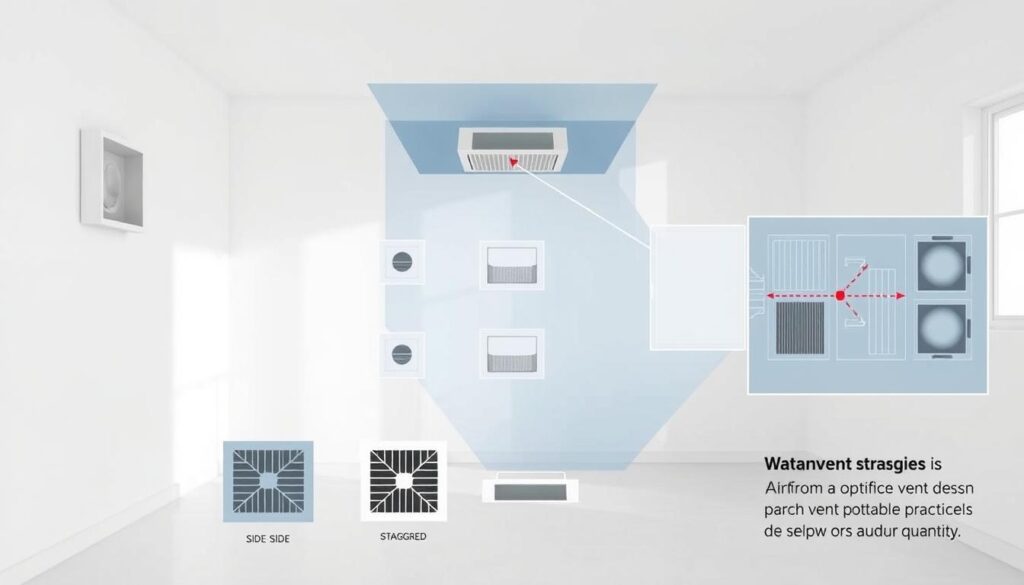
Knowing where to place return vents is key for a comfy home. The right number and spot for return vents boost your HVAC system’s work. They help keep air flowing well and ease the load on your HVAC.
When placing return vents, keep these tips in mind:
- Spread return vents across your home’s areas
- Use one return vent for every 300-400 square feet
- Keep vents out of sunlight and heat
- Make sure vents are clear of furniture and curtains
The number of return vents affects your HVAC’s performance. More vents mean better air flow and even temperatures.
| Home Size | Recommended Return Vents | Air Circulation Efficiency |
|---|---|---|
| 1,000 sq ft | 2-3 vents | Good |
| 1,500-2,000 sq ft | 3-4 vents | Excellent |
| 2,500+ sq ft | 4-5 vents | Optimal |
Professional tip: Get an HVAC expert to check your home’s return vent needs. Your home’s design can affect the best spots for vents.
Explore Our HVAC Shop
Looking for top-rated HVAC tools, parts, and accessories? Visit our shop and find the perfect solution for your needs.
Visit the ShopCommon Mistakes in HVAC Vent Installation
Installing HVAC vents might seem easy, but mistakes can hurt your system’s performance and energy use. Knowing these common errors helps homeowners and pros follow the best installation practices.
Wrong vent installation can cause many problems. It can make your energy-efficient HVAC system less effective and raise maintenance costs over time.
Improper Sizing Challenges
Vent size is key for good airflow. The wrong size can lead to big problems:
- Small vents block air flow
- Big vents make temperatures uneven
- Wrong size vents use more energy
Placement Problems
Where you put vents affects your HVAC’s efficiency. Bad placement can lead to:
- Blocked air flow near furniture or walls
- Uneven room temperatures
- More strain on your HVAC system
Balance and Pressure Considerations
Keeping air pressure and balance right is vital for your HVAC’s best performance. Unbalanced systems can cause:
- Less comfort
- Higher energy bills
- Possible damage to your equipment
Getting a pro to check and install correctly is the best way to avoid these common mistakes.
Impact of Vent Quantity on Energy Efficiency
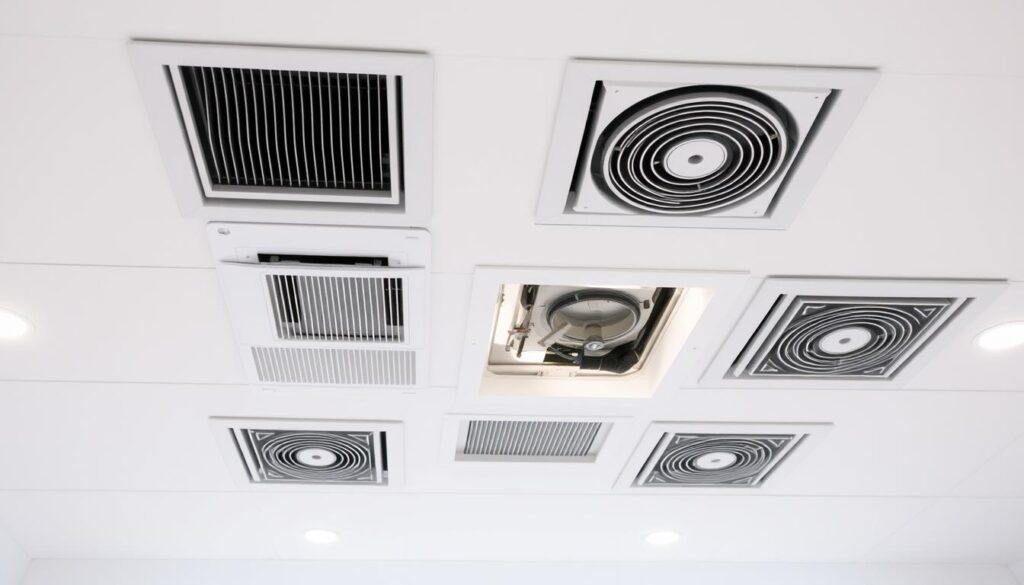
Your home’s ventilation system is key to keeping your HVAC energy efficient. The right vent placement and number can cut down your energy use. This boosts your system’s overall efficiency.
When your home’s ventilation is just right, your HVAC system doesn’t have to work as hard. This means lower energy bills and longer life for your equipment.
- Balanced vent distribution reduces system workload
- Proper airflow minimizes energy waste
- Strategic vent placement improves temperature consistency
Here are important factors that affect your HVAC’s energy efficiency:
| Vent Characteristic | Energy Efficiency Impact |
|---|---|
| Vent Size | Directly affects air circulation efficiency |
| Vent Placement | Determines uniform air distribution |
| Number of Vents | Influences overall system performance |
Investing in a well-designed home ventilation system can lead to substantial long-term energy savings and improved indoor comfort.
Effective vent management is key to maximizing your HVAC system’s full power and cutting down energy use.
Explore Our HVAC Shop
Looking for top-rated HVAC tools, parts, and accessories? Visit our shop and find the perfect solution for your needs.
Visit the ShopSigns You Need Additional HVAC Vents
Knowing when your home needs more air conditioning vents can prevent discomfort and save money. Your HVAC system’s performance affects your comfort and energy use.
It’s important to know how many vents each room needs for good air flow. Here are signs you might need more vents:
- Uneven room temperatures
- Persistent stuffy or stagnant air
- Unexplained increases in energy bills
- Rooms feeling consistently warmer or cooler than others
Not enough air conditioning vents can make rooms uncomfortable. Rooms with poor airflow often feel uncomfortable and may develop temperature disparities. These signs mean your vents might not be enough for your home.
| Sign | Potential Vent Issue | Recommended Action |
|---|---|---|
| Temperature Variations | Insufficient Supply Vents | Professional HVAC Assessment |
| High Energy Bills | Poor Air Circulation | Vent Count and Placement Evaluation |
| Stuffy Rooms | Limited Air Exchange | Consider Additional Return Vents |
Talking to an HVAC expert can help figure out how many vents you need. They can check your home’s ventilation and suggest improvements.
Expert Tip: Regular HVAC system assessments can prevent long-term comfort and efficiency issues.
Conclusion
Understanding how your home’s HVAC system works is key to a comfortable living space. Your home’s ventilation system affects air flow, energy use, and air quality. The right number and placement of vents can greatly improve your HVAC system’s performance.
Choosing the right spot for vents involves many factors. These include room size, how you use the space, and your home’s design. Whether your home is small or large, finding the best ventilation is important. HVAC experts can help you figure out what changes will make your home more comfortable and energy-efficient.
Learning about your home’s ventilation needs can bring big benefits. You’ll enjoy even temperatures, better air quality, and maybe even lower energy costs. If you’re not sure about your HVAC setup, get a professional to check it out. They can give you advice that fits your home’s needs.
Your home’s comfort depends a lot on its ventilation system. By focusing on the right number and placement of vents, you can make your home healthier and more comfortable. This ensures your living space meets your unique needs.