
Affiliate Disclosure
HVAC Guide Guys is a participant in the Amazon Services LLC Associates Program, an affiliate advertising program designed to provide a means for sites to earn advertising fees by advertising and linking to Amazon.
How Many HVAC Units Do I Need for Your Home? Ever felt uncomfortable in a room with air conditioning on? It might be because you don’t have the right HVAC unit size. Many people struggle to pick the right size, missing the balance between comfort and efficiency.
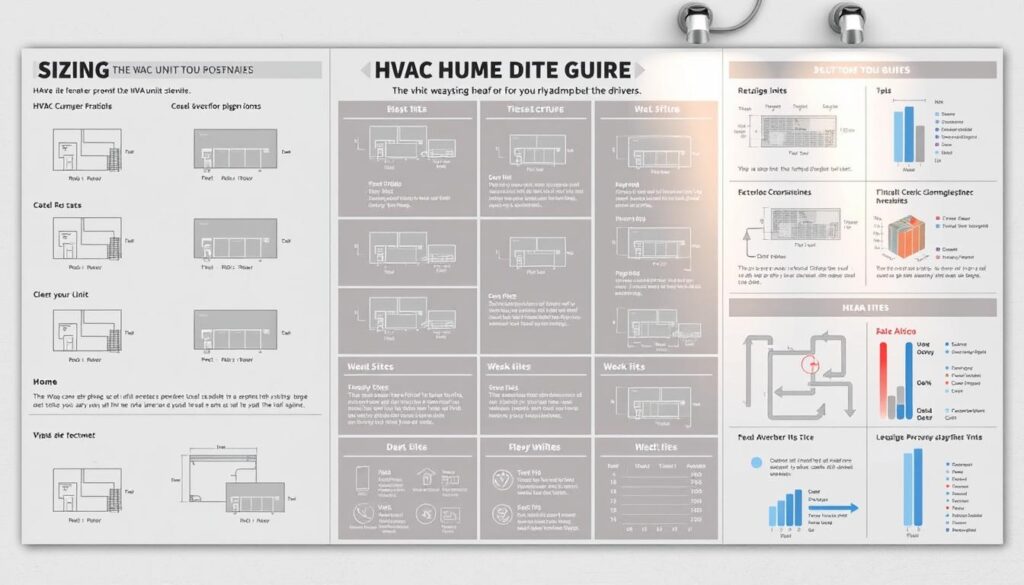
Choosing the right HVAC unit size is key to a comfortable home. Your home’s size, layout, and design are important. They help decide how many HVAC units you need.
Remember, one HVAC unit doesn’t fit all. Things like room layout, insulation, and climate zone matter. Even where your windows are can affect your home’s heating and cooling needs.
Key Takeaways
- Proper HVAC unit sizing ensures optimal home comfort
- Multiple factors influence HVAC unit requirements
- Professional assessment is critical for accurate sizing
- Incorrect HVAC sizing can lead to energy inefficiency
- Each home has unique heating and cooling needs
Table of Contents
Understanding HVAC System Basics and Sizing Principles
Choosing the right HVAC system for your home is more than just picking the biggest one. It’s about finding the right size for your home’s needs. This ensures your system works well and saves energy.
When figuring out your HVAC needs, there’s more to it than just the square footage. Your home’s special features are key to picking the best HVAC system.
The Importance of Proper HVAC Sizing
Getting the right HVAC system size is very important:
- It stops energy waste
- Keeps your home at a steady temperature
- Reduces wear on your system
- Boosts your system’s efficiency
Common Sizing Mistakes to Avoid
Homeowners often make big mistakes when picking HVAC equipment:
- Oversizing: Big units use more energy because they turn on and off a lot
- Undersizing: Small units can’t keep your home cool or warm
- Not considering your home’s unique features like insulation and windows
Impact on Energy Efficiency
Getting your HVAC size right is key to saving energy. A well-sized system can cut your energy bills by up to 30%. This saves money and helps the environment over time.
The right HVAC system is like a perfectly tailored suit – it should fit your home’s unique needs precisely.
Explore Our HVAC Shop
Looking for top-rated HVAC tools, parts, and accessories? Visit our shop and find the perfect solution for your needs.
Visit the ShopHow Many HVAC Units Do I Need for My Home Size
Finding the right HVAC units for your home is more than just looking at square footage. Your home’s unique features are also important. They help figure out the best HVAC setup for you.
- Total square footage of your living space
- Number of rooms hvac must service
- Home layout and architectural design
- Local climate conditions
- Insulation quality
For homes between 1,500 to 3,000 square feet, a three-ton HVAC unit usually works well. Bigger homes might need more units for even heating and cooling.
The number of rooms your HVAC system needs to cover is also key. Homes with multiple floors often need separate units for each floor. This ensures the temperature is right everywhere. HVAC experts can check your home and suggest the best setup for you.
Getting a professional assessment is essential for finding the right HVAC units for your home’s comfort.
Calculating Your Home’s Square Footage Requirements
Knowing how to figure out your home’s HVAC needs is key for good heating and cooling. The right HVAC system can cut costs and make your home more comfortable. Your home’s size is a big factor in picking the right HVAC system size.
When you’re looking to replace your HVAC, consider a few important things. These factors affect how well your home will cool and heat:
Square Footage to BTU Conversion Guide
The basic rule for HVAC sizing is straightforward:
- Every square foot of living space needs about 20 BTUs
- For every 500 square feet, you need about 12,000 BTUs of cooling power
- A 1,500 square foot home usually needs a 3-ton air conditioning unit
Zone-Specific Considerations
Different parts of your home need special heating and cooling. Things that affect BTU needs include:
- Ceiling height
- Sun exposure
- Number of windows
- Insulation quality
Multi-Story Home Calculations
Multi-story homes have unique HVAC sizing challenges. Upper floors often need more cooling because heat rises. A pro can do detailed calculations to figure out what each floor needs.
Experts say getting a thorough check is best. This ensures you get the most efficient system for your home.
Explore Our HVAC Shop
Looking for top-rated HVAC tools, parts, and accessories? Visit our shop and find the perfect solution for your needs.
Visit the ShopThe Role of Manual J Load Calculations
Choosing the right HVAC system for your home is key. The Manual J load calculation is the top method used by HVAC pros. It helps figure out your home’s heating and cooling needs.
A detailed hvac contractor consultation includes important steps in the Manual J process:
- Measuring your home’s total square footage
- Evaluating insulation levels
- Analyzing window placement and quality
- Assessing local climate conditions
- Calculating heat gain and loss
These calculations need expert skills. Getting it wrong can cause big energy waste and higher bills. A system that’s too big wastes energy, while one that’s too small can’t keep your home comfy.
| Calculation Factor | Impact on HVAC Performance |
|---|---|
| Insulation Quality | Directly influences heat retention and energy efficiency |
| Window Characteristics | Affects heat gain and loss through thermal transfer |
| Local Climate Zone | Determines specific heating and cooling needs |
Professional hvac load calculation means you get a system that fits your home perfectly. It offers the best comfort and saves energy.
Two-Story Homes: Single vs. Dual HVAC Systems
Two-story homes face unique temperature challenges. Heat naturally rises, causing big differences in temperature between floors. Choosing the right HVAC system is key for comfort and saving energy.
For multi-level homes, you have two main options: single or dual HVAC systems. Each has its own benefits and drawbacks.
Temperature Balance Challenges
Two-story homes often see a 5-10 degree temperature gap between floors. The top floor gets warmer because of heat buildup and roof exposure. Your HVAC setup greatly affects this temperature difference.
- Upper floors tend to be 3-7 degrees warmer
- Heat naturally rises through stairwells and open spaces
- Roof and attic heat transfer increases upper floor temperatures
Energy Efficiency Comparisons
The right HVAC system can cut down energy use a lot. Let’s look at single and dual system options:
| System Type | Energy Efficiency | Average Annual Cost |
|---|---|---|
| Single HVAC System | 70-80% efficient | $1,200-$1,500 |
| Dual HVAC System | 85-95% efficient | $1,500-$2,000 |
Cost-Benefit Analysis
Dual systems provide better temperature control but cost more upfront. Homeowners need to consider long-term energy savings against initial costs.
Investing in a well-designed HVAC system can reduce energy costs by up to 30% annually.
Your home’s design, insulation, and local climate will decide the best HVAC choice.
Explore Our HVAC Shop
Looking for top-rated HVAC tools, parts, and accessories? Visit our shop and find the perfect solution for your needs.
Visit the ShopClimate Zone Impact on HVAC Unit Selection

Your home’s location is key in picking the right HVAC system. Climate zones affect how much cooling and heating you need. It’s important to know how weather in your area impacts your heating and cooling needs.
Different climate zones need different HVAC systems. The United States has many climate regions. Each one has its own challenges for keeping your home at the right temperature and saving energy.
- Coastal regions with high humidity demand systems with enhanced dehumidification capabilities
- Desert areas require units with robust cooling performance
- Northern zones need systems with stronger heating capabilities
- Moderate climates can use more versatile HVAC configurations
Calculating HVAC load gets more accurate when you know your climate zone. For example, homes in southern Florida need more cooling than homes in northern Minnesota.
| Climate Zone | Temperature Range | HVAC Capacity Recommendation |
|---|---|---|
| Hot Humid | 80-95°F | Higher cooling capacity |
| Cold | 20-40°F | Enhanced heating capabilities |
| Temperate | 50-70°F | Balanced system design |
Professional HVAC contractors use special tools for precise calculations. They consider your climate zone to ensure your system meets your home’s needs.
Understanding BTU Requirements for Different Room Sizes
Choosing the right HVAC unit for your home is more than just picking a system. You need to calculate the BTU requirements for each room. This ensures your home is comfortable and energy-efficient.
BTU measurements are key to finding the right cooling or heating for each space. Not every room is the same, so sizing your HVAC unit carefully is important.
Room-by-Room BTU Guidelines
Rooms of different sizes and uses need different BTU levels. Here’s a quick guide:
- Bedrooms (100-250 sq ft): 5,000-6,000 BTUs
- Living Rooms (250-400 sq ft): 7,000-10,000 BTUs
- Kitchen Areas (150-250 sq ft): 6,000-8,000 BTUs
- Home Offices (100-200 sq ft): 5,000-6,000 BTUs
Adjusting for Special Conditions
When calculating your HVAC needs, remember to consider special factors:
| Special Condition | BTU Adjustment |
|---|---|
| High Ceilings | Add 20% to standard BTU calculation |
| Large Windows | Increase BTUs by 10% |
| Direct Sunlight Exposure | Add 15% to BTU requirement |
“Precision in HVAC unit sizing can save you up to 30% on energy costs” – HVAC Energy Experts
Getting a professional assessment is the best way to figure out your HVAC needs. While these guidelines are helpful, a pro can ensure your system works perfectly.
The Importance of Proper Insulation and Ventilation
When you’re setting up your HVAC, knowing about insulation and ventilation is key. It makes your home more comfortable and saves energy. A good HVAC system works best with a well-insulated and ventilated space.
Insulation keeps your home’s temperature steady by blocking heat from outside. It makes your HVAC work less hard and can cut down on energy bills.
- Prevents heat loss during winter
- Blocks heat gain during summer
- Reduces strain on HVAC equipment
- Improves overall energy efficiency
There are many insulation materials, each with its own strengths:
| Insulation Type | R-Value per Inch | Best Used For |
|---|---|---|
| Fiberglass Batts | 2.2 – 2.7 | Walls, Attics |
| Spray Foam | 3.5 – 6.5 | Tight Spaces, Air Sealing |
| Cellulose | 3.6 – 3.8 | Existing Wall Cavities |
Good ventilation works with insulation to keep air moving and air quality high. It stops moisture buildup, cuts down mold, and helps your HVAC run better.
Insulation and ventilation are not just extras—they’re vital for a home’s climate control system.
When picking your HVAC, think about how insulation and ventilation will affect it. A well-insulated home means you can get a smaller HVAC system. This can save you money upfront and in the long run.
Explore Our HVAC Shop
Looking for top-rated HVAC tools, parts, and accessories? Visit our shop and find the perfect solution for your needs.
Visit the ShopSingle vs. Two-Stage HVAC Systems
When looking at hvac system types, knowing the difference between single-stage and two-stage systems is key. Each has its own benefits for comfort and saving energy.
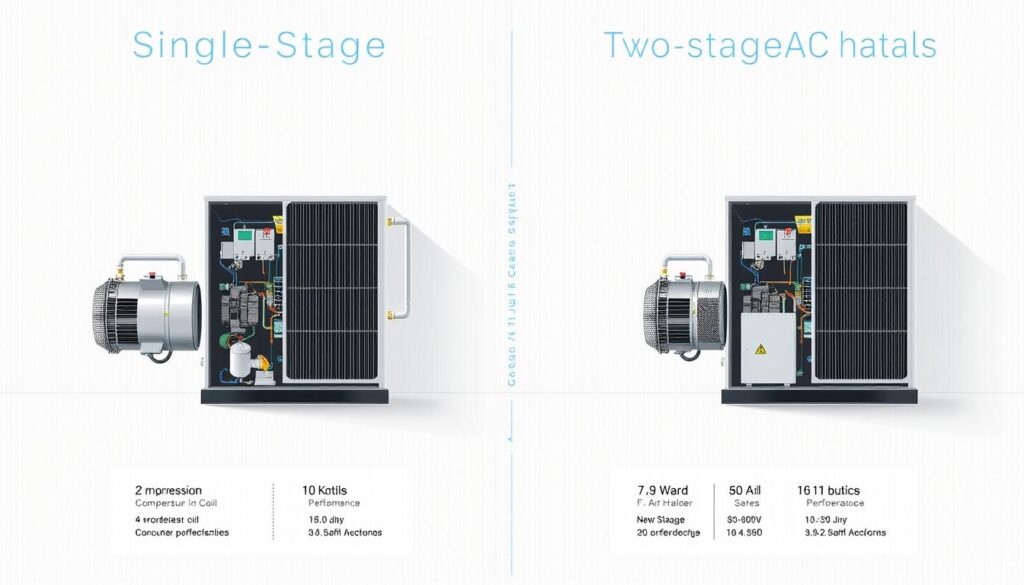
Single-stage HVAC systems work at full power all the time. They turn on and off completely, leading to temperature swings in your home. They’re cheaper at first but might not keep your home comfortable all the time.
Performance Differences
Two-stage HVAC systems work better by running at two speeds:
- Low speed for mild days
- High speed for really hot or cold days
This way, they offer more precise temperature control and better air flow in your home.
Cost Considerations
Two-stage systems cost more at first but save money in the long run:
- They use less energy
- They wear out less over time
- They keep your home more comfortable
Your home needs, budget, and local weather will decide the best hvac system for you.
Alternative Solutions: Zoned HVAC Systems
Zoned HVAC systems change the game for home comfort and energy use. They let you control the temperature in each room separately. This is great for big or multi-story homes.
These systems use special dampers in your ductwork. They guide cool air to where you want it, making different zones in your home. So, you can keep bedrooms cool and living areas warm, saving energy and boosting comfort.
- Customize temperature for each room or zone
- Reduce energy consumption by up to 30%
- Improve overall home comfort
- Eliminate hot and cold spots
Zoned systems are perfect for managing many rooms. They’re great for homes with:
- Multiple levels
- Large open spaces
- Rooms with different sun exposure
- Varied occupancy patterns
Professional installation is key to maximizing the benefits of a zoned HVAC system. An expert can design a system that fits your home and family’s needs.
Zoned HVAC: Smart cooling, personalized comfort.
Explore Our HVAC Shop
Looking for top-rated HVAC tools, parts, and accessories? Visit our shop and find the perfect solution for your needs.
Visit the ShopFactors Affecting HVAC Unit Size Selection
Choosing the right HVAC unit is more than just measuring your home’s size. It’s about looking at many important factors. These ensure your system works well and saves energy.
Your home’s special features are key in picking the right HVAC size. Here are the main things that affect your choice:
- Home Square Footage: The main size guide
- Local Climate Conditions: Temperature and humidity
- Home Insulation Quality: Keeps heat in or out
- Window Quantity and Quality: Affects heat transfer
- Ceiling Height: Changes air volume
- Number of Home Occupants: Affects heat produced
“Proper HVAC unit sizing is not a one-size-fits-all solution. Each home requires a tailored approach.” – HVAC Engineering Association
Experts use special methods to figure out your cooling and heating needs. They look at your home’s details to suggest the best system.
| Factor | Impact on HVAC Sizing | Consideration Level |
|---|---|---|
| Insulation | High Heat Retention | Critical |
| Window Quality | Thermal Transfer Reduction | Significant |
| Home Orientation | Sun Exposure | Moderate |
Remember, the wrong size can cost more, make your home less comfortable, and harm your system. Always talk to a professional HVAC expert. They can make sure your system is just right for your home.
Conclusion
Choosing the right HVAC system is key for your home’s comfort and energy use. Getting help from a professional HVAC contractor is vital. They guide you through the complex world of installation and system choices.
Your home’s size, climate, insulation, and comfort needs are important. An expert from a trusted company like Madd Air Heating & Cooling can help. They know the best HVAC solution for your home.
Knowing how HVAC systems work helps you make smart choices. You’ll learn about BTU needs and whether to choose one or multiple units. This knowledge saves money and makes your home more comfortable.
Professional advice is your best ally for a perfect HVAC system. Regular maintenance and checks keep your system running well for years.