
Affiliate Disclosure
HVAC Guide Guys is a participant in the Amazon Services LLC Associates Program, an affiliate advertising program designed to provide a means for sites to earn advertising fees by advertising and linking to Amazon.
Did you know your rental property’s HVAC system can be a big tax advantage? Learning how to depreciate HVAC on rental property can turn a regular expense into a big financial win for smart investors.
Rental property HVAC depreciation is a key tax strategy. It lets property owners spread out the cost of HVAC systems over time. The IRS has rules that help you lower your taxable income by deducting the system’s value over its life.
This guide will show you how to depreciate HVAC on rental property. You’ll learn how to get the most tax benefits and boost your investment’s financial health.
Key Takeaways
- HVAC systems are considered capital improvements for tax purposes
- Depreciation typically occurs over 27.5 years for residential rentals
- Proper documentation is key for claiming HVAC depreciation
- Different rules apply for commercial and residential properties
- Smart HVAC depreciation can greatly cut your taxable rental income
Table of Contents
Understanding HVAC Depreciation Basics for Rental Properties
Getting tax deductions for rental HVAC can be tough for property owners. It’s key to know how depreciation works for rental properties. This helps you get the most tax benefits and keep your financial records right.
The IRS has rules for depreciating HVAC systems in rental properties. These systems lose value over time. This lets property owners claim tax deductions.
What Qualifies as Depreciable HVAC Equipment
Not all HVAC costs can be depreciated. Only certain things qualify, like:
- Central heating and cooling systems
- Ductwork and ventilation components
- Thermostats and control systems
- Permanent HVAC units installed in the property
Repairs vs. Capital Improvements
It’s important to know the difference between repairs and capital improvements for taxes. Repairs can be deducted right away. But, capital improvements need to be spread out over years.
- Repairs: Minor fixes that keep the system in good shape
- Capital Improvements: Big upgrades that raise the property’s value or extend its life
HVAC Components Subject to Depreciation
When figuring out depreciation for rental properties, look at these HVAC parts:
- Compressors
- Condensers
- Furnace units
- Heat pumps
- Electrical connections
Knowing these rules and keeping good records will help you get the most from your HVAC tax deductions.
MACRS Depreciation System for Rental Property HVAC
The Modified Accelerated Cost Recovery System (MACRS) is the main way to depreciate rental property HVAC equipment. Knowing how to use MACRS for HVAC can really help with your taxes as a property owner.
IRS rules for HVAC depreciation tell landlords how to figure out equipment depreciation. The MACRS system helps you recover the cost of your HVAC over time in a structured way.
- Residential rental properties use a 27.5-year recovery period
- Straight-line depreciation method applies to HVAC systems
- Annual deductions are calculated based on the initial equipment cost
“Proper depreciation tracking can maximize your tax benefits and accurately reflect your HVAC equipment’s diminishing value.”
To use MACRS for your HVAC, you’ll need to track the original cost and spread the depreciation over the recovery period. This lets you get back your investment through tax deductions each year.
The IRS has clear rules for tracking and calculating these expenses. Keeping detailed records of your HVAC purchases and installation dates is key for accurate tax reporting.
Pro tip: Consult with a tax professional to ensure you’re maximizing your HVAC depreciation benefits while remaining compliant with current tax regulations.
Explore Our HVAC Shop
Looking for top-rated HVAC tools, parts, and accessories? Visit our shop and find the perfect solution for your needs.
Visit the ShopHow to Depreciate HVAC on Rental Property
Depreciating HVAC systems in rental properties can be tricky. But knowing the process can help you get the most tax benefits. You need to follow IRS rules carefully and do the math right.
Depreciation lets property owners spread out the cost of HVAC systems over time. This gives big tax breaks to those who rent out properties.
Step-by-Step Calculation Process
To depreciate an HVAC system on a rental property, follow these steps:
- Find the total cost of the HVAC system, including what you paid and installation
- Figure out how long it will take to recover the cost
- Work out how much you can depreciate each year
- Keep detailed records of all your expenses
Determining Depreciable Basis
The cost you can depreciate includes more than just the price of the unit. You should also include:
- The cost of the equipment
- What you paid for installation
- Any extra changes you made
| HVAC Component | Typical Depreciation Period | Tax Consideration |
|---|---|---|
| Central Air Conditioning | 27.5 years | Residential Rental Property |
| Commercial HVAC System | 39 years | Commercial Property |
| Standalone Units | 5-7 years | Shorter Recovery Period |
Applying Recovery Periods
For homes you rent out, you use the Modified Accelerated Cost Recovery System (MACRS). This system has a 27.5-year schedule. To find out how much you can depreciate each year, divide the total cost by 27.5.
It’s smart to talk to a tax expert. They can make sure you’re following the latest IRS rules for depreciating HVAC systems. Keeping accurate records and doing the math right is key to getting the most tax benefits.
Tax Benefits of HVAC Depreciation for Landlords
Rental property tax benefits can greatly improve your investment strategy. This is true, mainly when it comes to HVAC system depreciation. As a landlord, knowing how to use investment property tax write-offs can boost your financial gains.
Depreciation is a strong tax strategy. It lets you deduct the cost of your HVAC system over its life. This non-cash expense can greatly lower your taxable rental income. It offers big financial benefits for property investors.
- Reduce annual taxable income by claiming HVAC depreciation
- Offset rental property income through strategic tax deductions
- Improve cash flow by minimizing tax liability
The IRS lets landlords depreciate HVAC systems over 27.5 years for homes. This means you can get annual tax deductions that help your bottom line. For instance, a $5,000 HVAC system could save you about $180 a year in taxes.
Smart investors see HVAC depreciation as key to their long-term rental property financial plan.
By keeping track and documenting your HVAC system’s value and depreciation, you can get big tax benefits. These benefits can make your investment more profitable.
Reporting HVAC Depreciation on Tax Returns
Understanding the IRS rules for HVAC depreciation is key for rental property owners. It helps you get the most tax benefits and follow federal tax laws.
Reporting your HVAC system’s depreciation requires careful steps. These steps are important for a good tax strategy.
Required IRS Forms
You’ll mainly use IRS Form 4562 for HVAC depreciation. This form is vital for showing depreciation costs for your HVAC system. Here’s what you need to know:
- File Form 4562 in the first year you claim depreciation
- Include detailed information about the HVAC system’s cost
- Specify the depreciation method used
Documentation Requirements
Good documentation is your ally in case of a tax audit. Keep these records:
- Original purchase receipts for the HVAC system
- Installation invoices
- Professional assessment of the system’s value
- Maintenance and repair records
Filing Deadlines and Procedures
Timing is everything when reporting HVAC depreciation. You must file Form 4562 with your annual tax return by April 15th. Missing this deadline can mean losing tax benefits for your rental property.
Pro Tip: Consult with a tax professional who specializes in rental property investments to ensure you’re maximizing your depreciation deductions.
Explore Our HVAC Shop
Looking for top-rated HVAC tools, parts, and accessories? Visit our shop and find the perfect solution for your needs.
Visit the ShopCommon HVAC Components and Their Depreciation Classifications
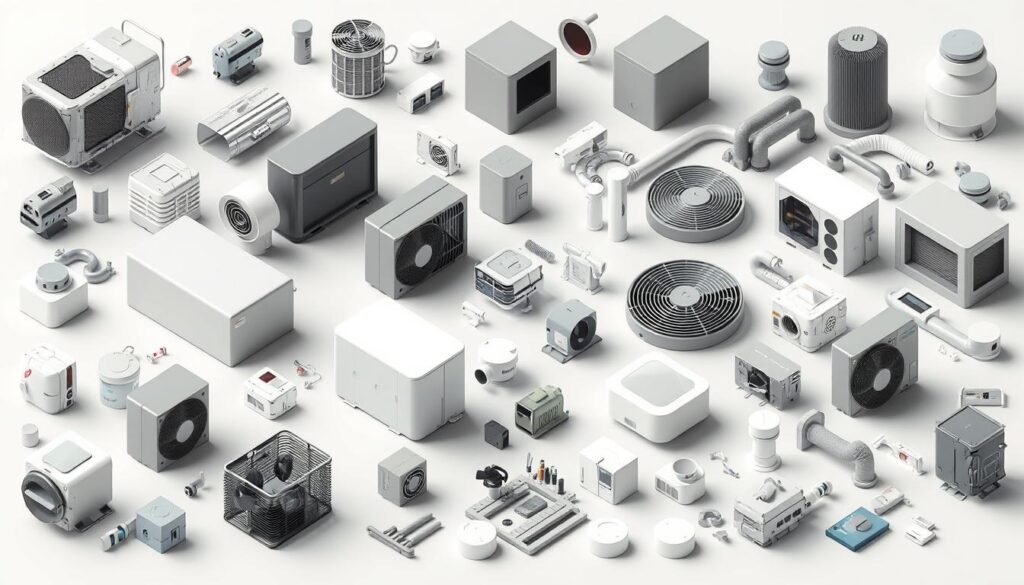
Understanding how to depreciate your rental property’s HVAC system is key. It involves looking at each component’s depreciation. Each part of your HVAC system has its own depreciation rules. These rules affect your taxes.
Landlords need to know about the depreciation of HVAC components. This knowledge helps in planning taxes. Here are some key components and their depreciation times:
- Air Conditioning Units: Typically depreciated over 5-7 years
- Furnaces: Generally depreciated over 7-10 years
- Ductwork Systems: Longer depreciation period of 15-27.5 years
- Boilers and Chillers: Often depreciated between 10-15 years
The IRS has rules for depreciating HVAC components. Your depreciation schedule depends on your property type and the component’s life expectancy.
It’s important to track these key components for accurate depreciation:
- Compressors
- Condensers
- Evaporators
- Air Handlers
- Thermostats
Keep up with new IRS rules and changes in HVAC classifications. This helps in making accurate depreciation calculations.
Proper documentation of each HVAC component’s purchase price and installation date is key for accurate depreciation reporting.
Special Considerations for Commercial vs Residential HVAC Depreciation
Understanding the differences in HVAC depreciation for commercial and residential properties is key. Investors need to know how tax rules vary for each type. This knowledge helps them get the most tax benefits.
Depreciation rules for HVAC systems differ between commercial and residential properties. Each type has its own set of rules. These rules affect how you can depreciate HVAC systems for tax purposes.
Commercial Property HVAC Depreciation Guidelines
Commercial properties have their own set of rules for depreciating HVAC systems. Here are some key points:
- Longer depreciation period of 39 years
- More complex classification rules
- Stricter documentation requirements
Residential Rental Property HVAC Requirements
Residential properties offer simpler depreciation rules for HVAC systems. The main points are:
- Shorter depreciation period of 27.5 years
- Simpler tracking mechanisms
- More flexible reporting options
Let’s look at a comparison to see the differences:
| Property Type | Depreciation Period | Key Considerations |
|---|---|---|
| Commercial | 39 years | Complex classification, detailed documentation |
| Residential | 27.5 years | Simplified reporting, more flexible tracking |
Knowing these differences helps investors plan better for HVAC depreciation. It ensures they get the most tax benefits while following IRS rules.
Tracking HVAC Depreciation Over Multiple Tax Years
Keeping track of rental property asset depreciation is key, even more so for HVAC systems over time. Your tax write-offs depend on keeping accurate records of how much the equipment’s value drops each year.
To track HVAC depreciation well, you need a clear plan. Digital tools can help a lot. They make it easier to keep up with your records for tax benefits.
- Create a dedicated digital spreadsheet for HVAC depreciation
- Capture initial equipment cost and installation date
- Track annual depreciation amounts
- Maintain receipts and maintenance documentation
After the first year, you won’t need to file Form 4562 for assets you’ve already reported. You’ll just report the total depreciation on Schedule E for rental properties.
| Tax Year | Depreciation Method | Reporting Requirement |
|---|---|---|
| First Year | Form 4562 | Detailed Asset Reporting |
| Subsequent Years | Schedule E | Cumulative Depreciation |
Being organized helps you get the most out of your tax deductions. It also keeps you in line with IRS rules. Regularly checking your depreciation records helps you decide when to fix or replace your HVAC system.
Explore Our HVAC Shop
Looking for top-rated HVAC tools, parts, and accessories? Visit our shop and find the perfect solution for your needs.
Visit the ShopStrategic Planning for HVAC Replacement and Tax Benefits
Planning your rental property’s HVAC replacements can lead to big tax savings. The Tax Cuts and Jobs Act (TCJA) offers new ways for landlords to use depreciation to their advantage. This can help you get the most out of rental property tax benefits.
Timing is everything when upgrading your HVAC system. You can use depreciating capital expenditures to lower your taxes. It’s important to know how different replacement methods affect your taxes.
- Evaluate the current HVAC system’s age and efficiency
- Research possible tax deductions for system replacements
- Compare immediate expensing versus long-term depreciation
- Consult with a tax professional for personalized advice
The TCJA lets nonresidential property owners expense HVAC costs under Section 179 in certain cases. This means you might be able to deduct the whole cost of a new HVAC system in the year you install it. This is instead of spreading the depreciation over several years.
Strategic HVAC replacement can be a powerful tool for managing your rental property’s financial performance.
Investing in an energy-efficient HVAC system cuts down on maintenance costs over time. It also offers big tax benefits. By planning your replacements wisely, you can improve your property’s performance and your tax strategy.
Avoiding Common HVAC Depreciation Mistakes
Understanding the rules for HVAC depreciation can be tough for rental property owners. Making mistakes in HVAC depreciation can cost you a lot in taxes and might even lead to an IRS audit. Knowing what to avoid is key to getting the most tax benefits from your rental property.
Rental property investors often make big errors when depreciating HVAC systems. Knowing these mistakes is the first step to avoiding them.
Timing Challenges in Depreciation
Getting the timing right is critical for your HVAC depreciation strategy. Here are some common issues:
- Incorrect start dates for depreciation
- Miscalculating mid-year installation deductions
- Failing to track precise installation dates
Classification Confusion
Misclassifying HVAC work can hurt your tax benefits. The IRS makes a clear distinction between repairs and capital improvements:
| Repair | Capital Improvement |
|---|---|
| Minor maintenance | Significant system upgrades |
| Immediate expense deduction | Depreciated over multiple years |
| Lower tax impact | Higher long-term tax benefits |
Documentation Dangers
Not keeping good records can ruin your depreciation claims. Keep detailed documentation such as:
- Purchase receipts
- Installation dates
- Repair and replacement records
- Professional assessment reports
“Proper documentation is your best defense against IRS challenges.” – Tax Professional
By knowing these common mistakes, you can safeguard your rental property investments. This knowledge helps you optimize your tax strategy for HVAC depreciation.
Explore Our HVAC Shop
Looking for top-rated HVAC tools, parts, and accessories? Visit our shop and find the perfect solution for your needs.
Visit the ShopCapital Improvement vs. Repair Determination for HVAC Work
Knowing the difference between repairs and capital improvements is key for rental property HVAC depreciation. The IRS has rules to help landlords figure out their HVAC costs. This can greatly affect their tax benefits.
When looking at HVAC improvements for rental properties, there are three important things to remember:
- Betterment: Improvements that make the property more valuable or useful
- Adaptation: Changes that alter the property’s use or purpose
- Restoration: Big replacements that bring the property back to its original state
Capital improvements are big HVAC jobs that make the property last longer or increase its value. For example, putting in a new central air system is a capital improvement. These costs are spread out over time, giving you tax deductions for years.
Repairs, though, are quick fixes that keep the HVAC running. Things like fixing a broken thermostat or changing air filters are repairs. They can be deducted in the same year.
Proper classification of HVAC expenses can save you significant money in rental property hvac depreciation strategies.
To get the most from your tax benefits, keep good records of all HVAC expenses. Talk to a tax expert to make sure you’re reporting your improvements right.
Conclusion
Learning how to depreciate HVAC on rental property can really boost your investment’s earnings. It’s all about tracking and calculating depreciation carefully. This way, you can get big tax benefits that increase your returns.
Good property owners see HVAC depreciation as key to their financial plan. Keeping up with IRS rules, keeping records straight, and talking to tax experts are vital. They help you deal with depreciation rules smoothly.
Your HVAC depreciation strategy should be ahead of the game. With new tech and tax laws, your plan needs to stay adaptable. Keeping an eye on your HVAC systems, knowing their life span, and planning for upgrades will help you get the most tax benefits. It also keeps your property’s value up.
Knowing how to manage depreciation is key for rental property investors. By using the tips from this guide, you can turn HVAC depreciation into a tool that grows your investment. It’s a smart move for your real estate portfolio.